简体中文
简体中文

- FEATURE
- |
- MERGERS & ACQUISITIONS
- |
- FINANCIAL
- |
- MARKETING
- |
- RETAIL
- |
- ESG-SUSTAINABILITY
- |
- LIFESTYLE
- |
-
MORE




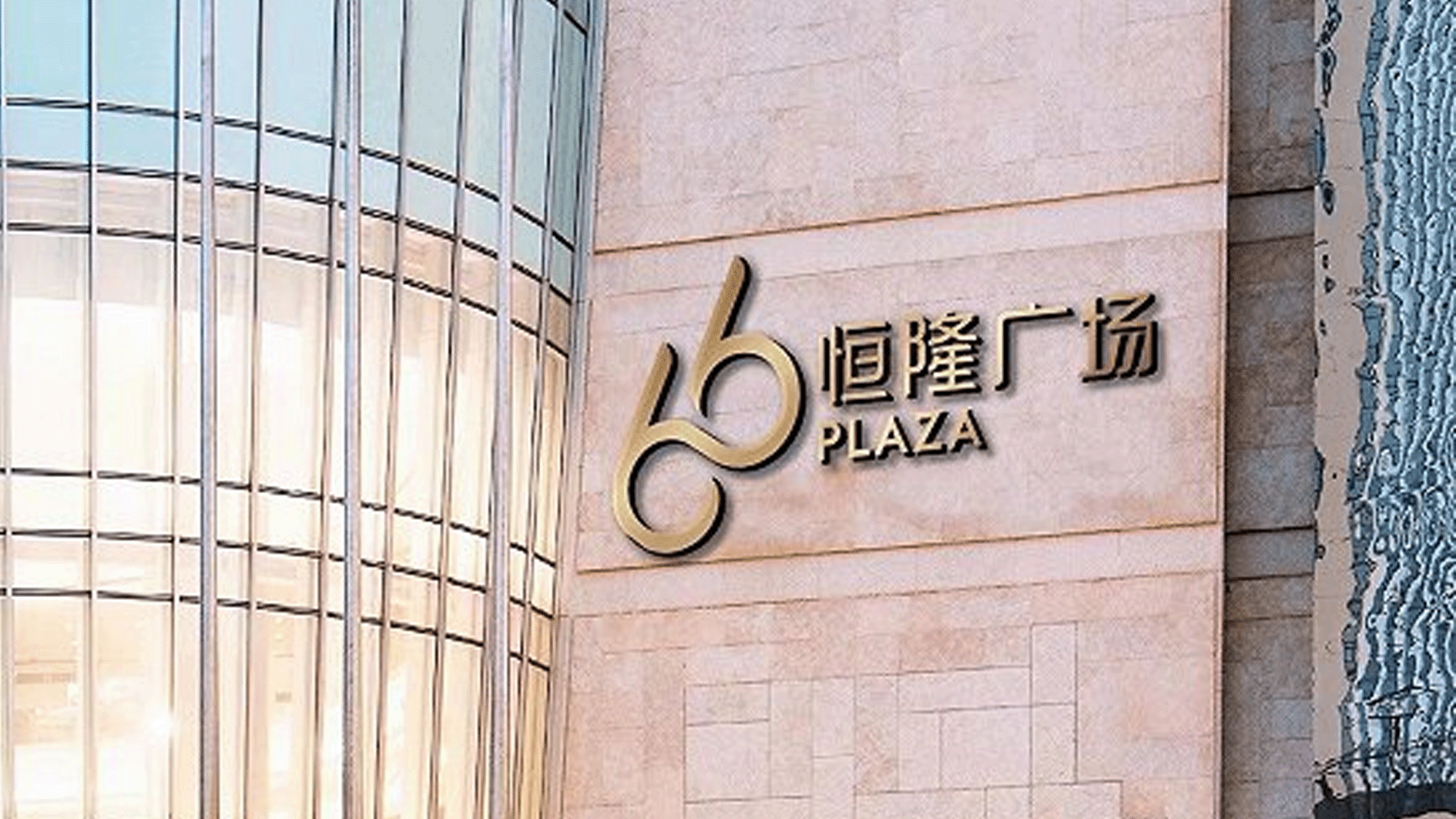
Hang Lung Properties reported its financial results for the first half of fiscal 2025, revealing widespread softness across its core business lines.
The group posted revenue of HKD 4.968 billion for the six months ended June 30, down 19% year-on-year. The steepest drop came from property sales, which plunged 87% to HKD 161 million.
Rental income—long a mainstay of the business—slipped 3%, reflecting softer demand in both the Hong Kong and mainland Chinese markets. Office leasing remained subdued, while profit from leasing operations declined 4% to HKD 3.499 billion. One bright spot was the hotel segment, which saw revenues jump 84% on the back of an expanding portfolio, though operating losses (post-depreciation) widened to HKD 34 million.
Hang Lung acknowledged that China’s luxury retail market is contending with multiple headwinds: changing consumption patterns, economic uncertainty, and intensifying domestic and global competition. U.S. trade tariffs have added to the pressure by further dampening confidence in the macroeconomic recovery.
As a result, rental income from its mainland portfolio dropped 2% in RMB terms (3% in HKD). First-half tenant sales across its malls fell 4%, even as leasing rates held steady at 94%. Office revenue was also down 4% year-on-year.
In Shanghai, Hang Lung’s crown jewel—Plaza 66—maintained an impressive 98% occupancy rate. But even this retail powerhouse wasn’t immune to the downturn: tenant sales slipped 8% as luxury shoppers became more cautious. Across town, at Grand Gateway 66 in Xujiahui, things looked rosier with modest growth: revenue rose 1% and tenant sales increased 10%.
Outside Shanghai, Hang Lung saw mixed results. Kunming, Wuxi, and Tianjin registered sales declines, while Dalian, Jinan, and Palace 66 in Shenyang achieved growth in both income and tenant turnover. Meanwhile, Wuhan’s Heartland 66 and Forum 66 in Shenyang recorded double-digit declines, underscoring rising pressure in emerging and mid-tier cities.
Looking ahead, Hang Lung flagged growing risks from geopolitical tensions—particularly between China and the U.S.—as a key threat to global consumption and business expansion. Despite weak consumer confidence in China, the company sees glimmers of recovery, predicting moderate improvements in domestic demand over the coming months. It remains bullish on Hong Kong’s long-term business prospects.




















 Scan this QR Code with WeChat
 WeChat
 Email
Email Share
Share
 Favorites