简体中文
简体中文

- FEATURE
- |
- MERGERS & ACQUISITIONS
- |
- FINANCIAL
- |
- MARKETING
- |
- RETAIL
- |
- ESG-SUSTAINABILITY
- |
- LIFESTYLE
- |
-
MORE




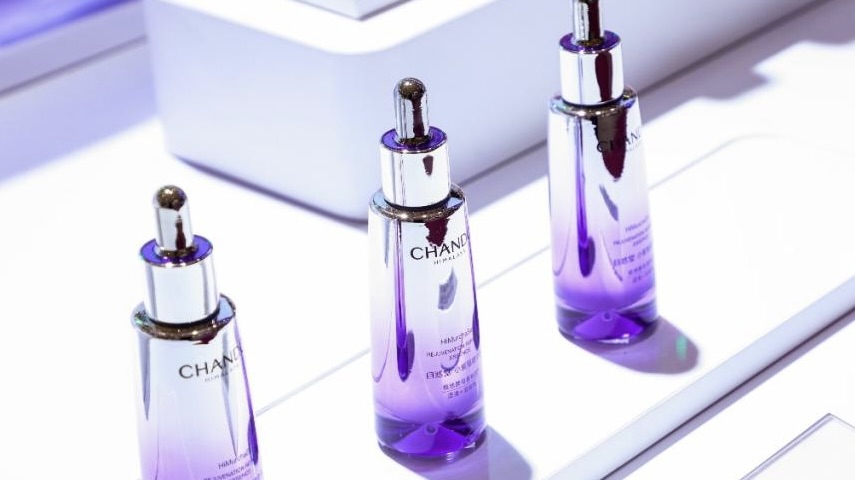
The second generation of leaders in China's beauty and fashion giants is gradually stepping into the spotlight, bringing both challenges and fresh opportunities for brand transformation.
Zheng Que, daughter of Chando Group founder Zheng Chunying, is one of them.
Recently, she posted a video on social media declaring, "The princess is starting a business again." According to the video, she will build a brand-new fragrance line for Chando brand, with the design of scent profiles and packaging already in progress. She also openly acknowledged the failure of her previous startup, adding that "entrepreneurial failure is completely normal.”
In 2020, while serving as the General Manager of the Emerging Brands Division at Chando Group (then known as Jala Group), Zheng launched Assassina. As the group's first perfume brand, it advocated for female self-empowerment, encouraging women to embrace their true inner desires.
However, as she admitted, the venture fell short. By early 2024, Assassina's social media accounts had gone dormant, and its official online stores were taken down.
Now serving as the company's Chief External Affairs Officer, Zheng is shifting her entrepreneurial focus back to her family's core business.
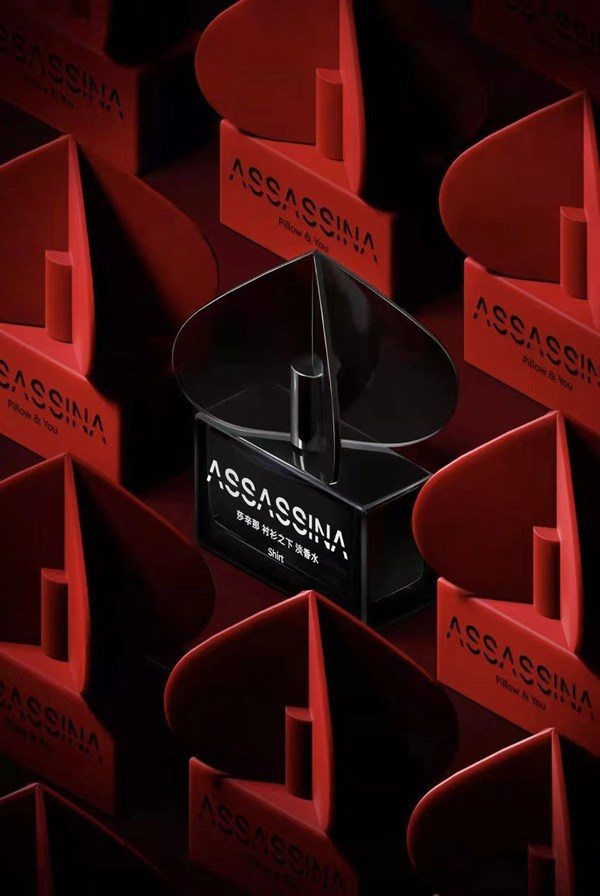
The perfume brand Assassina, launched by Zheng Que in 2020
Founded in 2001, the company—whose five-brand skincare portfolio includes Chando—remains a top earner in the Chinese beauty sector, posting sales of 5.32 billion yuan ($785 million) last year.
The move comes at a critical time for domestic beauty giants, many of which are grappling with brand aging and plateauing online growth. Expanding into fragrances has proven to be an effective strategy to elevate brand positioning, engage younger consumers, and command premium pricing.
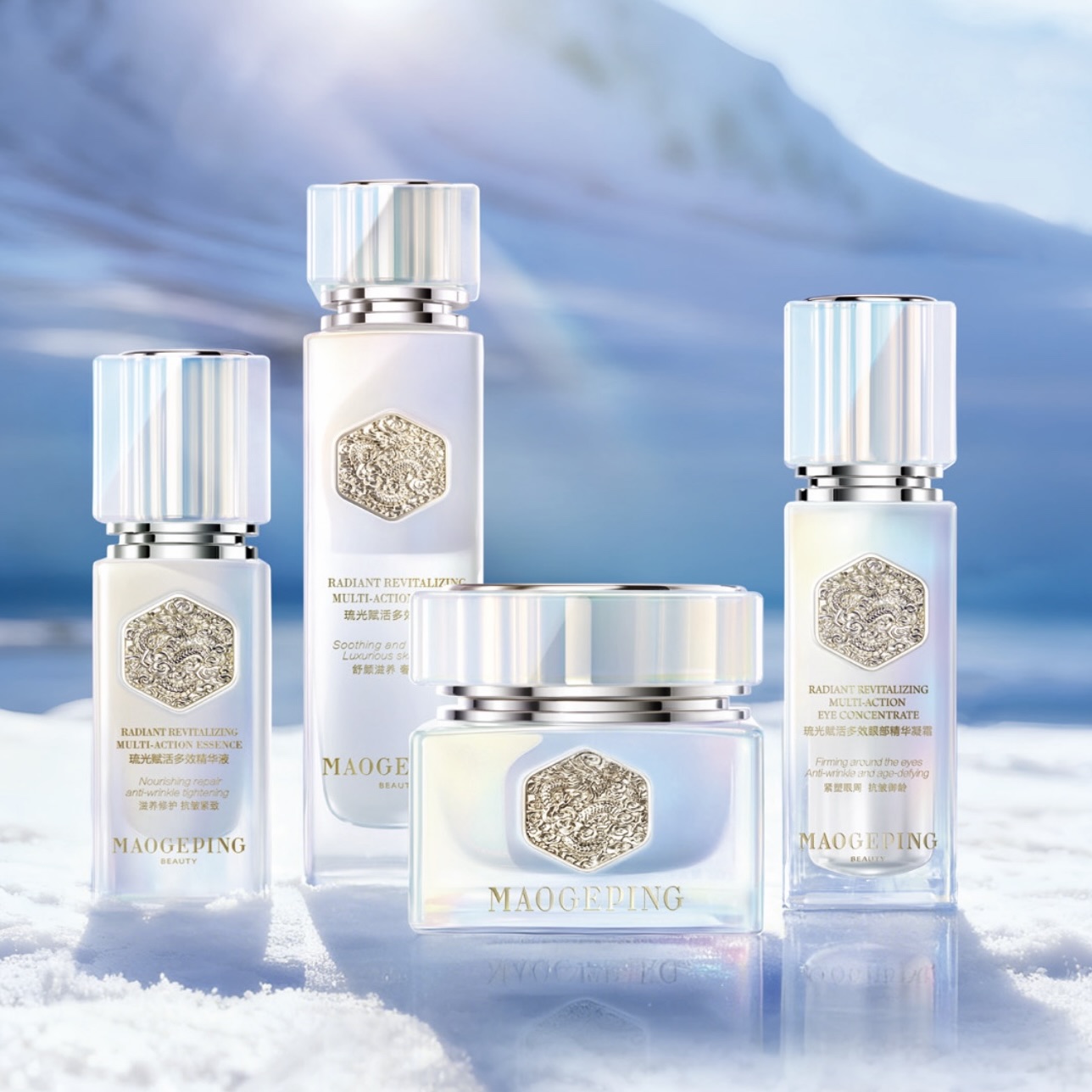
Chando is not alone in this shift; peers like Mao Geping and Proya have already made their foray into the fragrance category.
In her video, Zheng shared her experience visiting the fragrance museum of Xue Lei, a Chinese fragrance manufacturer. At the museum, visitors can use an AI system to generate a custom perfume based on their ratings of a variety of scents. However, her takeaway was that AI still falls short when it comes to capturing the nuances of human emotion.
While this visit might not directly reflect her final business blueprint, the video successfully establishes an authentic and youthful tone for Chando's upcoming fragrance line.
This new generation of brand executives is evidently more fluent in navigating the social media landscape. Zheng referred to her viewers as her "first batch of online shareholders," promising to document her entrepreneurial journey through video logs. She also invited users to share their ideas for the new perfume in the comments, actively replying and fostering engagement.
This marketing approach not only bridges the gap between the 25-year-old Chando brand and younger consumers, but also caters to the consumer psychology of today's youth, who crave active participation in the product creation process and expect authentic feedback.
Her candid, down-to-earth style worked. Judging from the comments on the video, the public's reaction has been largely positive and enthusiastic.
Ultimately, however, clever marketing must be backed by a solid product.
In an increasingly saturated fragrance market, building a new line from the ground up is a challenge. To consumers, Chando is fundamentally a mass-market skincare brand without an established legacy in perfumery. If it fails to deliver a highly distinct and recognizable scent, the brand will inevitably face one persistent hurdle: convincing buyers why they should choose a Chando perfume over the rest.


















 Scan this QR Code with WeChat
 WeChat
 Email
Email Share
Share
 Favorites