简体中文
简体中文

- FEATURE
- |
- MERGERS & ACQUISITIONS
- |
- FINANCIAL
- |
- MARKETING
- |
- RETAIL
- |
- ESG-SUSTAINABILITY
- |
- LIFESTYLE
- |
-
MORE




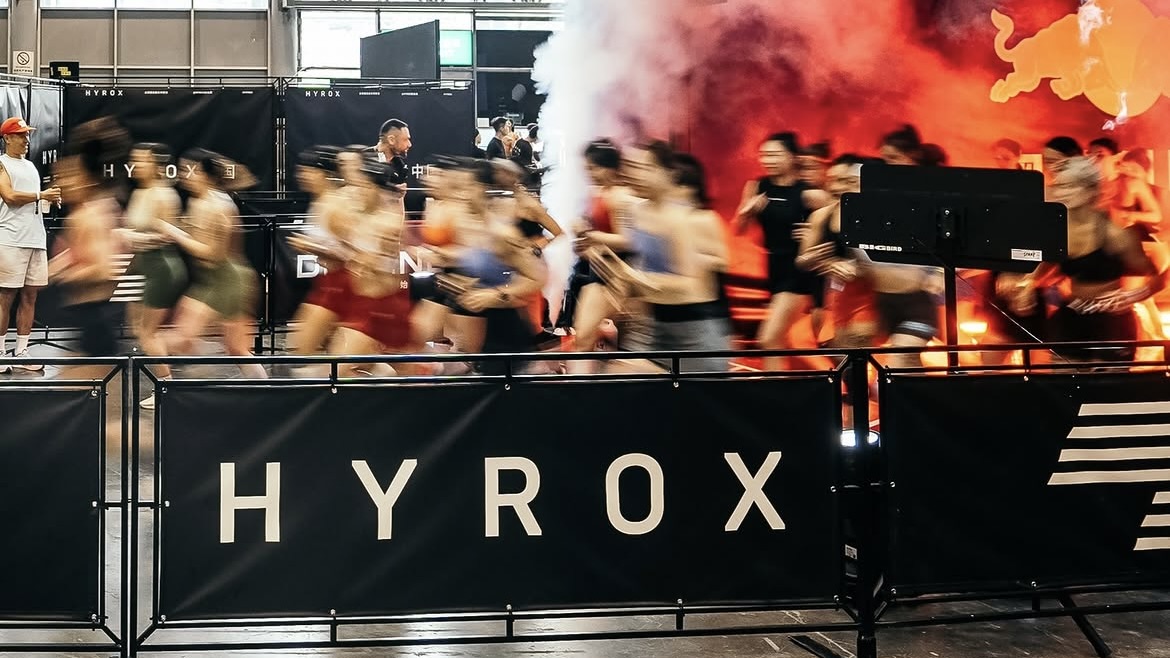
Marketing professionals’ chronic and seemingly incurable anxiety over finding the next creative idea, partnership or media opportunity has recently found an effective remedy: Hyrox.
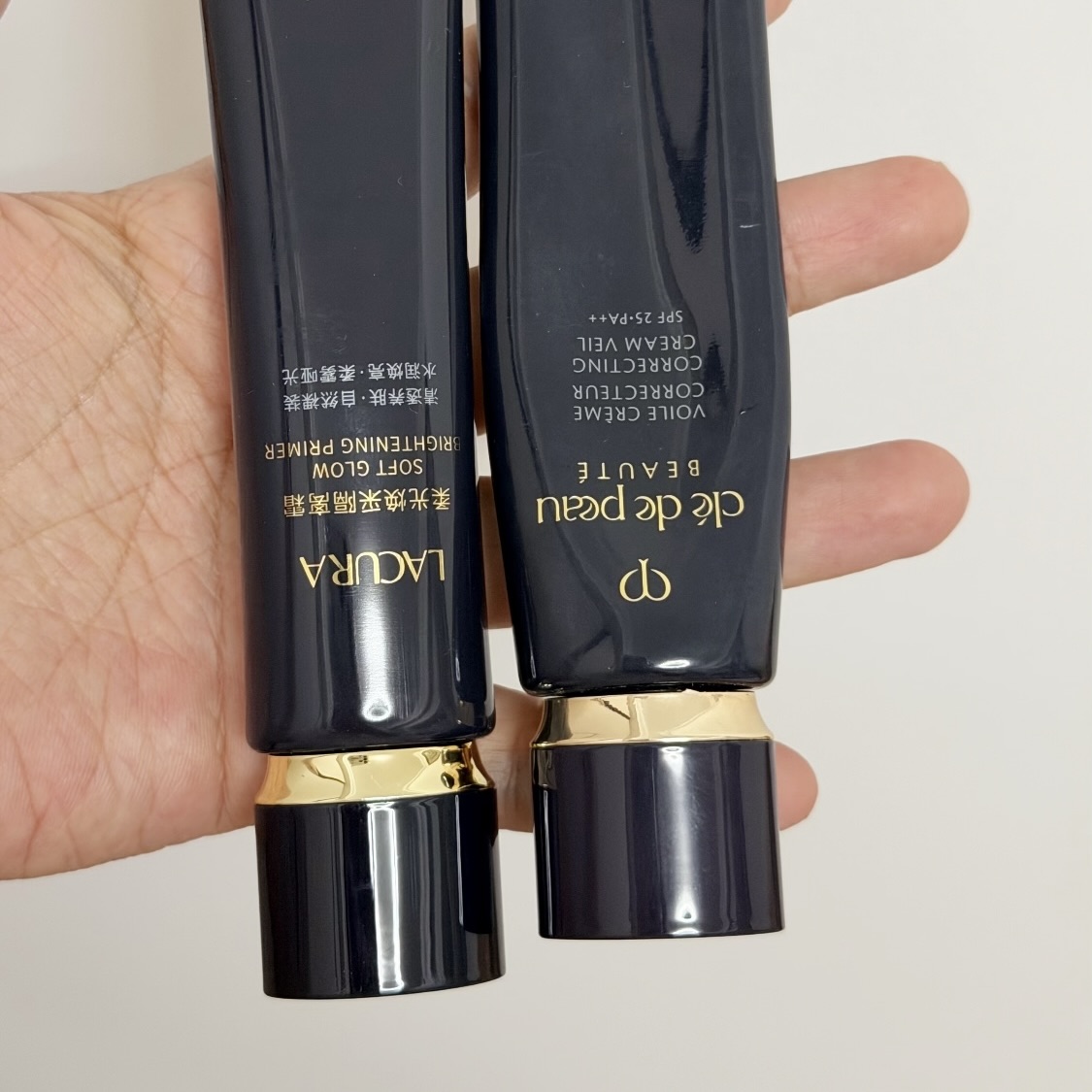
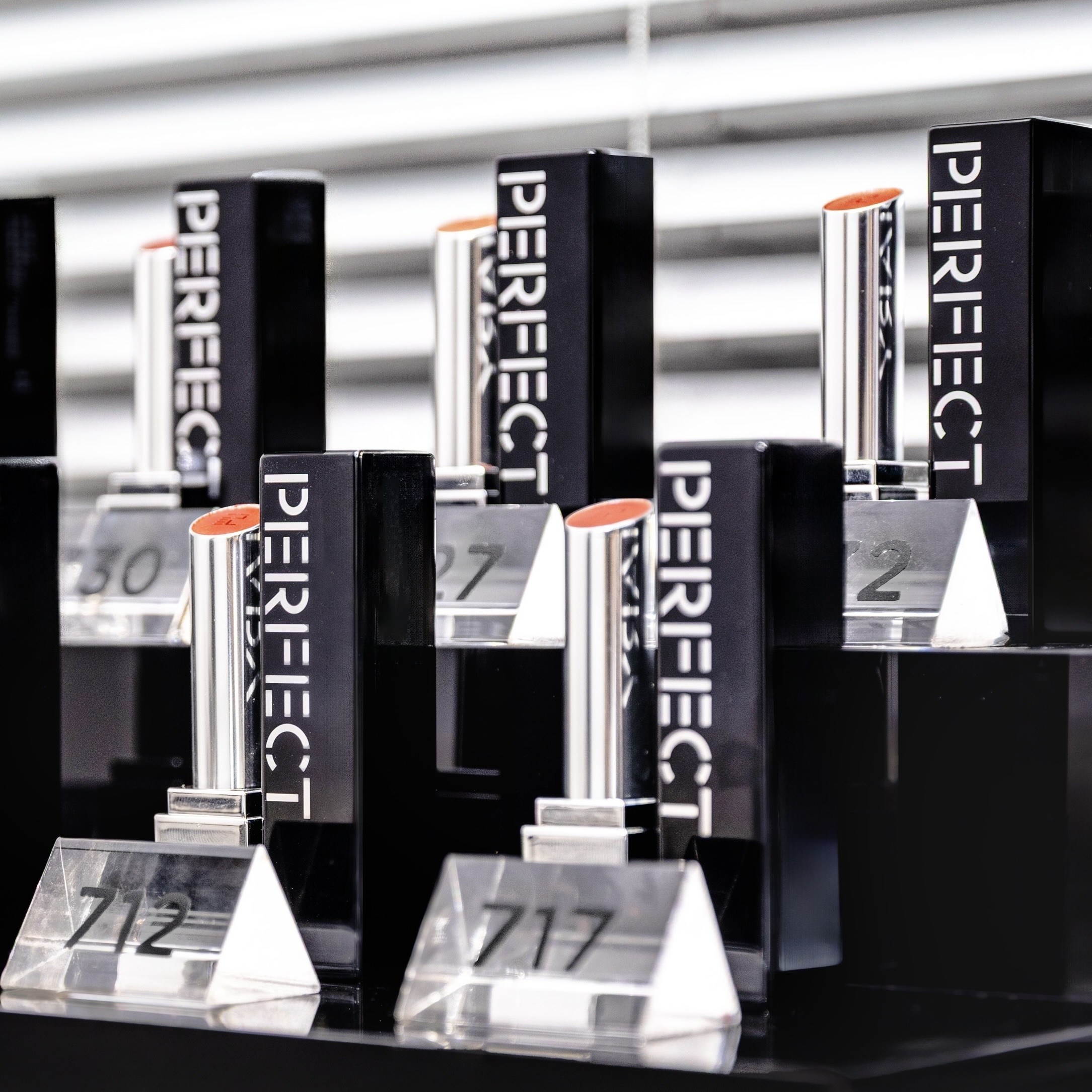
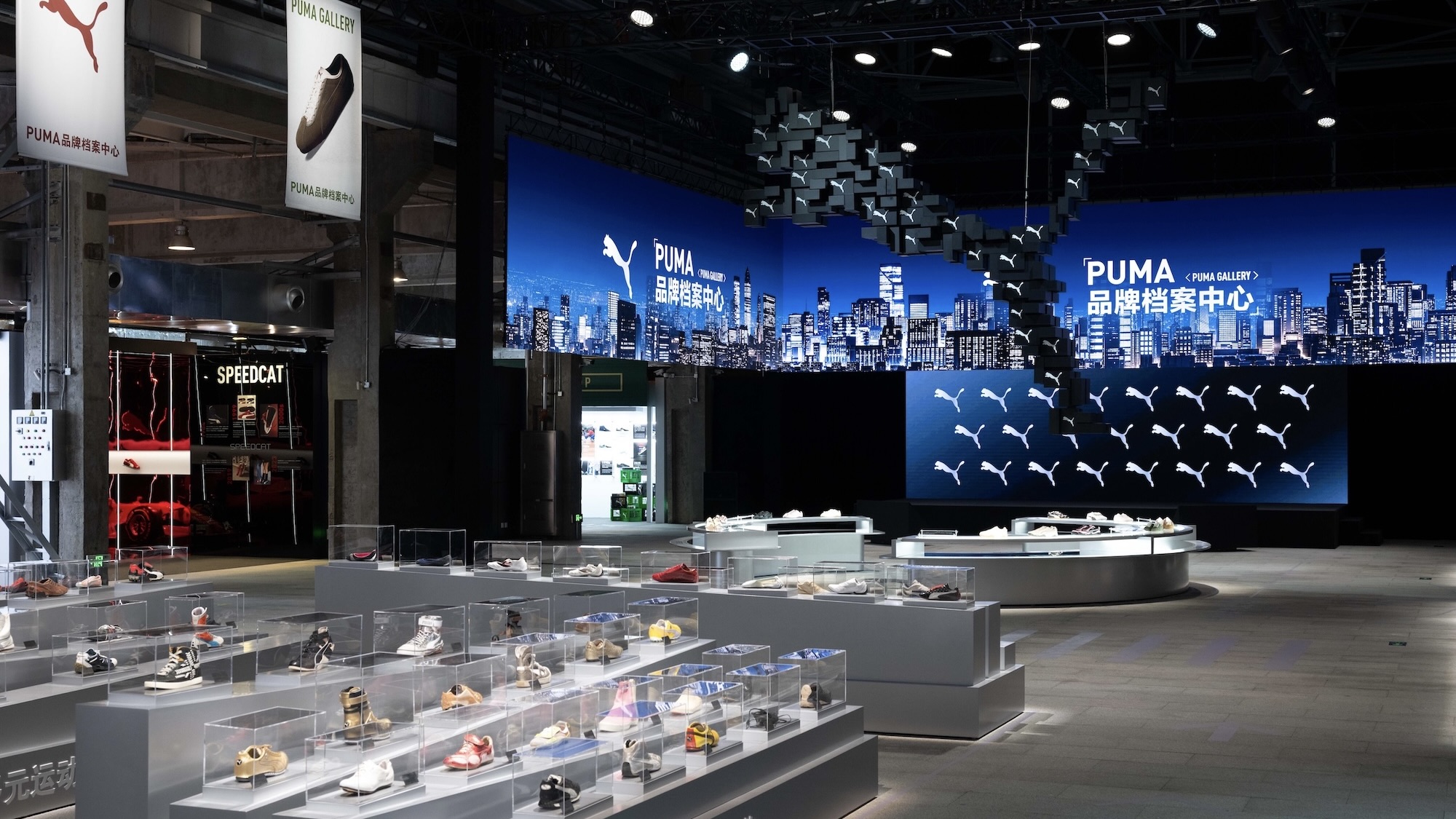
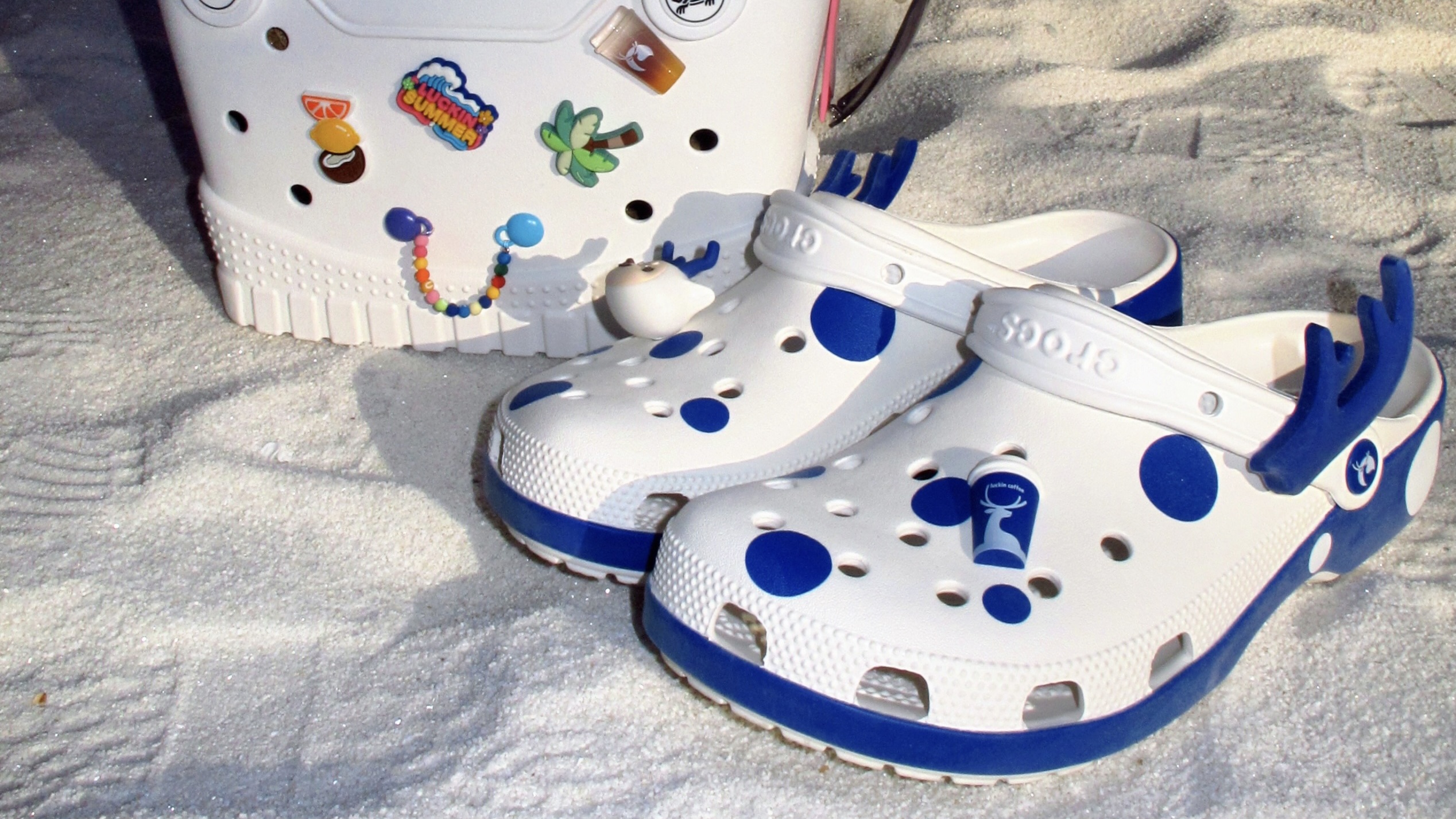
Beyond the most conventional and obvious partners, such as sportswear and supplement brands, companies from a wide range of industries are piling in, covering almost every possible scenario surrounding a Hyrox event:
With brands rushing in from every direction, it is becoming difficult to tell who is more obsessed with Hyrox: fitness enthusiasts or consumer brands.

Why has Hyrox suddenly inspired this collective frenzy?
Simply put, it has been a long time since they found a marketing channel this ideal.
While Hyrox sets no real barrier in terms of athletic ability, its entry fee of approximately $140 per person does create a threshold when it comes to spending power. Many participants have already been spending steadily on gear, supplements, training classes and other related expenses long before they sign up. In effect, Hyrox has done the work for consumer brands by gathering a group of urban middle-class consumers with relatively strong purchasing power in one place.
Then there is Hyrox’s highly social nature. Beyond achieving a good result, another important part of the experience is getting content worth posting. Even the much-criticized official event photography has already helped create a lucrative market for dedicated Hyrox race photographers. All of this fits perfectly with consumer brands’ ultimate demand: traffic never sleeps.
There is no denying that Hyrox brings together, in one setting and at remarkable density and scale, exactly the kind of consumers brands dream of reaching. No competent marketing director would allow themselves to miss an opportunity like this.
But under the intense heat of brands’ enthusiasm, how much more can Hyrox take?
And especially when large numbers of influencers arrive at the competition in full makeup, working hard for the camera, can Hyrox still retain the same character?
In the social media era, new phenomena rarely escape the same trajectory: they are rapidly copied, consumed and eventually exhausted. Hyrox’s popularity is still in its early stages, so it is unlikely to be drained of its appeal anytime soon. But if every corner of the race venue and every participant need is carved up into commercial inventory, the sense of belonging, identity and positive reinforcement that Hyrox offers fitness enthusiasts could eventually be diluted by an increasingly dominant commercial presence.
Will Hyrox thrive under the heat of commercialization, or eventually wither because of it?


















 Scan this QR Code with WeChat
 WeChat
 Email
Email Share
Share
 Favorites