简体中文


- FEATURE
- |
- MERGERS & ACQUISITIONS
- |
- FINANCIAL
- |
- MARKETING
- |
- RETAIL
- |
- ESG-SUSTAINABILITY
- |
- LIFESTYLE
- |
-
MORE


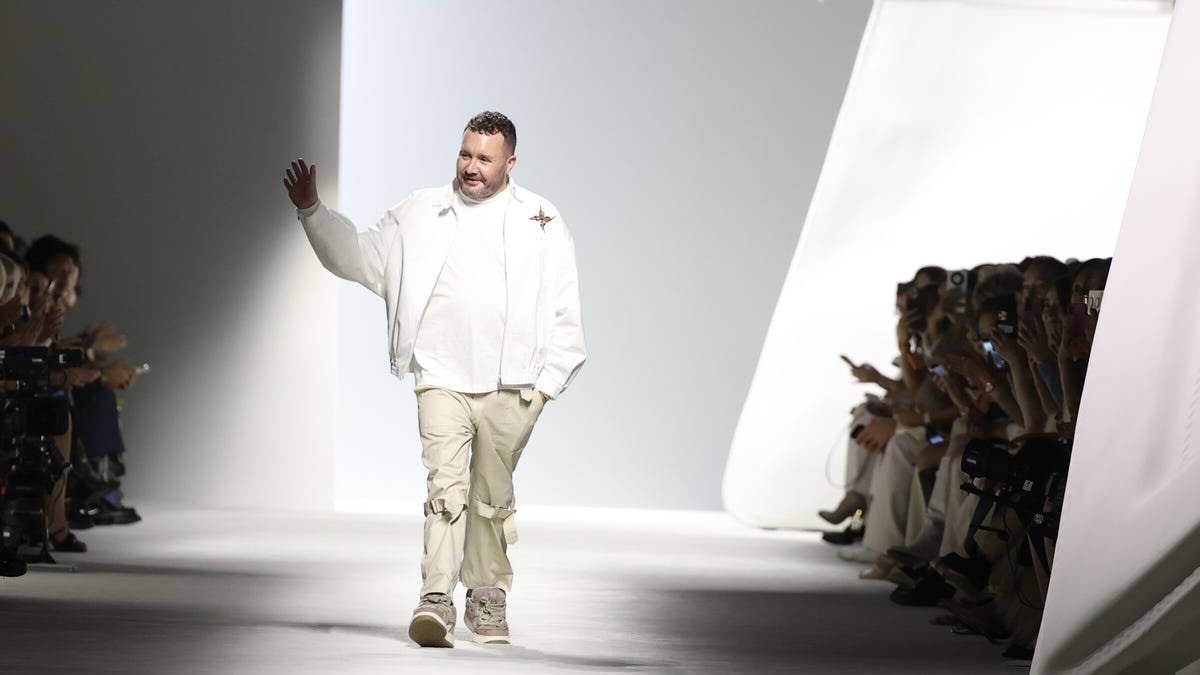
Being the creative director of a luxury fashion house is no easy job. Running a namesake label may be just as difficult.
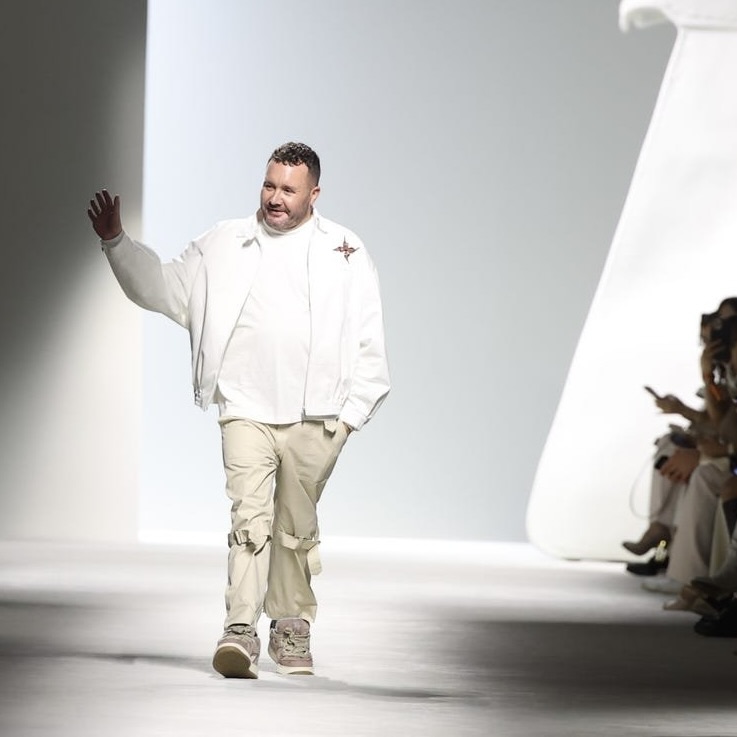
Kim Jones, who previously led menswear at Dior and Louis Vuitton and womenswear at Fendi, is set to relaunch his namesake label. The first fall/winter collection is scheduled to go on sale through the brand's website in mid-2027, followed by its first store at Central Yards in Hong Kong that October.
Jones originally founded the label in 2003 but put it on hold in 2008 when he joined Dunhill. Nearly two decades later, he is returning with a decidedly pragmatic business plan.
For one thing, the new label will focus on versatile, genderless clothing offered at what Jones describes as "a considered price point." In an interview, he noted that young consumers can no longer afford traditional luxury fashion, leaving a gap in the market.
The brand will also take an Asia-first approach. His decision to open the first store in Hong Kong reflects the importance he places on the region. "Asia's got the pulse at the moment," he said, adding that "it's an Asian century.”
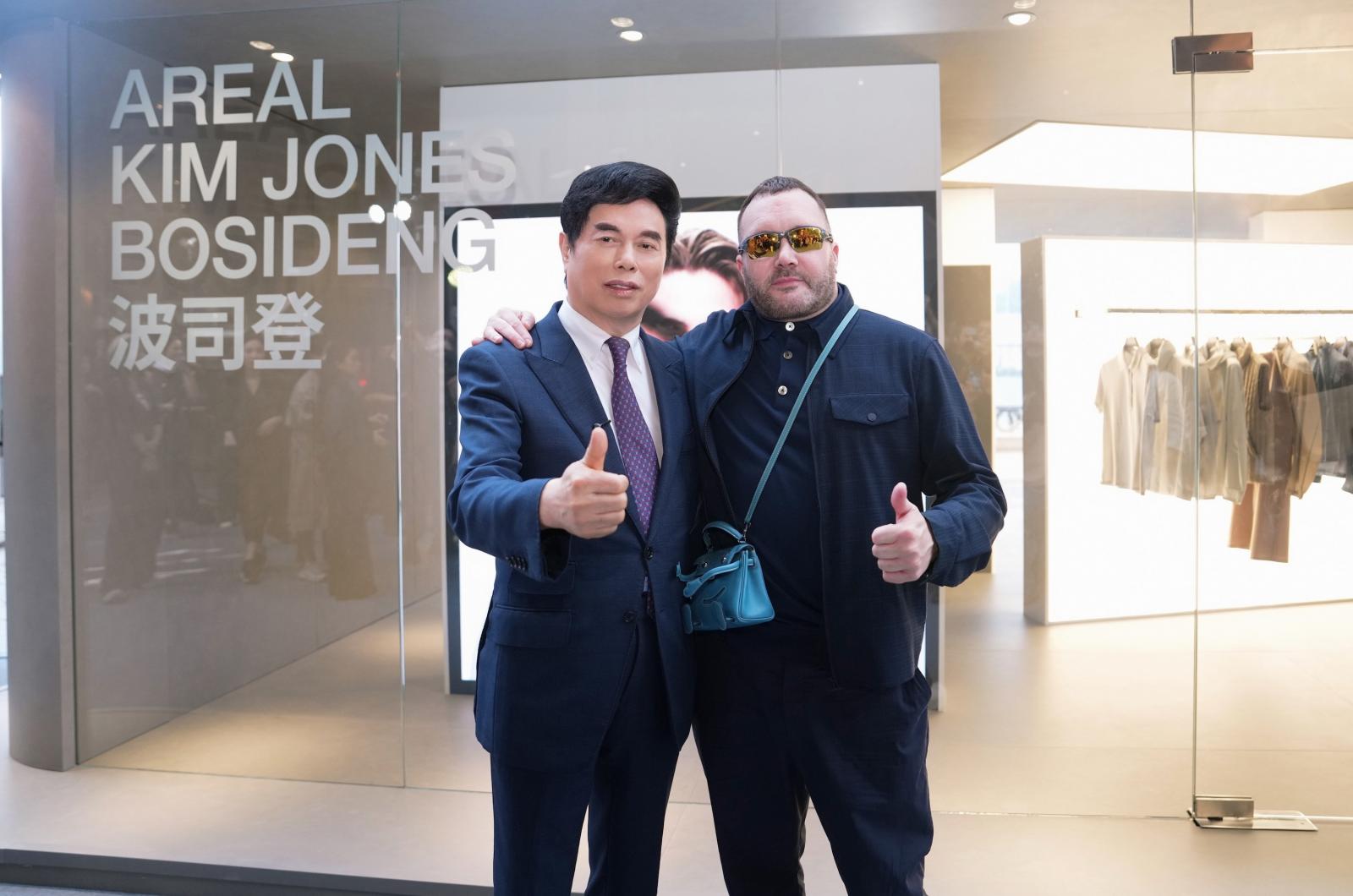
The dynamism of Asia's fashion market is hard to dispute. While many brands establish themselves in their home markets before expanding into Asia, Jones is going straight there — a practical move by any measure.
But the more important question is how much consumers actually want to buy his designs.
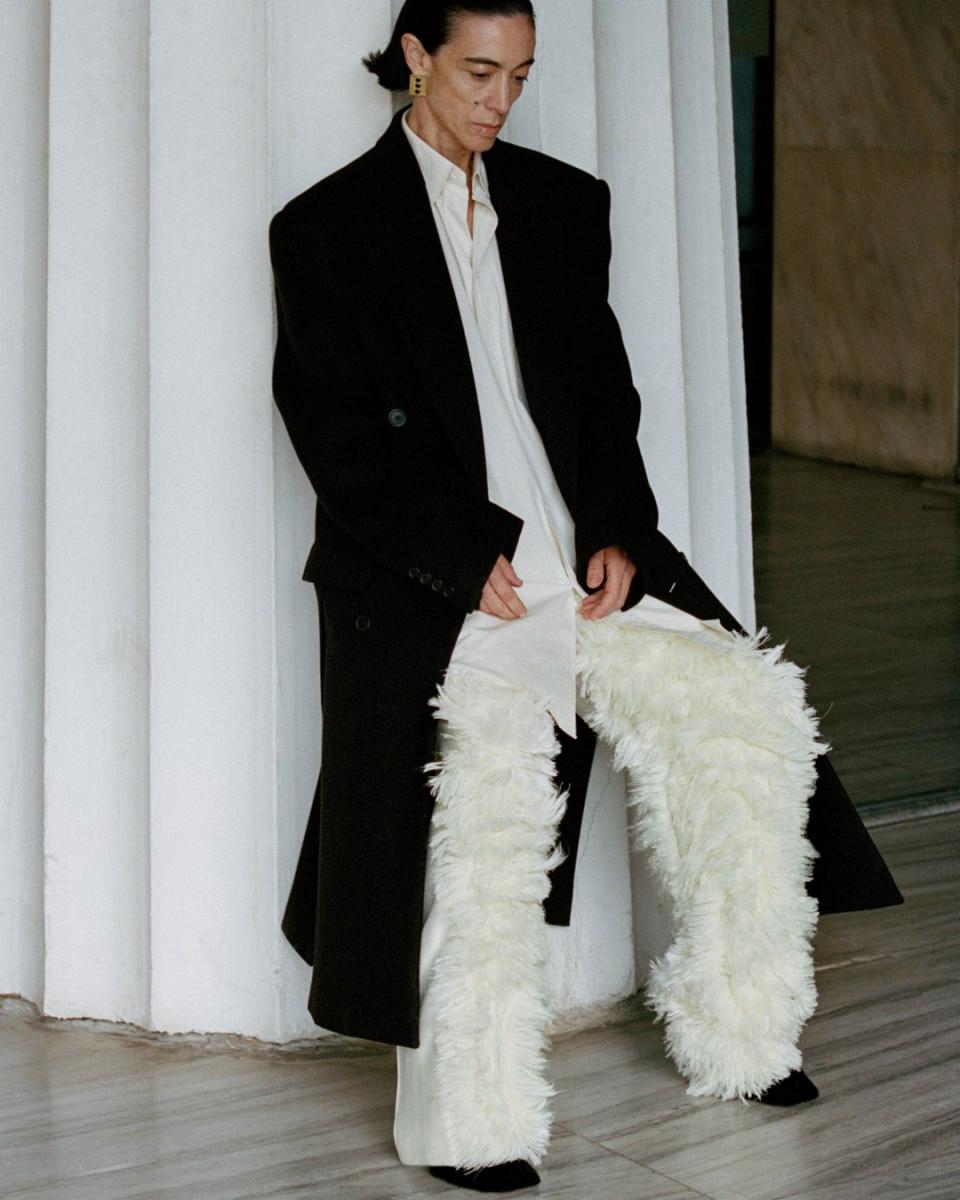
Phoebe Philo offers a useful point of comparison. When her namesake label launched online in 2023, more than two-thirds of its products reportedly sold out within roughly 24 hours, despite steep prices — ranging from $1,100 shoes to a $25,000 shearling jacket — and a limited size range that seemed at odds with the fashion industry's professed commitment to inclusivity.
Consumers were willing to spend substantial sums on Philo's designs without even seeing them in person because she had established a distinctive aesthetic at Celine, one that shaped fashion well beyond the brand and earned her a fiercely loyal following.
Jones, by contrast, has not developed quite as recognizable a personal design language over his career at major luxury houses. Or at least, one that feels quite as difficult to replace.
Much of his success has come from his ability to identify, reinterpret and amplify the appeal of the houses he worked for, while capturing the cultural moment through collaborations with streetwear labels and artists. But how much of the attention surrounding those fashion moments was actually driven by Jones himself?
Another relevant example is Stefano Pilati. The former Yves Saint Laurent and Ermenegildo Zegna designer launched Random Identities in 2017, a label focused on gender-fluid, utilitarian design at accessible prices.
Yet after its initial buzz, the label struggled to maintain momentum. It suspended operations for two years during the pandemic before relaunching in 2023. Today, its visibility has declined considerably, with its most recent Instagram post dating back to November 2025.
Jones certainly has advantages when it comes to running a brand. His understanding of commercial collaborations, popular culture and the Asian market may be more sophisticated than that of many traditional fashion designers.
But how much appeal does the name Kim Jones really carry on its own?
















 Scan this QR Code with WeChat
 WeChat
 Email
 Share
 Favorites