简体中文
简体中文

- FEATURE
- |
- MERGERS & ACQUISITIONS
- |
- FINANCIAL
- |
- MARKETING
- |
- RETAIL
- |
- ESG-SUSTAINABILITY
- |
- LIFESTYLE
- |
-
MORE




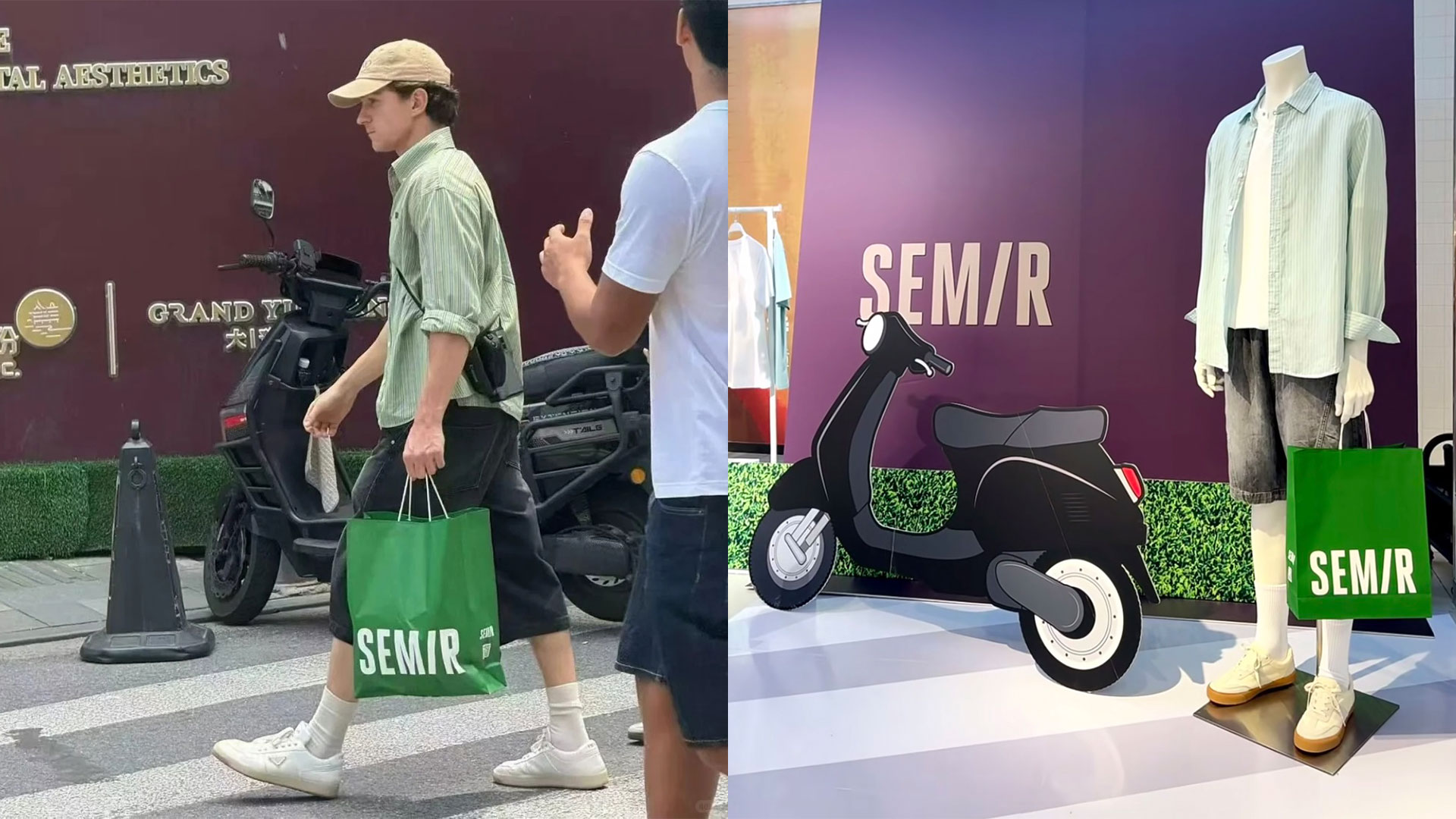
The latest Spider-Man movie hit Chinese theaters on July 29, but the real marketing show started well before the premiere.
On July 23, Spider-Man star Tom Holland was spotted in Shanghai carrying a shopping bag from the Chinese apparel brand Semir. People also noticed he was wearing the brand's denim shorts, likely just bought from a Semir store.
The photo quickly went viral. Semir wasted no time capitalizing on the buzz, heavily promoting the shorts, updating its store displays, rolling out new merchandise, and organizing special movie screenings.
Here is a closer look at how Semir translated an unexpected celebrity street snap into a rapid, multi-channel retail campaign:
By July 29, Semir's official Tmall store had sold over 6,000 pairs of the matching shorts within a 30-day period, making it one of the brand's top sellers.
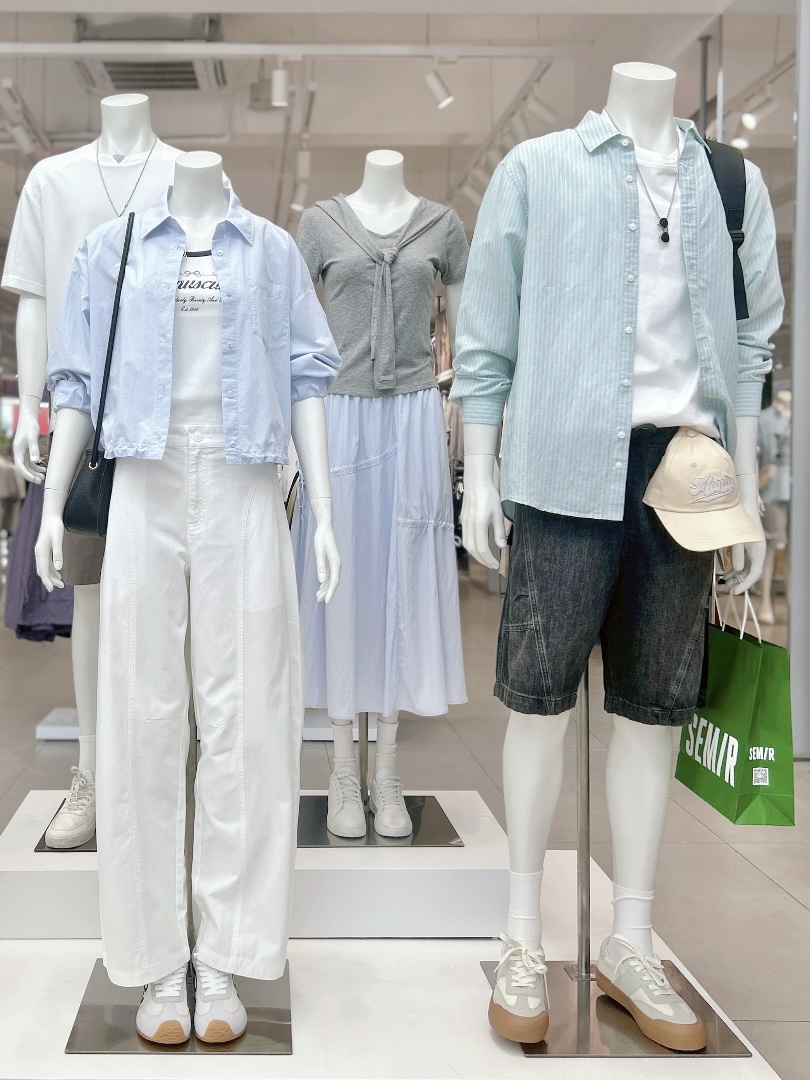
Semir's dedicated in-store display for Tom Holland's matching items
The viral hype wasn't limited to the shorts; the brand’s green paper shopping bag also became a highly coveted item.
Semir launched an online campaign offering the bag as a gift with select purchases. In-store, the bags were given their own display area, complete with "as seen on the star" signs.
After many consumers asked the brand to turn the paper bag into a tote, Semir employees teased on Xiaohongshu on July 28 that a tote bag version was in the works.
Founded in 1996, Semir was once a dominant force in Chinese casual wear. However, the brand has struggled in recent years against fierce competition from international fast-fashion and sportswear giants.
Semir serves as the flagship brand for its parent company's adult casual wear division, a segment that saw its revenue peak at 6.79 billion yuan ($1 billion) in 2018 before dropping to 4.05 billion yuan ($598.6 million) in 2025.
While Holland brought a massive wave of online traffic, it remains to be seen whether Semir can turn this viral moment into long-term business growth.
Throughout the campaign, Semir pushed a core message: its clothes are affordable, easy to style, and easy to buy. However, the market for budget-friendly basics is crowded. Once the initial excitement fades, the real test will be whether consumers keep coming back.
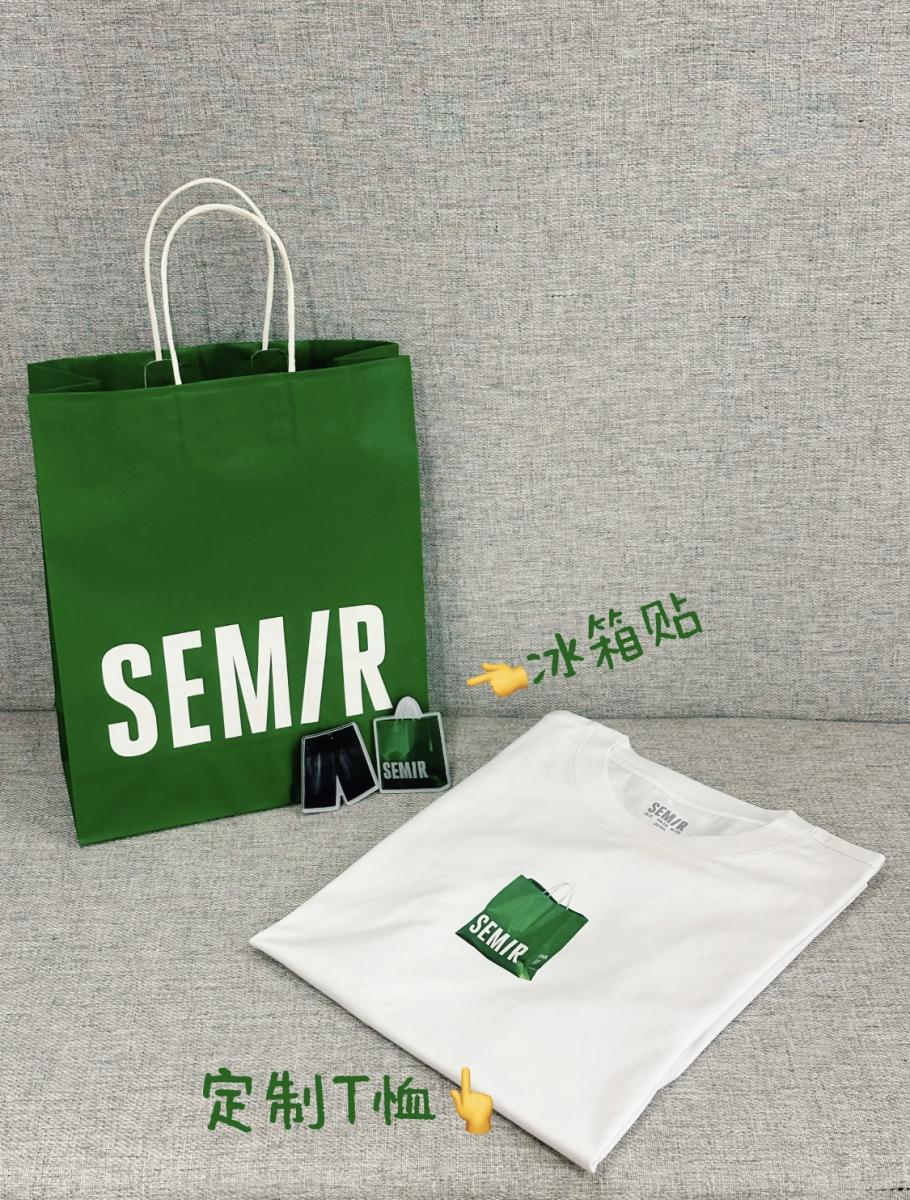
Semir's new merchandise featuring the shopping bag and denim shorts
Interestingly, the viral shopping bag gave Semir a rare opportunity to showcase its logo and brand color in a trendy light.
In the past, many local Chinese brands were seen as uncool; consumers bought them to save money, not to express their personal style. While taking photos with a Semir bag right now might just be a passing trend, the brand has successfully—and significantly—boosted its public image.
It is also worth noting that many social media posts about the event used the hashtag "Chinese Specialty" (Zhongguo Techan). Traditionally, this term referred to local snacks or traditional crafts.
This year, however, it is increasingly being used to describe homegrown brands that are popular with foreign or out-of-town visitors. For example, the footwear brand Pane and the bag brand Songmont are now frequently called "Shanghai Specialties," even though they have stores in other cities.
Whether this new label is a clever marketing strategy or genuine consumer sentiment is hard to say. But one thing is clear: domestic Chinese brands are gaining serious influence. Especially now, as shoppers focus more heavily on value, many local brands are proving they can go toe-to-toe with global competitors.




















 Scan this QR Code with WeChat
 WeChat
 Email
Email Share
Share
 Favorites