简体中文
简体中文

- FEATURE
- |
- MERGERS & ACQUISITIONS
- |
- FINANCIAL
- |
- MARKETING
- |
- RETAIL
- |
- ESG-SUSTAINABILITY
- |
- LIFESTYLE
- |
-
MORE




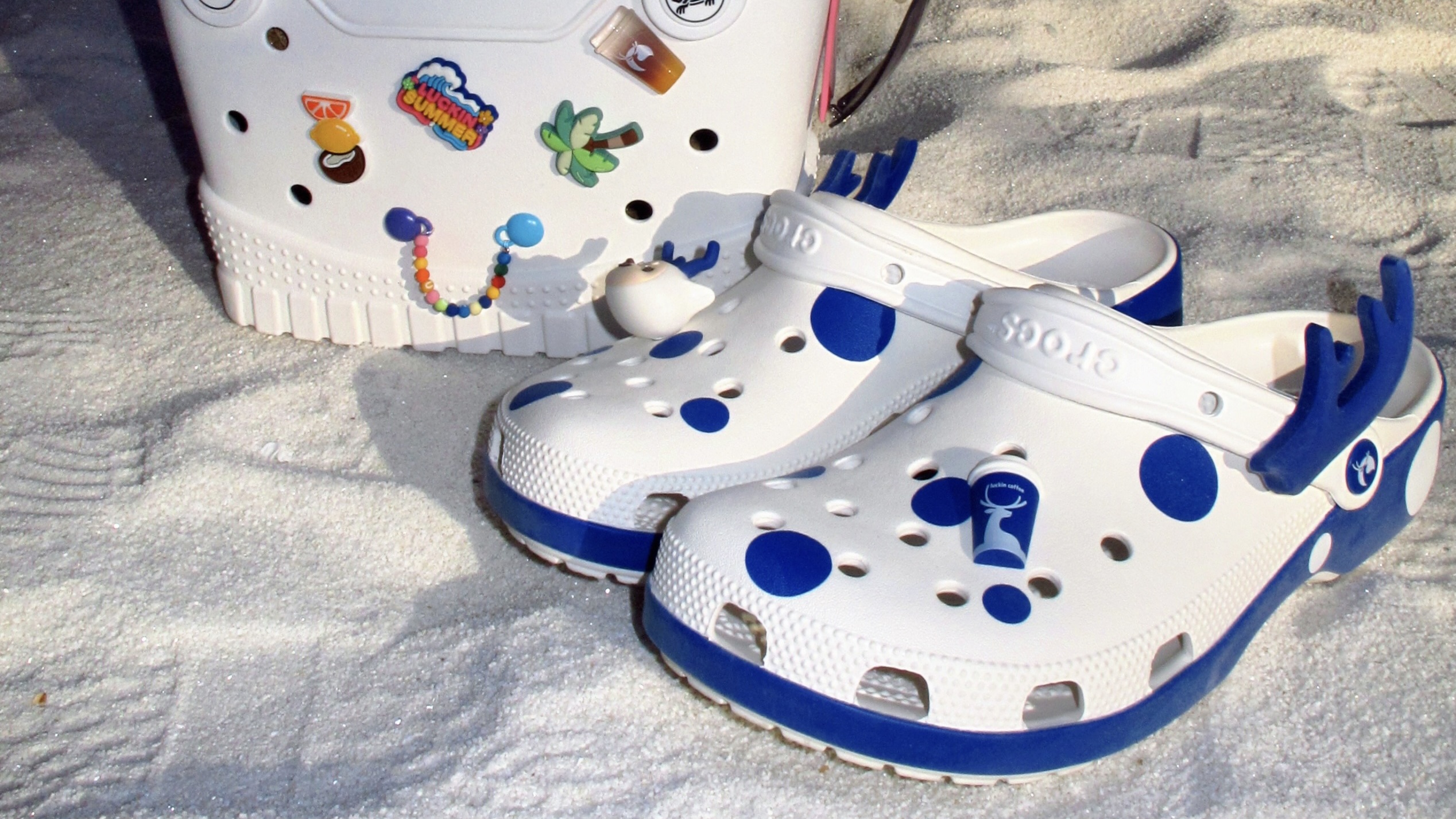
Crocs' long-running collaboration strategy has hit a snag with Luckin Coffee.
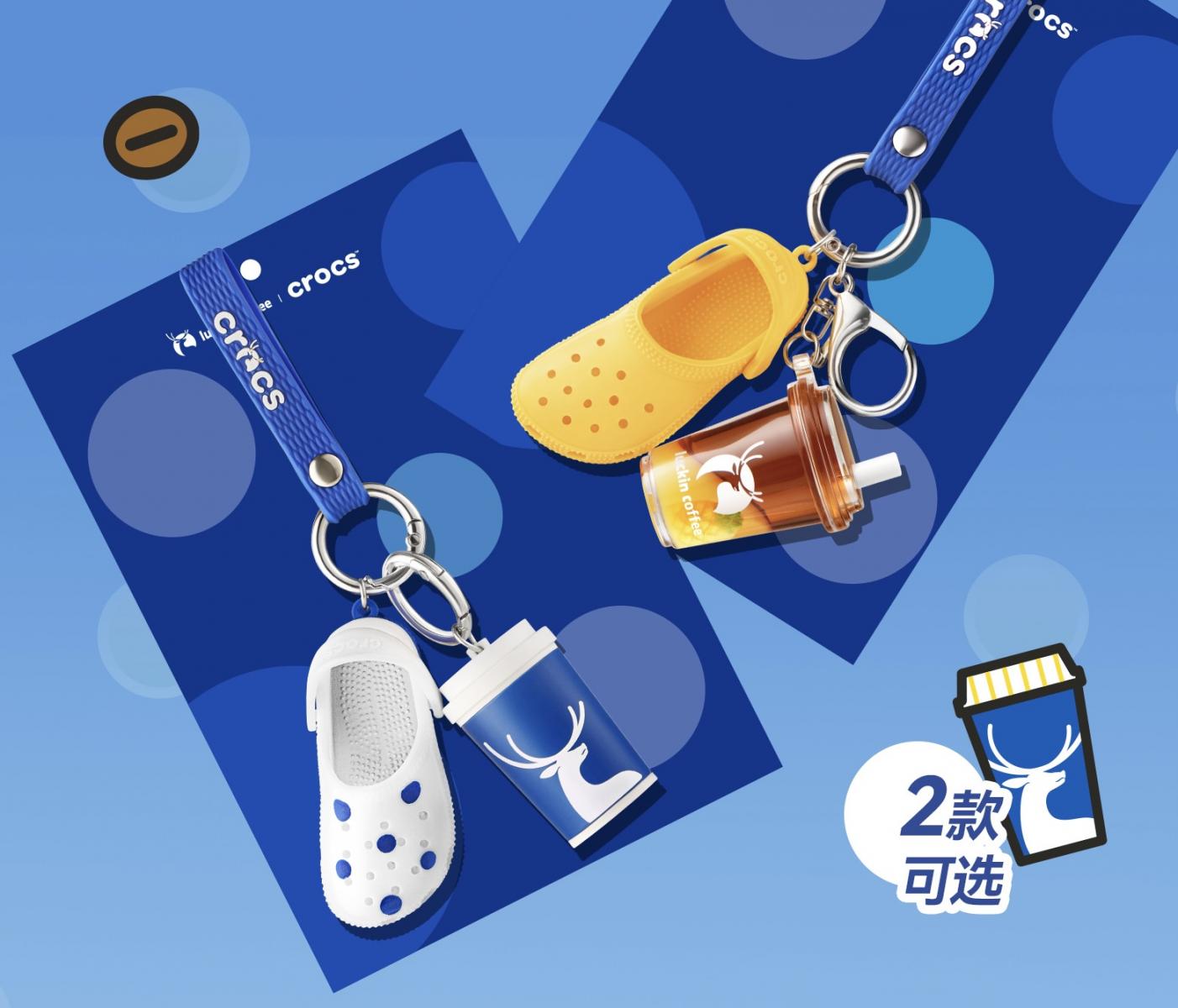
On July 27, Crocs and Luckin Coffee launched a collaborative collection that included two mini clog charms priced at 35.9 yuan, a coffee flask at 108.8 yuan, a set of Jibbitz charms at 158 yuan, and a collaborative Classic Clog priced at 569 yuan (approximately $84).
After the launch, the mini clog charms sold out almost immediately, while demand for the shoes was noticeably weaker. Crocs' Tmall flagship store currently shows more than 100 pairs sold. By comparison, its Pop Mart Molly collaboration, which is also currently on sale, has sold more than 1000 pairs.
The shoes have also fallen below their original retail price on the resale market. On Xianyu, China's secondhand trading platform, many brand-new pairs from the collaboration are being offered for around 400 yuan.
On one side is one of China's most ubiquitous coffee chains; on the other, one of the country's most popular casual footwear brands. The novelty and buzz generated by the partnership were enough to persuade consumers to snap up a 35.9 yuan charm, but not enough to convince them to buy a 569 yuan pair of shoes.
The most important reason is the mismatch in positioning between the two brands.
Luckin disrupted China's coffee market with its 9.9 yuan coffees and has since established itself as a leader in the mass-market coffee segment. Its core customers are, unsurprisingly, more price-sensitive.
Meanwhile, Chinese brands such as Warrior and Li-Ning already offer clogs for less than 100 yuan, while lifestyle retailer Miniso has priced its Hello Kitty collaborative clogs at just 49.9 yuan.
For a pair of casual sandals, Crocs is not inexpensive. Consumers who love Luckin are unlikely to overlap significantly with Crocs' fan base, let alone be willing to pay a premium for a collaborative pair.
Conversely, consumers willing to pay more for Crocs' higher-priced, higher-quality products are unlikely to be devoted Luckin fans—and are even less likely to want to become a "walking billboard for Luckin.”
In that sense, the partnership between the two brands was a mistake from the start.
Collaborations have become a regular part of Crocs' strategy, but what ultimately supports the premium attached to these products is still distinctive design and a strong fashion proposition.
On Dewu, a Chinese fashion and sneaker marketplace, some Crocs collaborations with Simone Rocha, Bodega, and Feng Chen Wang continue to trade at prices well above their original retail prices. Consumers who buy collaborations are looking for something distinctive and cool. The Luckin collaboration, even if it is not "ugly and cheap," as some Chinese social media users have described it, can at best be called ordinary.
Crocs' period of explosive growth in China has already passed. To maintain its momentum in the market, what the brand needs most is to stay committed to fashion.
The Crocs ballet clog, one of the biggest footwear trends this year, is its latest successful example. In the second quarter of 2026, Crocs' China business recorded double-digit growth.


















 Scan this QR Code with WeChat
 WeChat
 Email
Email Share
Share
 Favorites