简体中文


- FEATURE
- |
- MERGERS & ACQUISITIONS
- |
- FINANCIAL
- |
- MARKETING
- |
- RETAIL
- |
- ESG-SUSTAINABILITY
- |
- LIFESTYLE
- |
-
MORE


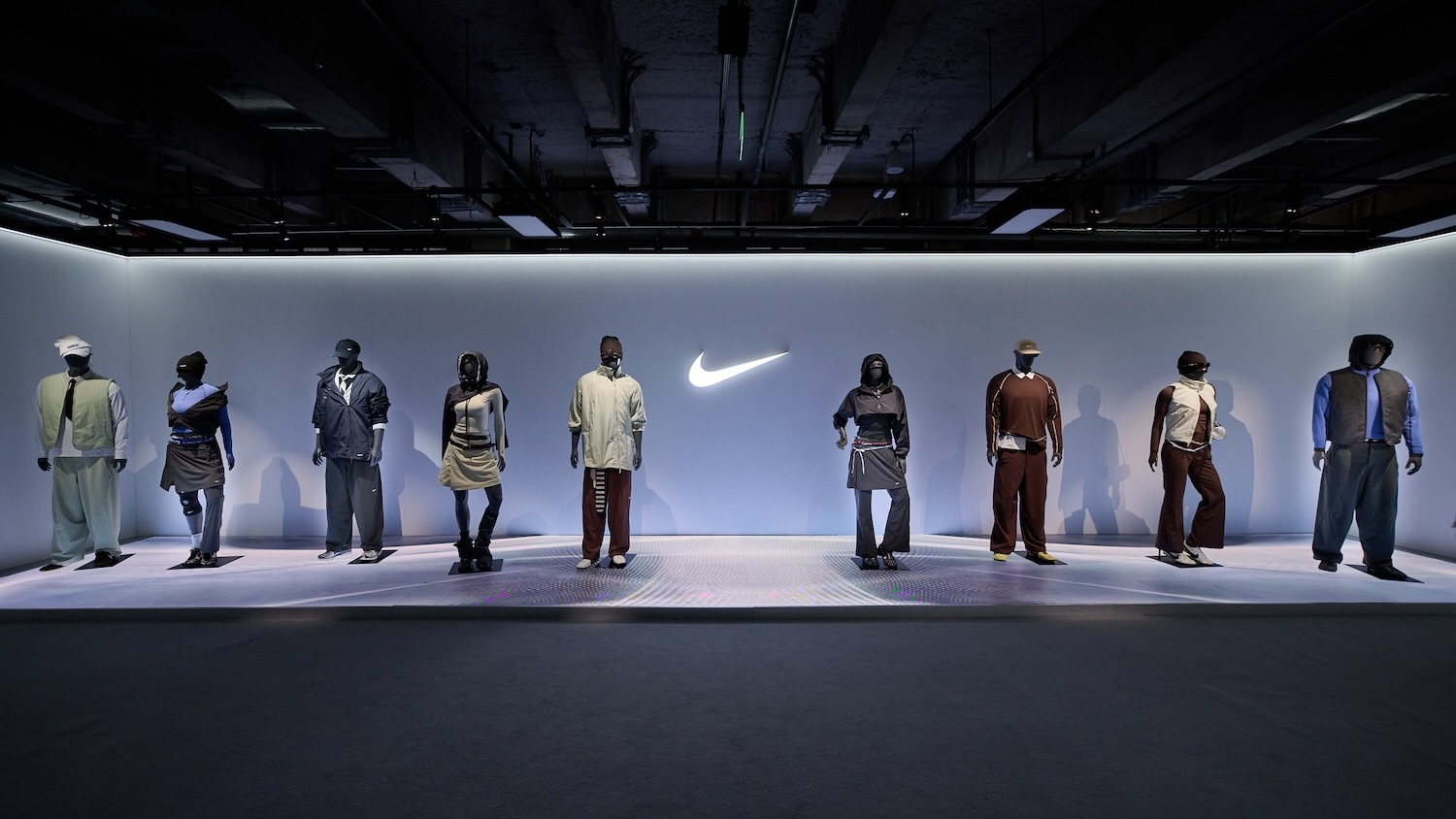
Nike is finally putting more emphasis on designing products specifically for China. But consumers appear less than impressed.
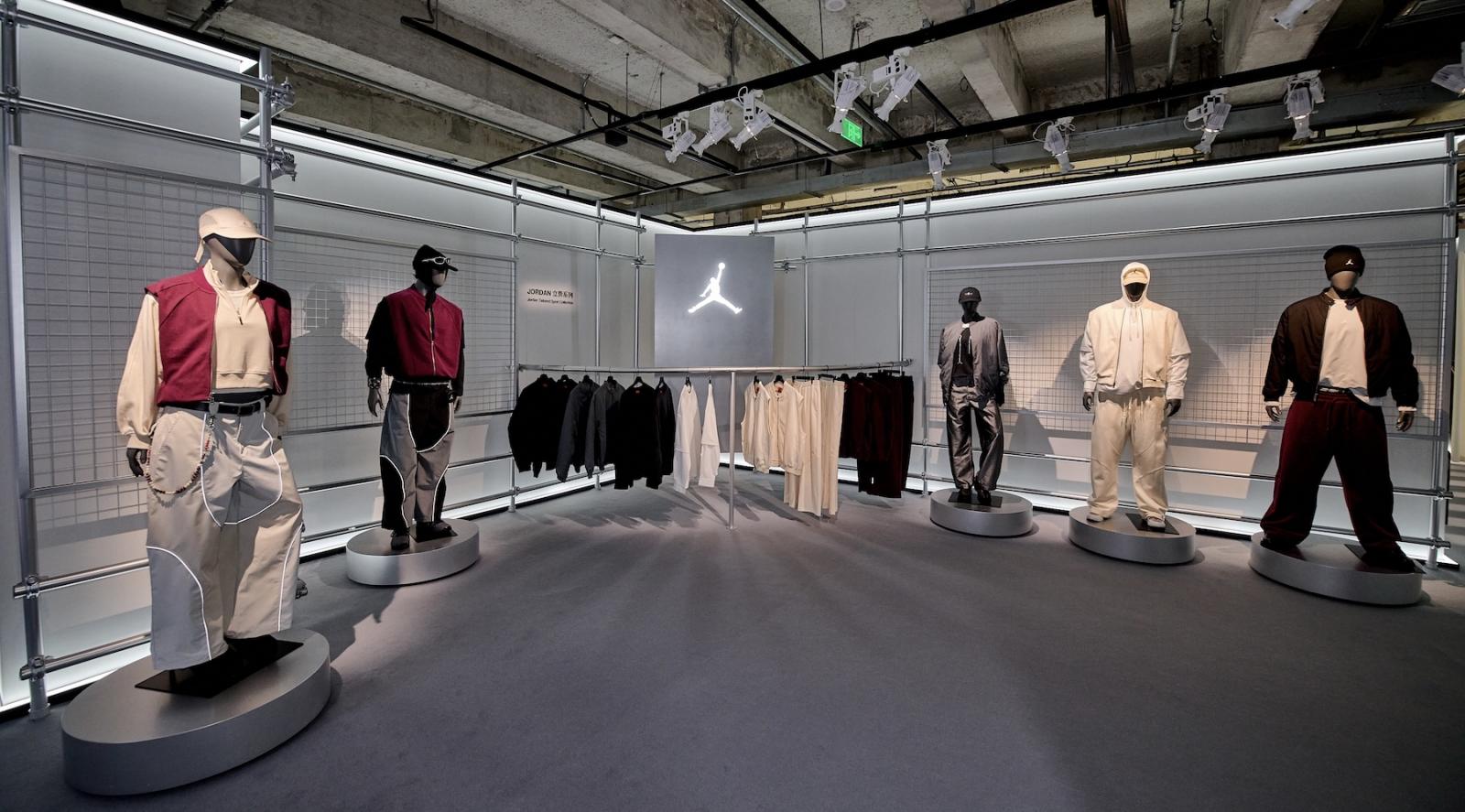
The sportswear giant recently unveiled its new Local Creation Collection, comprising Nike Liuxing and Jordan Lishi. Both were developed specifically for the Chinese market by Nike's newly established local product creation team. According to Nike, the designs are shaped by an understanding of Chinese consumers' needs and lifestyles, incorporating sport, culture and self-expression.
Nike stressed that the starting point was not any single Chinese cultural element, but a deeper understanding of how young Chinese consumers actually live. Judging by reactions on social media, however, many consumers are unconvinced. Some argue that Nike still does not understand China's younger generation. Meanwhile, many have drawn comparisons with Nike's longtime rival Adidas, arguing that the German sportswear brand has done a much better job with its locally designed products.
There is some basis for that comparison. Adidas has been investing in local design for years. It established Creation Center Shanghai back in 2005, and its New Chinese Style Collection, which has gained popularity in China and overseas in recent years, is among the results of that investment.
Today, more than 60% of Adidas products sold in China are designed by local teams. In a recent interview, Adidas CEO Bjørn Gulden also emphasized the autonomy of its China operation, saying the local team can decide which products to develop without seeking approval from higher management.
Other sportswear brands are making similar moves. Fila Fusion, Fila's youth-oriented streetwear line, is primarily designed by local Chinese teams, while Salomon has established a design center in Shanghai and plans to introduce collections developed specifically for China.

For Nike, the timing is particularly challenging. The company has faced persistent criticism over its lack of product innovation in recent years. Its overreliance on classic designs has weakened consumer enthusiasm for new products. Its latest financial results offer little reassurance: revenue in Greater China fell 26% year over year in the first quarter of fiscal 2027, marking the ninth consecutive quarter of declining sales in the region.
Under these circumstances, Nike can hardly afford to delay its transformation. Compared with its competitors, Nike's move into local product creation appears somewhat late. Still, it suggests the company has recognized the importance of developing products that genuinely resonate with Chinese consumers.
Ultimately, consumers care about whether they like the products, not how much effort a brand has put into understanding them. Turning “local design” from a label or concept into products people actually want to buy is where Nike still has considerable ground to make up.
















 Scan this QR Code with WeChat
 WeChat
 Email
 Share
 Favorites