简体中文
简体中文

- FEATURE
- |
- MERGERS & ACQUISITIONS
- |
- FINANCIAL
- |
- MARKETING
- |
- RETAIL
- |
- ESG-SUSTAINABILITY
- |
- LIFESTYLE
- |
-
MORE




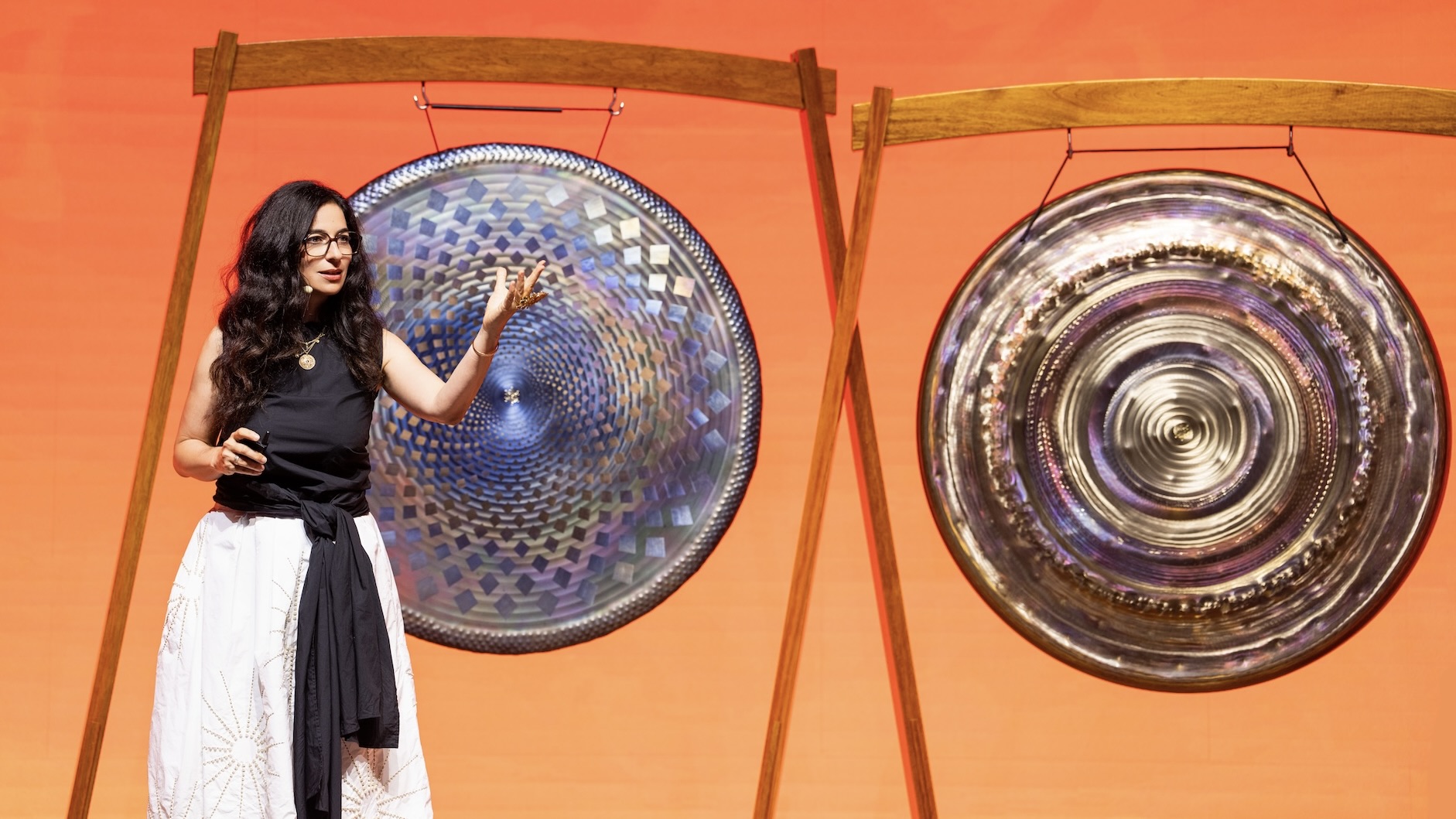
De Beers Group recently unveiled its Desert Diamonds project in Shanghai. The initiative is backed by the company's largest category marketing investment in 15 years, aiming to reframe the appeal of natural diamonds.
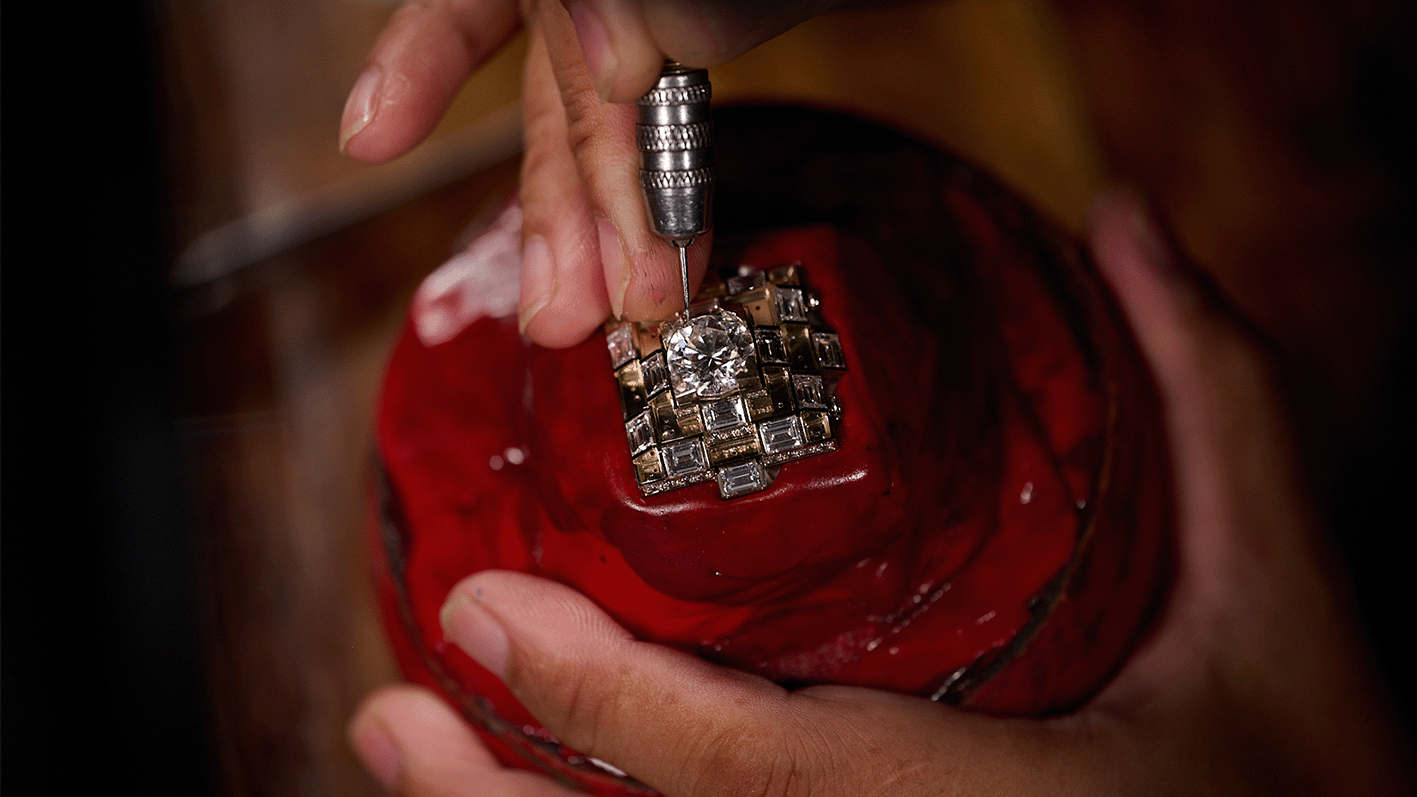
Inspired by desert landscapes, the collection features stones with a natural color gradient ranging from warm white and champagne to amber. The launch event also showcased Desert Diamond pieces created in collaboration with Chinese jewelers Chow Tai Fook, Chow Sang Sang, and Tse Sui Luen Jewellery.
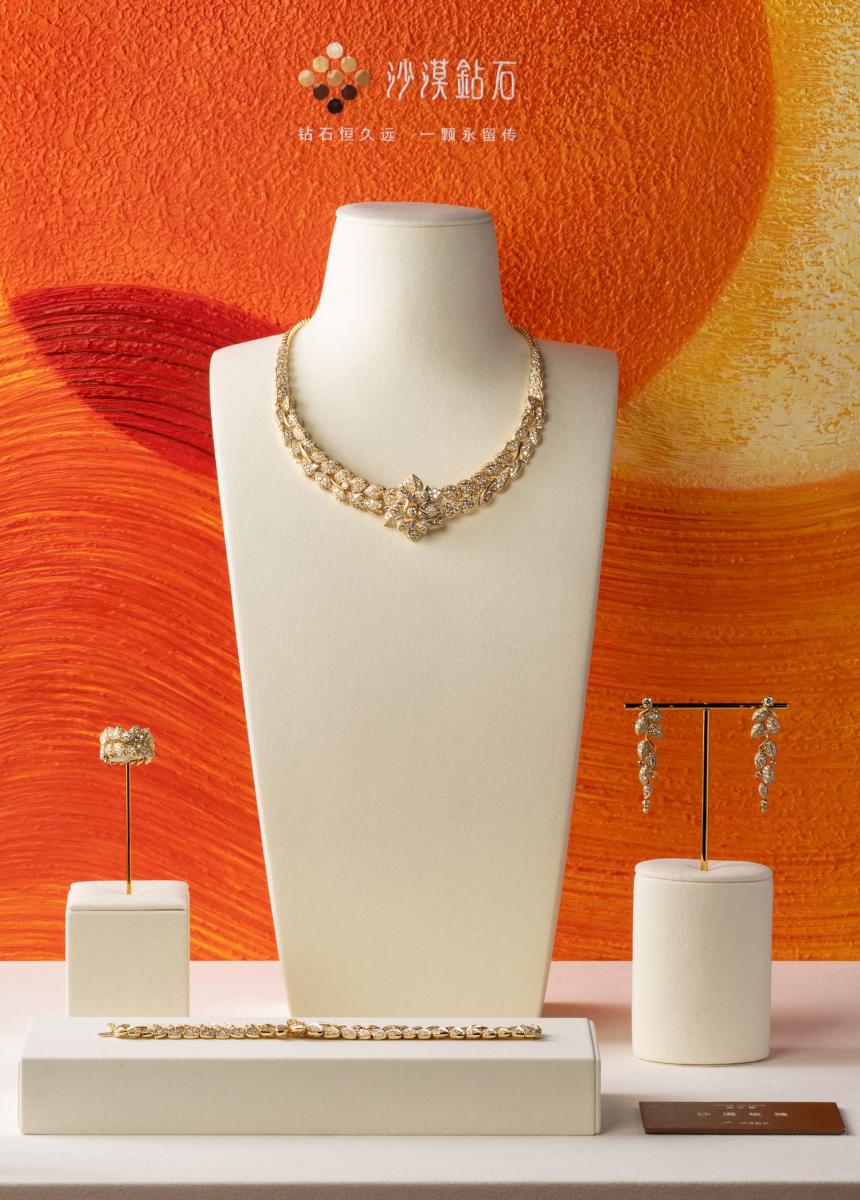
The current slump in the natural diamond market explains De Beers' urgency in introducing a new narrative.
Hit by softening demand and the rise of increasingly affordable lab-grown alternatives, natural diamond prices have fallen, prompting De Beers to cut its prices multiple times.
As consumers grow more accepting of lab-grown diamonds—which are physically and optically identical to mined stones—the traditional scarcity narrative around natural diamonds is losing its grip.
Recent reporting indicates that a 0.3-carat diamond ring originally purchased for over 10,000 yuan ($1,480) currently holds a resale value of just 1,000 to 3,000 yuan ($148 to $444).
In an era where diamonds can be mass-produced, uniqueness may be the only attribute that still commands a premium for natural stones.
Unlike standardized industrial products, the color variations in Desert Diamonds are accidents of nature. De Beers is linking this natural irregularity to the uniqueness of individual life journeys, catering to modern Chinese consumers who increasingly use jewelry for personal expression.
Moreover, China's market for colored stones like Desert Diamonds remains less mature than the white diamond sector. By moving early into this space, De Beers gains greater control over both its brand narrative and pricing strategy.
















 Scan this QR Code with WeChat
 WeChat
 Email
Email Share
Share
 Favorites