简体中文


- FEATURE
- |
- MERGERS & ACQUISITIONS
- |
- FINANCIAL
- |
- MARKETING
- |
- RETAIL
- |
- ESG-SUSTAINABILITY
- |
- LIFESTYLE
- |
-
MORE


This article is part of Inside China Haul, a series exploring what international tourists buy in China, where they shop and why.
International tourists may know more about China's consumer market than you realize.
In looking through China Haul-related TikTok posts, we noticed some less conventional shopping experiences beyond purchases of popular fashion and beauty brands. Some tourists had already bought a considerable number of items on Taobao before arriving in China. Many came to China to shop for South Korean brands, while others brought home perfumes that even Chinese consumers might not be familiar with.
These tourists clearly do not have enough time during their trips to visit every store they are interested in. Nor is everything in China available in physical stores. E-commerce, after all, is where much of China's consumer activity takes place.
From clothing and footwear to electronics and everyday essentials, Taobao's vast selection of affordable, attractive and practical products has motivated these tourists to overcome various barriers and learn how to shop on the platform.

TikTok is full of detailed tutorials on how foreigners can shop on Taobao. No residential address in China? Have the packages delivered to your hotel. No Chinese phone number? Ask if you can use the hotel’s number. Can't read Chinese? Take screenshots and use translation tools. What if your orders haven't arrived by the time you leave? These tourists have already discovered how readily Taobao merchants accept returns. They even know to avoid switching Taobao to its English-language interface, where prices are higher and the selection is more limited.
If you follow South Korean trends, you don't necessarily have to go to Seoul. Shanghai is an option, too.
Beyond Rockfish and Torriden, which made our rankings of the most popular brands, international tourists are also shopping for a host of other South Korean brands in China, including Gentle Monster, Tamburins, Espoir, Boh and Mmlg.
The global influence of South Korean popular culture is undeniable, but the retail expansion of many South Korean brands has not necessarily kept pace. Smaller brands, in particular, may prioritize China in their international expansion without immediately entering a wider range of markets.

The China Haul trend also happens to coincide with a resurgence of South Korean fashion and beauty brands in China.
Over the past year or so, a growing number of South Korean fashion brands, from Emis and Sinoon to Open YY, have opened stores or held pop-ups in Shanghai. In December 2025, South Korean fashion retail platform Musinsa opened its first international multi-brand store on Shanghai's Anfu Road.
K-Beauty is also showing signs of a resurgence. While some established South Korean beauty brands have yet to reverse their weak performance in China, a new generation of K-Beauty brands is leveraging its global popularity to reignite interest among Chinese consumers.
Even if buying these brands in China offers no significant price advantage, the opportunity to discover, experience and shop for all the brands they are interested in during a single trip is appealing enough in itself.
China has more to offer than To Summer. International tourists have already realized this and may even have explored the market more thoroughly than Chinese consumers themselves.
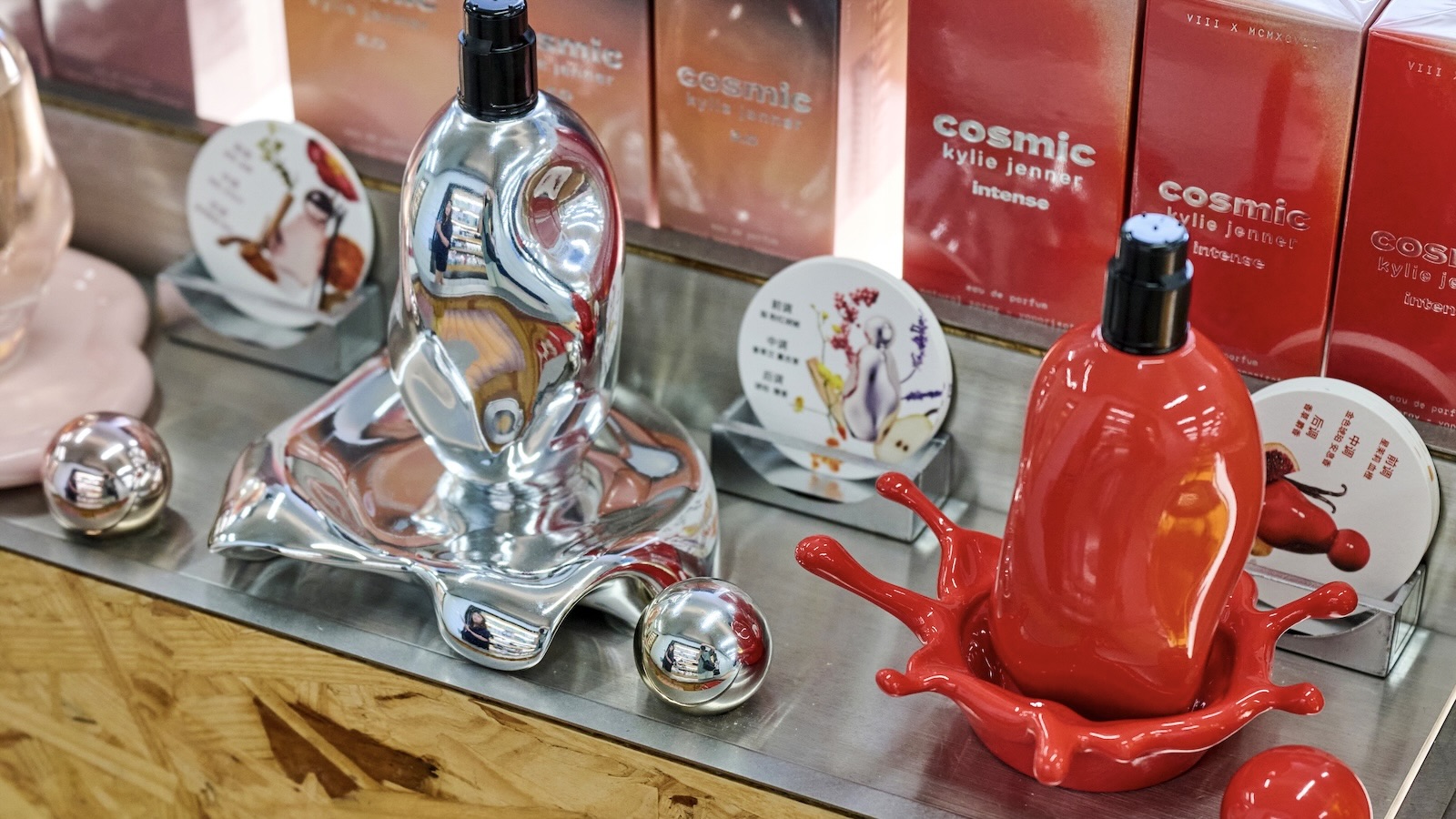
Over the past few years, China's fragrance market has indeed seen unprecedented opportunities for growth, with new brands emerging one after another. Yet only a handful have gained meaningful recognition. So how have homegrown fragrance brands such as Fragrance Diary, Less By Less, Risocial and Wooowin, names that even Chinese consumers may not recognize, ended up in China Haul posts?

One possibility is that these tourists did their research beforehand. Clearly, international visitors have already started shopping like locals.
Another possibility is that they stumbled upon these brands while visiting popular destinations. Je Sens’ Shanghai store, for example, is located in HAI550, where the viral sheep matcha is served on the floor below.
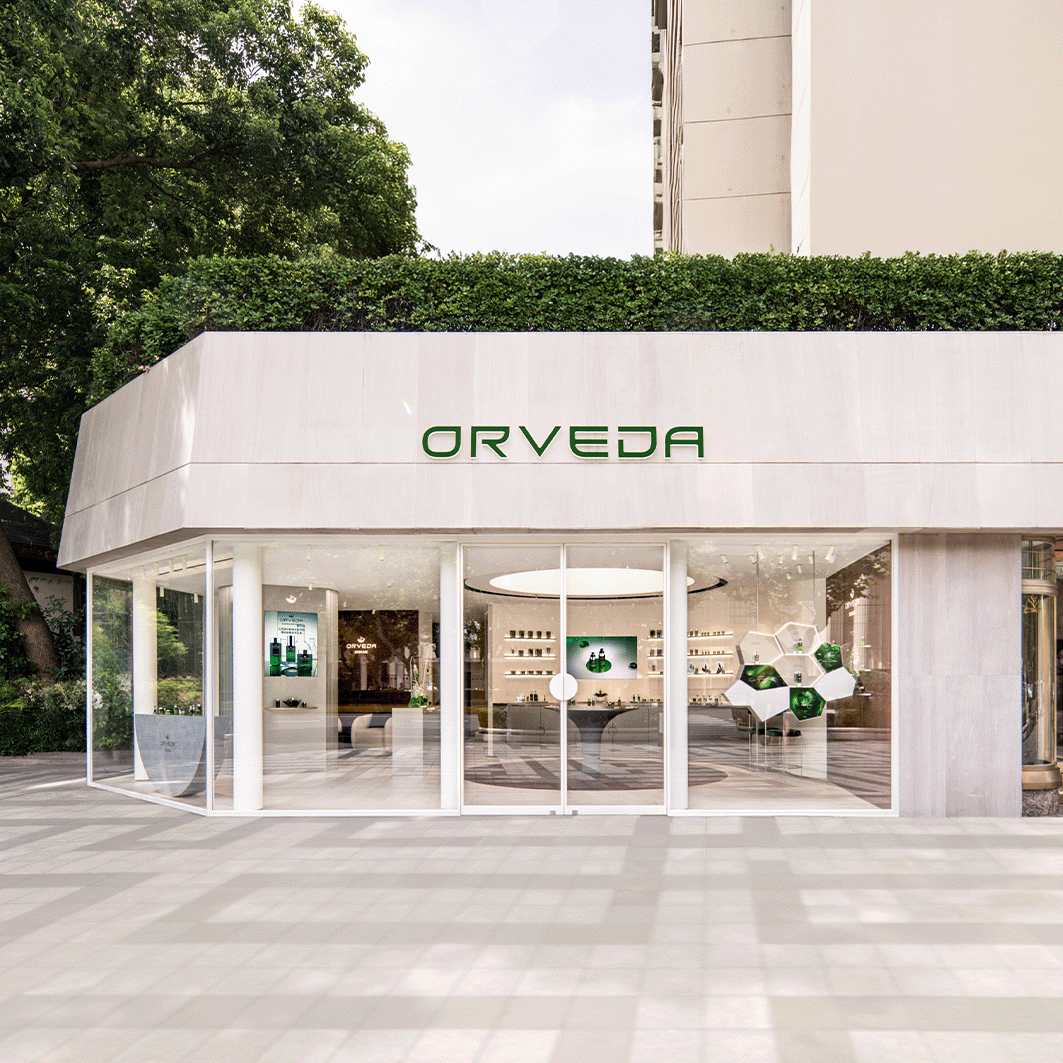
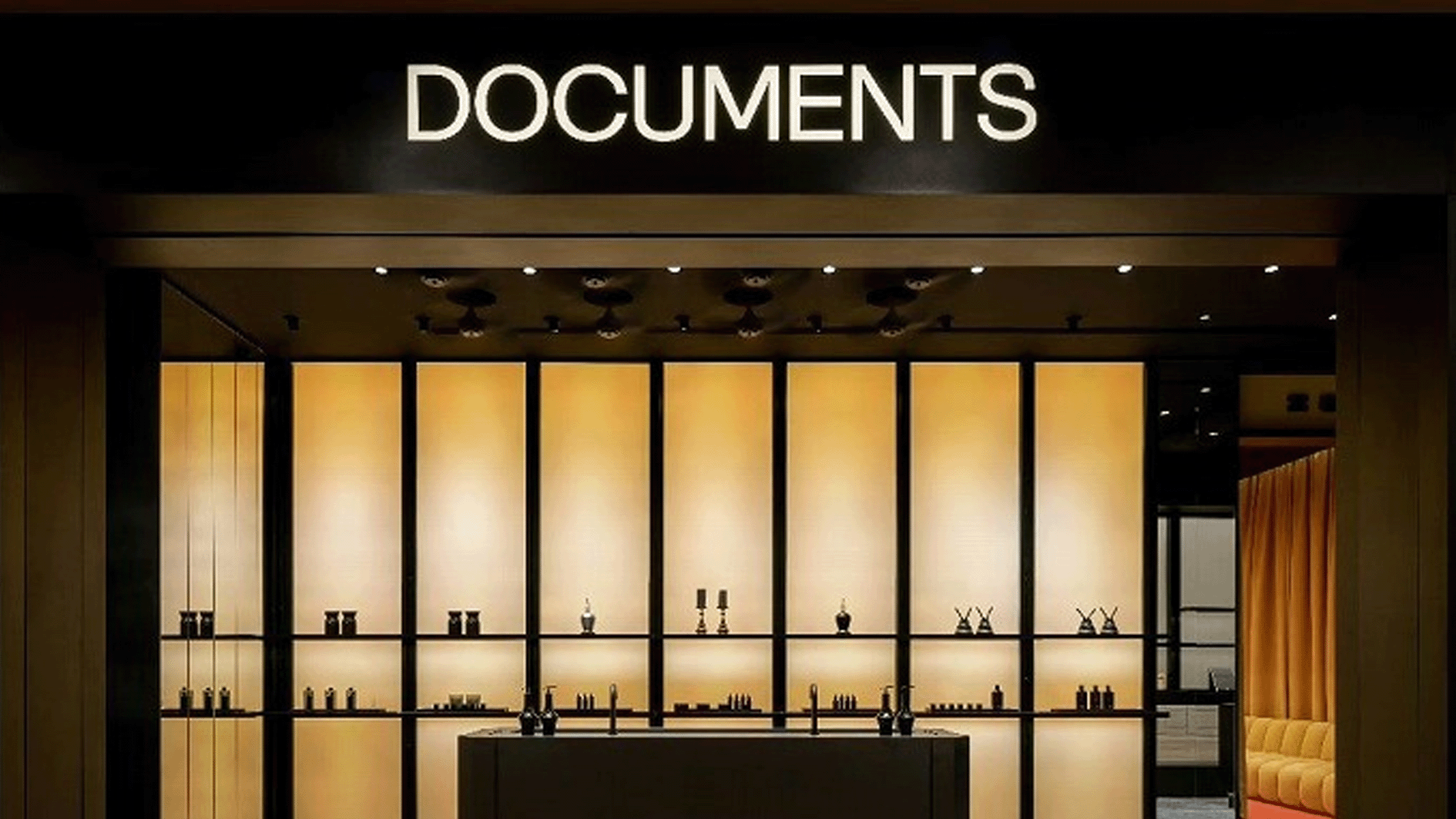
An attractively designed store can also easily draw tourists in without any deliberate promotion, and most Chinese fragrance brands happen to place considerable emphasis on retail design. Even brands without standalone stores can be discovered at the stylish, thoughtfully curated multi-brand fragrance retailers that cities like Shanghai have no shortage of.
Moreover, these international tourists may not be seeking out particular brands at all, but rather distinctive fragrance notes with an exotic appeal. Tea and osmanthus are the notes that appear most frequently in their fragrance-related posts. Brands known for their tea fragrances, such as Chasense and Black Paw, are also popular among these tourists.
More in This Series
The Most Popular Fashion Brand Isn’t Songmont
To Summer Overtakes Flower Knows as the Most Popular Beauty Brand









 Scan this QR Code with WeChat
 WeChat
 Email
 Share
 Favorites