简体中文
简体中文

- FEATURE
- |
- MERGERS & ACQUISITIONS
- |
- FINANCIAL
- |
- MARKETING
- |
- RETAIL
- |
- ESG-SUSTAINABILITY
- |
- LIFESTYLE
- |
-
MORE



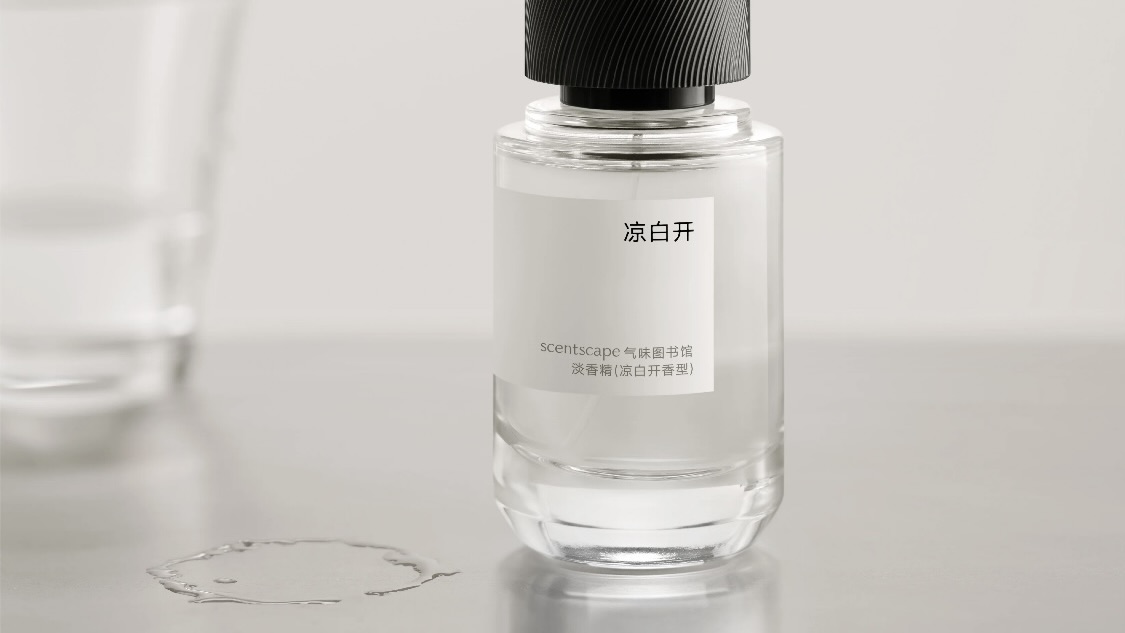
When Scent Library returned to the public eye after a period of relative silence, some of its loyal customers were put off by a sharp increase in prices.
Recently, Chinese fragrance brand Scent Library rebranded itself as Scentscape, unveiling a new logo, brand identity, and an updated product line. Before consumers had much time to celebrate the possible return of discontinued fragrances, they quickly noticed that the perfumes had become more expensive.
An eau de toilette that once sold for 285 yuan for 50ml is now priced at 465 yuan, while the eau de parfum version costs 565 yuan (11.3 yuan per ml). By comparison, another Chinese fragrance brand, To Summer’s Eastern Essence EDP collection is currently priced at 498 yuan for 30ml (16.6 yuan per ml). Scentscape, once positioned as an affordable fragrance brand, is now approaching the price range of the more premium-positioned To Summer.
Founded in 2009, Scentscape initially distributed overseas fragrance brands before shifting its focus to its own label. In 2017, it launched its breakout L.B.K. Water (Cool Boiled Water) fragrance. By tapping into Chinese consumers’ collective memories of everyday life, the scent drove a surge in sales and helped establish Scentscape’s competitive edge as a local fragrance brand. In 2019, the company also secured an exclusive investment from Puig.
Scentscape emerged at a time when China’s fragrance market was still relatively underdeveloped. The question it faced then was: why should Chinese consumers buy a domestic fragrance? A scent that was fresh and playful, emotionally resonant and accessible in price offered a compelling answer. But 17 years later, China’s fragrance industry has changed dramatically.
Under one of Scentscape’s social media posts, a user asked why the brand was getting more and more expensive. Another replied: “Documents gave Chinese fragrance brands the courage.”
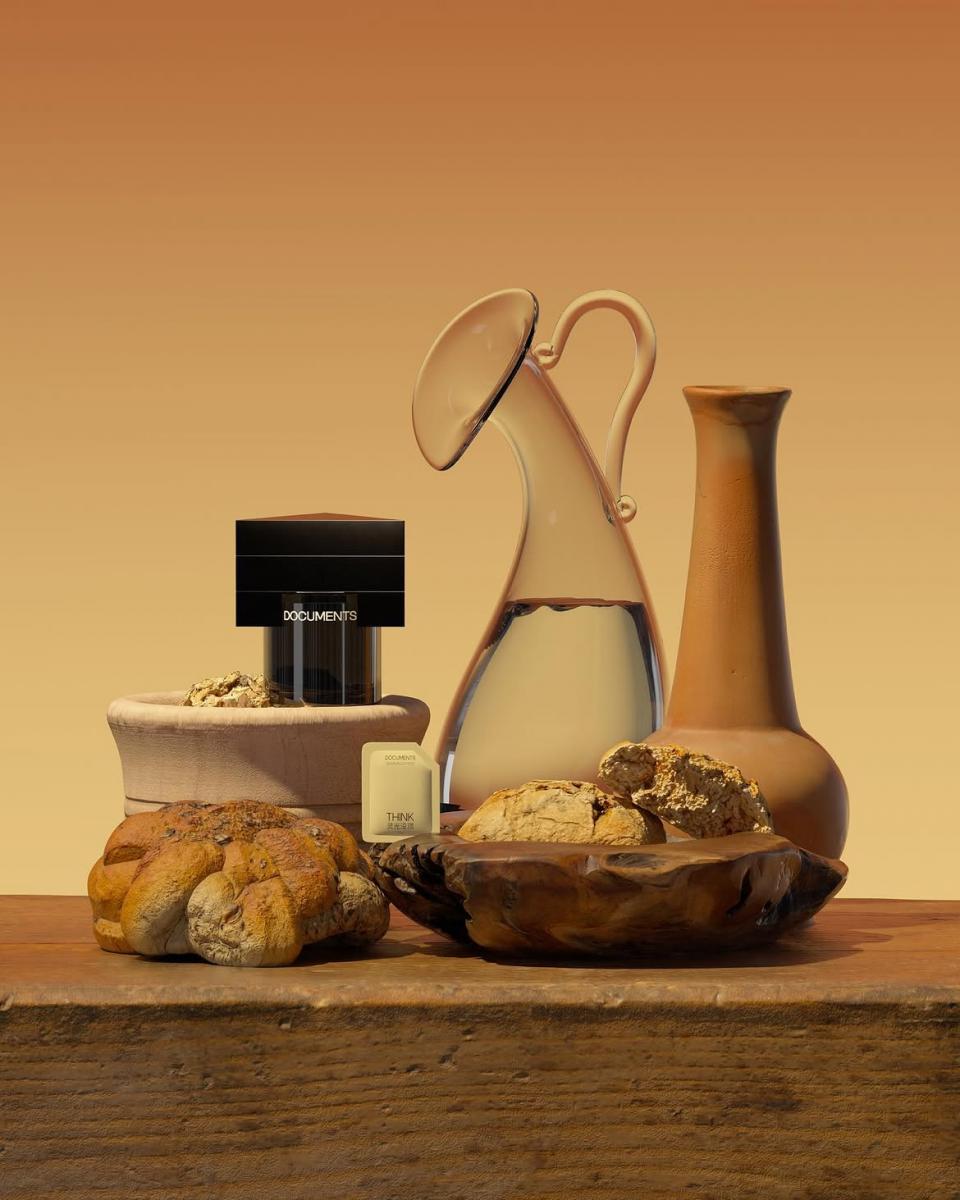
The emergence of Documents can be seen as a turning point for China’s fragrance industry. In 2021, Documents opened its first store on Middle Huaihai Road in Shanghai, while launching its parfum collection at 850 yuan for 30ml — roughly on par with Chanel No. 5. Before that, most Chinese fragrance brands had remained in the mid- to lower-priced segments.
Despite the controversy it has faced, Documents demonstrated that a Chinese brand could operate in the premium fragrance market. By the end of 2021, Melt Season, which also targeted the premium price segment, launched its first fragrance. To Summer followed with an extrait de parfum collection in 2023.
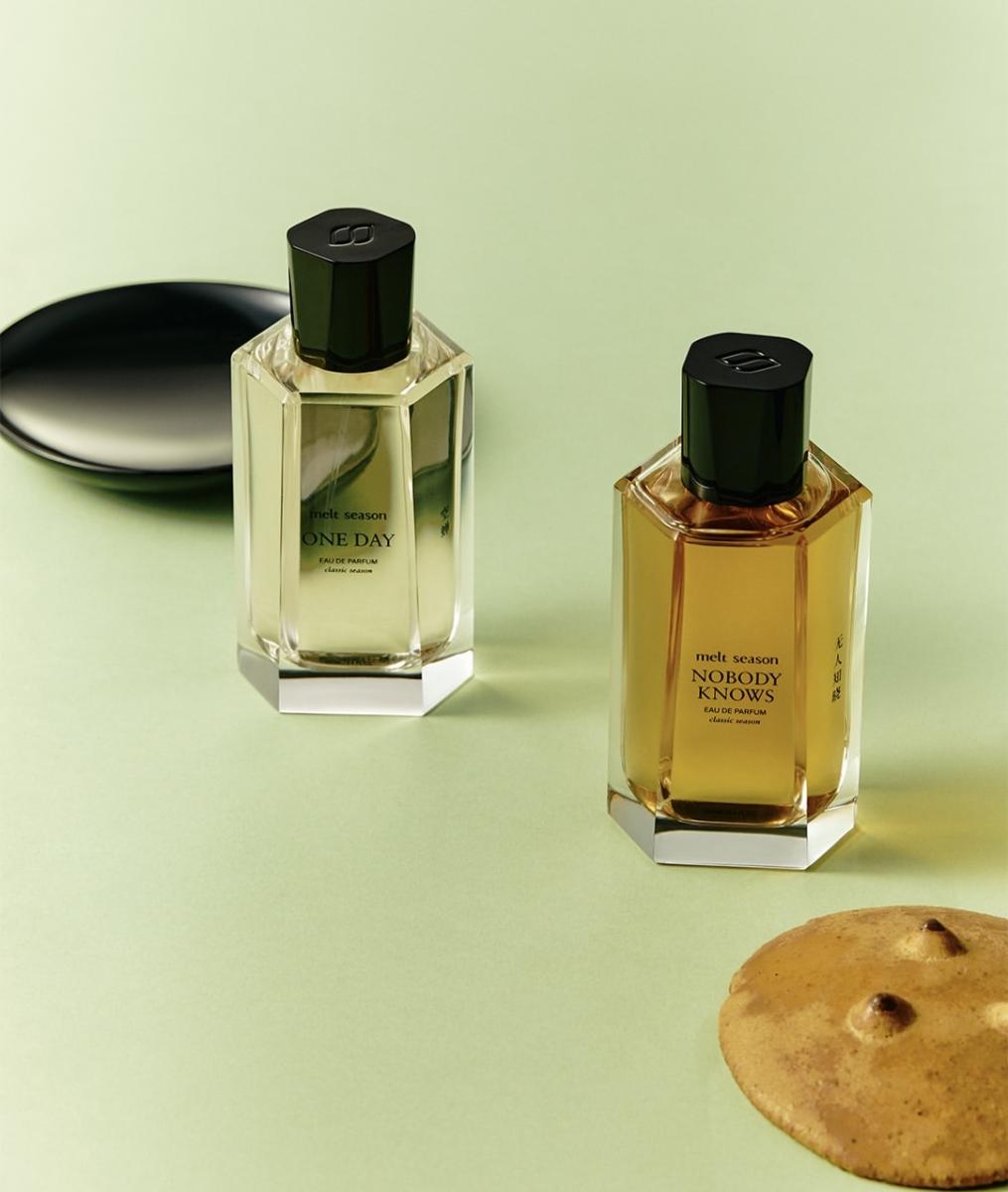
For Scentscape, failing to upgrade its brand now may be the greater risk. The market for brands “making fragrances for Chinese consumers” has become increasingly crowded. And as Chinese consumers become willing to pay for more sophisticated olfactory creations, cultural narratives and offline experiences, novelty alone is no longer enough.
But can Scentscape’s upgrade justify a 180 yuan price increase?
Responding to consumers’ questions about pricing, the brand wrote in the comments: “In the past, cost and budget constraints meant that many distinctive ingredients that could create a richer experience could not be used in our products. With this upgrade, we finally have the opportunity to incorporate them. The fragrances now last longer and have greater depth.”
Its e-commerce pages also show that the new formulas contain a higher concentration of fragrance oils than the previous versions, with more complex scent profiles. Each fragrance is also created by perfumers from companies including Firmenich and Symrise.
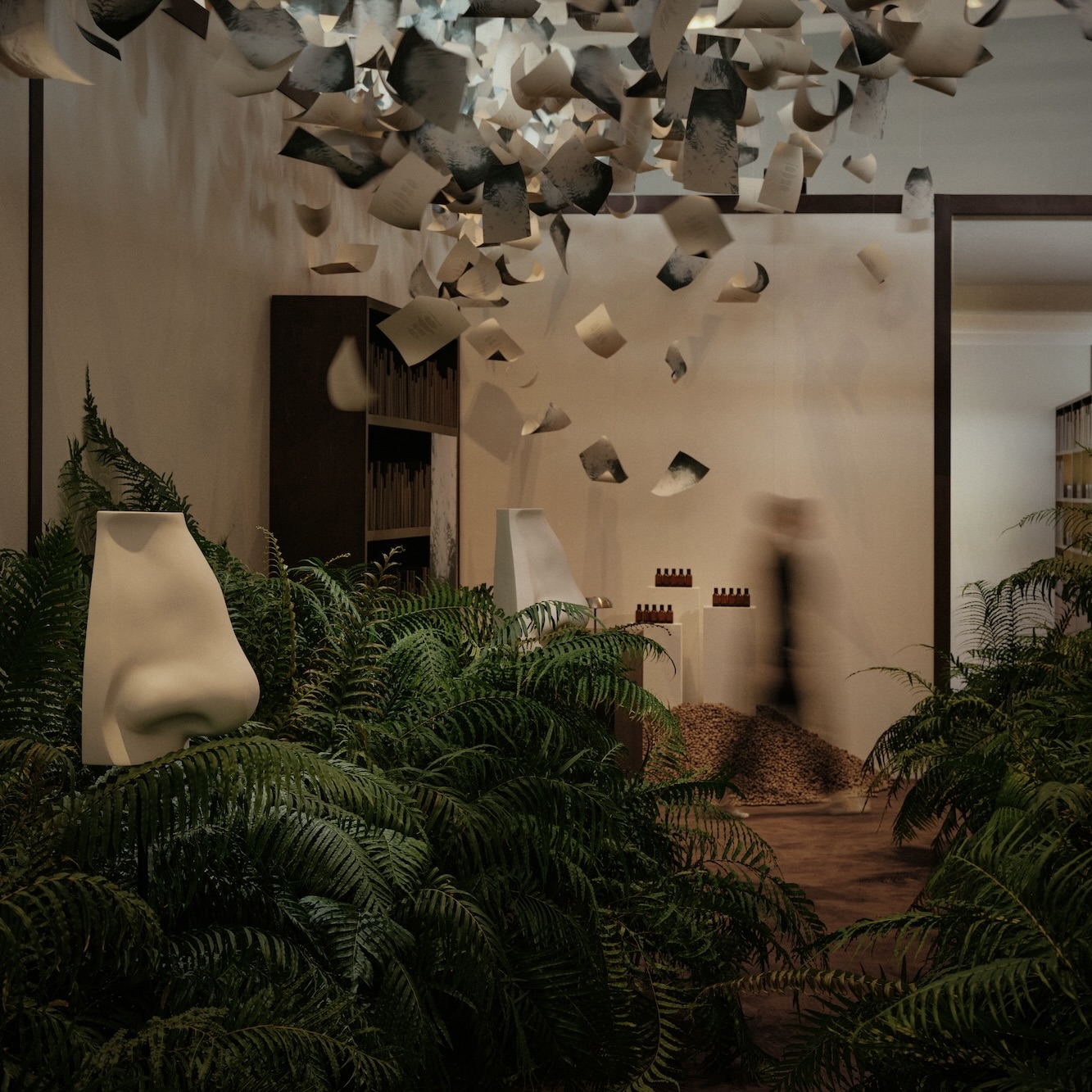
Meanwhile, the new visual language, product packaging and new store in Beijing’s 798 Art District all point toward the positioning of a more premium fragrance brand.
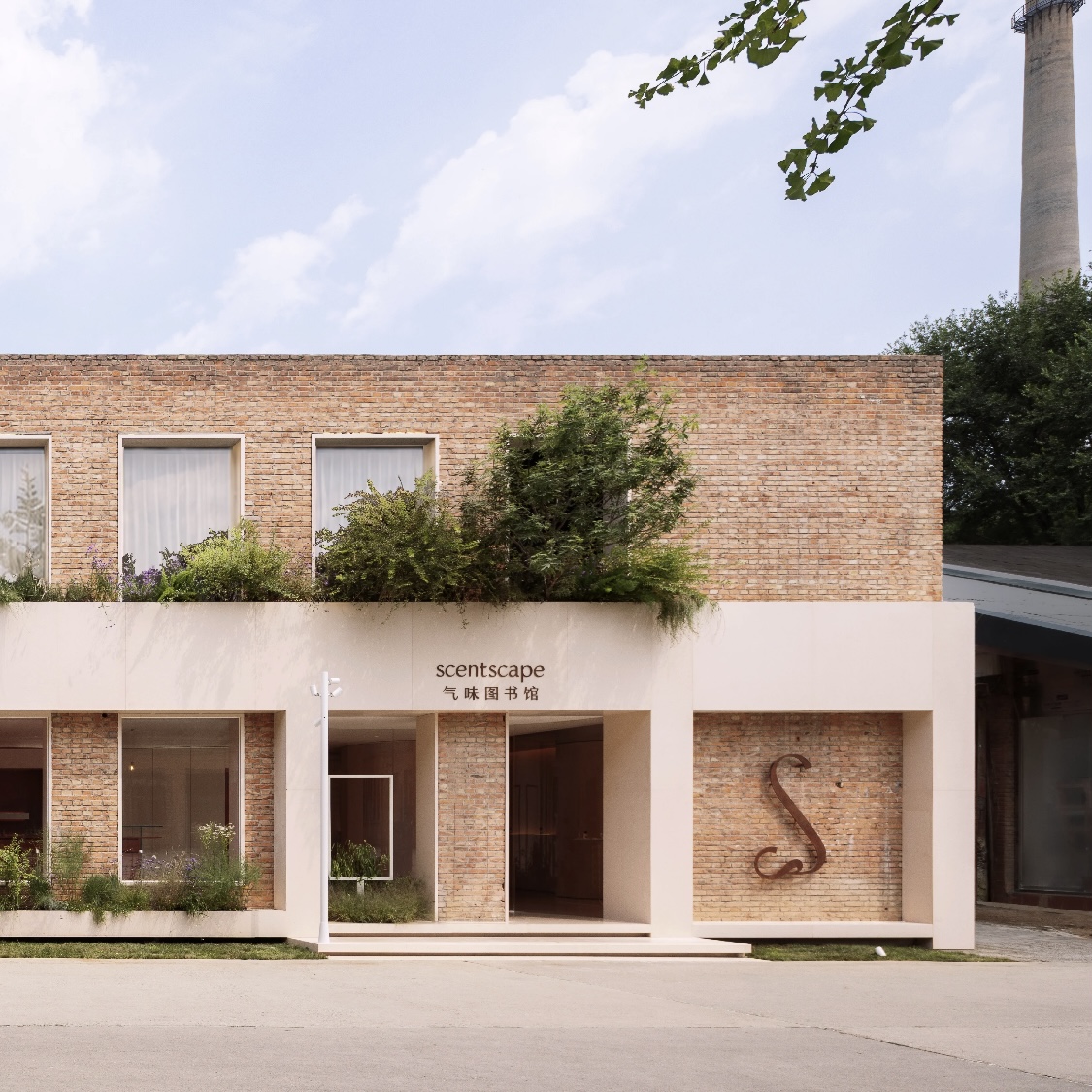
Whether consumers will accept the change, however, remains a challenge for Scentscape. 465 yuan is hardly an outrageous price in today’s market. But Chinese consumers’ willingness to pay more for domestic fragrances now comes with a condition: the products have to meet increasingly demanding expectations.
For Scentscape, which built its market recognition around affordability, making that leap may prove difficult.














 Scan this QR Code with WeChat
 WeChat
 Email
Email Share
Share
 Favorites