简体中文
简体中文

- FEATURE
- |
- MERGERS & ACQUISITIONS
- |
- FINANCIAL
- |
- MARKETING
- |
- RETAIL
- |
- ESG-SUSTAINABILITY
- |
- LIFESTYLE
- |
-
MORE




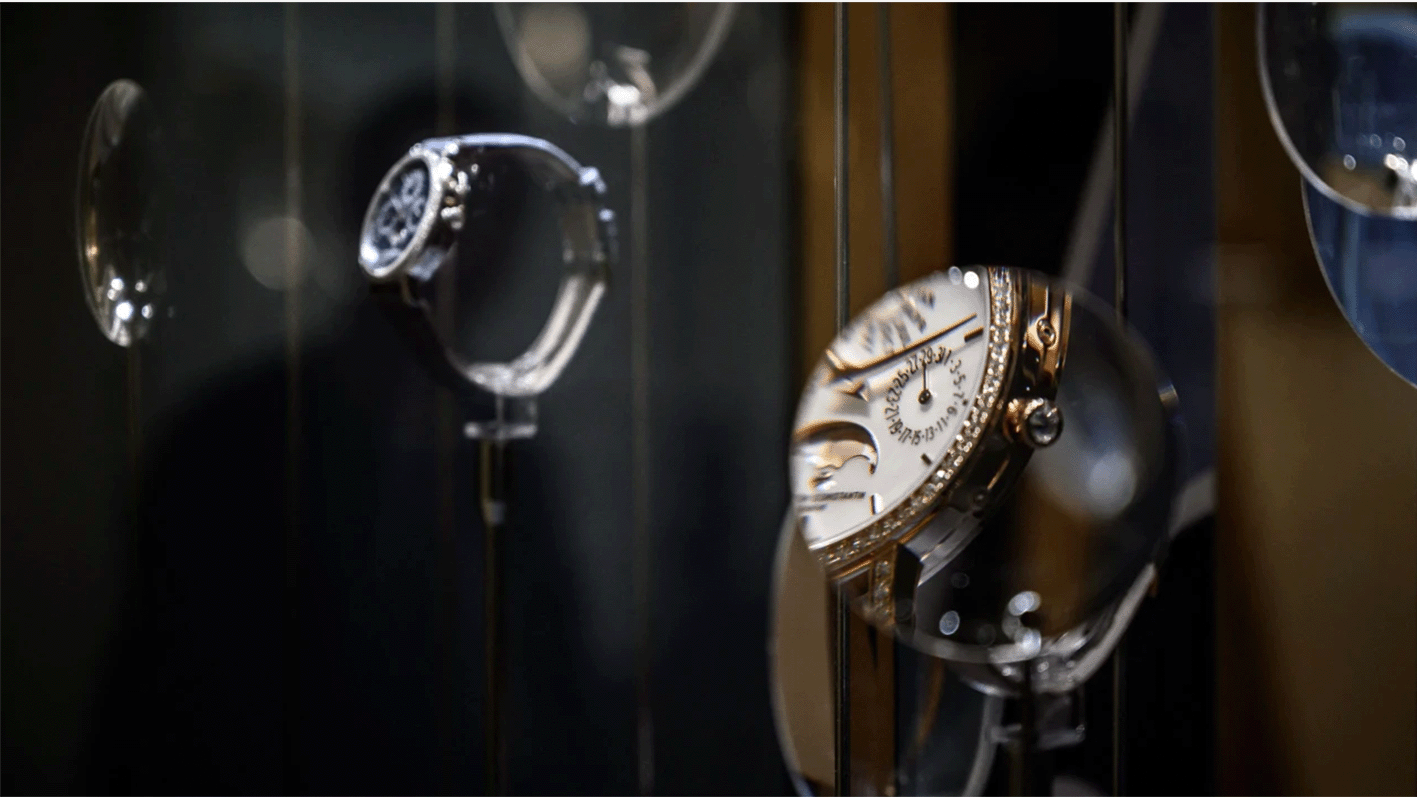
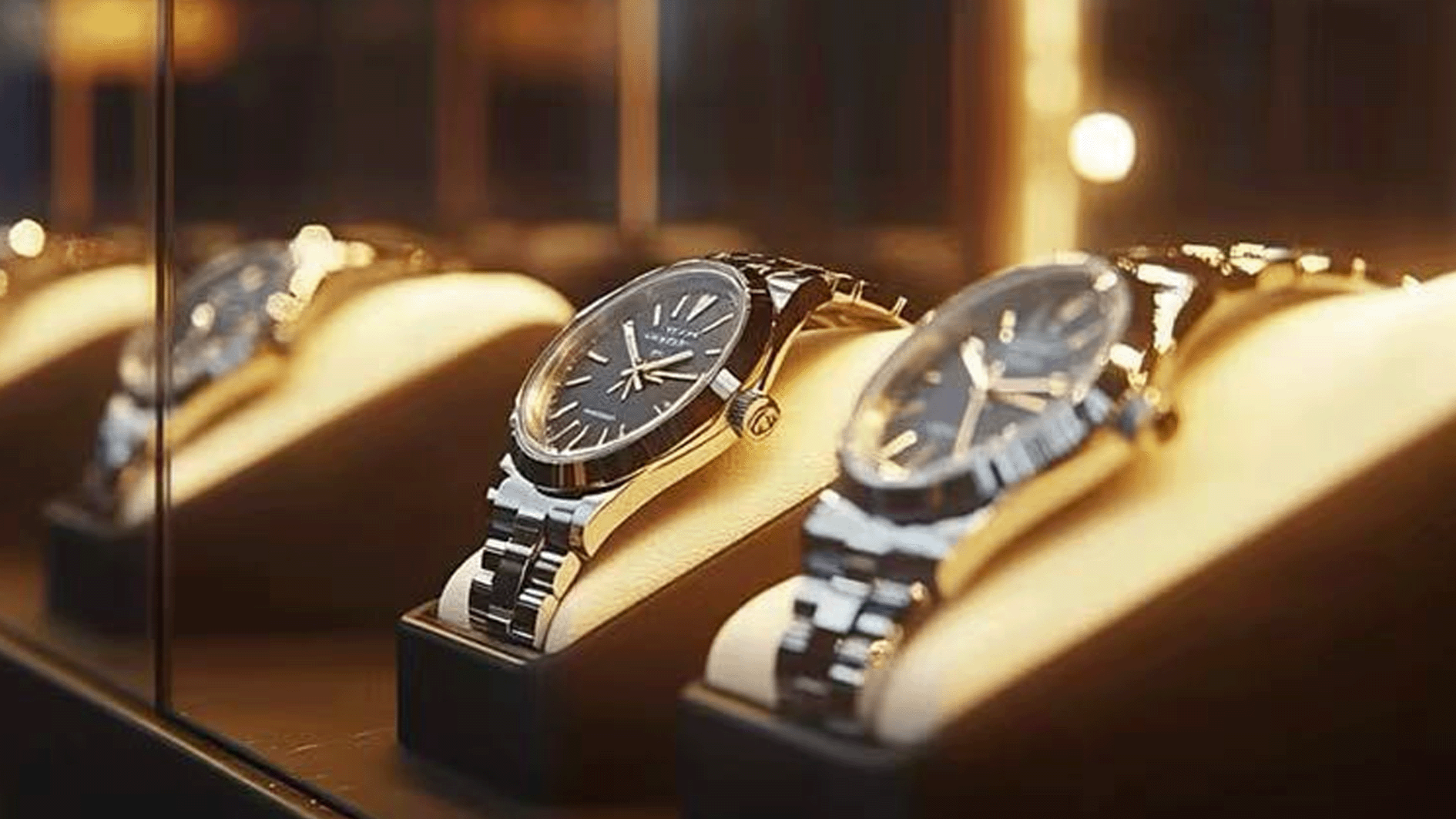
Earnings reports from the world’s top luxury players often act as industry barometers. Richemont’s recently released full-year results—late, and unsurprisingly underwhelming—offered little in the way of optimism for China’s faltering hard luxury sector.
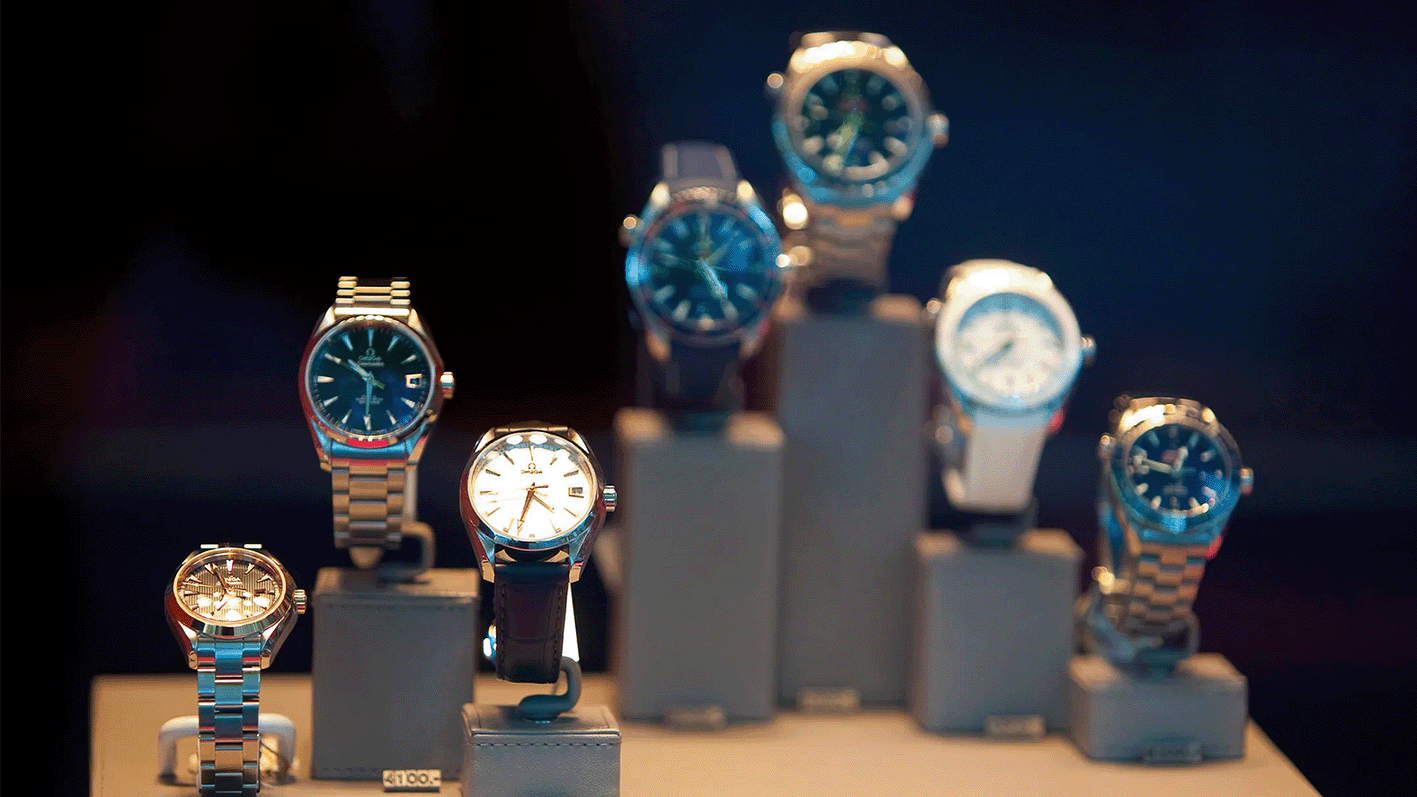
While local e-commerce festivals like “520” and global events like Mother’s Day were in full swing—and the earliest “618” pre-sale had already begun—hard luxury felt absent from the conversation. Beauty and sportswear reigned supreme. Watches and jewelry, by contrast, quietly watched from the sidelines.
Richemont’s results reaffirmed what most already suspected: watches aren’t selling, Chinese demand is soft, and global jewelry sales—along with resilience in Western markets—are keeping the business afloat.
The topline numbers looked steady: a 4% increase in sales to €21.4 billion, and net profit up 17%. But operating profit dipped 1%, and margins shrank.
The group’s jewelry division—Cartier, Van Cleef & Arpels—remains its crown jewel. Watch brands like IWC and Panerai, however, underperformed. Asia-Pacific revenue tumbled 13%, driven by a 23% drop in China. Other markets—Japan, Europe, the Americas—fared much better.
Is China’s market really in free fall? Not exactly.
Laopu Gold, a domestic jewelry brand with no international footprint, posted a 250% profit jump in 2024. Its per-store revenue now rivals Hermès. Chinese consumers haven’t abandoned luxury—they’ve just shifted their focus to brands they feel closer to, faster than anyone anticipated.
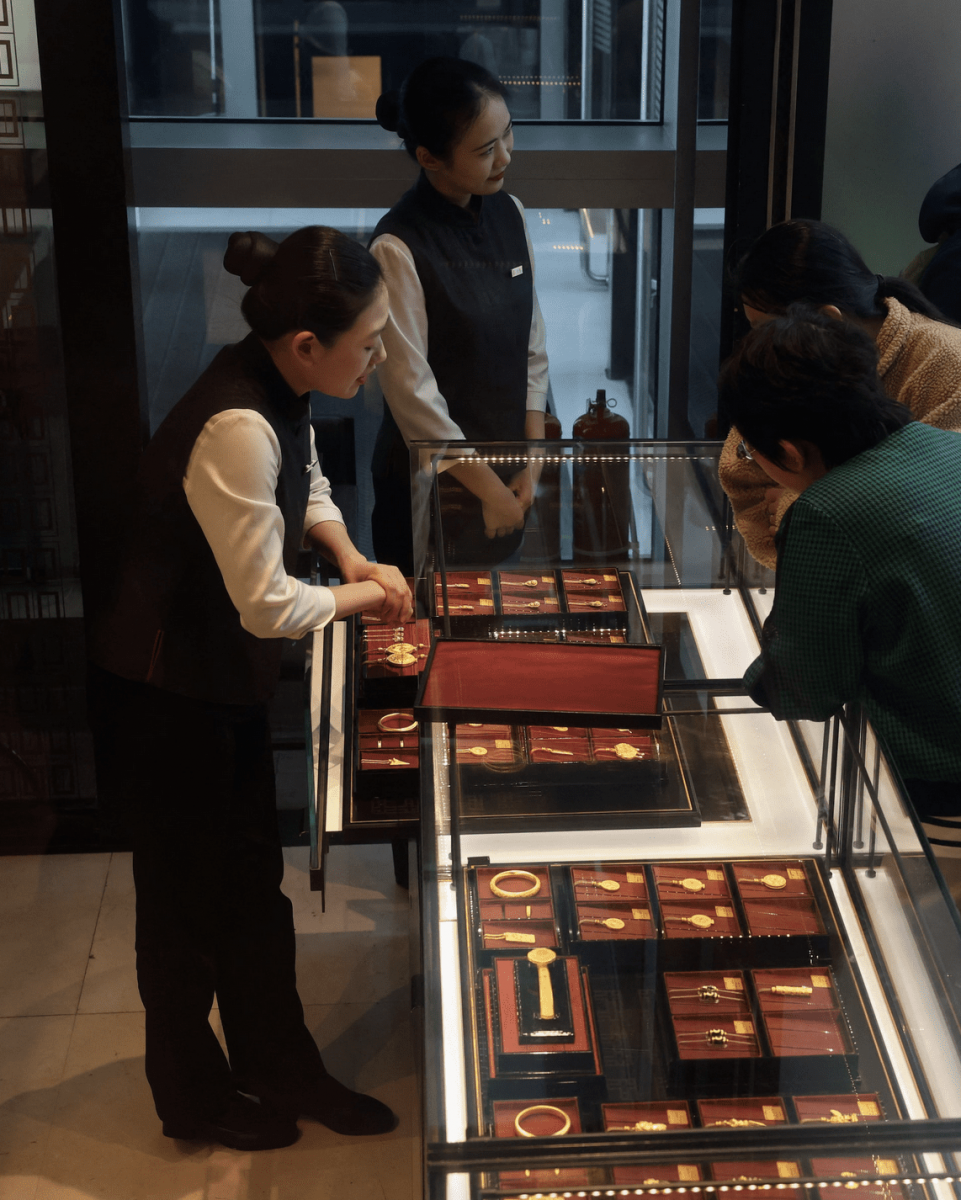
International groups can’t simply replicate this success. But Cartier shows how a luxury brand can stay relevant across categories and price points. It’s not just about movement precision anymore—it’s about emotion, aesthetics, and lifestyle appeal.
Cartier isn’t Rolex, and that’s the point. While Rolex leans on heritage and status, Cartier has built its watch business around design and storytelling. This difference allows both brands to thrive.
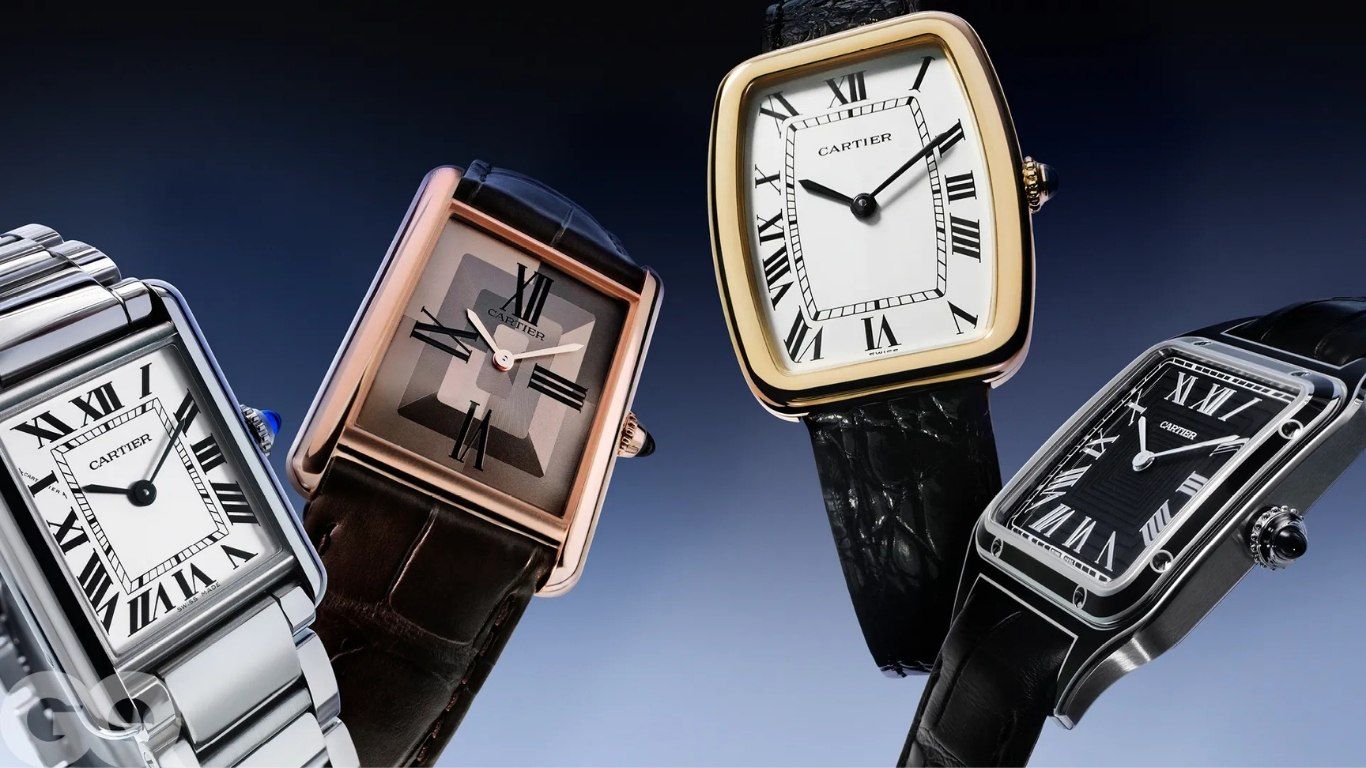
Even so, Cartier isn’t immune. Domestic competitors like Laopu Gold are encroaching on their turf. And within luxury groups, jewelry is clearly eating into watch budgets.
LVMH, Kering, Hermès—they’re all seeing the same trend: jewelry up, watches down.
There are reasons for this. Overproduction and market saturation. Functional redundancy thanks to smartphones. A lack of emotional payoff compared to a sparkling necklace. Even global trade tensions and currency shifts are hurting Swiss watch exports.
In such an environment, bold moves—not business-as-usual—will separate the survivors from the rest.
Those who adapt now could become the next case study in how to manage luxury through crisis.













 Scan this QR Code with WeChat
 WeChat
 Email
Email Share
Share
 Favorites