简体中文
简体中文

- FEATURE
- |
- MERGERS & ACQUISITIONS
- |
- FINANCIAL
- |
- MARKETING
- |
- RETAIL
- |
- ESG-SUSTAINABILITY
- |
- LIFESTYLE
- |
-
MORE




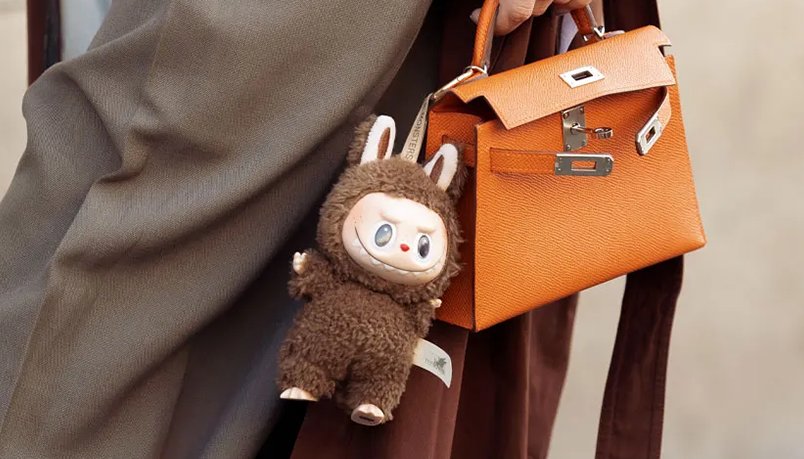
After Laopu, a second name from China is challenging the world’s biggest luxury houses—Labubu, the plush-faced character from Pop Mart, and the cultural storm it’s unleashed.
Once a niche collectible in China’s booming designer toy market, Labubu has now infiltrated the spaces luxury brands have long vied for—celebrity spotlights, viral street-style photos, front-page headlines, and the precious wallets of Gen Z consumers. Its unexpected rise forces fashion’s elite to confront a difficult truth: they’ve been beaten at their own game—by a toy they didn’t see coming.
Labubu has been around since 2019, tucked away in Pop Mart’s line-up of blind-box characters. It had a loyal fan base, but never truly broke through. That changed when K-pop superstar Lisa clipped a fuzzy Labubu to her Hermès Constance Mini. The internet noticed. So did Rosé, Thai royalty, Rihanna, and Beckham—sparking a global chain reaction.
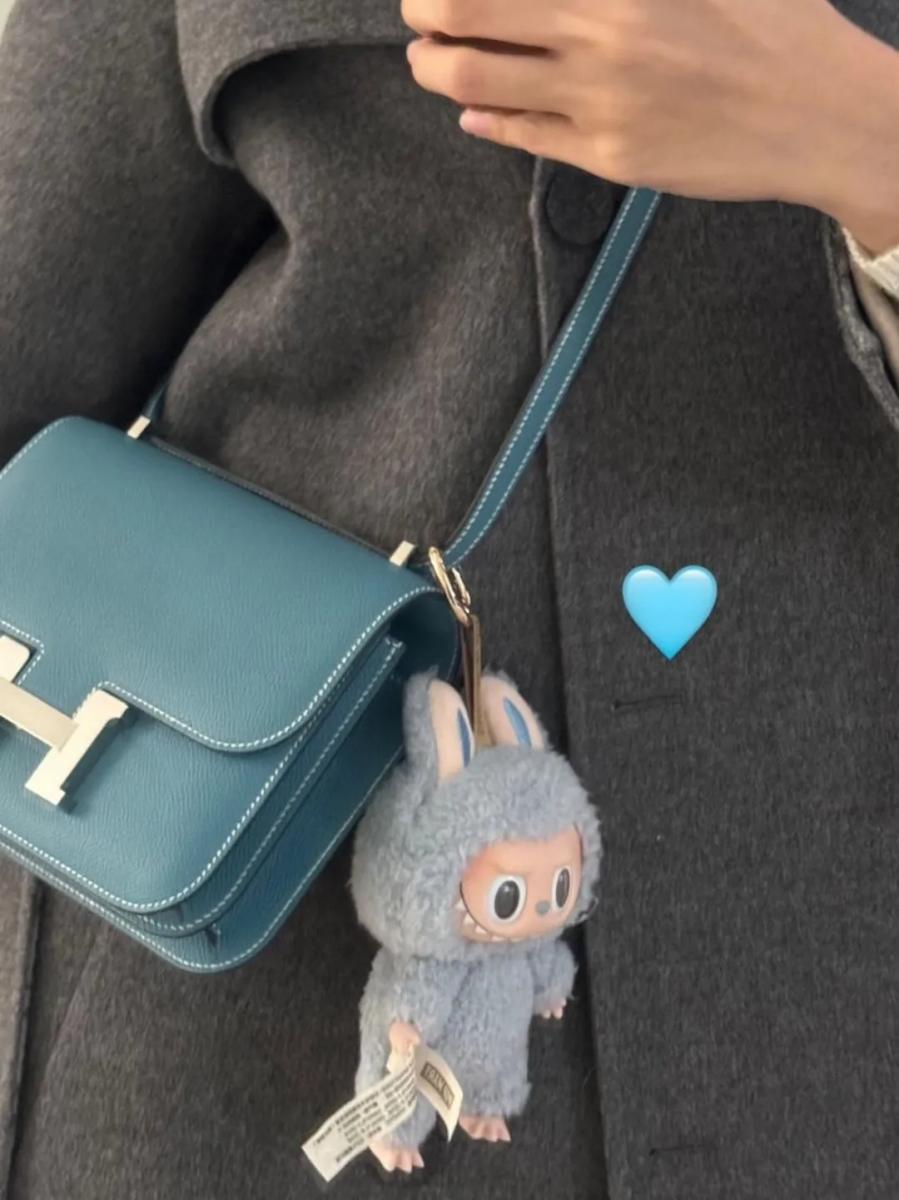
Suddenly, a 99 RMB ($14) keychain looked right at home beside a $10,000 handbag. Its mischievous grin and shaggy body clashed with Hermès’ polished perfection—but the contrast worked. Like prosciutto wrapped around melon, it felt oddly balanced. The image didn’t parody luxury—it refreshed it.
That moment redefined Labubu, not as a toy, but as a fashion accessory—one with emotional power that traditional luxury, with its obsession over legacy and authorship, often lacks.
Fashion has spent years trying to engineer emotional resonance. Labubu achieved it accidentally.
Phase one was simple: “I want one.” But what extended its lifespan into 2024 and beyond was phase two: “I want to make one mine.” From Lisa’s social posts to custom “Labubu outfits” online, fans began personalizing the figure. DIY trends exploded—doll clothes, reshaped silhouettes, even fashion homages. Around Labubu, a content ecosystem bloomed: high-frequency, low-effort, deeply emotional, and entirely user-generated.
And that’s the point: Pop Mart didn’t over-engineer this success. It offered limited editions and collaborations, but the movement grew beyond corporate control. Labubu thrived because it allowed fans to take ownership. What luxury brands might call “off-brand,” consumers saw as freedom—and joy.
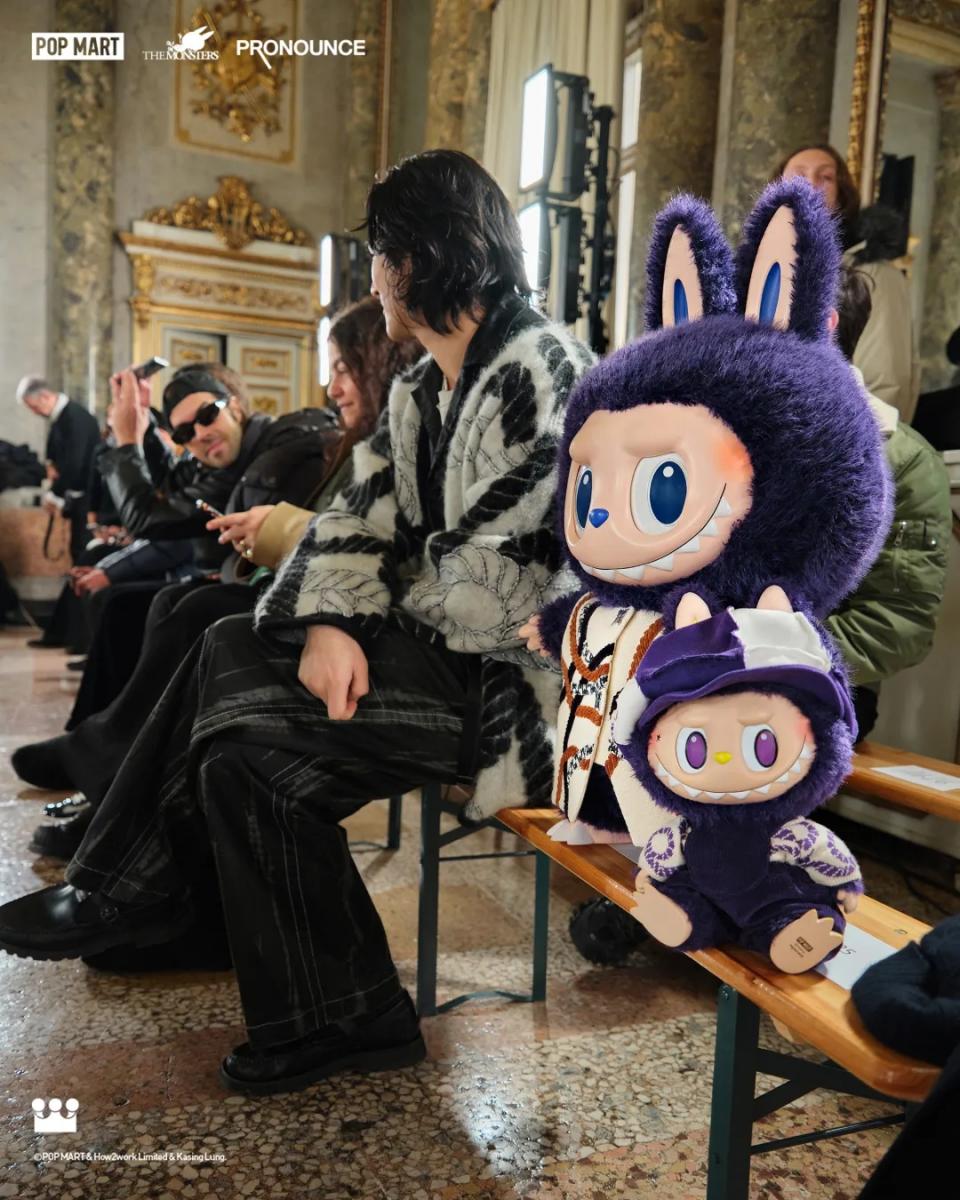
Ironically, Pop Mart itself was slow to seize Labubu’s fashion potential. Collaborations with brands like Vans and UNIQLO stayed in the mass market lane. A more directional partnership with PRONOUNCE appeared at Milan Fashion Week, but fizzled.
Even Pop Mart’s entry into jewelry this year, via its new line POPOP and Shanghai pop-ups, leaned more fan-focused than fashion-forward. The Labubu keychain that started it all? It wasn’t even central to Pop Mart’s revenue plan. And yet, in 2024, the plush category it belongs to surged by 1289% to generate 2.83 billion RMB, about 22% of total revenue—still less than half of its figurines.
This accidental virality gave Labubu something luxury products often lose in development: expressive elasticity. It hasn’t been over-branded. It hasn’t been drained of meaning by over-marketing. And it hasn’t been consumed and discarded at luxury’s usual pace.
Labubu’s moment is part of a wider revival in “accessories for accessories.” On resale sites and fashion platforms, bag charms are hot again. In Q4 2024, Coach’s Brooklyn bag and cherry-shaped charm trended globally. On Lyst, searches for bag charms rose 77% year-on-year. Coach climbed ten spots to become the fifth-hottest brand, driven in part by this pint-sized visual delight.
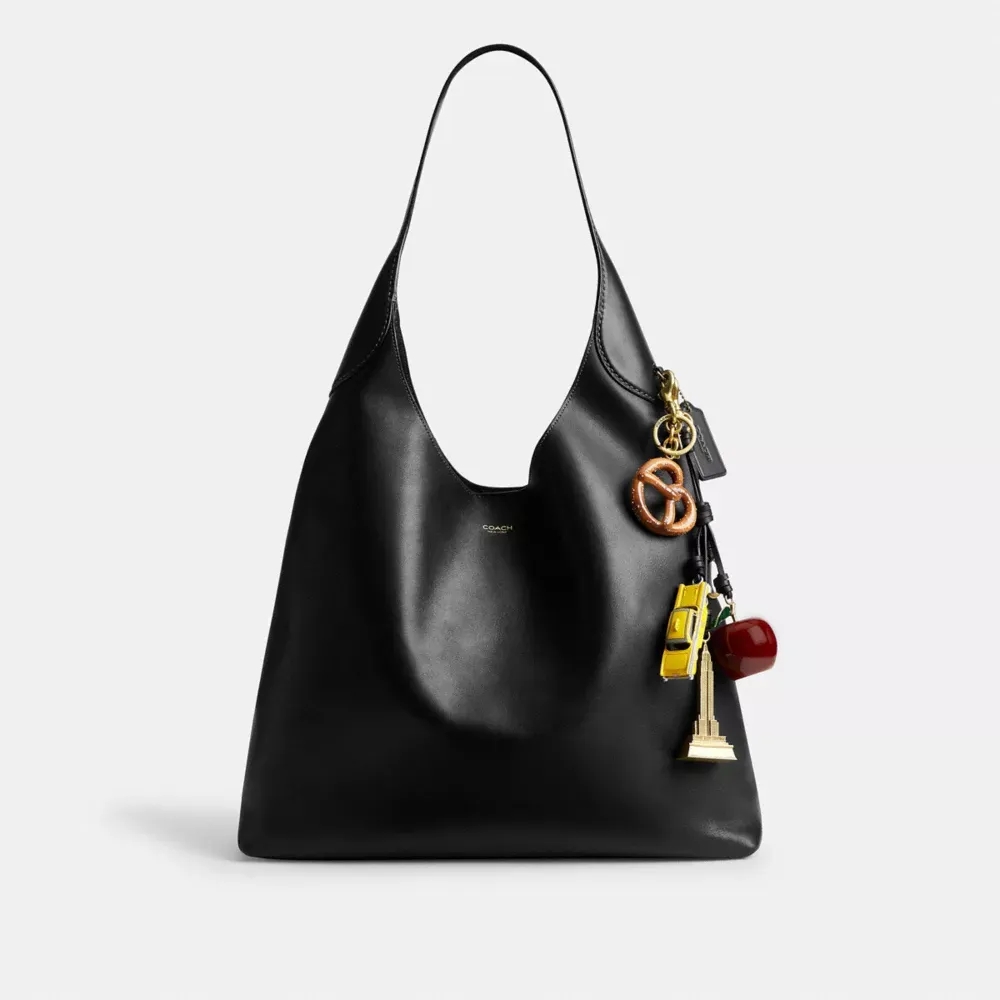
Small in scale, big in sentiment—these tiny adornments are turning into major conversion tools for fashion brands targeting Gen Z. Labubu didn’t invent the trend—but it’s riding it better than most.
Bag charms were once a luxury invention.
From Jane Birkin’s jangling personalizations to Hermès’ pegasus keychains, from Fendi’s Bag Bugs to Burberry’s teddy bear charms, the category has long been a site of brand storytelling. Prada and Balenciaga elevated mini bags into playful statements. Loewe turned Ghibli characters into collectible talismans. Louis Vuitton’s long-running collaborations with Takashi Murakami turned icons like the Monogram sunflower into cult treasures—many of which are now being reissued.
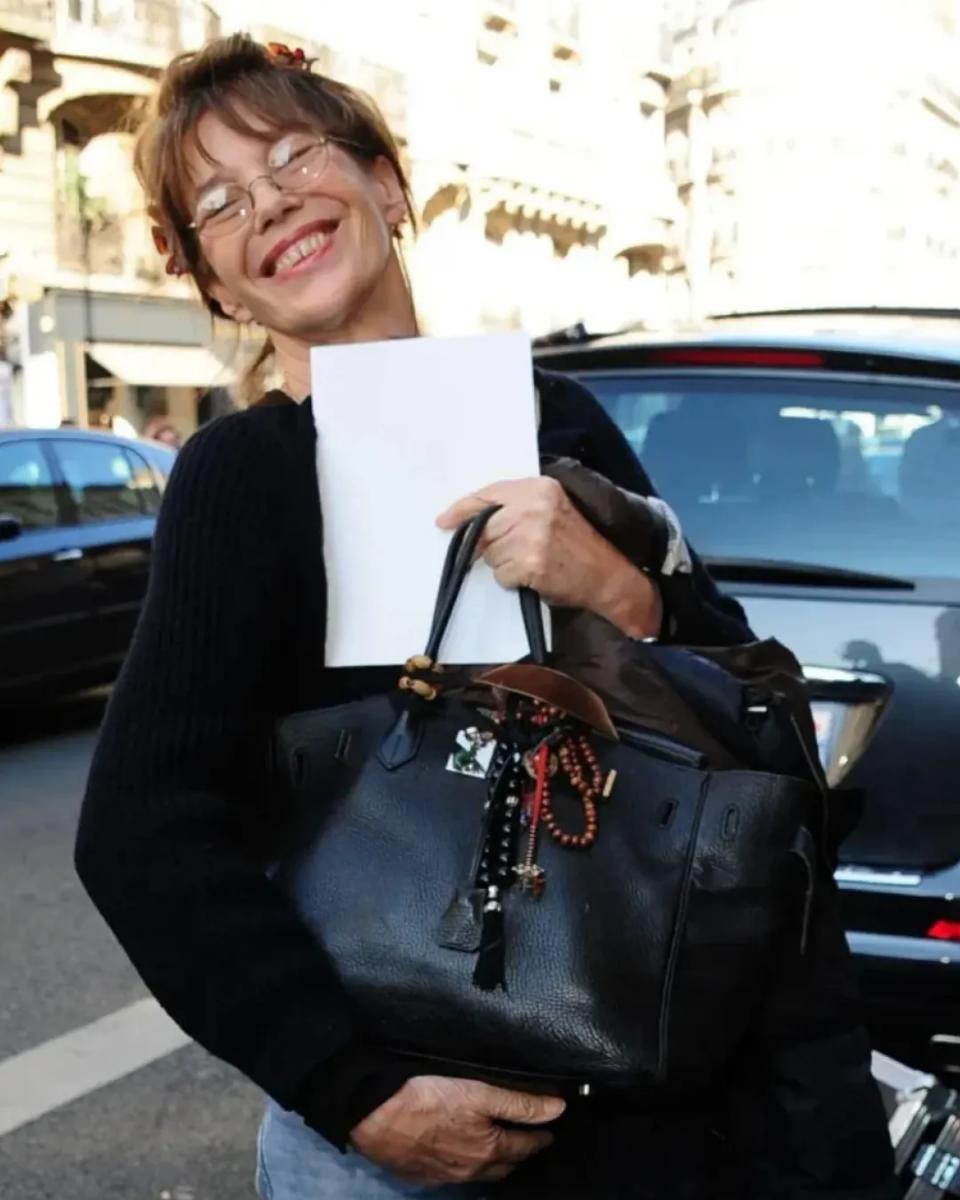
But in recent years, luxury brands have gotten cautious. Creativity gave way to repetition. Recognition and craftsmanship became the fallback. What was once an emotional spark has dimmed into visual safety.
Meanwhile, the role of charms has changed. They’re not just cute anymore—they’re strategic. They offer lower-price entry points for aspirational shoppers, and high-emotion touchpoints for identity expression. According to McKinsey, 64% of Chinese consumers cite emotional satisfaction as their top reason to buy—especially Gen Z, who seek tangible objects to mirror their inner lives.
Labubu’s viral success wasn’t a fluke. It filled a void—one left open by fashion’s failure to keep pace with how young consumers express themselves. Its rise wasn’t about heritage, quality, or design. It was about energy. About meaning. About play.
Fashion’s job isn’t just to design. It’s to listen—to spot the spaces where emotion and identity need a vessel. Bag charms are no longer peripheral—they’re cultural punctuation marks, charged with far more than their tiny size suggests.
Labubu’s triumph is a wake-up call. If luxury wants to regain control of this creative territory, it needs to rethink its product mix, storytelling tools, and pricing logic. The resources are there. So is the audience. What’s missing is urgency—and courage.
We don’t know what the next Labubu will be. But if luxury keeps waiting, it won’t belong to them either.













 Scan this QR Code with WeChat
 WeChat
 Email
Email Share
Share
 Favorites