简体中文
简体中文

- FEATURE
- |
- MERGERS & ACQUISITIONS
- |
- FINANCIAL
- |
- MARKETING
- |
- RETAIL
- |
- ESG-SUSTAINABILITY
- |
- LIFESTYLE
- |
-
MORE




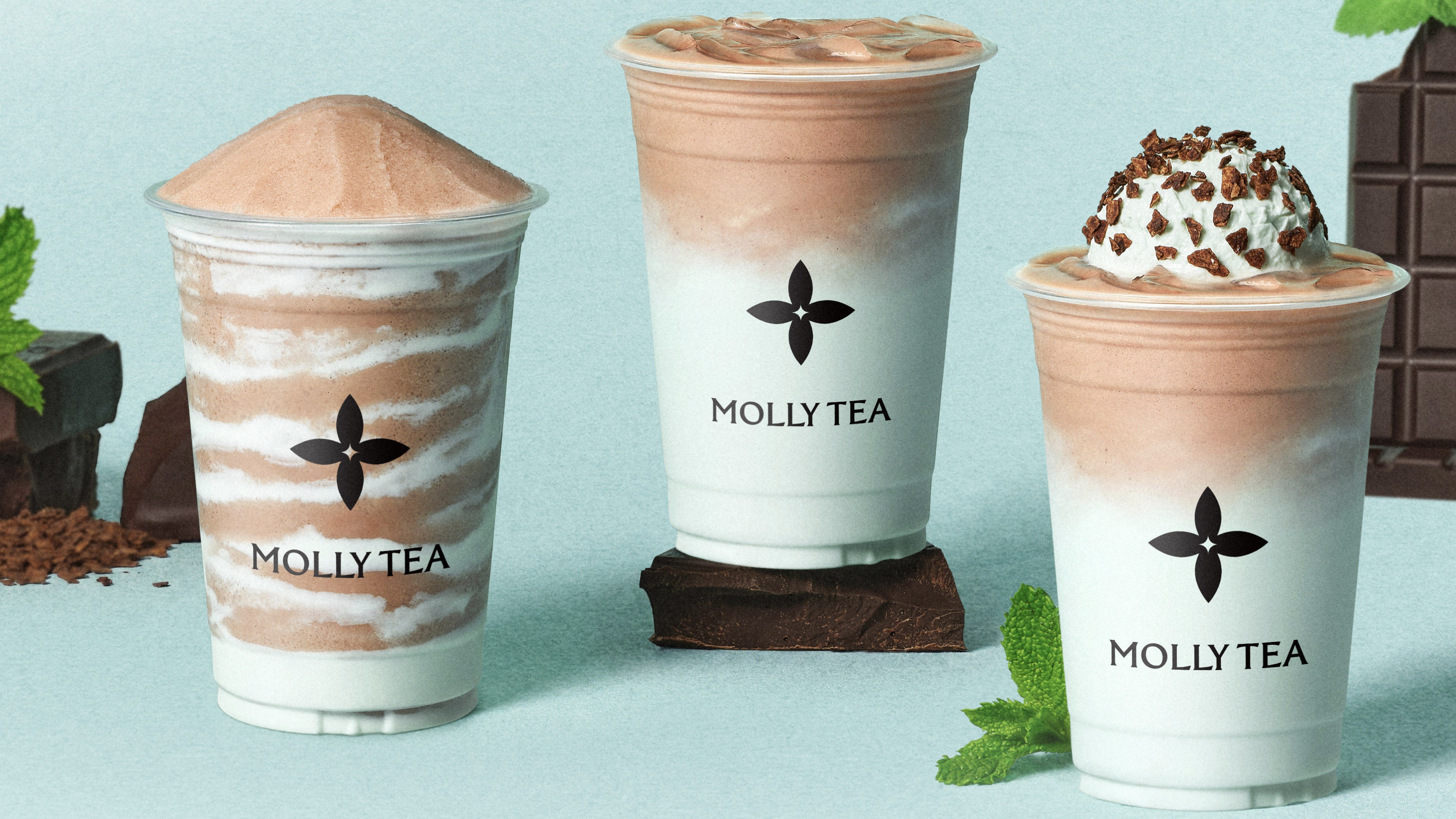
Last week, the Suzhou Intermediate People's Court issued its initial ruling on Louis Vuitton Malletier's trademark infringement lawsuit against Molly Tea. The court found that the tea brand's four-petal flower design violated Louis Vuitton's trademark rights and ordered Molly Tea to pay 10.3 million RMB ($1.5 million) in damages.
The verdict quickly sparked heated debates on Chinese social media. The hashtag "Louis Vuitton sues Molly Tea and wins 10.3 million" reached 400 million views on Weibo, while related topics on Xiaohongshu and Douyin also gained millions of views.
The public has overwhelmingly sided with Molly Tea.
The debate centers on who truly owns these patterns. Many noted that Louis Vuitton Monogram looks very similar to the Baoxiang flower patterns from the Tang Dynasty and the traditional window designs of Suzhou gardens. People feel frustrated that Chinese brands cannot use their own traditional designs just because Louis Vuitton registered them as trademarks.
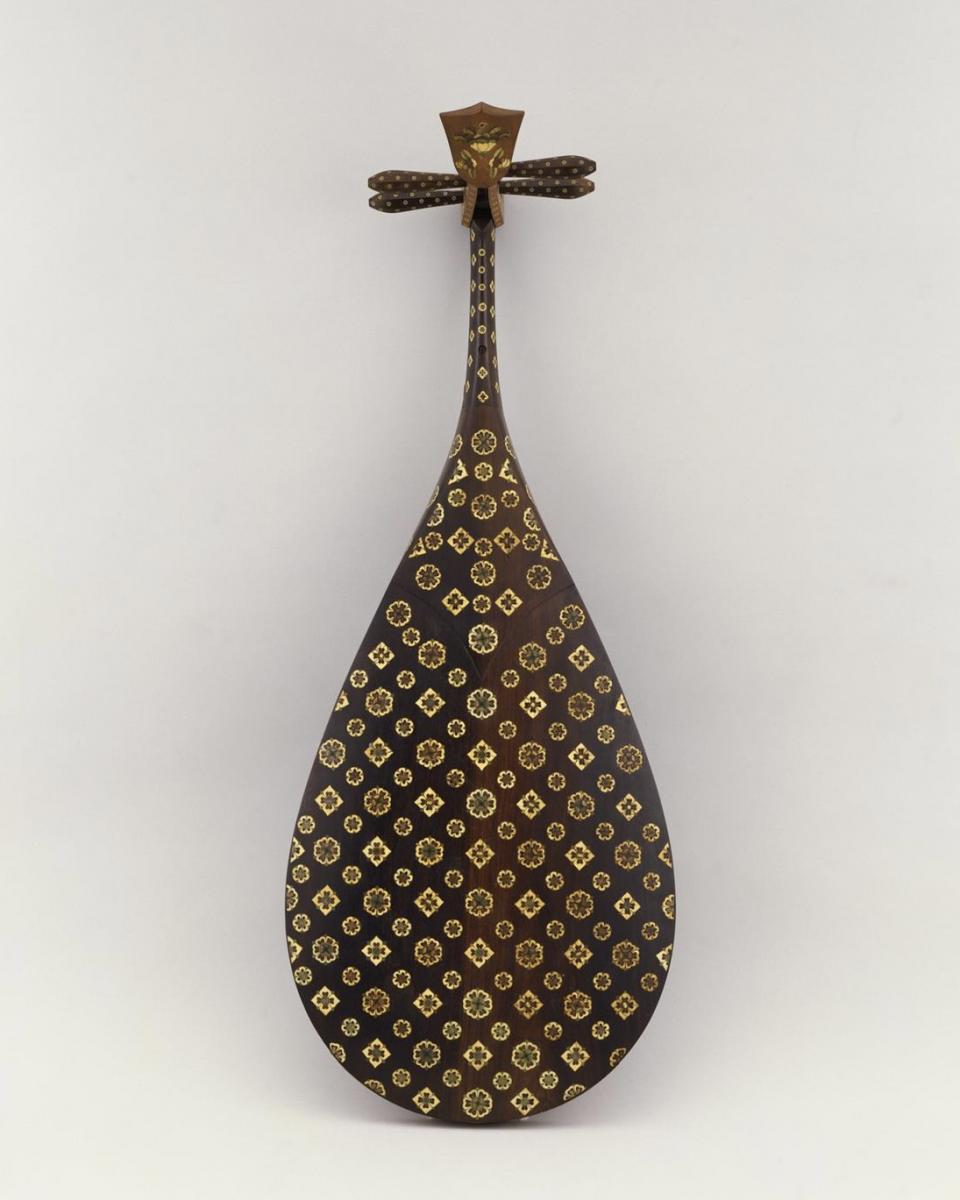
Baoxiang flower patterns from the Tang Dynasty
In recent years, luxury brands have often faced backlash over cultural appropriation in China. This event reminded the public of Dior's Mamianqun (horse-face skirt) controversy, causing anger to grow.
Beyond whether Louis Vuitton actually borrowed from ancient China, people are arguing over whether basic, public domain patterns should even be protected as trademarks.
On social media, users have posted similar patterns found in architecture, games, anime, and daily life to mock Louis Vuitton for being too aggressive in protecting its rights.
However, it is worth noting that Molly Tea had been applying to register the four-petal flower design as a trademark since March 2024, but those applications were either rejected or are still pending.
Therefore, the brand has no strong legal ground to use the design, and some users have pointed out that the law should not bend to nationalistic sentiments.
However, Molly Tea's legal missteps will not win the luxury brand much sympathy amidst the current public backlash. The 10.3 million payout is a drop in the bucket compared to its global revenue, but in a massive consumer market like China, the damage to its brand image and potential drop in sales could cost Louis Vuitton a much heavier price.
On the other hand, although Molly Tea is winning the PR battle, public support is driven mostly by cultural pride and loyalty to local brands, rather than by its products or brand image.
Online traffic is temporary, once the hype dies down, the brand will still face real business challenges.











 Scan this QR Code with WeChat
 WeChat
 Email
Email Share
Share
 Favorites