简体中文
简体中文

- FEATURE
- |
- MERGERS & ACQUISITIONS
- |
- FINANCIAL
- |
- MARKETING
- |
- RETAIL
- |
- ESG-SUSTAINABILITY
- |
- LIFESTYLE
- |
-
MORE




Shiseido probably did not expect to become Aldi’s best publicity.
Shiseido (China) Investment Co., Ltd. recently filed an unfair competition lawsuit against Aldi (China) Investment Co., Ltd. and its cosmetics manufacturer, Coris Cosmetics (Shanghai) Co., Ltd. The case is scheduled to be heard at the Pudong New Area People’s Court of Shanghai on Nov. 5, 2026.
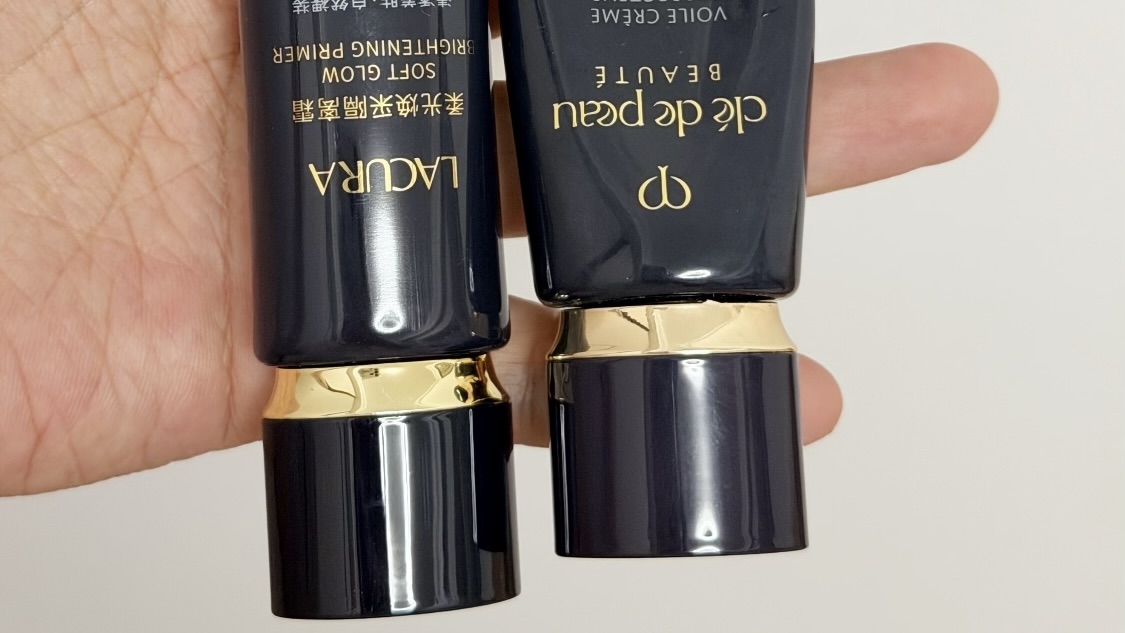
At the center of the dispute is a primer from Aldi’s private-label beauty brand Lacura. Priced at 24.9 yuan (about $3.7), or 19.9 yuan during promotions, the product bears a striking visual resemblance to a CPB primer priced at 540 yuan (about $80).
But once news of the lawsuit spread, things took an unexpected turn.
On Chinese social media, many users said they had not known the Aldi product existed until they heard about the lawsuit — and then wanted to try it. Shiseido had sought to stop Lacura from benefiting from CPB’s market recognition, but the case ended up telling more consumers that a CPB lookalike could be had for just 24.9 yuan.
At around 20 yuan, the purchase requires little deliberation and comes with little financial risk. Many curious shoppers placed orders soon after seeing news of the lawsuit, and the product has since sold out in some places.
Some shoppers also rushed to buy it out of concern that the product might disappear after the lawsuit. Despite the huge price difference, some consumers do not think the gap in quality is nearly as wide. Apart from lacking CPB’s sun protection, they say Lacura’s feel and performance are not far behind. Others who have tried Lacura strongly disagree, saying the two products are nowhere close and that Lacura is no substitute for CPB.
This is hardly Aldi’s first big-name beauty dupe. In China, its beauty lineup has already included dupes of La Prairie caviar serum, L’Occitane hand cream and Aesop essential oil, priced at 49.9 yuan, 9.9 yuan and 29.9 yuan, respectively. All have attracted considerable attention in the Chinese market.
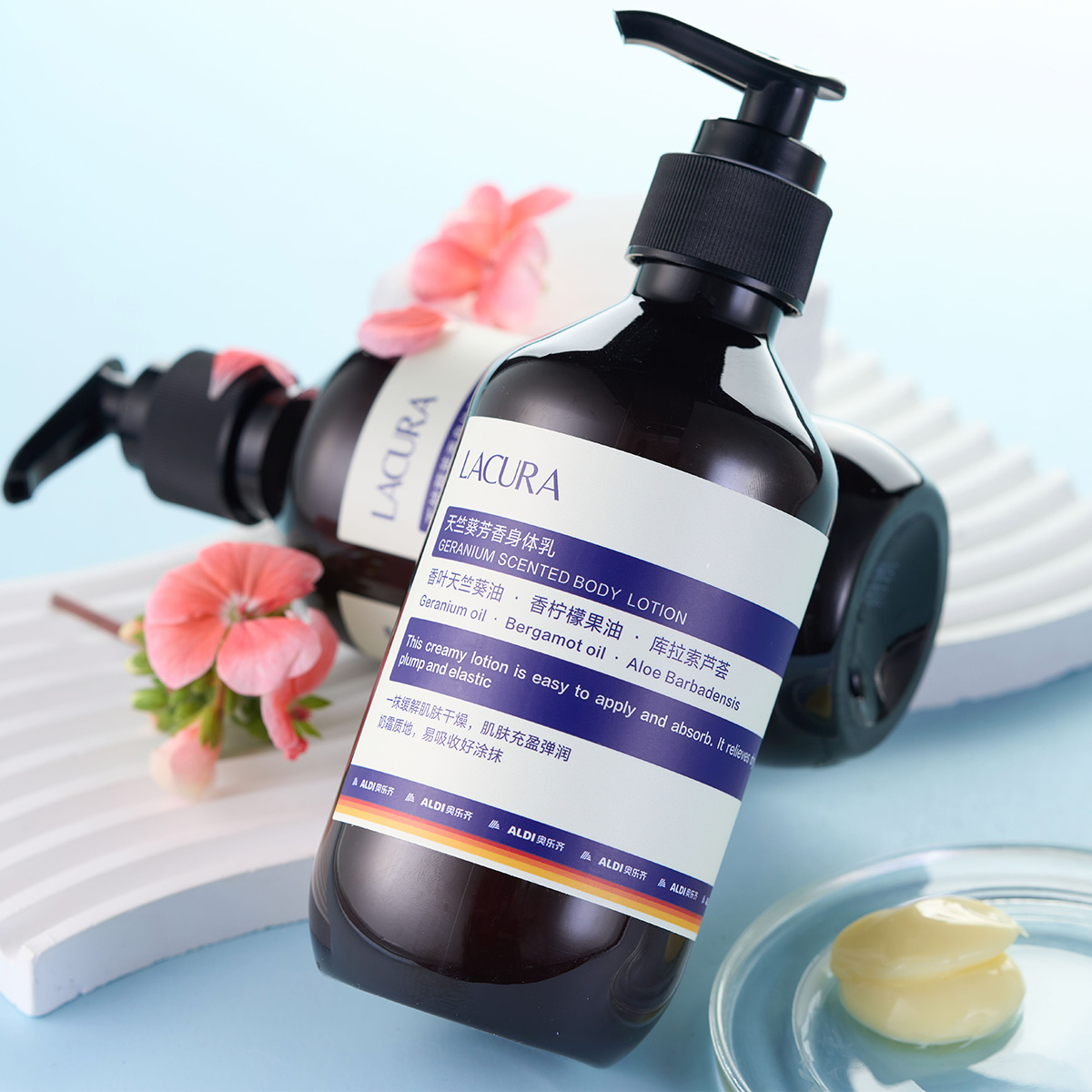
The appeal of supermarket-owned beauty brands lies largely in how little commitment they demand from consumers.
Price is one part of it. Unlike conventional beauty brands, supermarket private labels already have their own distribution network: the supermarket itself. The shelf doubles as advertising space, cutting out much of the marketing and distribution spending. Add China’s mature local cosmetics manufacturing industry, which can produce functional basics at scale, and prices can be pushed extremely low. Picking up a product on a supermarket run hardly feels like a financial decision.
The other advantage is familiarity. People stocking up at a supermarket are unlikely to spend much time learning about the scientific innovation or brand story behind a face cream. The easier a product is to understand at a glance, the better. While the legality may be open to question, borrowing the packaging and product concepts of established brands is undeniably an efficient way to achieve that familiarity.
For all the attention Aldi is attracting, CPB may not be the brand with the most to worry about. Loyal CPB customers who buy Lacura out of curiosity are still likely to return to CPB, while consumers satisfied with Lacura probably were not going to become regular CPB customers in the first place.
The brands that may have more reason to worry are those competing on low prices and generous quantities — especially those that also market themselves as prestige beauty dupes.

















 Scan this QR Code with WeChat
 WeChat
 Email
Email Share
Share
 Favorites