简体中文
简体中文

- FEATURE
- |
- MERGERS & ACQUISITIONS
- |
- FINANCIAL
- |
- MARKETING
- |
- RETAIL
- |
- ESG-SUSTAINABILITY
- |
- LIFESTYLE
- |
-
MORE




A sportswear brand's true competitive strength is not defined by the buzz generated by a single milestone. Rather, it lies in its ability to transform collective memories and moments of national excitement into a lasting sports culture, while building durable brand equity through disciplined long-term operations.
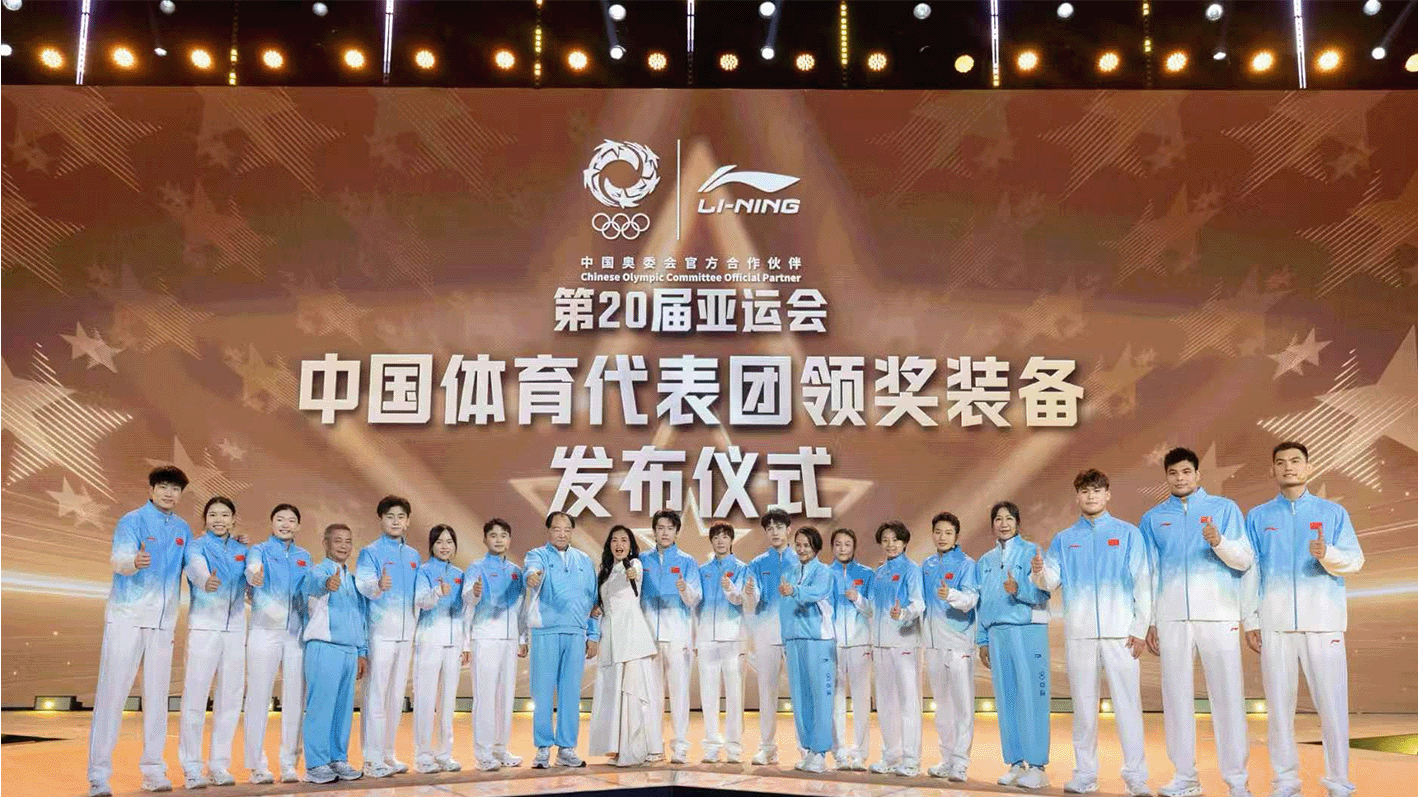
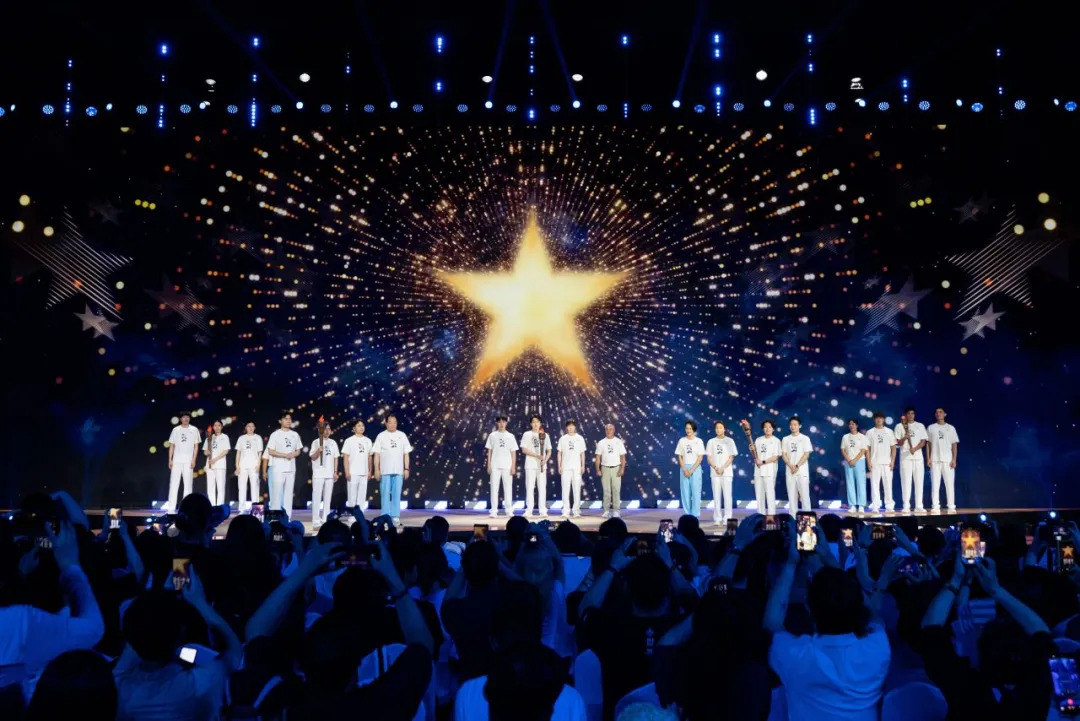
On August 3, beams of light from the five-pointed star illuminated the sky above Panda Square at Beijing's National Olympic Sports Center. At this landmark, closely tied to the origins of China's modern multi-sport events, Li-Ning hosted its 2026 Asian Games Glory Ceremony, unveiling the Chinese Sports delegation's podium outfits for the 20th Asian Games alongside competition apparel for five national teams under its sponsorship.
Beyond the dramatic staging and product launches, the event reflected a clearly defined brand strategy.
Despite cyclical fluctuations in today's consumer market, leading securities firms and investment institutions have continued to maintain Buy ratings on Li-Ning. In their view, the company has demonstrated remarkable operational resilience and considerable long-term growth potential despite changes across the industry.
That resilience is no coincidence. It is built on Li-Ning's long-established brand moat and its disciplined focus on core strategic assets.
In 2025, Li-Ning renewed its partnership with the Chinese Olympic Committee (COC) as an Official Partner, securing rights covering more than ten major international sporting events between 2025 and 2028, including the Los Angeles Olympic Games, the Milan-Cortina Winter Olympic Games and the 2026 Asian Games. The ceremony, which celebrated the brand's founding mission, also marked an important opportunity for Li-Ning to convert years of accumulated technological innovation and cultural heritage into renewed market momentum.
From revisiting its founding vision, to applying aerospace technologies to professional sportswear, to the seventh year and fifth major evolution of its proprietary BOOM Midsole Technology Platform, to reflecting on 36 years of growing alongside Chinese sport, Li-Ning has combined eastern aesthetics with contemporary sports fashion, strong product capabilities and disciplined execution to demonstrate a long-term strategy that is distinctly its own among Chinese sportswear brands.
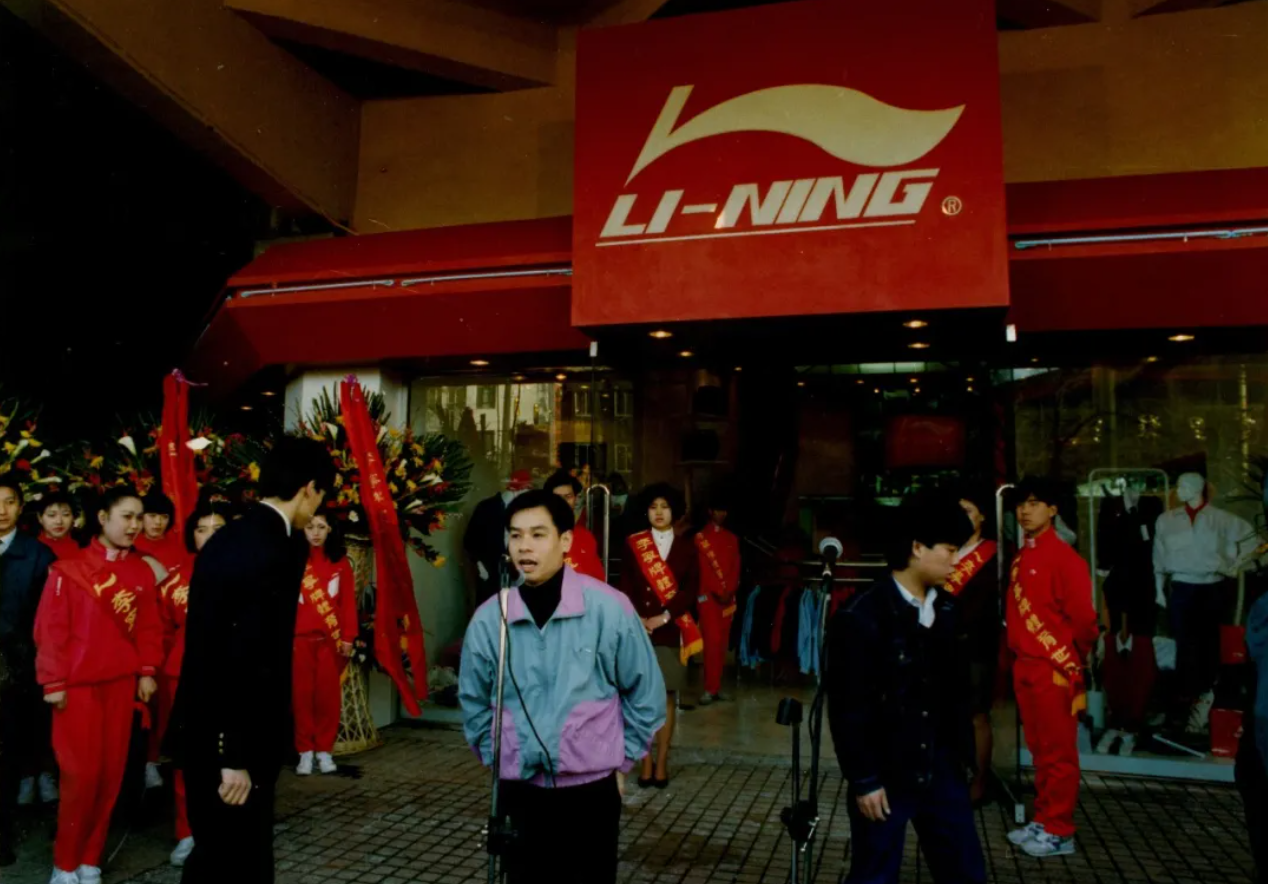
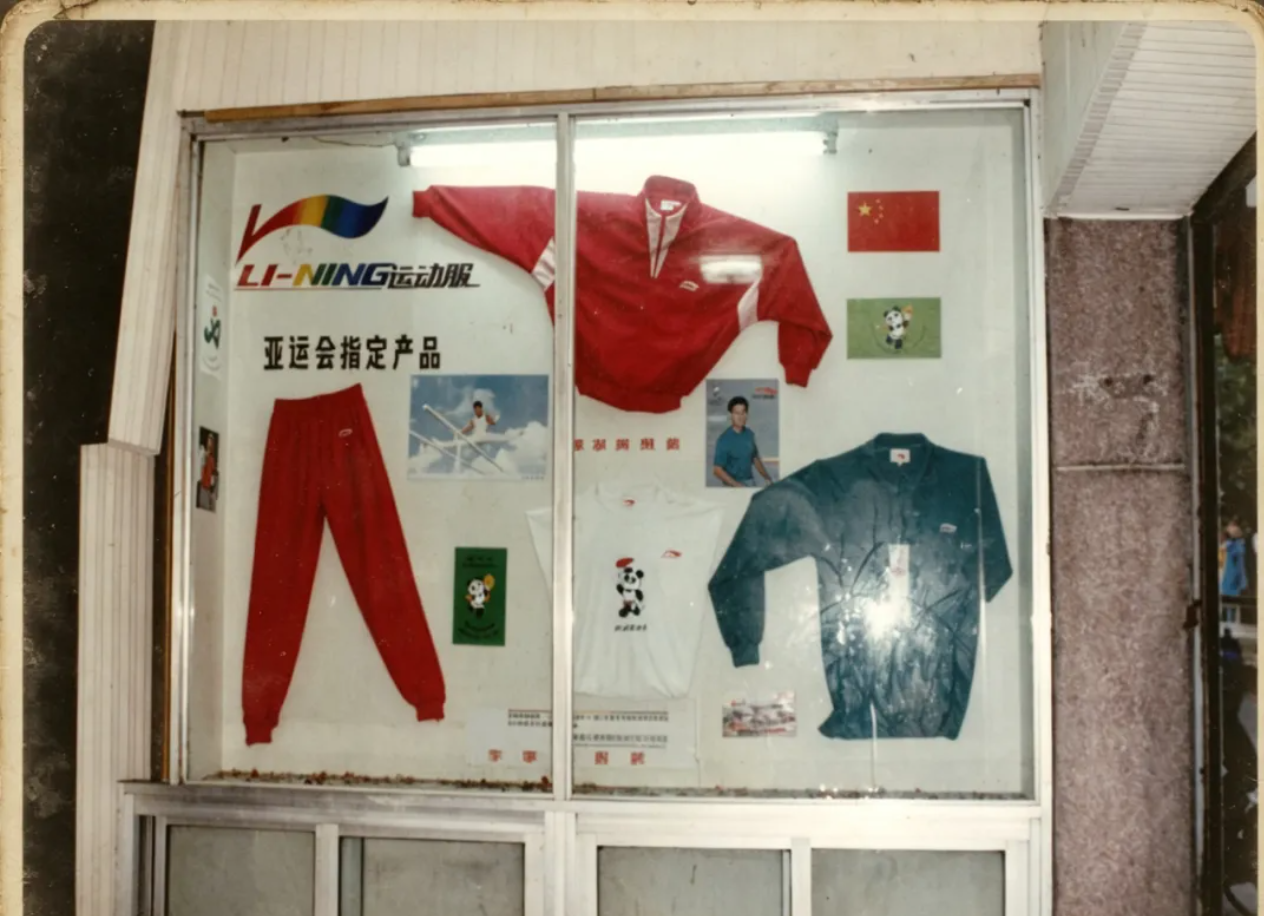
Entering the venue through a wing-shaped space inspired by the letter "V" for victory, visitors were first welcomed into the “SINCE1990 Asian Games Glory Space,” where archival photographs, newspaper clippings and historical footage traced Li-Ning's journey alongside Chinese sport since the company's founding.
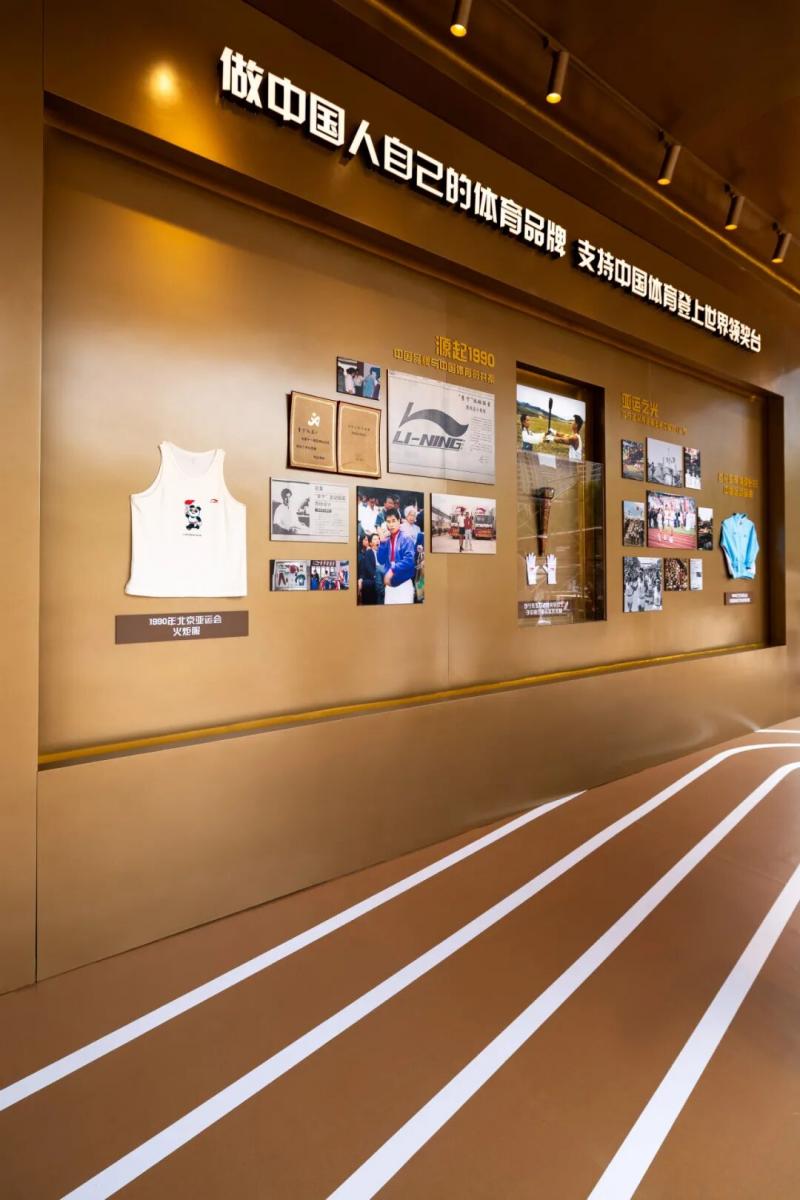
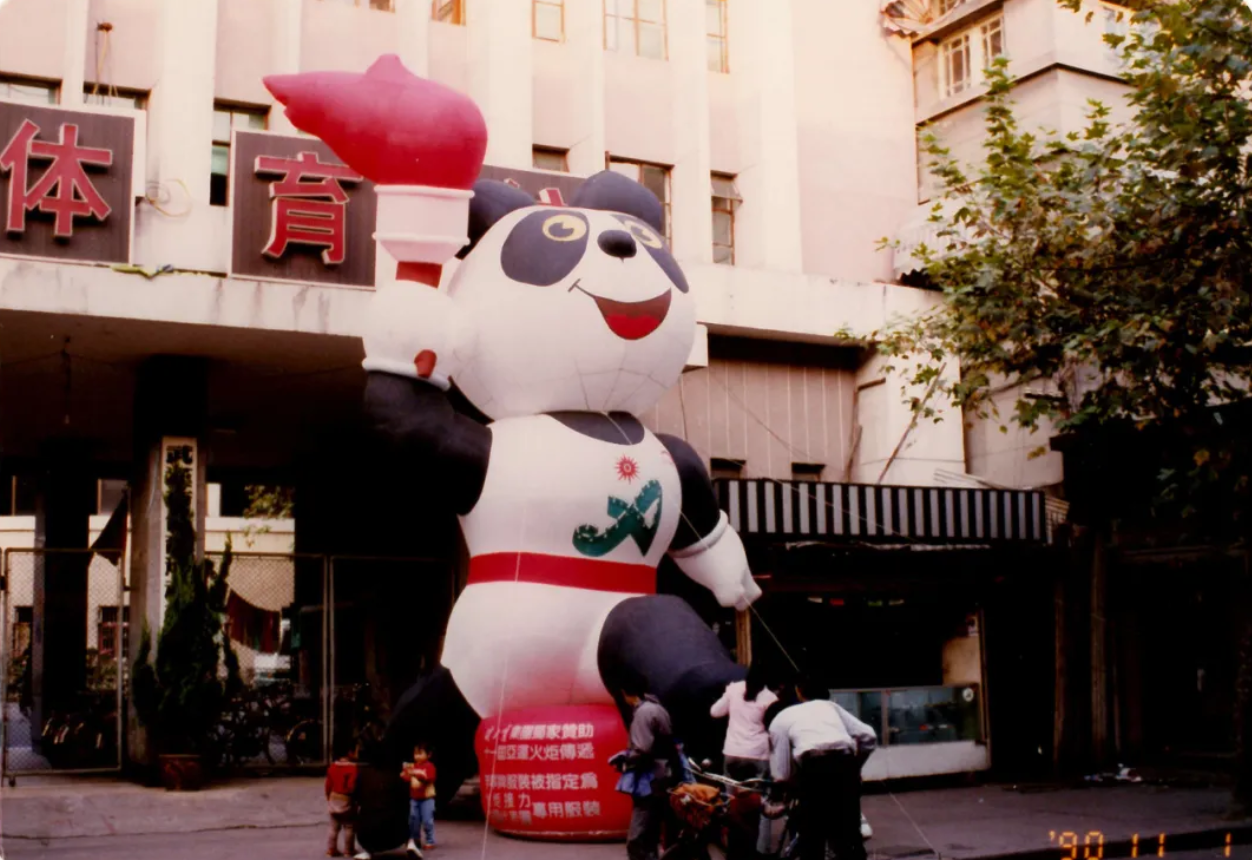
At the center of the exhibition stood three art installations inspired by Panpan, the beloved mascot of the 1990 Beijing Asian Games: the Reporter Panda, the Victory Panda and the Torch Panda. Together, they referenced Li-Ning's three official roles during the 1990 Games—as the designated apparel supplier for the Asian Games torch relay, Team China's podium outfits, and official uniforms for domestic and international journalists.
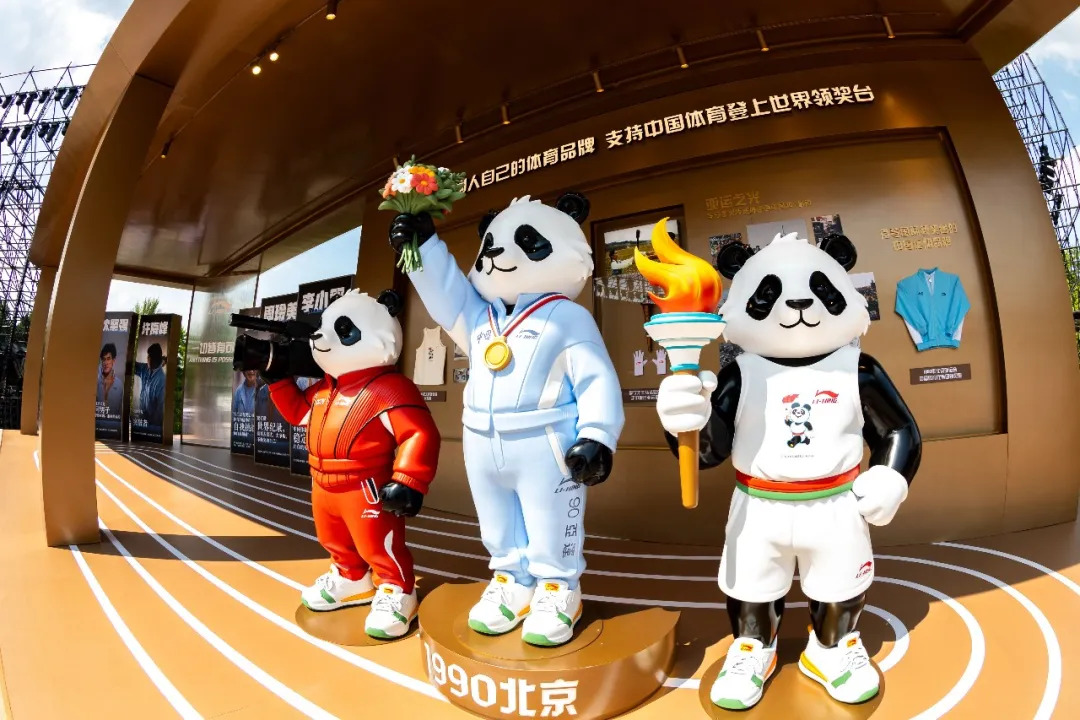
The three outfits recreated by Li-Ning feature clean silhouettes that embodied a remarkably forward-looking sports aesthetic for their time. They not only sparked a nationwide trend in sports-inspired dressing, but also made Li-Ning the first domestic sportswear brand to combine fashion culture with athletic spirit, helping establish the foundation of China's sports fashion movement.
The exhibition also featured archival photographs capturing Chinese champions standing atop the podium in Li-Ning podium outfits, commemorating the Chinese delegation's historic achievement of winning 183 gold medals at the 1990 Asian Games.
As visitors continued through the exhibition, the narrative naturally shifted from the brand's heritage to its latest technological innovations.
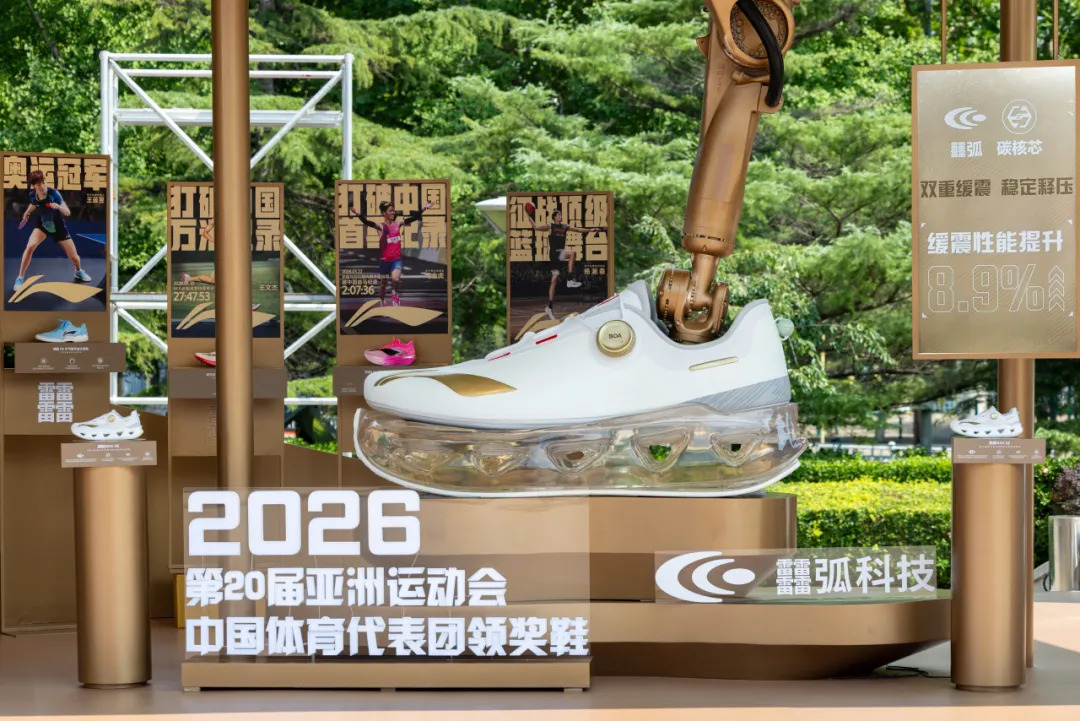
Inside the “TECH 2026 Asian Games Technology Space,” a giant installation of the podium outfit showcased Li-Ning Aerospace Temperature Control Fiber, developed using phase-change materials derived from the same technology applied in the Chang'e-1 lunar mission. Nearby, a dynamic mechanical-arm installation demonstrated the cushioning and energy-return performance of the brand's BOOM ARC + Carbon Core technology through continuous pressure testing. The space also presented the five major evolutions of Li-Ning's BOOM technology platform alongside its professional product matrix, illustrating the company's deep understanding of athletes' performance needs.
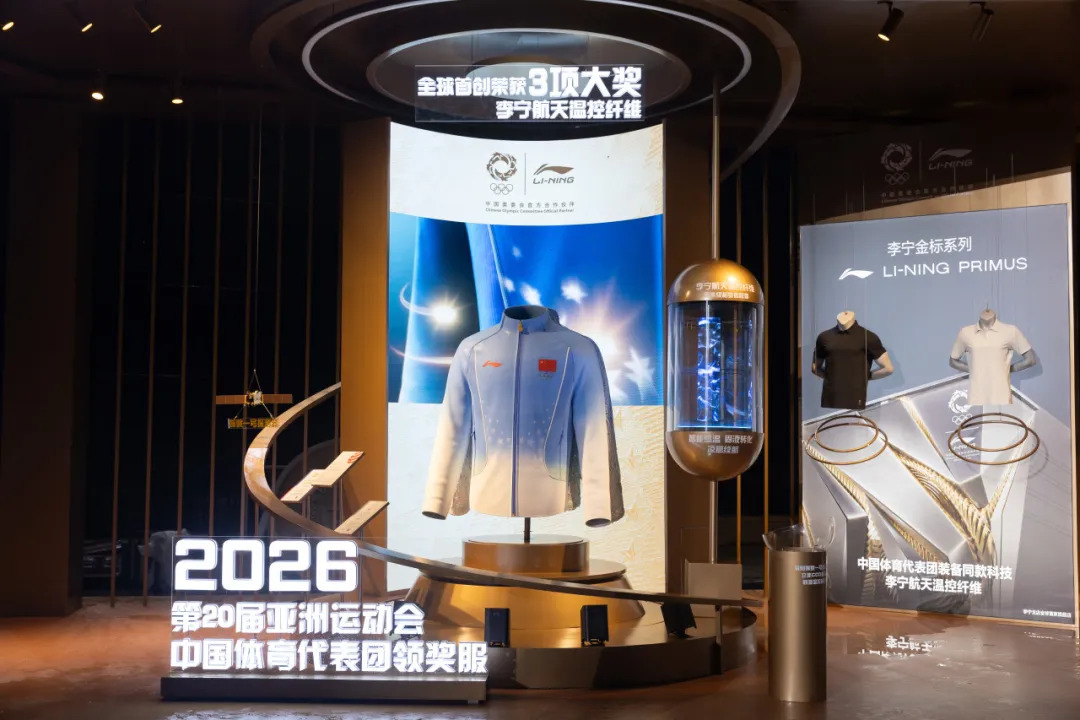
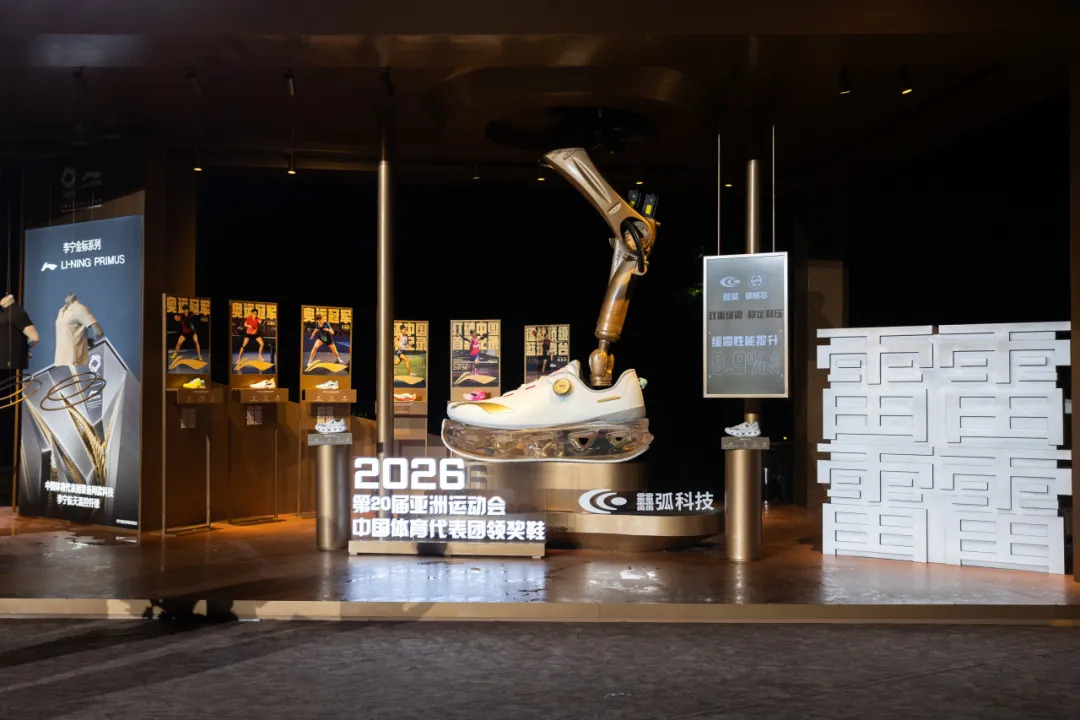
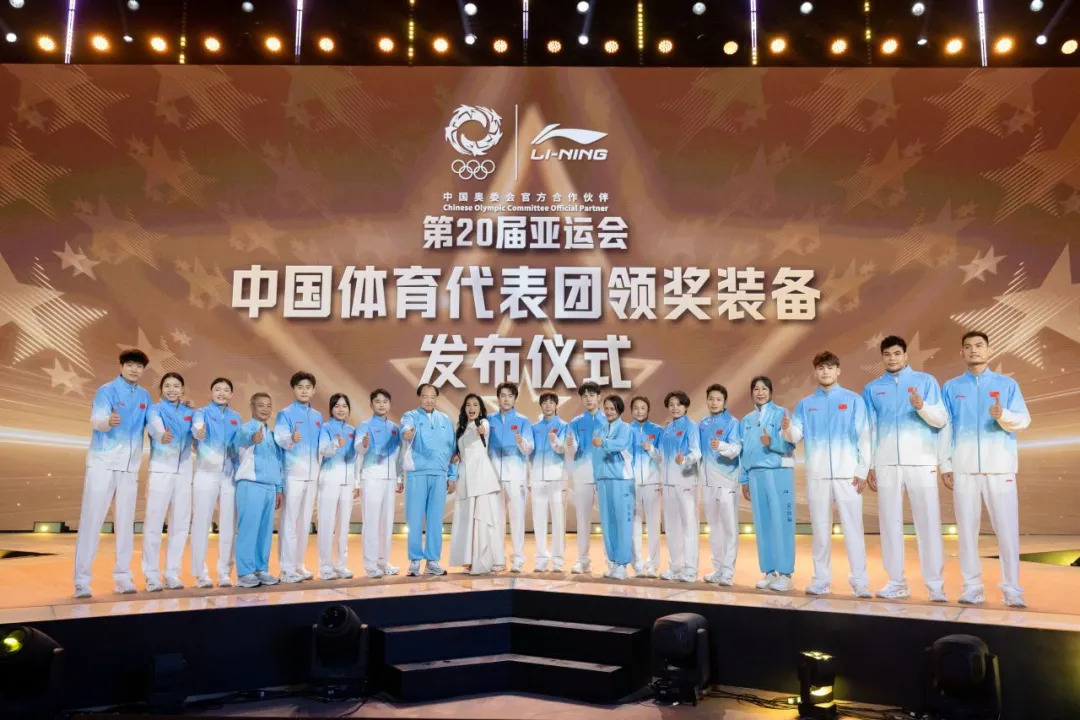
On the evening of August 3, Li-Ning officially unveiled Team China's podium outfits for the 20th Asian Games at Panda Plaza in Beijing's National Olympic Sports Center. Accompanied by a laser projection of a giant podium jacket, representatives from five national teams—table tennis, diving, shooting, fencing and water polo—made their first collective appearance on stage.
Singer Wei Wei performed Asian Mighty Winds, the official promotional song of the 1990 Asian Games, prompting a chorus from the audience before Li-Ning officially introduced the new podium outfits.
From the Asian Games Glory Space, designed to revive collective memories of the nation's sporting achievements, to the Technology Space, which explained the innovation behind the newly launched apparel, the exhibition itself conveyed a clear message. While retracing Li-Ning's journey alongside Chinese sport, it also demonstrated—through technology and product innovation—how the company envisions the future of both the sportswear industry and its own brand development.
Viewed within the broader context of Li-Ning's development, the launch of its Asian Games collection was more than a product release. It also represented the company's evolving interpretation of sports fashion. Today, creating apparel for competition is no longer simply about fulfilling a sponsorship obligation. Instead, Li-Ning approaches it as an opportunity to push beyond its own limits, advancing simultaneously in both design aesthetics and technological innovation while elevating everything from visual language to product engineering.
From a design perspective, this spirit of innovation is reflected in Li-Ning's contemporary interpretation of eastern aesthetics and its reinterpretation of the brand's archival heritage.
The podium outfits for Team China at the 20th Asian Games are designed around the theme "Brilliant Starlight." Dominated by shades of blue, the collection translates the vastness of the sky and the deep sea into a futuristic visual language. The color palette draws inspiration from traditional Chinese colors, combining a traditional cyan green inspired by the classic poem “Qing Qing Zi Jin," symbolic China Red, and the classical shade Pinyue Blue. Dynamic star-inspired piping extending upward across the front completes a design that merges traditional Chinese imagery with contemporary sports fashion.
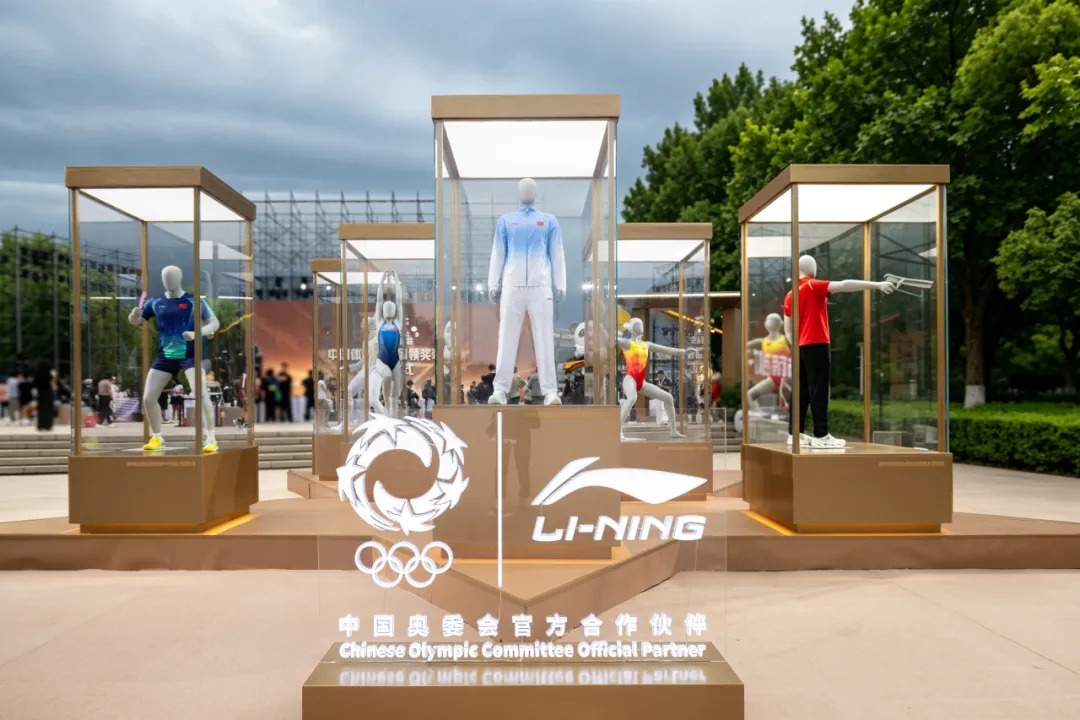
The podium shoe, Exceed MAX SE, follows the same design philosophy. Rather than starting from scratch, it reinterprets Li-Ning's classic podium shoe created for the 1996 Atlanta Olympic Games, updating its proportions and construction with contemporary design language to give the archival silhouette a renewed sense of modern relevance.
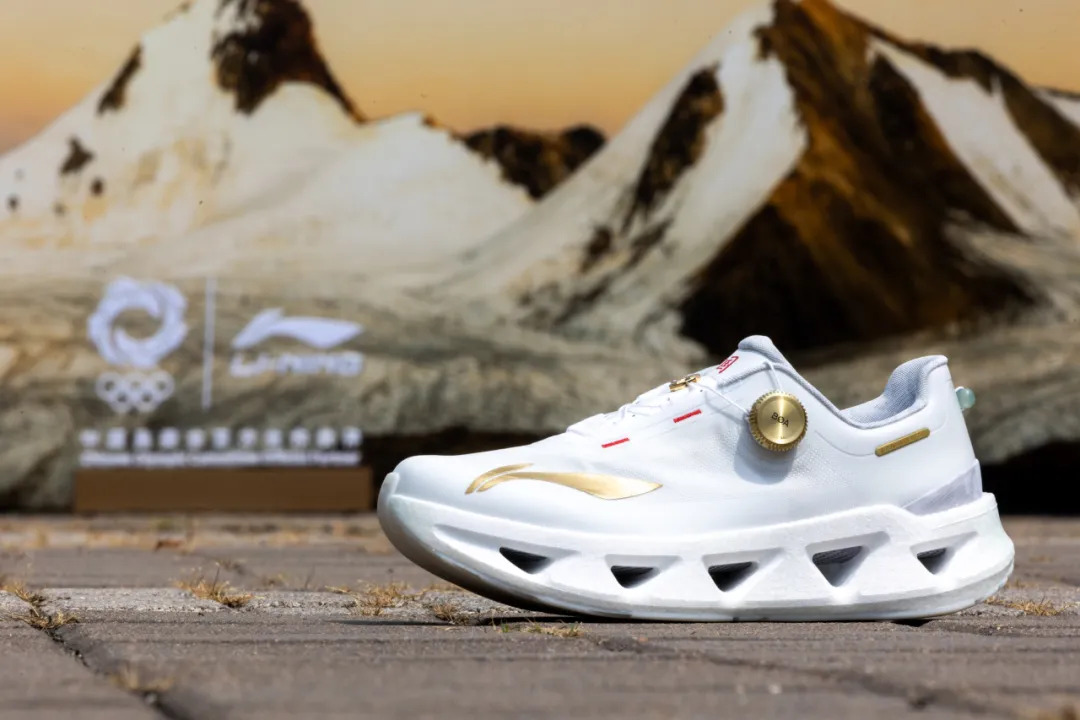
Yet design alone is not enough. Without meaningful technological innovation, aesthetics risk becoming little more than surface-level styling. For Li-Ning, advanced research and development has long served as the foundation of its product competitiveness.
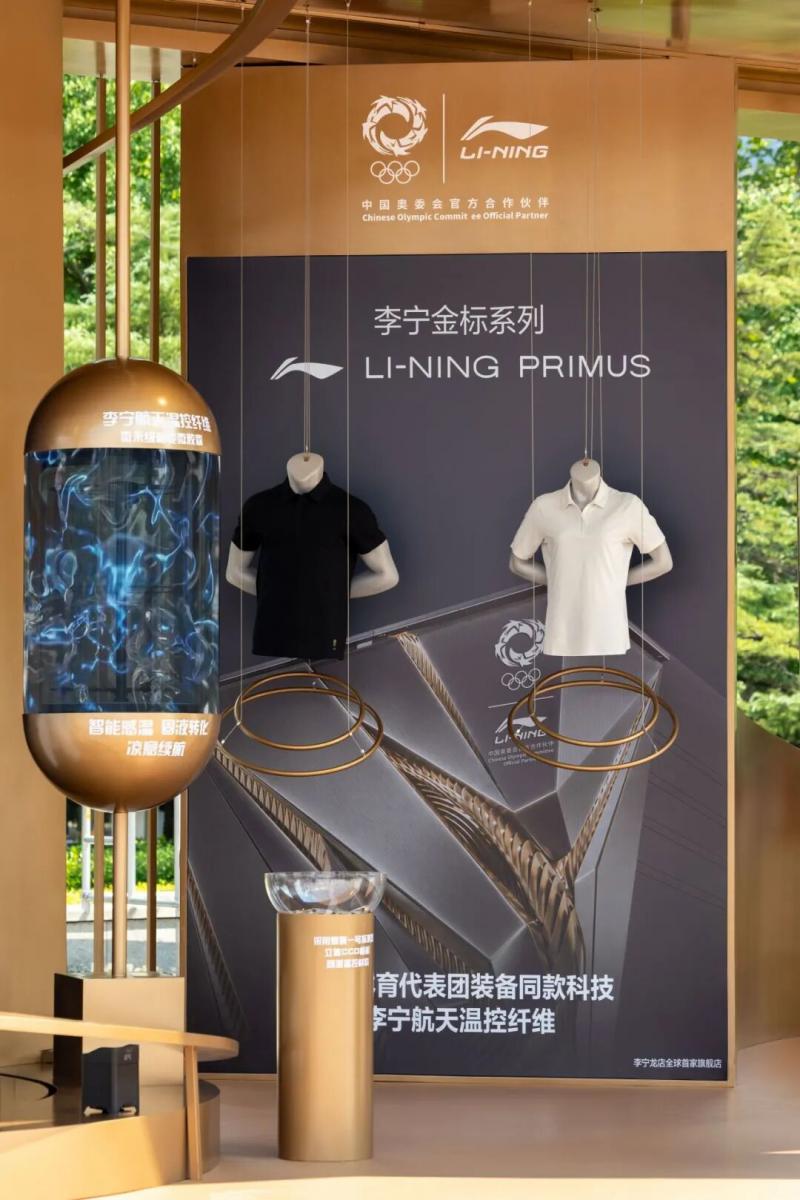
The newly launched podium apparel features Li-Ning Aerospace Temperature Control Fiber Technology, jointly developed with an aerospace technology innovation platform. The technology incorporates phase-change materials derived from those used in the Chang'e-1 lunar probe. As temperatures rise, the phase-change material embedded within the fiber core transitions from solid to liquid, actively absorbing excess body heat to deliver a lasting cooling effect and help athletes maintain comfort in environments with fluctuating temperatures. The technology has received three international design honors, including the Red Dot Award, the MUSE Platinum Award, and the New York Design Gold Award.
Meanwhile, the outsole of the podium shoe incorporates Li-Ning's latest dual-cushioning system, combining BOOM ARC Technology with Carbon Core-Drive Technology.
BOOM ARC is the latest breakthrough within the company's BOOM Midsole Technology Platform launched in 2019, representing the platform's fifth major evolution over seven years. Built around Li-Ning's proprietary high-performance BOOM material, the system integrates heterogeneous rigid support components through a one-piece molding process to create a segmented hollow structure. During movement, the design delivers a highly coordinated balance of energy return, cushioning and stability.
Carbon Core Technology complements the system by enhancing cushioning and rebound while maintaining structural stability.
From expressing eastern aesthetics through contemporary design to continuously advancing proprietary performance technologies, Li-Ning demonstrates a consistent drive to push beyond its own boundaries. But technological innovation alone is not the end goal. The real commercial challenge lies in translating professional-grade product experiences into products that resonate with everyday consumers.
Since its founding in 1990, Li-Ning has pioneered a product philosophy that combines professional athletic performance with fashion-forward design, helping spark China's early sports fashion movement. Although the brand's design language, technological capabilities and product portfolio have evolved significantly over the decades, its commitment to serving a broad consumer base has remained unchanged.
Take the Aerospace Temperature Control Fiber as an example. Originally developed for the podium apparel, the technology has already been incorporated into smart temperature-regulating polo shirts within the Li-Ning Primus collection. Likewise, the ARC PRO commuter and everyday running shoe adopts the same BOOM ARC Technology featured in the podium footwear.
More broadly, Li-Ning's BOOM technology platform has expanded into multiple technology branches—including BOOM, Super BOOM, Super BOOM Capsule, and G-BOOM—which have been applied across a wide range of professional sports categories. These technologies now support products ranging from Sun Yingsha's table tennis shoes and Wang Wenjie's record-breaking track spikes to Mao Jinhu's FEIDIAN 6 ELITE marathon racing shoes and Yang Hansen's YUSHUAI 20 basketball shoes, covering virtually every major competitive sports category.
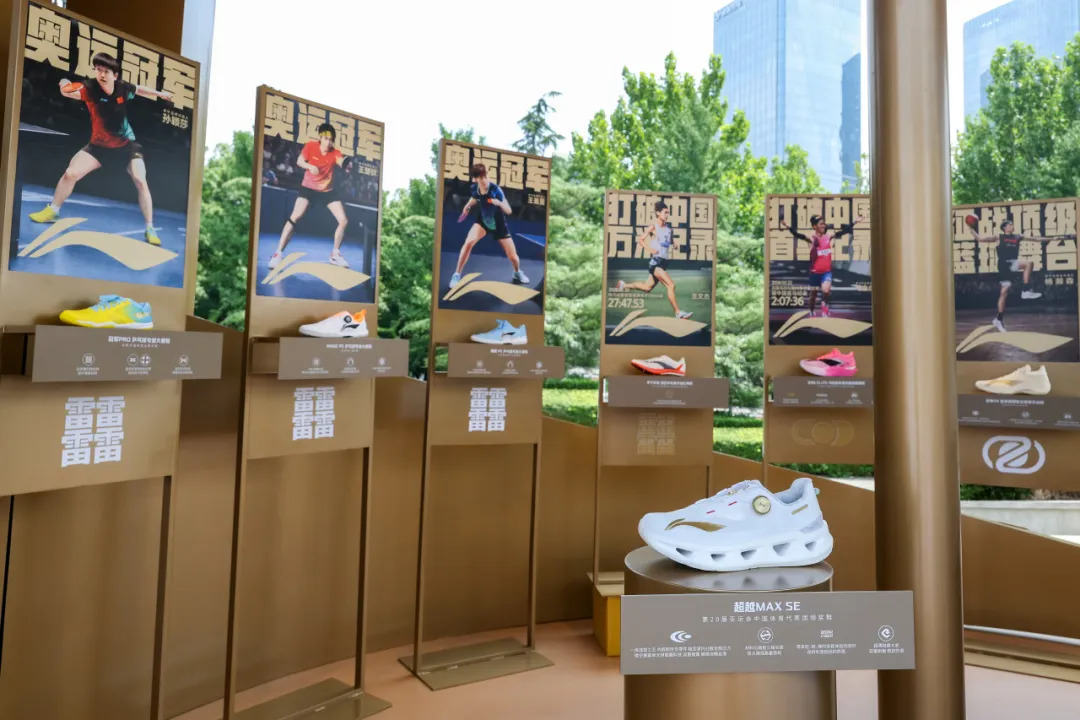
This technology transfer—from elite competition to mass-market products—has also helped Li-Ning establish a distinct position in the highly competitive running market. The company's running category has steadily increased its contribution to revenue, rising from 16% in 2021 to 31% in 2025, making it one of the group's key growth drivers.
Bridging the gap between elite athletic performance and everyday style requires far more than simply combining sportswear elements with fashion trends. It demands a deep understanding of both technical performance and contemporary aesthetics—an area where Li-Ning has built a clear advantage.
On the one hand, the brand reinforces its professional credentials through continuous technological innovation. On the other hand, it extends elite sporting experiences into everyday life through a distinctive sports-fashion aesthetic, creating both commercial value and technological differentiation while further strengthening its leadership within the industry.
From its early days of pioneering the sports-fashion trend to establishing its brand identity through the trinity of eastern aesthetics, modern tailoring, and breakthrough technology today, Li-Ning has consistently transcended itself, continually refreshing and expanding the expressive boundaries of Chinese sportswear brands.
To understand the origins of Li-Ning's cultural identity and aesthetic language, it is necessary to return to the beginning—a defining moment marked by ambition and pioneering spirit.
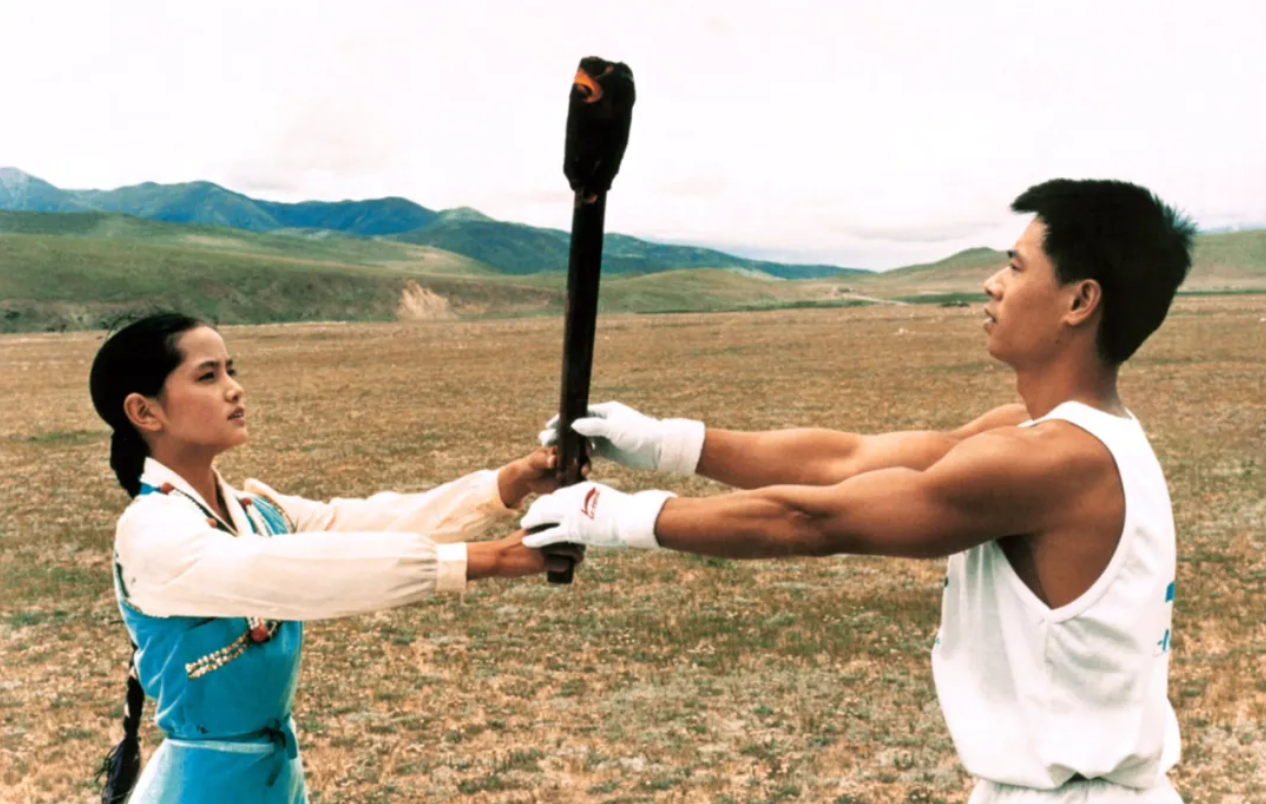
The 1990 Beijing Asian Games not only became a milestone in Chinese sporting history, but also marked the beginning of Li-Ning's long-standing relationship with Chinese sport and the world's highest-profile sporting events. That year, founder Li Ning personally participated in the collection and relay of the Asian Games flame beneath the Nyenchen Tanglha Mountains, dressed in white sportswear. At the same time, Li-Ning became the first Chinese sportswear brand to provide the Chinese delegation's podium outfits for the Asian Games, ending an era in which Chinese athletes stood atop the podium wearing foreign brands.
Since then, Li-Ning has remained committed to its founding mission: to build a sportswear brand for the Chinese people and help Chinese athletes stand on the world's highest podium wearing Chinese sportswear. More importantly, the company has maintained that commitment throughout its 36-year history. From producing China's first domestically designed podium outfits in 1990 and accompanying the Chinese delegation as it surpassed 100 Asian Games gold medals, to renewing its partnership with the COC for the 2025–2028 cycle, Li-Ning's development has consistently evolved alongside China's rise as a leading sporting nation.
Even before renewing its COC partnership in 2025, Li-Ning had never stepped away from supporting Chinese sport. Instead, it continued to deepen its involvement across multiple areas of Chinese sport. The company has long served as the official equipment partner of the Chinese Basketball Association (CBA), maintained a strategic partnership with the Chinese University Basketball Association (CUBA), and continued investing in athletics and road running.
One notable milestone came at the 2022 Berlin Marathon, where Ethiopian runner Tadu Abate, wearing Li-Ning footwear, finished third with a time of 2:06:28—the first time a Chinese running shoe brand reached the podium at one of the world's six most prestigious marathons.
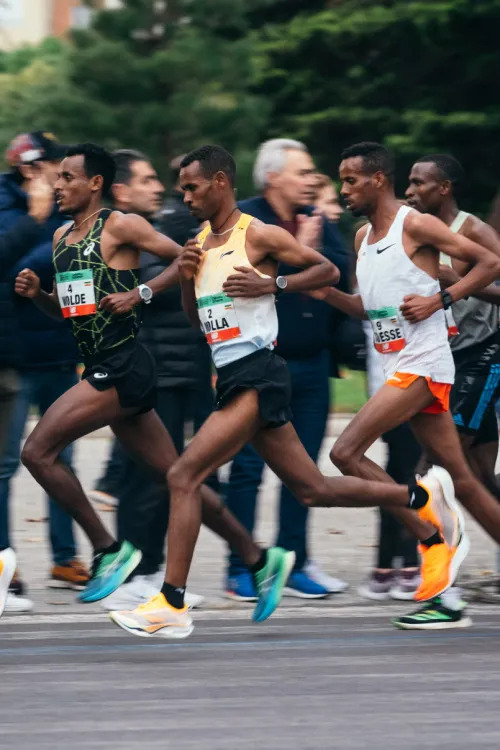
This year, Li-Ning also announced its partnership as a Top Partner of the Chengdu Marathon for the 2026–2030 period.
The company has likewise placed significant emphasis on youth sports development. Since launching the Li-Ning China Primary School Basketball League in 2022, the tournament has become the only primary school basketball competition officially recognized by China's Ministry of Education. Through investments spanning national teams, professional leagues, grassroots youth sports and internationally renowned road races, Li-Ning has continued to strengthen the professional foundations of its sports business.
Looking back at the industry's evolution, the debut of China Li-Ning at New York Fashion Week in 2018 sparked a boom in China's sports fashion movement. The trend quickly gave rise to numerous brands emphasizing style and streetwear aesthetics, but it also exposed uneven standards in design quality and cultural expression.
Rather than chasing market hype, Li-Ning chose a different path. The company remained focused on advancing research and development, strengthening its product portfolio and reinforcing its professional sports credentials. In doing so, it evolved beyond the role of an equipment supplier to become a long-term contributor to the development of Chinese sport. That strategic discipline has become increasingly apparent as the market has matured.
Rather than relying on abstract brand messaging, Li-Ning communicates this long-term strategy through tangible products and visual storytelling. At the launch event, athletes appeared wearing newly designed Panda T-shirts, offering a contemporary reinterpretation of Panpan, an iconic symbol deeply rooted in the public's collective memory. Beyond that, the brand continues to reactivate its archival heritage by transforming recognizable symbols—including gold medals and championship imagery—into contemporary design language.
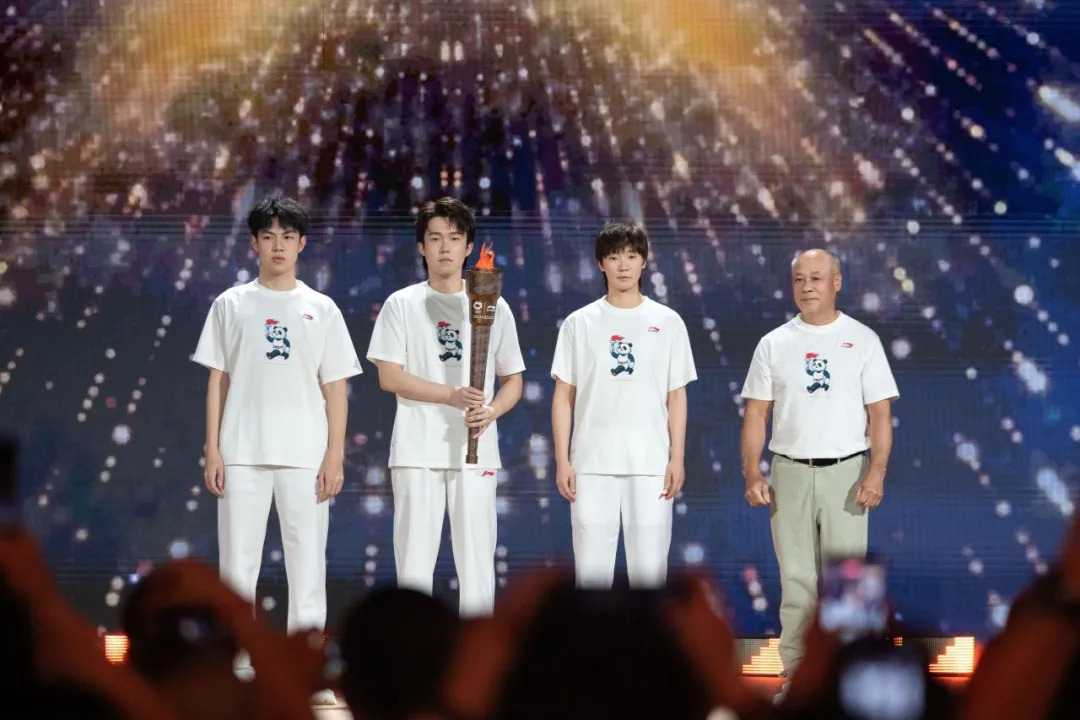
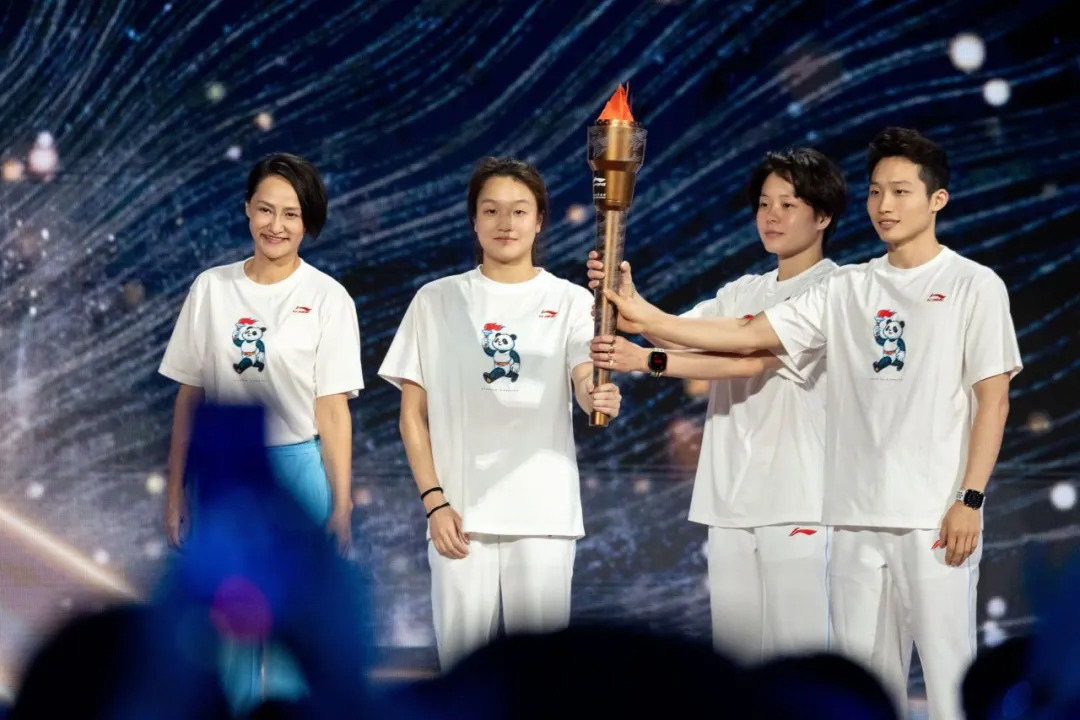
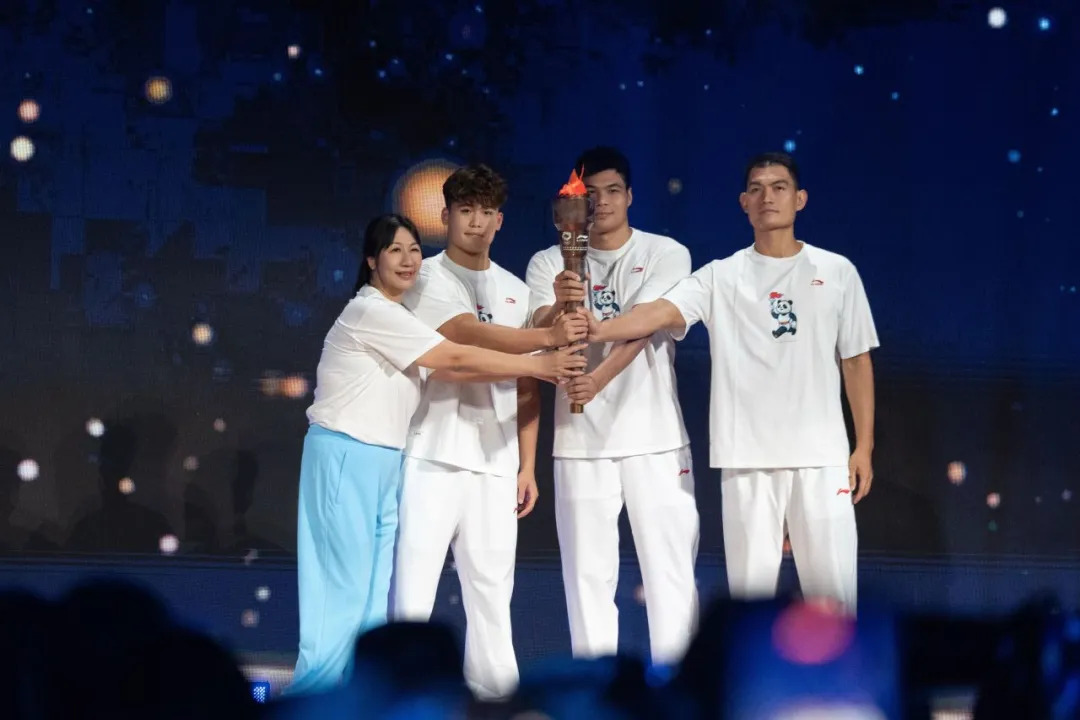
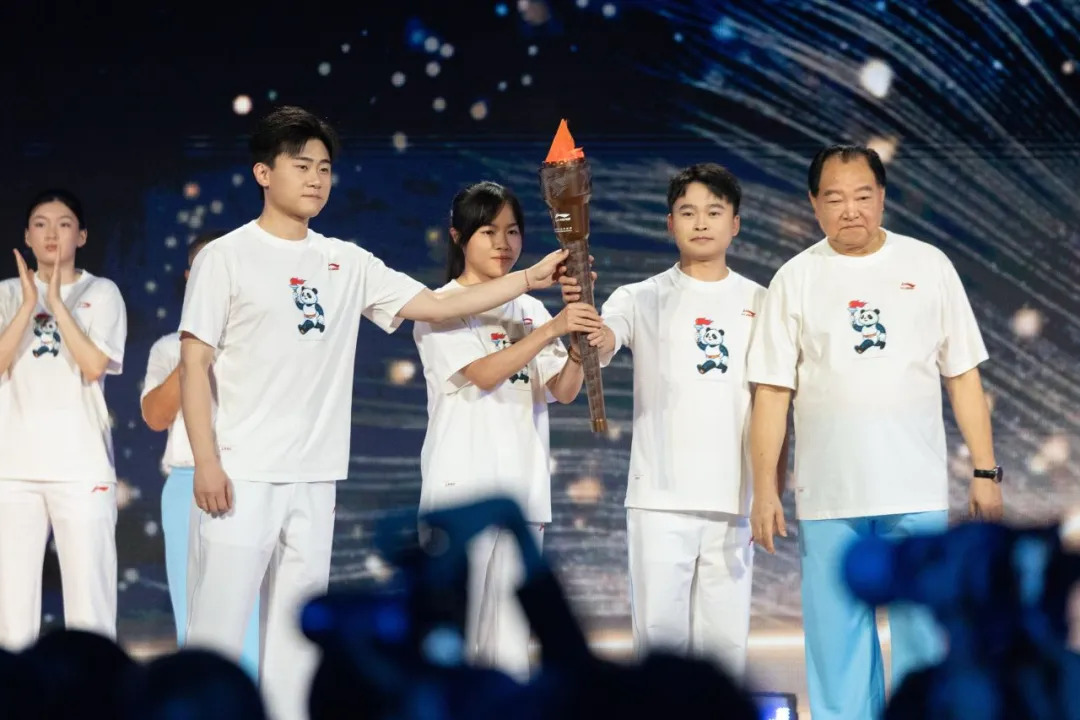
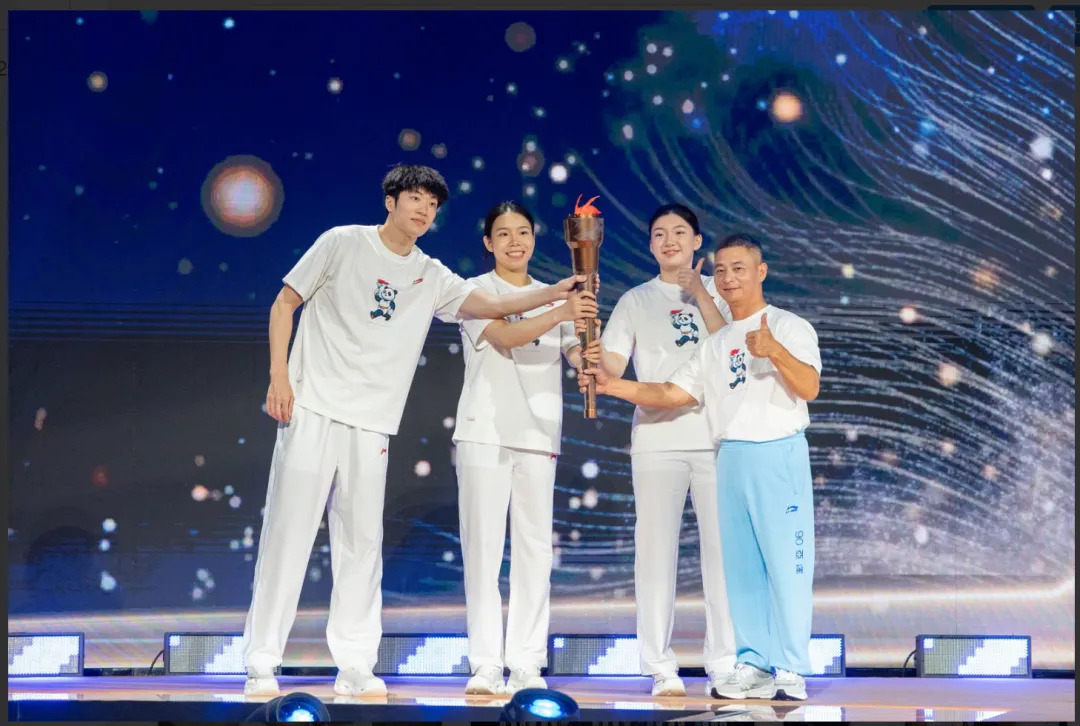
From pioneering China's sports fashion movement in 1990 to continually reinterpreting its own archives today, Li-Ning has consistently positioned itself as a defining force in Chinese sports fashion. Its ability to integrate national memory, competitive sport and contemporary aesthetics has made it one of the few brands capable of commanding influence in both elite athletics and youth culture.
This clear understanding and consistent activation of its brand DNA have ultimately become one of Li-Ning's strongest competitive moats and a key reason why many market institutions continue to see long-term growth potential in the company.
In ConCall's view, Li-Ning's significance extends beyond commercial success. More importantly, it offers valuable insight into the evolution of China's sporting goods industry. Founded in 1990—the same period that marked the early development of China's domestic sporting goods supply chain—the company emerged at a time when international brands dominated the local market. Its rise demonstrated that a Chinese sportswear brand could achieve self-reliance and innovation in professional sports.
With the 2026 Asian Games and the 2028 Los Angeles Olympic Games approaching, Li-Ning is entering a period of powerful external momentum. The company is now positioned to convert years of steady investment in technology, products and brand building into its next wave of market growth.
Marketing campaigns inevitably fade. What endures are technological capabilities built over time, authentic brand heritage and the strategic discipline to remain focused through industry cycles. Having evolved alongside Chinese sport for 36 years, Li-Ning has demonstrated how professional athletic performance and sports fashion can reinforce one another while charting a distinctive path for Chinese sportswear brands. And for the company, this long journey of dual-track evolution—where performance and style advance together—appears to have only entered its most promising stage.
Translated from Chinese by Hua Li














 Scan this QR Code with WeChat
 WeChat
 Email
Email Share
Share
 Favorites