简体中文
简体中文

- FEATURE
- |
- MERGERS & ACQUISITIONS
- |
- FINANCIAL
- |
- MARKETING
- |
- RETAIL
- |
- ESG-SUSTAINABILITY
- |
- LIFESTYLE
- |
-
MORE




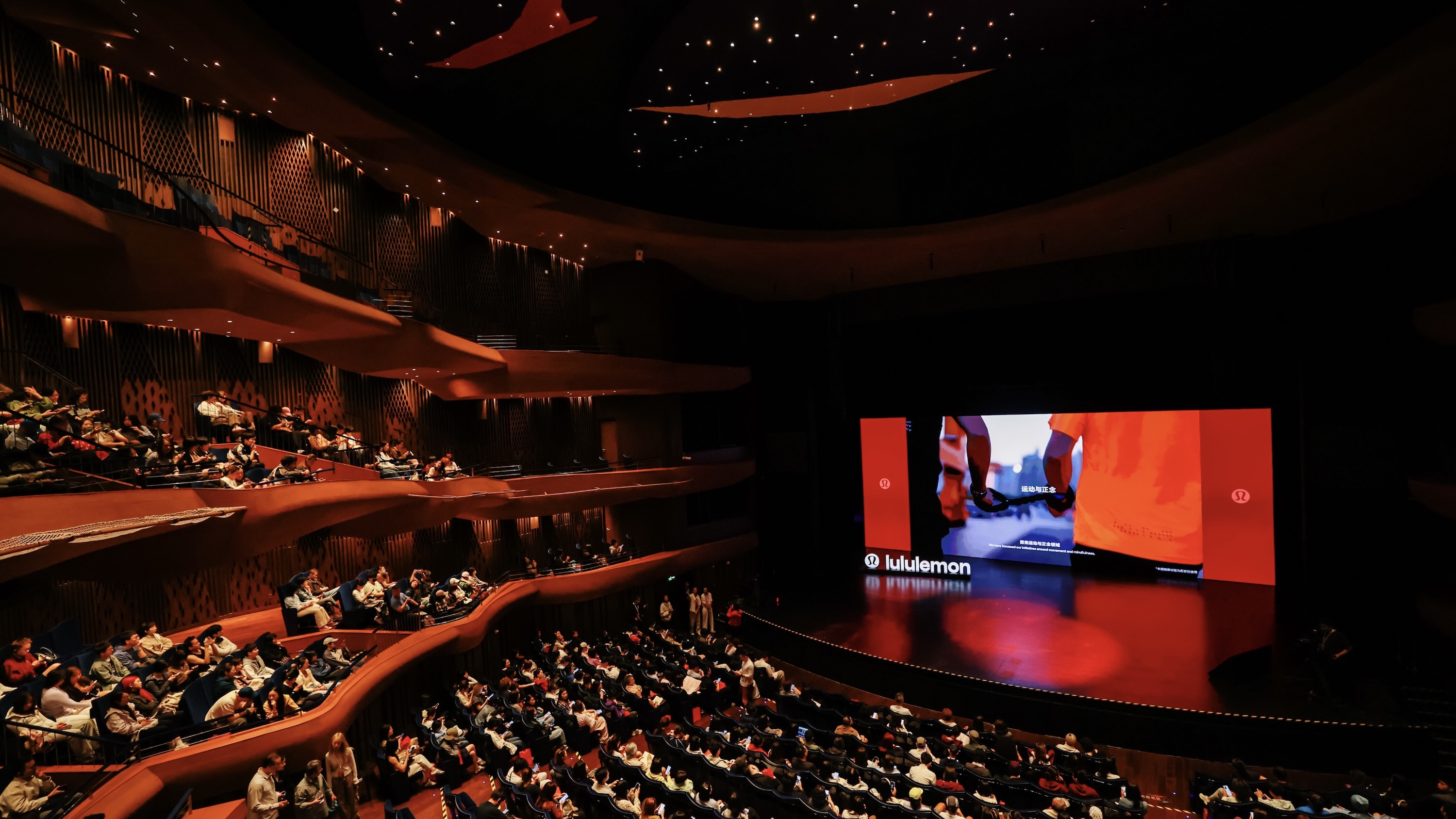
Higher, faster, stronger. These are natural priorities for a sportswear brand. But what about being healthier, happier and simply feeling better?
While sportswear brands generally focus on athletic performance and the drive to improve, lululemon has continued to explore a more elusive concept: wellbeing. In China, this approach creates an interesting dynamic.
Since 2021, lululemon has been exploring what it means with Chinese consumers through its annual “Wellbeing for All” activation. There may never be a definitive answer to what wellbeing means. Yet through this ongoing exploration, lululemon is developing an increasingly distinct brand language.
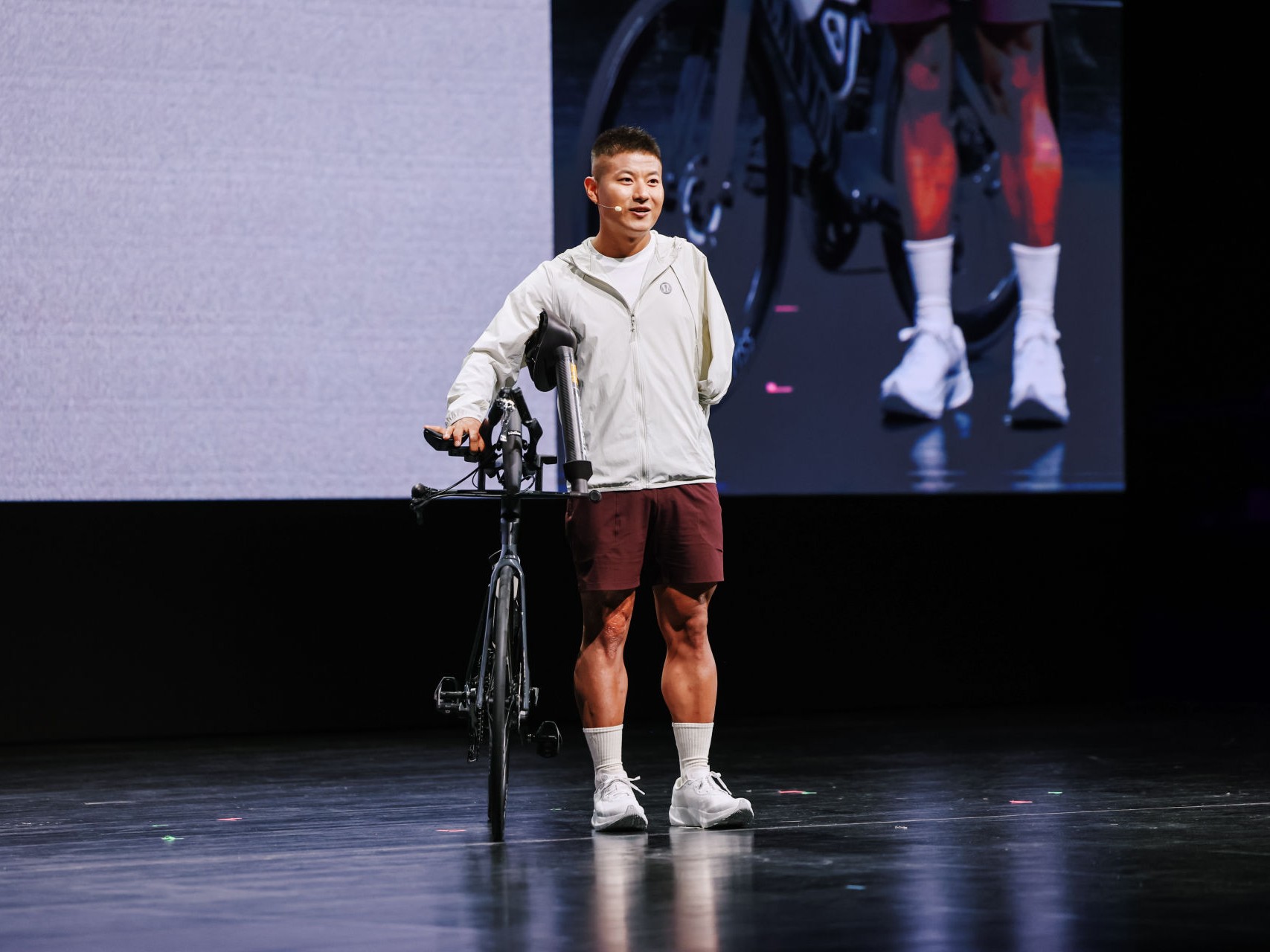
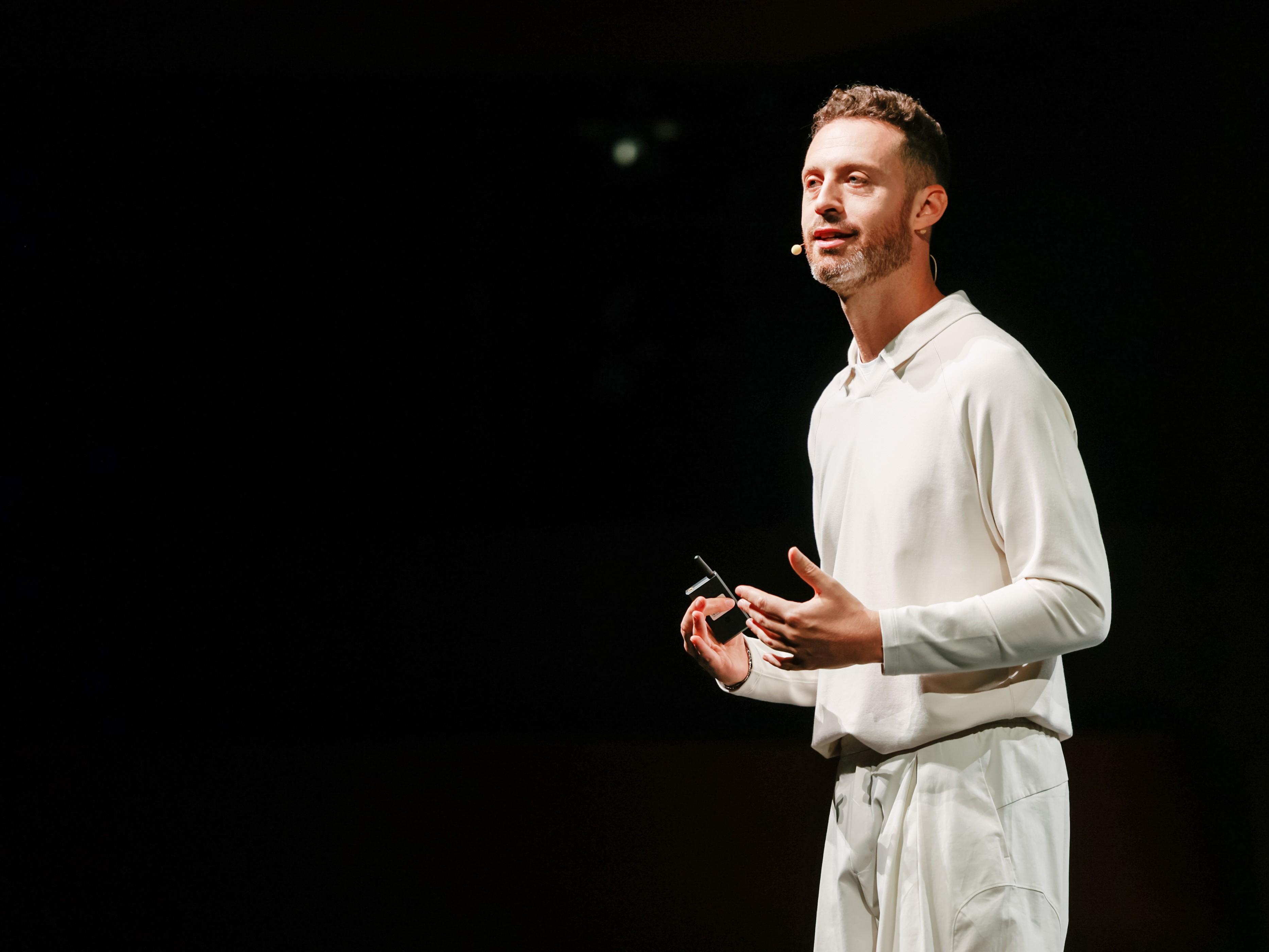
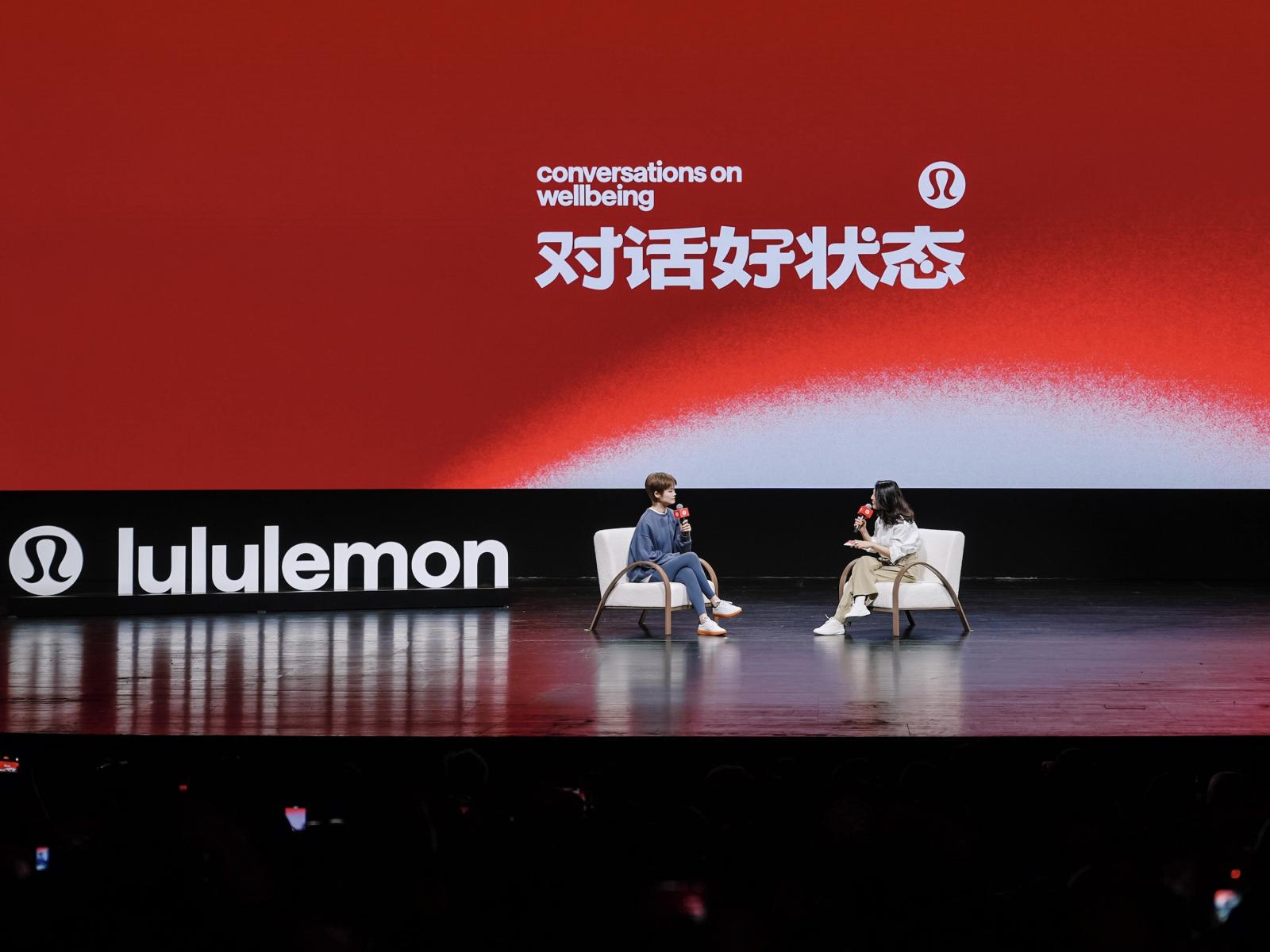
On October 7, lululemon kicked off its 2026 “Wellbeing for All” activation with an Experience Day at the Shangyin Opera House in Shanghai. The event brought together lululemon Brand Ambassador and renowned Chinese singer Chris Lee, world champion Deng Yaping, China's first Paralympic triathlete Wang Jiachao, humanities scholar Liang Yong'an and wellbeing expert Jesse Israel to share their personal stories, perspectives and practical approaches to wellbeing.
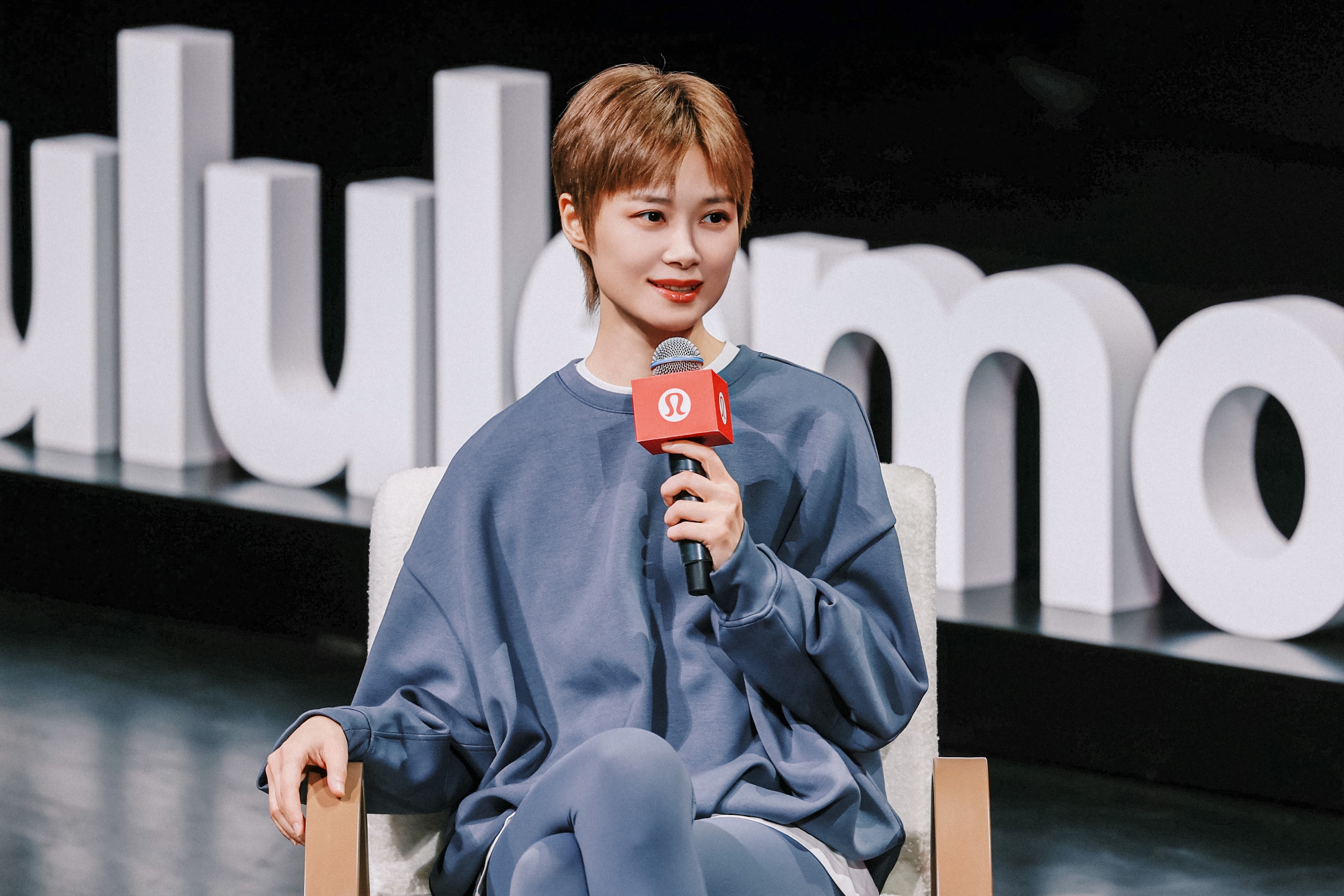
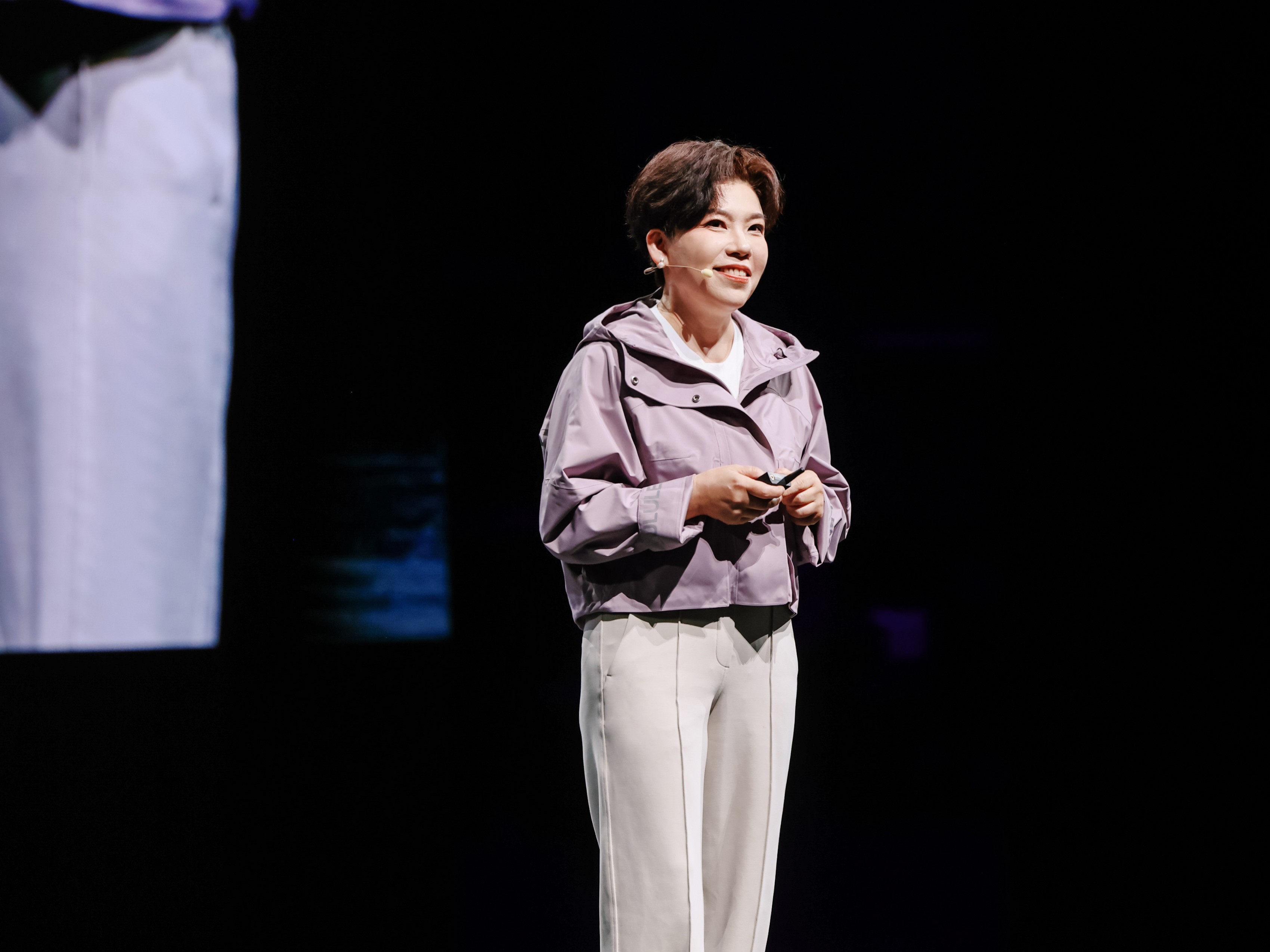
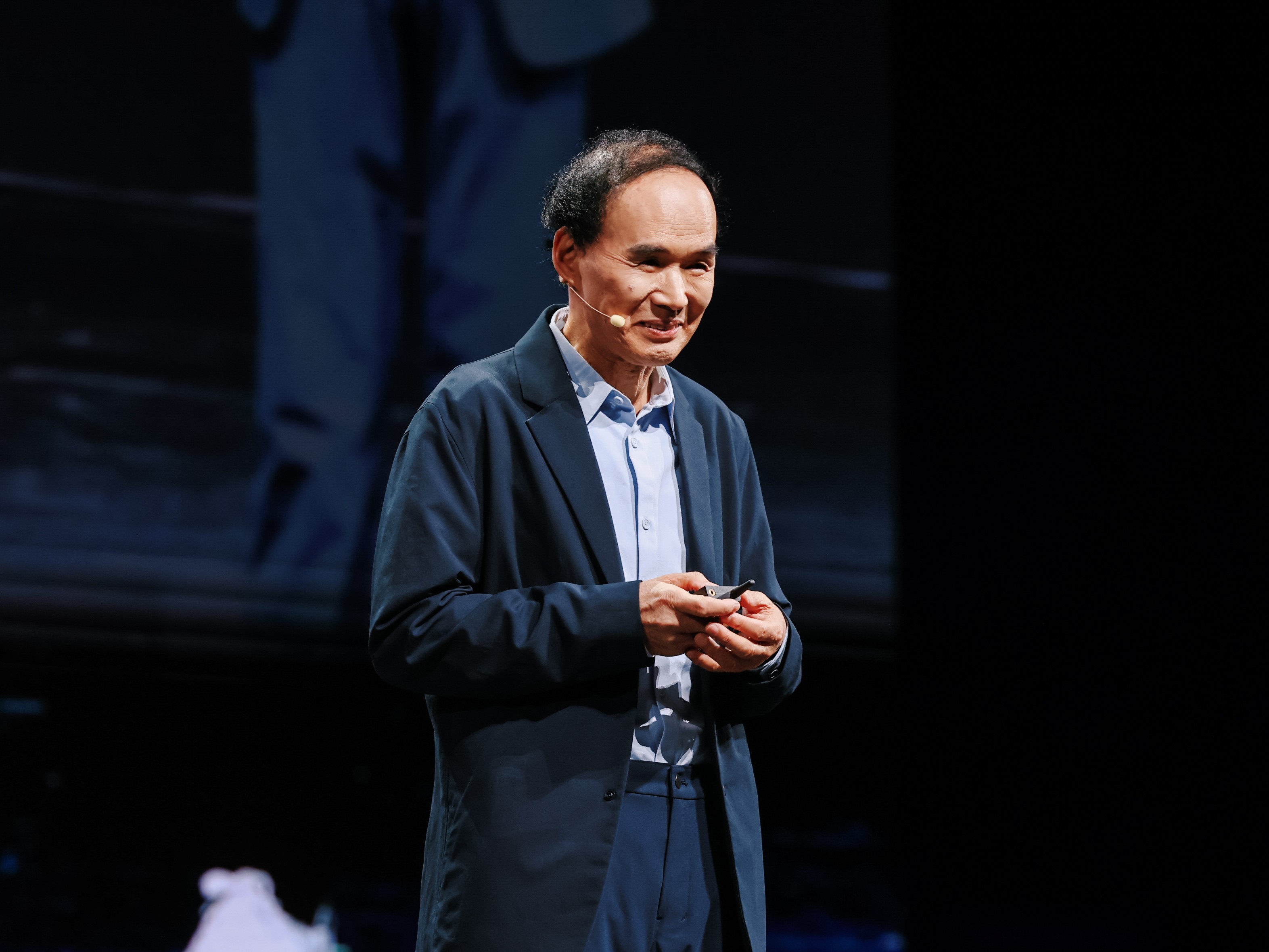
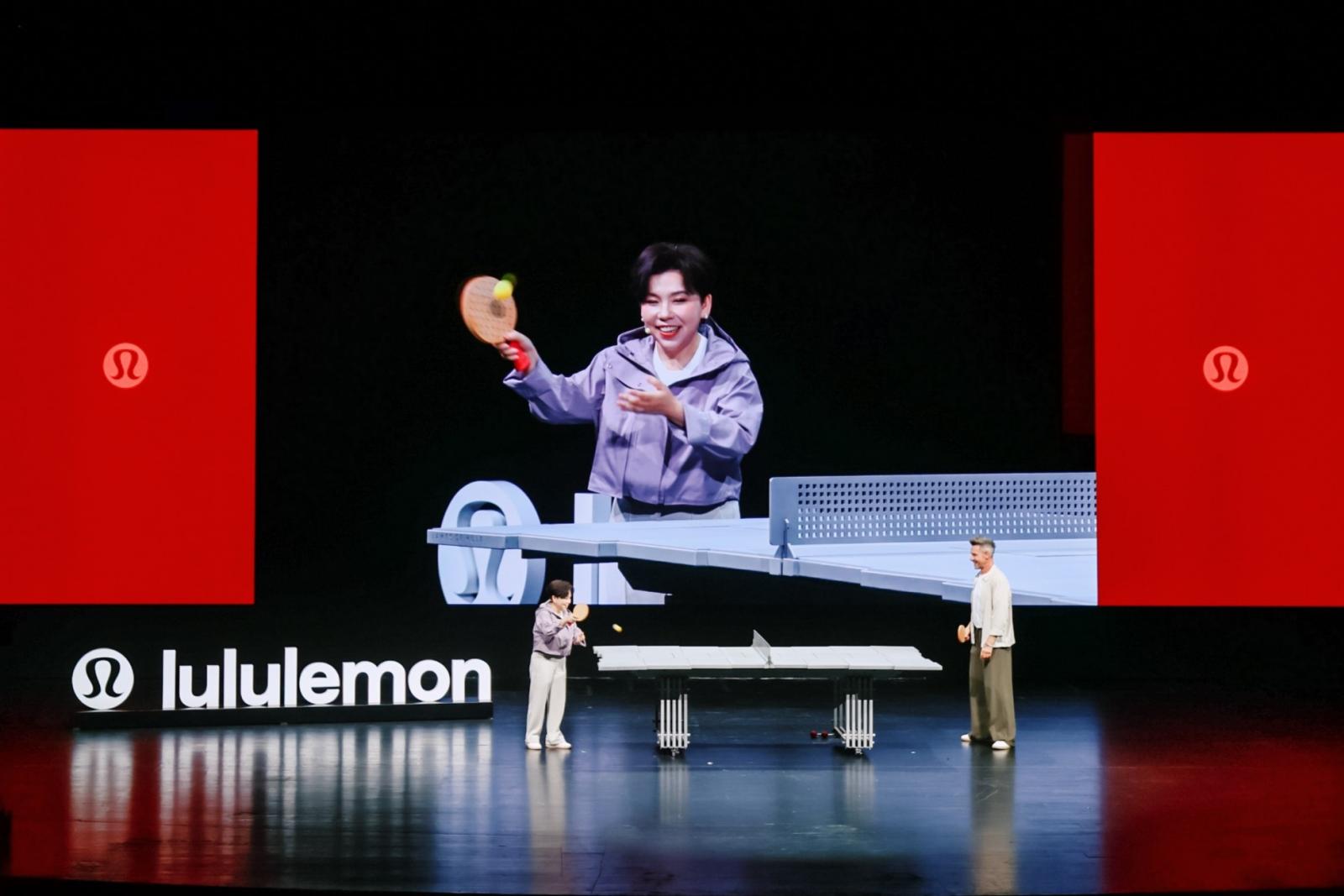
Beyond speeches and conversations, American artist James de Wulf's “Resonant Ping Pong Table, Song No. 1” brought the abstract concept of wellbeing to life through an interactive experience combining movement, sound and human connection.
Spanning sports, wellness, humanities and arts, the guests offered different perspectives on wellbeing. Despite their vastly different backgrounds, common themes emerged: wellbeing does not mean being constantly stable or moving steadily upward. It allows for fluctuations, inviting everyone to discover what it means to be well on their own terms.
This evolving interpretation clearly resonated with the audience. Attendees shared their reflections and personal interpretations on Chinese social media, while related discussions generated two trending topics on Weibo, each with popularity scores exceeding 5,000,000.
In recent years, wellbeing has become an increasingly prominent trend in the global consumer market as people pay greater attention to health and quality of life. China is no exception.
Accenture's China consumer insights, published in late 2025, found that amid the pandemic’s aftermath, people have been slowing down to appreciate everyday life. 86% of respondents were paying greater attention to their physical and mental health, while 57% were spending more time with family and friends and appreciating life's small pleasures.
This shift was also reflected in the 2025 China Wellbeing Report, released by the Research Center for Positive Psychology at Tsinghua University with support from lululemon. Based on a nationwide survey of more than 50,000 respondents, the report found that 62.9% and 53.8% of Chinese respondents had placed greater importance on mental and physical health respectively, compared with 2024.
People still want to feel better, perhaps more than ever. lululemon's “Wellbeing for All” activation, now in its sixth year, reflects the enduring appeal of the concept through growing participation and discussion.
Yet, the challenge is not simply to recognize this shift, but to translate a broad idea into something people can relate to and experience firsthand.
In China, this requires connecting wellbeing with local culture and everyday life. While the concept has long been discussed in Western societies and many of the ideas it encompasses are deeply rooted in Chinese history and culture, there was no universally accepted Chinese equivalent.
From 2021, lululemon began inviting Chinese consumers to explore the question, “What does it mean to be well?” Rather than offering a fixed definition, the brand has continued to explore wellbeing across physical, mental and social dimensions, inviting people to discover what being well means to them.
But discussing a concept alone is not enough to build genuine affinity. Over the past six years, lululemon has gone further by translating the abstract concept of wellbeing into tangible experiences.
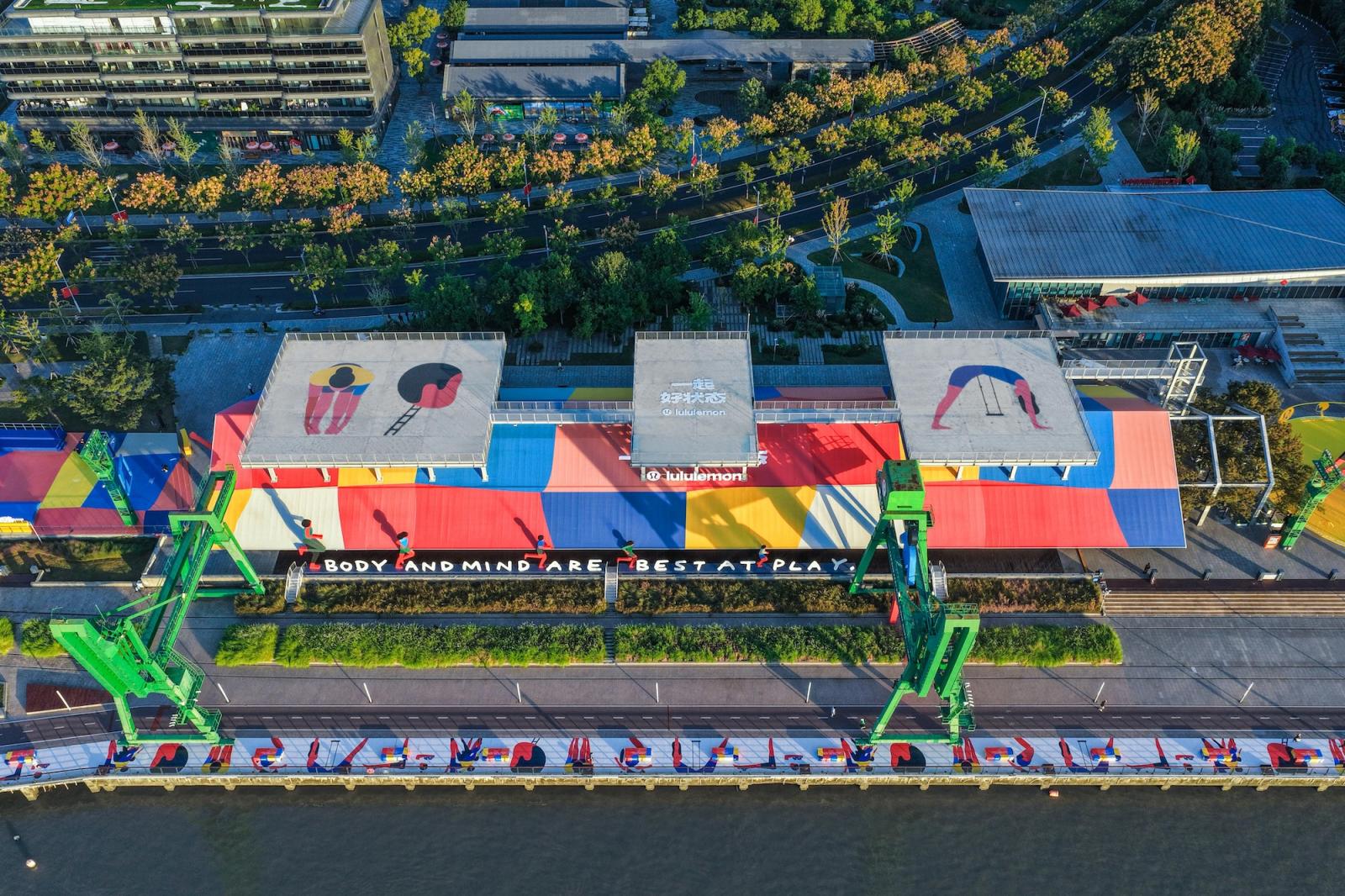
In 2025, lululemon presented “Wellbeing Playground” in Shanghai, in collaboration with artist Geoff McFetridge, encouraging people to explore the body and mind as the best playmates through movement and conversation. Together with community events across China, the initiative engaged nearly 16,000 participants.
This year, “Wellbeing for All” activation continues that approach. Beyond conversations, lululemon is partnering with studios across Shanghai to host an eight-day sweat program beginning October 10, while store-level community events are taking place across China. On top of that, the brand continued collaboration with Geoff McFetridge for Amplify the Quiet, a run and lifestyle collection that explores how movement can quiet distractions and help people reconnect with themselves.

Meanwhile, the concept has been embedded into the brand’s broader cultural storytelling. Over the past three years, lululemon’s “Be Spring” Chinese New Year campaign series explored related themes through a distinctly cultural lens. Featuring internationally renowned figures with deep connections to Chinese culture, including Michelle Yeoh and Yo-Yo Ma, the campaigns have explored the connection between body and mind in 2024, encouraged people to rediscover the hope, optimism and curiosity that marked the beginning of their journeys in 2025, and invited them to find new perspectives and possibilities in familiar routines in 2026.
While these campaigns may not explicitly center on wellbeing, they consistently explore how people connect with themselves, their lives and one another.
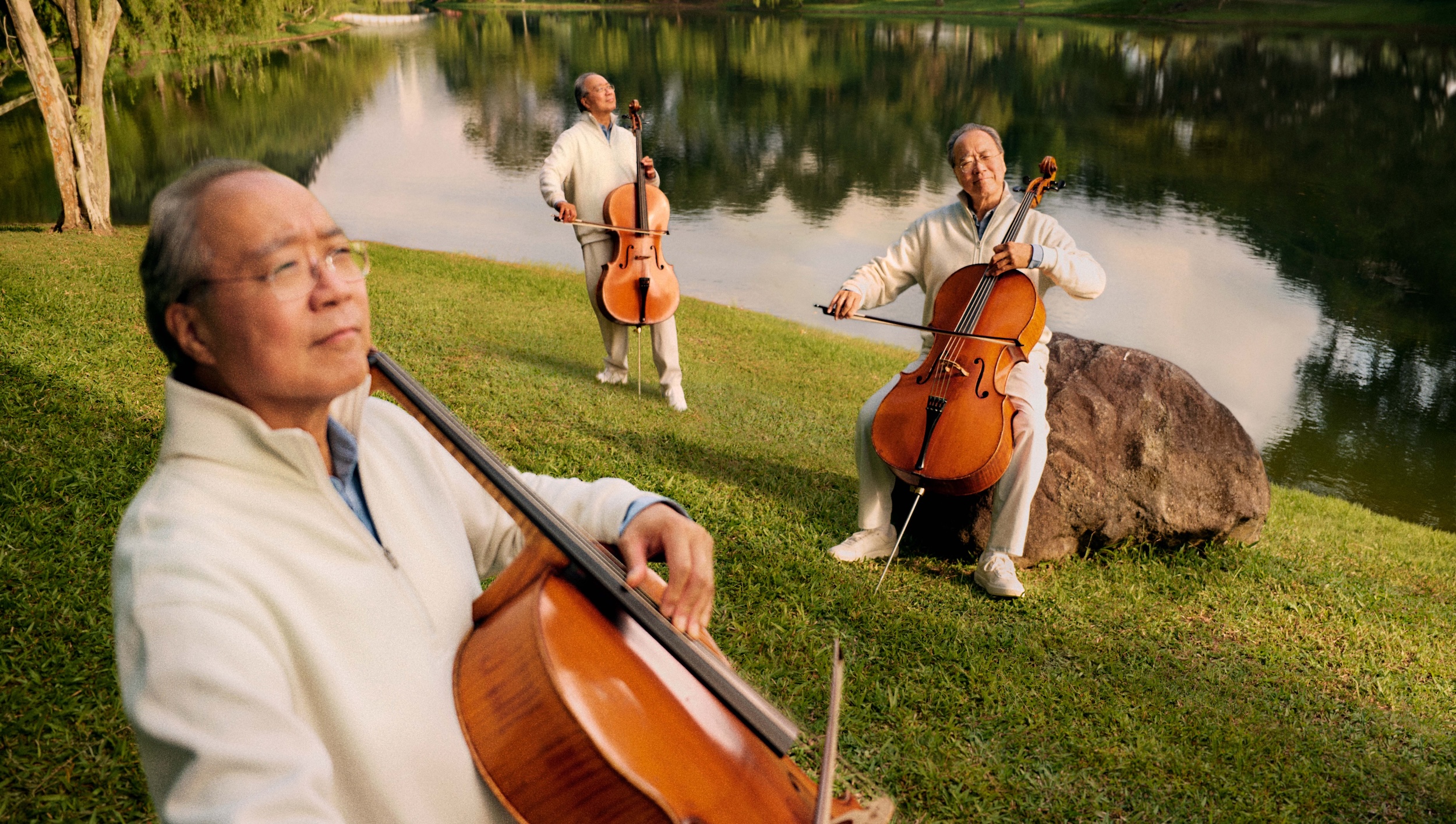
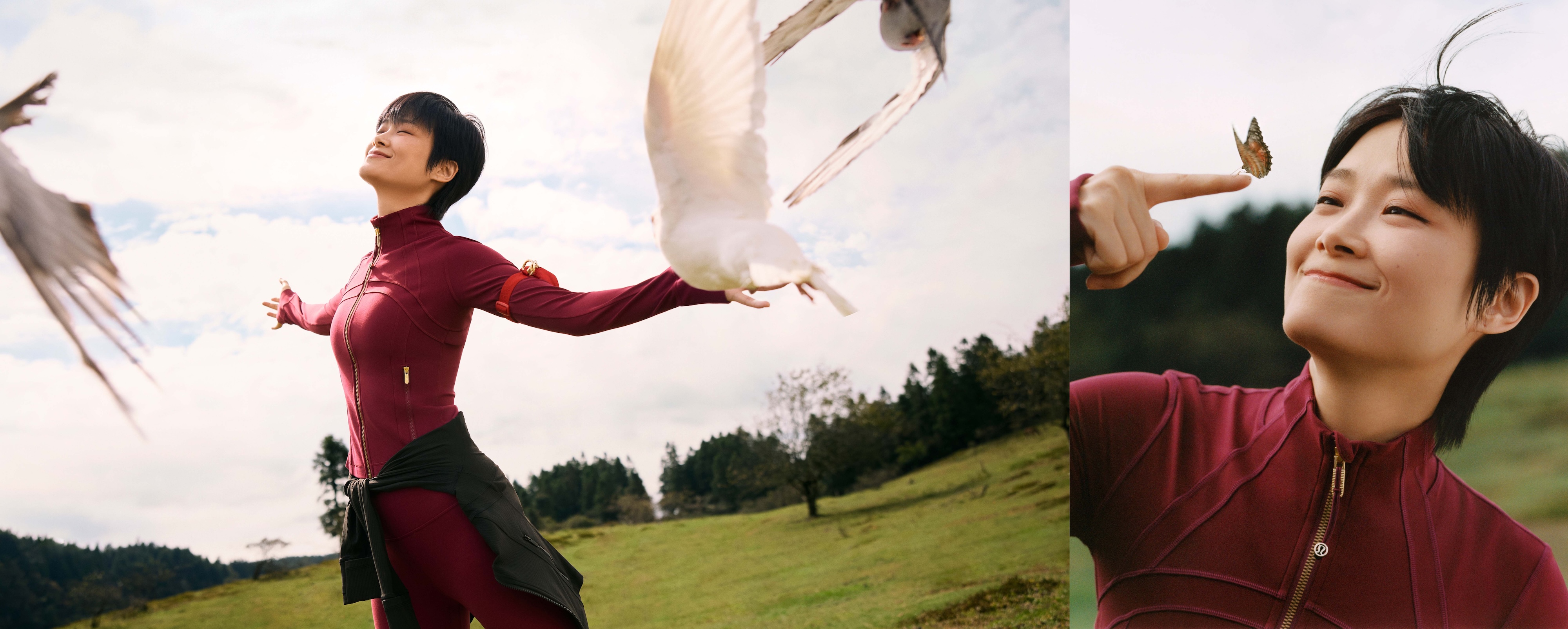
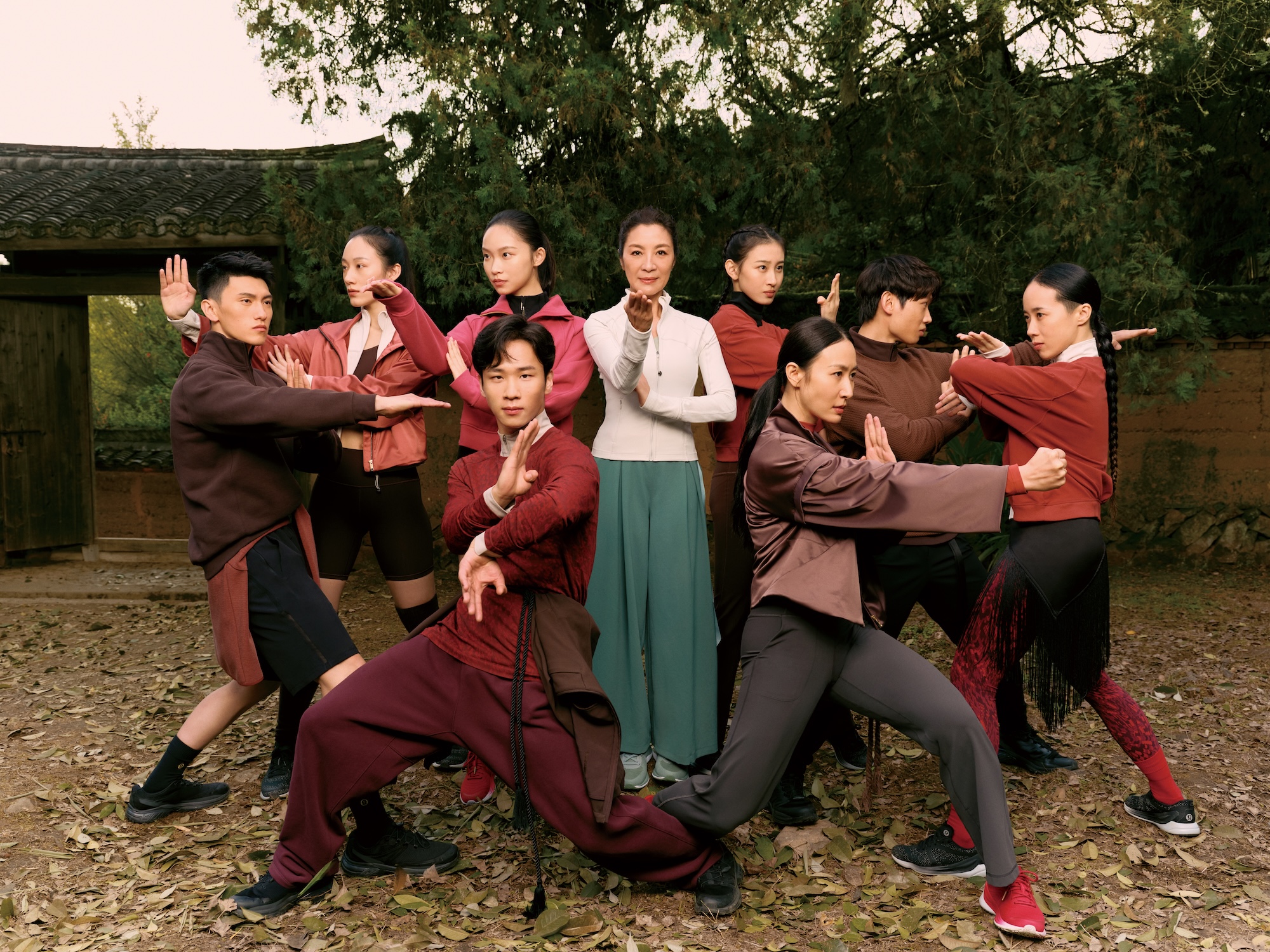
Together, these efforts have helped lululemon make wellbeing more relatable and tangible for Chinese consumers, while reinforcing a consistent set of brand values across different campaigns and experiences.
As consumers become increasingly discerning, building long-term affinity requires more than consistency alone. Brands must also ensure that their values remain relevant as consumer expectations evolve. For lululemon, wellbeing has provided a lasting platform for exploring new ideas and experiences while staying true to its core philosophy.
Six years on, wellbeing has become a distinctive part of lululemon’s brand language. By continually finding new ways to resonate with Chinese consumers' evolving pursuit of wellbeing, it has enabled lululemon to extend its relevance well beyond sport.








 Scan this QR Code with WeChat
 WeChat
 Email
Email Share
Share
 Favorites