简体中文
简体中文

- FEATURE
- |
- MERGERS & ACQUISITIONS
- |
- FINANCIAL
- |
- MARKETING
- |
- RETAIL
- |
- ESG-SUSTAINABILITY
- |
- LIFESTYLE
- |
-
MORE




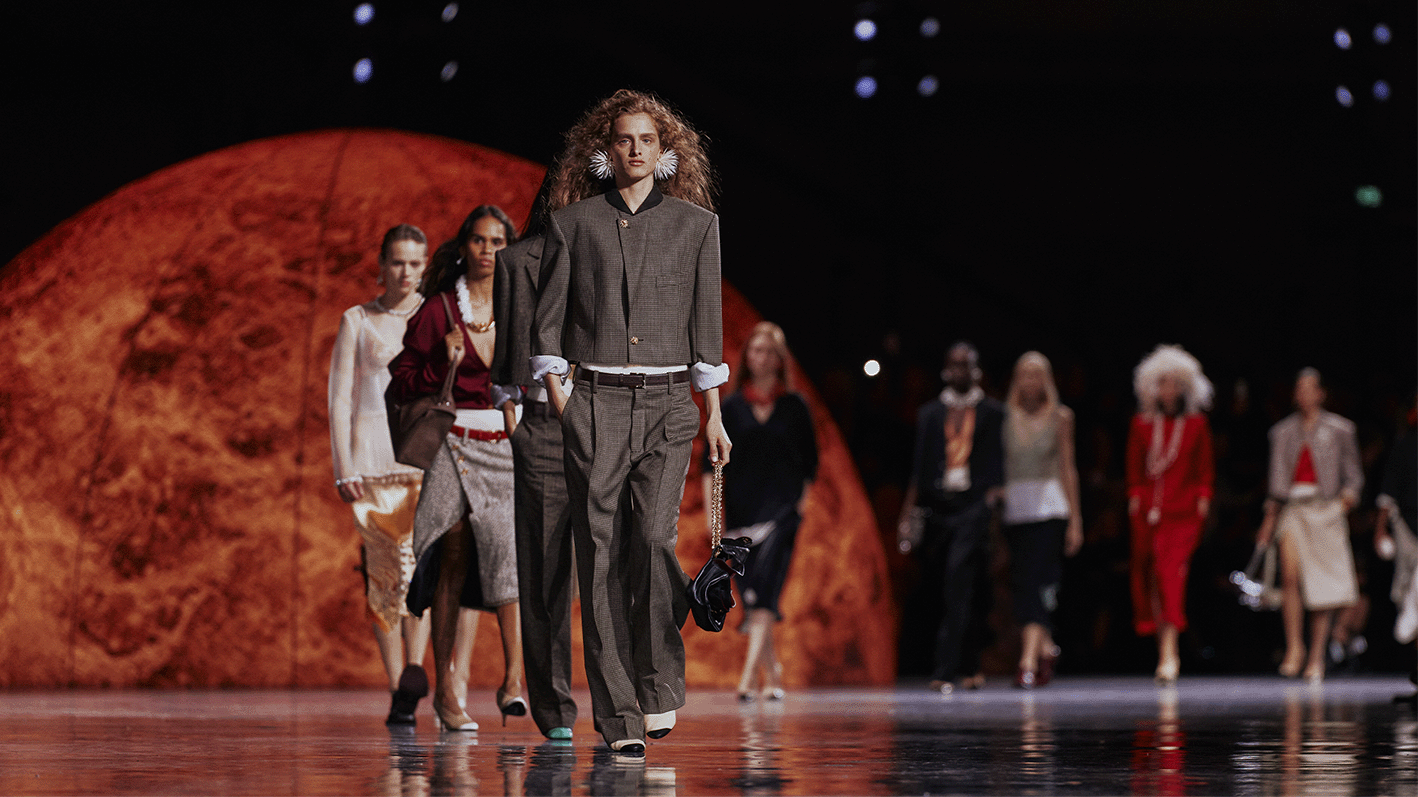
The luxury industry has spent much of the past two years searching for reassurance. As growth slowed, consumers turned cautious, and once-unshakable brands stumbled, the sector longed for a report card capable of restoring confidence — one that neither Louis Vuitton nor Dior had quite managed to hand in.
Chanel, it turns out, may have done exactly that.
On May 19, the French house released its full-year 2025 financial results. Sales rose 2 percent at constant exchange rates to $19.3 billion, operating profit increased 5 percent to $4.7 billion, while net profit slipped 4.3 percent to $2.9 billion.
At first glance, these are hardly spectacular numbers. But context matters. In an industry still emerging from a period of uneven recovery and structural recalibration, low-single-digit growth has become meaningful again — particularly for a house operating at the very top of luxury.
More importantly, Chanel’s performance signals something psychologically significant: luxury’s most valuable customers still believe in the category’s foundational bargain — not value for money, but desirability.
In other words, consumers at the top end are still willing to buy products whose appeal lies not in practicality or rationality, but in emotional magnetism. That matters because it validates the central logic luxury has relied on for decades.
After Hermès posted a 9 percent rise in fiscal 2025 sales, Chanel now offers the industry another reassuring signal that aspiration has not disappeared — only become more selective.
Equally notable is what did not happen. Chanel avoided repeating the rare stumble of fiscal 2024, when both sales and profitability weakened simultaneously. Simply regaining positive momentum counts as a meaningful win for a house known for stability but rarely dramatic acceleration.
Net profit, meanwhile, moved in the opposite direction, declining despite regular product price increases. Chanel did not explicitly unpack the reasons in its annual report, though the answer appears relatively straightforward: investment.
Rather than maximizing short-term profitability, the company appears to be spending aggressively behind the scenes — strengthening infrastructure, retail, cultural positioning and customer experience.
Management emphasized that sales accelerated during the second half of 2025, reaching high-single-digit growth and continuing into the early months of 2026. That statement, arriving with the current year already halfway underway, reads almost like a preview of the next earnings story.
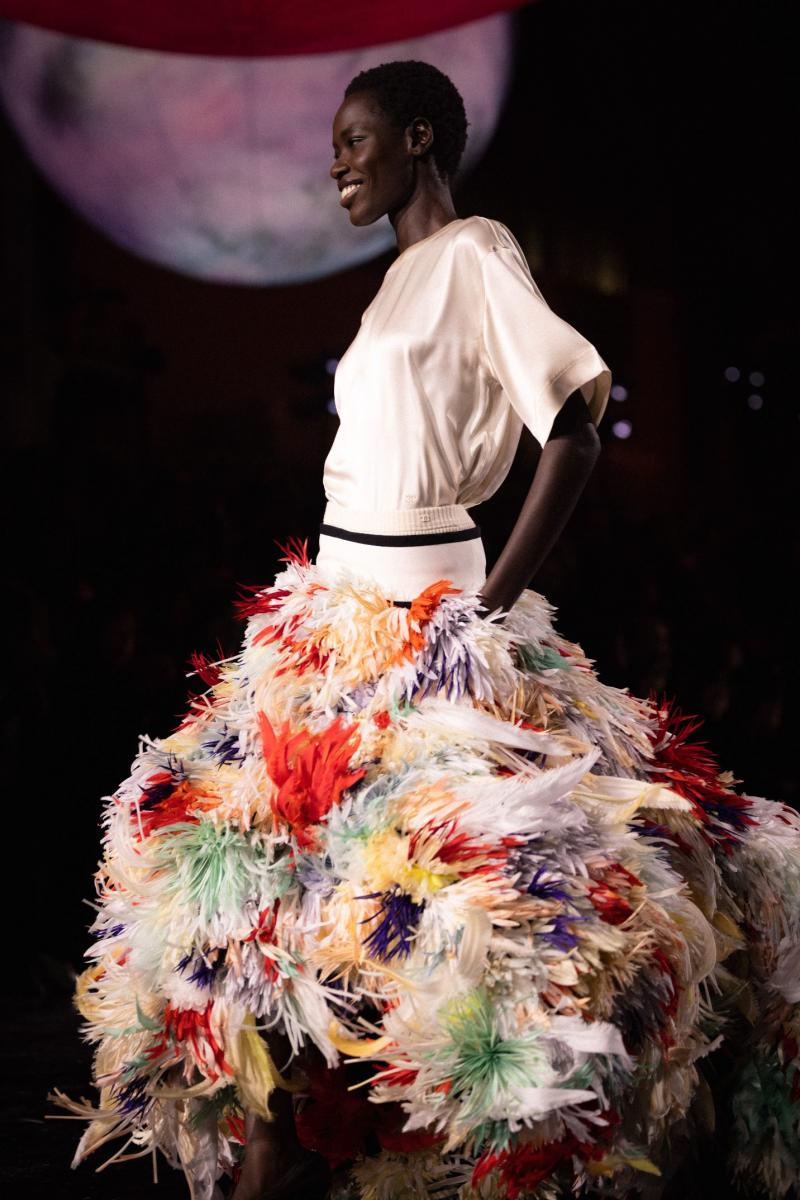
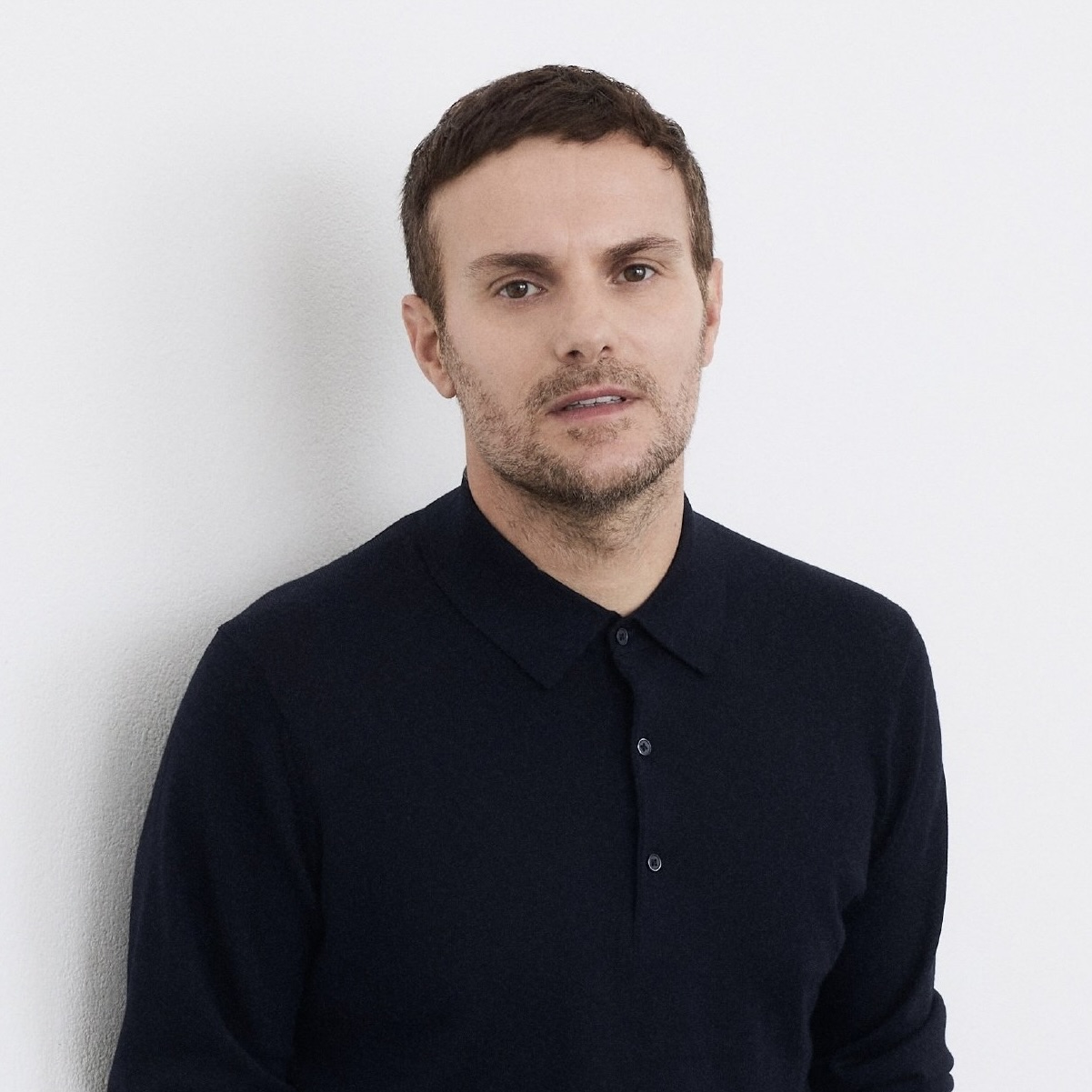
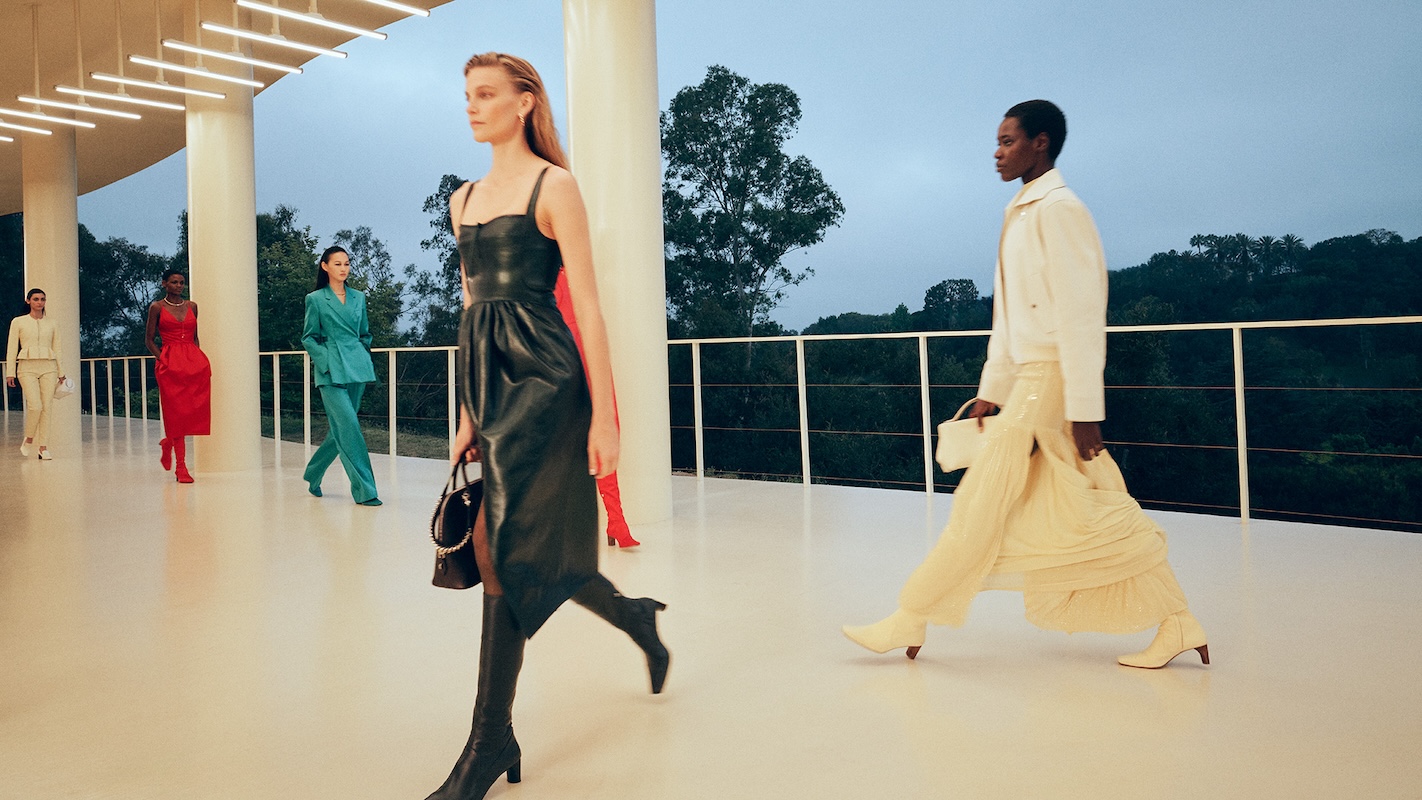
Naturally, attention quickly turned toward Chanel’s newly appointed Artistic Director of Fashion Activities, Matthieu Blazy.
Yet Chanel has been eager to establish one crucial caveat: timing.
In conversations with ConCall, the company stressed that Blazy’s first official collection only began landing in stores in late March 2026, meaning none of his commercial impact is reflected in fiscal 2025 results.
Still, expectations are building fast.
Chanel CEO Leena Nair shared, “The early holistic indicators are very good. Clients are excited. The collections have been in the boutiques only since March 2026, so it's very early to talk about numbers in totality across the house.”
For a brand long defined by consistency and discipline, Blazy represents something closer to controlled disruption: an opportunity to refresh Chanel’s visual language without destabilizing the codes that made it culturally dominant in the first place.
Online reactions to Blazy’s designs remain polarized, but disagreement has produced an outcome luxury Industry arguably values most — renewed attention.
Whether consumers love or question the work, the house has returned to the center of fashion conversation.
And in luxury, relevance often arrives before revenue.
That renewed heat around Chanel is one reason investors and observers increasingly expect next year’s financial report to tell an even more compelling story.
Behind the headlines, Chanel’s business fundamentals remained broadly resilient.
Fashion — including ready-to-wear and leather goods — once again served as the company’s largest revenue contributor. Ready-to-wear proved especially strong, while the Chanel 25 continued gaining traction among consumers, reinforcing the house’s ability to generate demand through product rather than scarcity alone.
Fragrance & Beauty also posted growth.
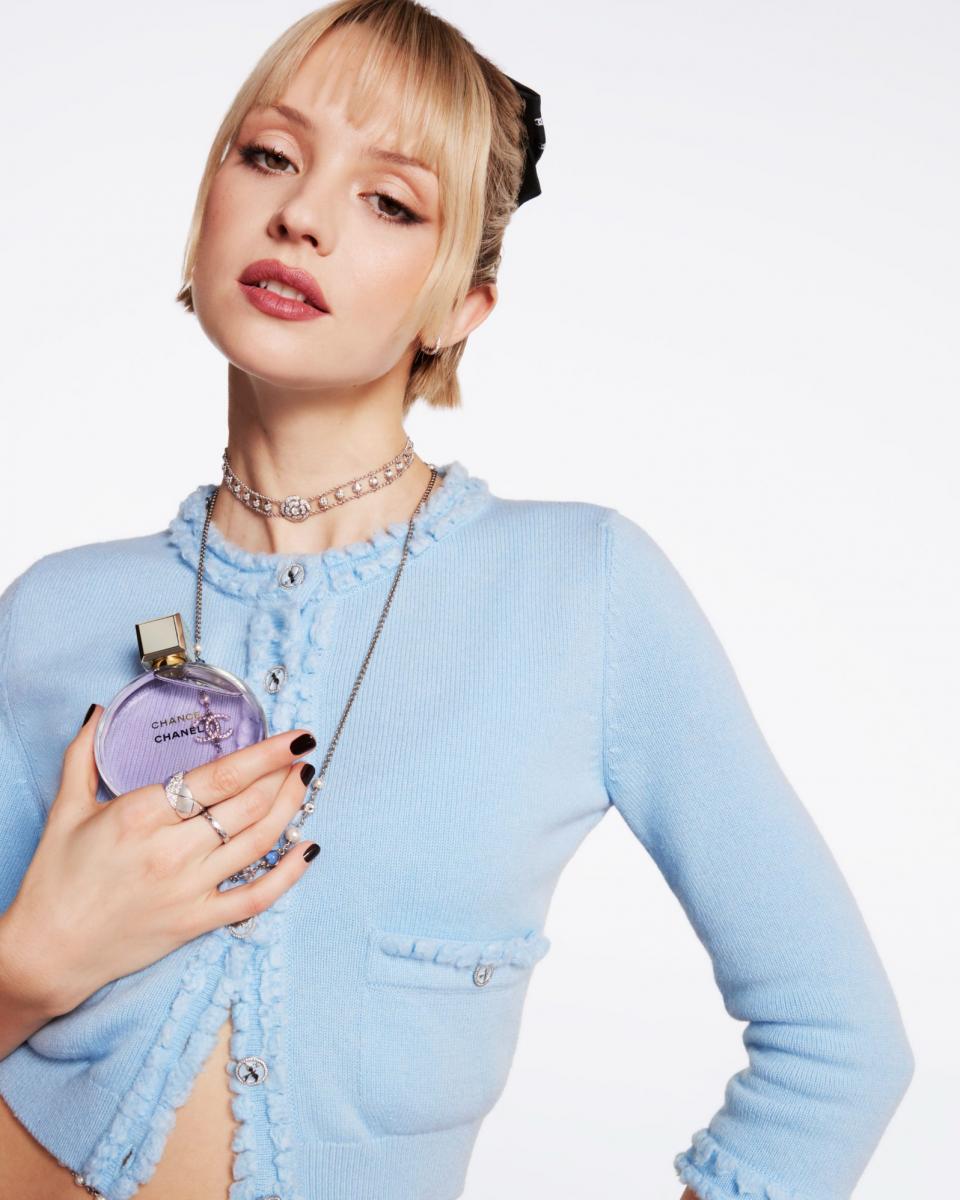
Central to this performance was CHANCE EAU SPLENDIDE, Chanel’s first entirely new women’s fragrance in eight years, created by in-house perfumer Olivier Polge and launched through an ambitious global immersive marketing campaign.
At the same time, Chanel continued expanding its beauty ecosystem, opening more than 25 Fragrance & Beauty boutiques globally and launching e-commerce operations in Mexico and Argentina.
Meanwhile, Watches & Fine Jewellery — long positioned as strategic growth businesses — also expanded, supported by strong demand for the COCO CRUSH range and particularly healthy performance in the U.S. market.
As momentum accelerated, Chanel deepened its investment in Asia, opening dedicated Watches & Fine Jewellery boutiques in Sydney, Bangkok and Hong Kong S.A.R..
In regional performance, the Americas led growth, posting a 7.2 percent rise in sales at constant exchange rates. Europe expanded 2.5 percent. Asia-Pacific declined 0.8 percent, reflecting continued softness in Greater China.
Yet management sounded notably more optimistic about China than many peers have in recent quarters.
Chanel said Mainland China, Hong Kong S.A.R. returned to positive growth in the fourth quarter of 2025, with momentum carrying into early 2026.
Following a recent trip to China, Leena Nair described seeing visible signs of renewed energy in the market, adding that enthusiasm surrounding Blazy’s collections had become increasingly apparent. She emphasized that China remains one of Chanel's most important long-term markets, and that the current recovery reflects years of continuous investment by the brand
Last year, the house reopened its renovated Plaza 66 boutique in Shanghai while adding five new Fragrance & Beauty boutiques nationwide. This year, Chanel plans to launch a second VIP salon in Shanghai and continue “selectively expanding” its retail footprint.
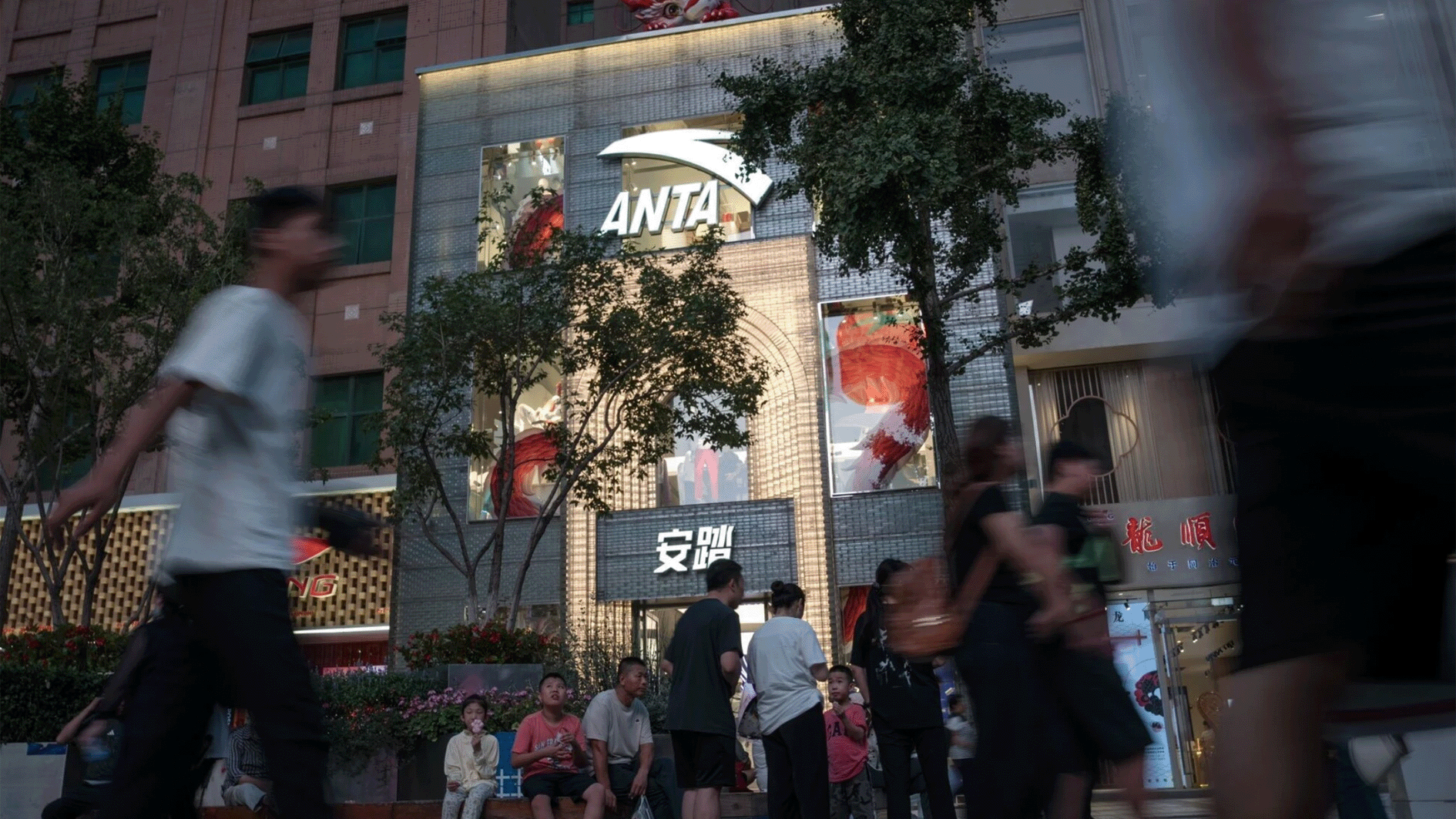
The math partly explains the urgency: At present, Chanel operates only around 20 boutiques in China - significantly fewer than the roughly 45 boutiques maintained on average by competitors - making network expansion one of Chanel's key strategic priorities in the Chinese market going forward.
At the same time, Chanel is investing in cultural proximity.
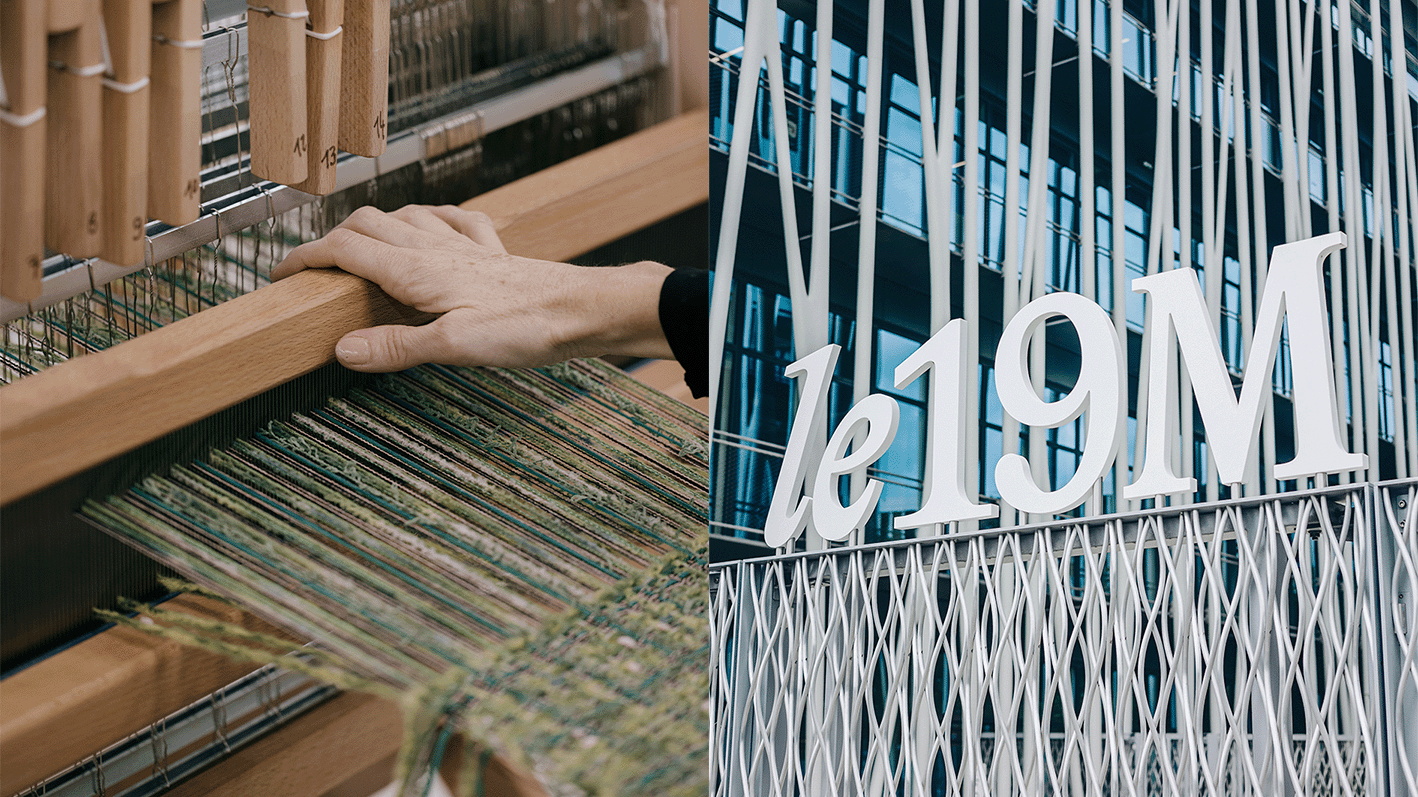
Its artisanal platform le19M will debut a cultural initiative at the Museum of Art Pudong later this year, reinforcing the house’s long-running strategy of embedding itself into conversations around craftsmanship, culture and creative exchange rather than relying solely on commercial visibility.
Pricing, meanwhile, will remain measured.
Executives said Chanel intends to maintain relatively cautious price increases in 2026, broadly aligned with inflation. Average pricing rose approximately 3 percent in 2025, while Fashion products increased closer to 2 percent.
Chanel CFO Philippe Blondiaux described the results as evidence of strength across every business category, underscoring continued investment into craftsmanship, retail expansion and client experience.
The bigger strategic implication, however, may lie outside Chanel itself.
Morgan Stanley analysts estimate that if Chanel delivers roughly 10 percent sales growth this year, it could capture nearly one-third of luxury’s incremental growth globally, despite an industry expected to expand only around 2.5 percent overall.
That prediction may sound dramatic, but recent comparisons make it harder to dismiss.
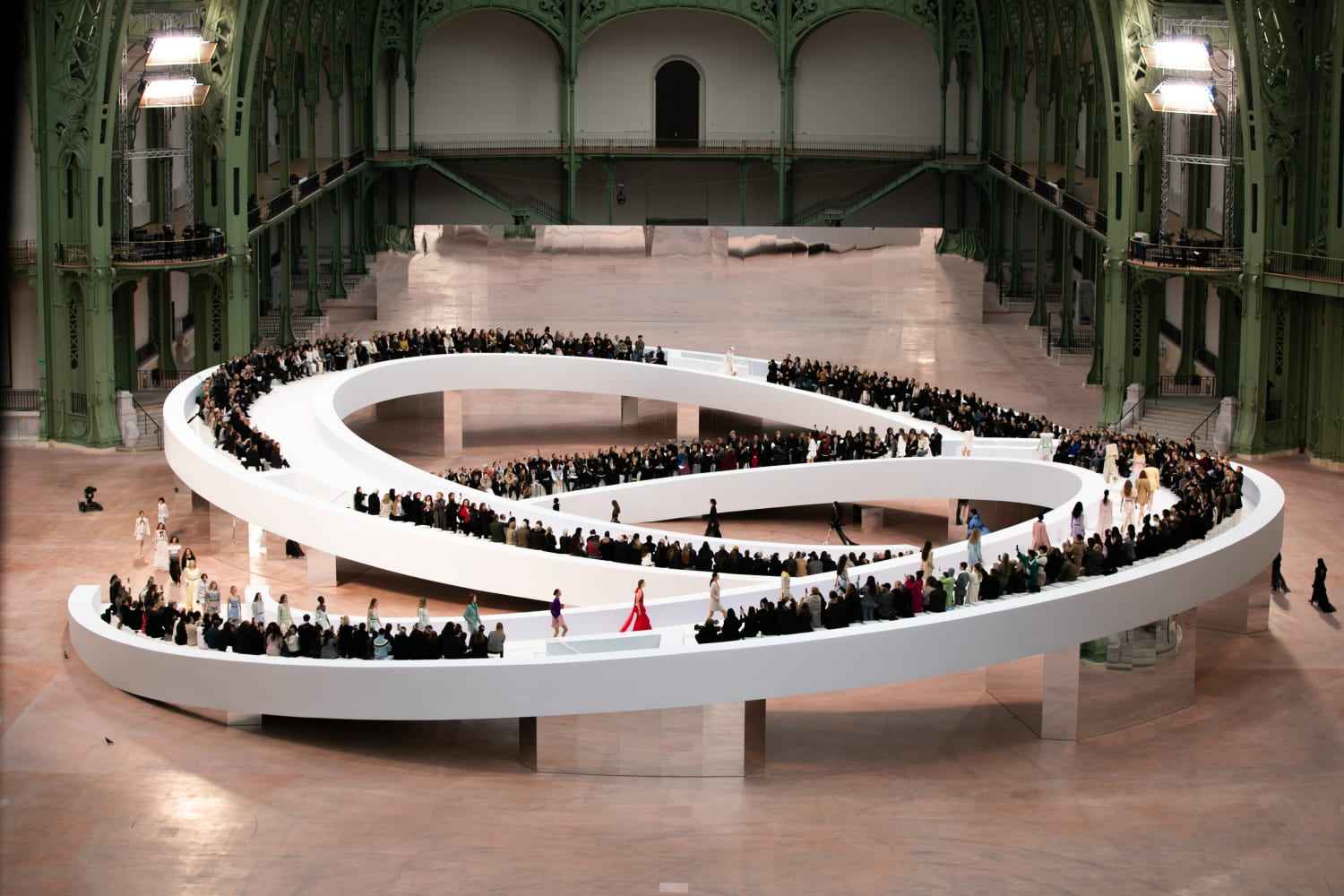
LVMH’s fashion and leather goods division, by contrast, declined sharply, while Dior — despite excitement surrounding Jonathan Anderson’s appointment — still appears to be rebuilding momentum rather than completing a turnaround.
Gucci finds itself somewhere in between.
Demna’s arrival has unquestionably reignited conversation around the brand, with recent runway shows generating intense attention, even as debate persists over whether disruption alone can restore long-term commercial momentum.
In that sense, Chanel occupies an unusually enviable position.
Unlike rivals still struggling to reignite excitement, it already has momentum — and a fresh creative narrative arriving at exactly the right moment.
But momentum alone is not recovery.
From a series of brand activations stretching from New York to Biarritz, to the emergence of what has increasingly been referred to as “Blazymania” following his debut collection, Matthieu Blazy has continued strengthening Chanel's relevance among both consumers and the wider fashion industry.
At a moment when the luxury sector remains in a slow recovery phase and consumers are becoming increasingly cautious, the only true catalyst capable of reigniting purchasing desire is product innovation carrying genuine freshness and strong aesthetic momentum.
So far, Matthieu Blazy's achievement in this regard is difficult to dispute.
However, Chanel’s $19.3 billion in revenue and $4.7 billion in operating profit still sit below levels reached before fiscal 2024. The challenge now is not simply to rebound, but to sustain acceleration.
To that end, the company confirmed that following substantial investments last year, roughly half of 2026 capital expenditure will again be directed toward retail expansion. Around 30 additional stores are planned across markets including Hong Kong S.A.R., Las Vegas, Toronto and Fukuoka.
The spending may weigh on profitability in the near term, but Chanel appears comfortable with short-term discomfort in exchange for longer-term resilience.
Because when luxury consumers begin talking about product, creativity and desirability again — rather than simply price increases — something meaningful tends to follow.
And for Chanel, the new chapter centered around Matthieu Blazy may, in fact, only just be beginning.













 Scan this QR Code with WeChat
 WeChat
 Email
Email Share
Share
 Favorites