简体中文
简体中文

- FEATURE
- |
- MERGERS & ACQUISITIONS
- |
- FINANCIAL
- |
- MARKETING
- |
- RETAIL
- |
- ESG-SUSTAINABILITY
- |
- LIFESTYLE
- |
-
MORE




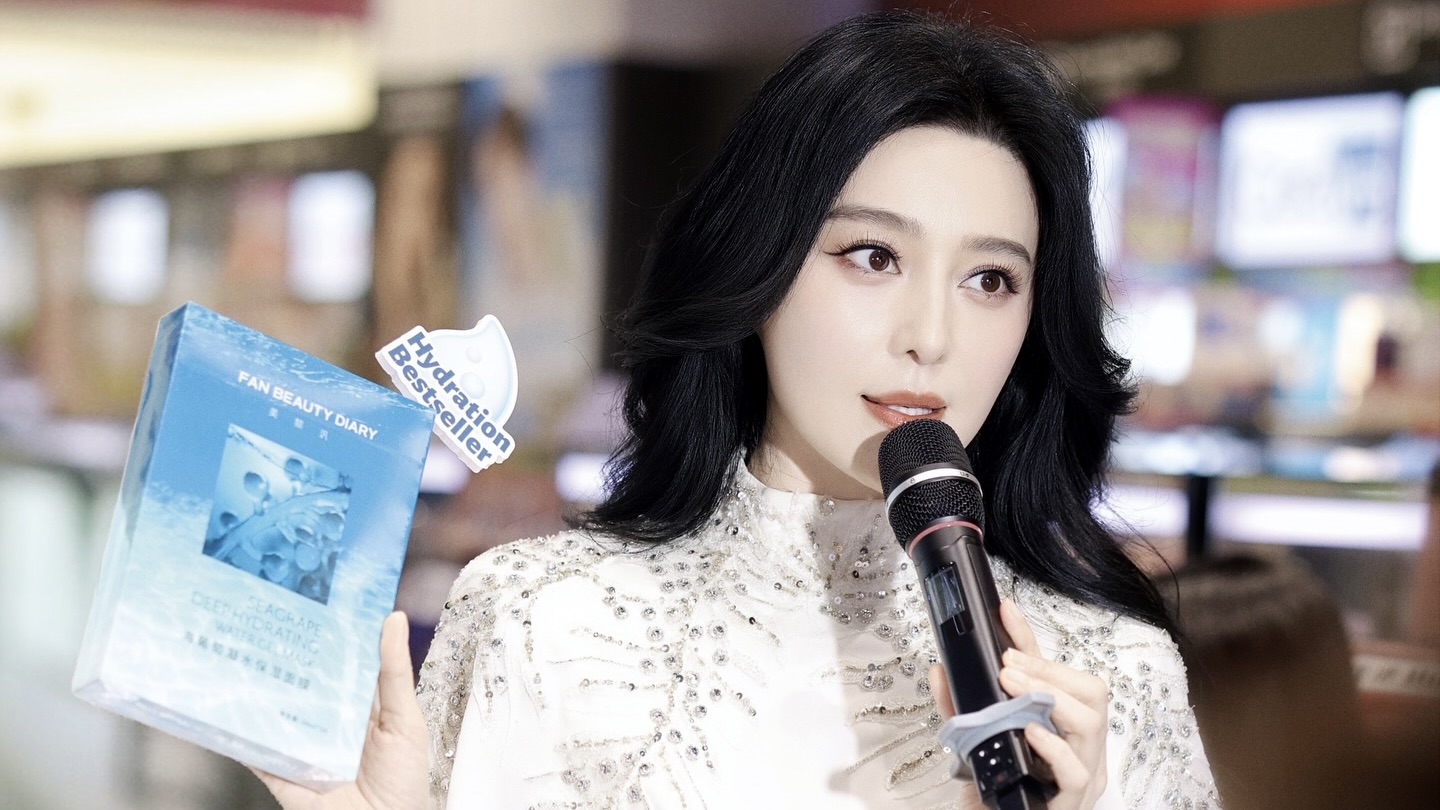
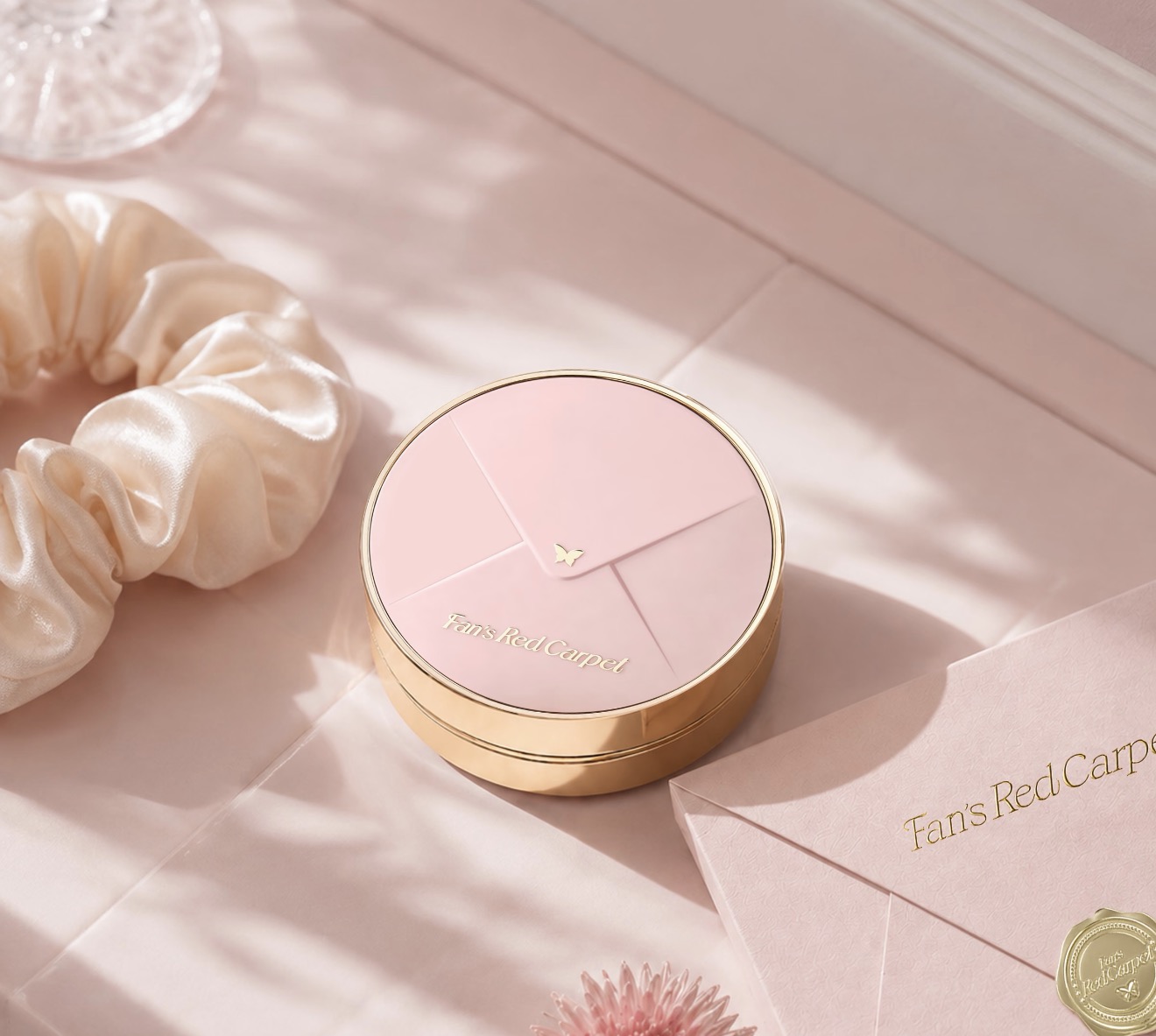
China's celebrity beauty sector has been particularly active lately. After two months of teasers, actress Zhao Lusi has officially launched her own beauty brand. Meanwhile, Fan Bingbing's Fan Beauty has introduced its first cushion foundation, generating more than 10 million yuan (about $1.5 million) in sales within seven days of launch, despite being priced at 530 yuan, on par with some international prestige beauty brands.
There has never been a shortage of celebrities trying their hand at beauty entrepreneurship in China. Few, however, have managed to build successful businesses beyond their entertainment careers. To date, Fan Beauty is arguably the only one to have maintained a meaningful and largely positive influence over time.
Founded in 2018, Fan Beauty saw its annual gross merchandise value (GMV) grow from 300 million yuan (about $46.5 million) in 2021 to 1.8 billion yuan (about $250 million) in 2025. The brand has also performed well overseas. Within a year of entering Malaysia, it had climbed near the top of local e-commerce skincare rankings. Its Singapore debut earlier this year generated more than 12 million yuan in combined online and offline GMV in just three days. In May, it continued its regional expansion by entering Thai beauty retailer Beautrium.
Fan Bingbing is one of China's most recognizable celebrities. A decade ago, she almost single-handedly sparked a red-carpet movement among Chinese actresses at international film festivals. Even after a tax evasion scandal effectively ended her acting career in mainland China, loyal fans continued to follow the woman widely regarded as a modern beauty icon.
Yet Fan Beauty's current influence and sales performance can no longer be explained by Fan's celebrity status alone. After all, you may have forgotten that actress Carina Lau once launched a beauty brand of her own.
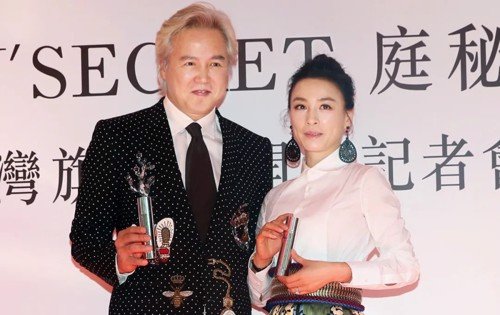
Judged purely by commercial performance, Tin’Secret, founded by actress Zhang Ting and her husband Lin Ruiyang, may have been far more successful than Fan Beauty. In 2018, its parent company, Dowell, paid 1.26 billion yuan in taxes. But as a weishang brand that became embroiled in a pyramid-selling controversy, Tin’Secret has struggled to gain mainstream credibility.
What accounts for these differences? How has a new generation of Chinese celebrity beauty brands, including Fan Beauty, evolved beyond its largely unsuccessful predecessors?
China's celebrity beauty boom began gathering momentum in 2013, the year Tin’Secret was founded.
It was also the year WeChat surpassed 300 million users. The rise of celebrity beauty entrepreneurship in China was closely tied to the emergence of weishang, a form of social selling built around personal networks on platforms such as WeChat, where transactions relied heavily on interpersonal trust rather than open marketplaces.
Carina Lau's beauty mask brand, comedian Guo Degang's Bobi Water, actress Zhang Xinyu's MissZhang and Christy Chung's beauty brand were among those that ventured into this channel.
For celebrities with little experience in the beauty industry, weishang offered a relatively easy and inexpensive route to market. It eliminated the high costs of opening physical or online stores, accelerated cash collection and shifted inventory risks onto distributors.
Tin’Secret took this model further than almost anyone else.
The company established a rigid hierarchy in which higher team sales translated into higher ranks and greater rewards. To maintain their positions, distributors had to keep recruiting new members or purchasing products themselves to meet performance targets. Meanwhile, motivational success stories, lavish events and celebrity appearances encouraged distributors to believe they could be among the lucky few to strike it rich, drawing them deeper into the system.
Rather than building a successful beauty brand, Tin’Secret arguably created an efficient sales network. It wasn't selling consumers the dream of becoming more beautiful through skincare, but distributors the dream of getting rich through sales.
Such a semi-closed distribution system naturally filtered for loyal believers while insulating the business from external market scrutiny. It also created considerable distance between brand operators and end consumers. Negative consumer reviews did little to affect the revenue brands earned from distributors, leaving little incentive to invest heavily in product quality. Tin’Secret, for instance, faced allegations of extremely low production costs and repeated complaints that its products had caused serious skin reactions.
A new generation of celebrity beauty brands has taken a different approach.
Emerging amid the rise of livestream shopping and content-driven e-commerce, brands including Fan Beauty, BigEve Beauty, founded by influencer Zhang Dayi in 2018, and Code Mint, launched by Grace Chow (Zhou Yangqing) in 2021, have adopted direct-to-consumer (DTC) models centered on official flagship stores on major e-commerce platforms.
Without intermediaries, brands gain greater control over their businesses. They can collect immediate feedback through sales and customer data, respond quickly to consumer needs and exercise tighter control over brand image, shopping experiences and pricing. These capabilities are fundamental to building genuine customer loyalty for an emerging brand.
At the same time, the DTC model, which emphasizes direct communication between brands and consumers, allows celebrity influence to operate on another level, provided celebrities move beyond simply appearing in advertisements and present a more authentic and convincing image.
Beyond her acting career, Fan Bingbing is perhaps best known for her claim that she uses 700 sheet masks a year. Whether such a skincare routine is advisable is another matter, but her reputation as a beauty enthusiast is firmly established. A devoted face-mask user launching a face-mask brand feels entirely natural. By contrast, although Guo Degang is no less recognizable to the Chinese public, the idea of him selling face masks seemed more absurd than novel.
Since establishing Fan Beauty, Fan has consistently shared skincare, makeup and haircare content on social media, demonstrating to consumers that she genuinely understands beauty and its products. Her instinct for personal branding, coupled with her ability to execute, is an undeniable advantage in the age of content commerce.
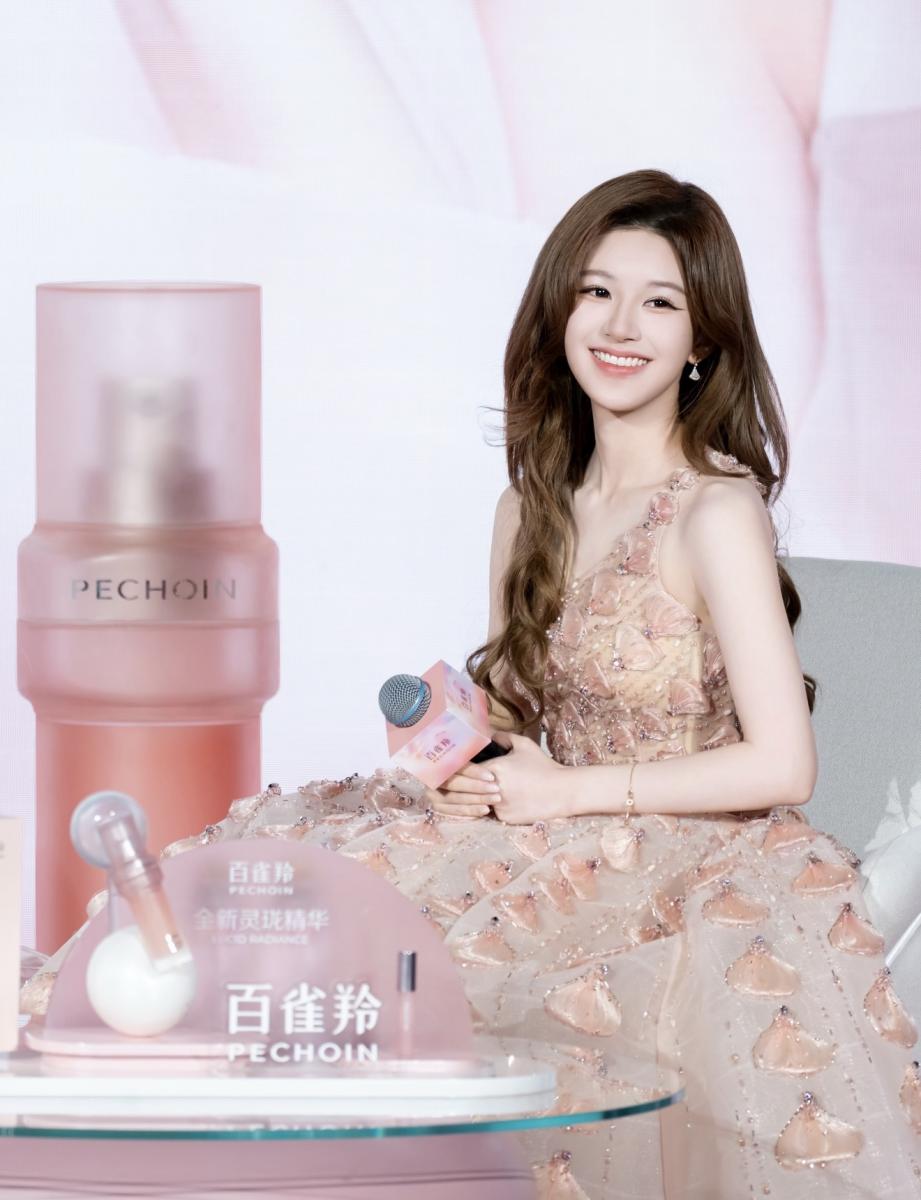
Zhao Lusi, who has just launched her own beauty brand, is among China's most commercially influential Gen Z actresses, with a proven ability to drive sales.
She rose to fame in 2020 through the costume romance drama The Romance of Tiger and Rose. Her current social media popularity also owes something to her highly publicized dispute with her management agency.
In August 2025, Zhao hosted lengthy livestreams over several consecutive days. Beyond revealing details of her dispute with the agency, she casually shared aspects of her daily life, including beauty tips, without the usual distance associated with celebrity appearances. This sense of authenticity and companionship helped make her the first creator on Xiaohongshu to surpass 20 million followers, while earning her a reputation as an "online best friend" to young girls.
Her endorsement results further demonstrate her commercial appeal. After Chinese skincare brand Pechoin named Zhao as an ambassador, its sales across all channels exceeded 48 million yuan in three days. Meanwhile, 1,109 limited-edition Charlotte Tilbury gift sets sold out within a day of her appointment as a brand ambassador.
More recently, Charlotte Tilbury hosted an "unscripted" livestream with Zhao. There was no conventional program or elaborate set. Instead, Zhao simply chatted with fans while applying the brand's latest makeup products. Concurrent viewership peaked at 105,000.
In July, Zhao's beauty brand Rose Amigo made its first public appearance at her concert in Macau, where attendees could receive complimentary sheet lip masks. Before the brand had even begun formally promoting its products, fans were already sharing the gifts organically on social media.
There is another celebrity beauty brand worth revisiting from before 2013: JPlus, launched in 2009 by television host Li Jing.
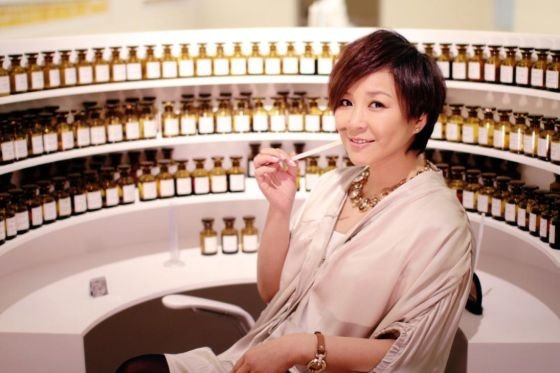
In 2012, Lefeng.com, the beauty-focused e-commerce platform founded by Li, generated 1.98 billion yuan (about $314 million) in sales, with its private-label brands contributing 400 million yuan (about $63 million). JPlus was the most important of these.
Li controlled several valuable resources at once: media content, the audience trust she had built through hosting the fashion and beauty television program Pretty Woman, relationships with celebrities and beauty experts, and her own e-commerce platform.
Her beauty business quickly gained momentum, incubating a series of celebrity and influencer brands, including Annie Yi's JQueen and a men's skincare line from the musical duo Yu Quan.
JPlus was effectively an early version of content-driven e-commerce, except that television programs were its primary sales engine.
But the rise of major e-commerce platforms and a new generation of social media increasingly squeezed its room to compete. Lefeng.com ceased operations in 2019, and JPlus subsequently faded from public view.
Celebrities naturally launch their own brands to monetize their fame. But many early celebrity beauty brands took a rather unsophisticated approach to cashing in on their fans. Their founders often had little genuine involvement in product development, relying instead on private-label manufacturing, sometimes with questionable product quality. Such businesses were unlikely to survive in the long term.
Jimmy Lin, who enjoyed a resurgence in popularity following the hit 2013 reality show Where Are We Going, Dad?, offers one example of a celebrity beauty venture gone wrong.
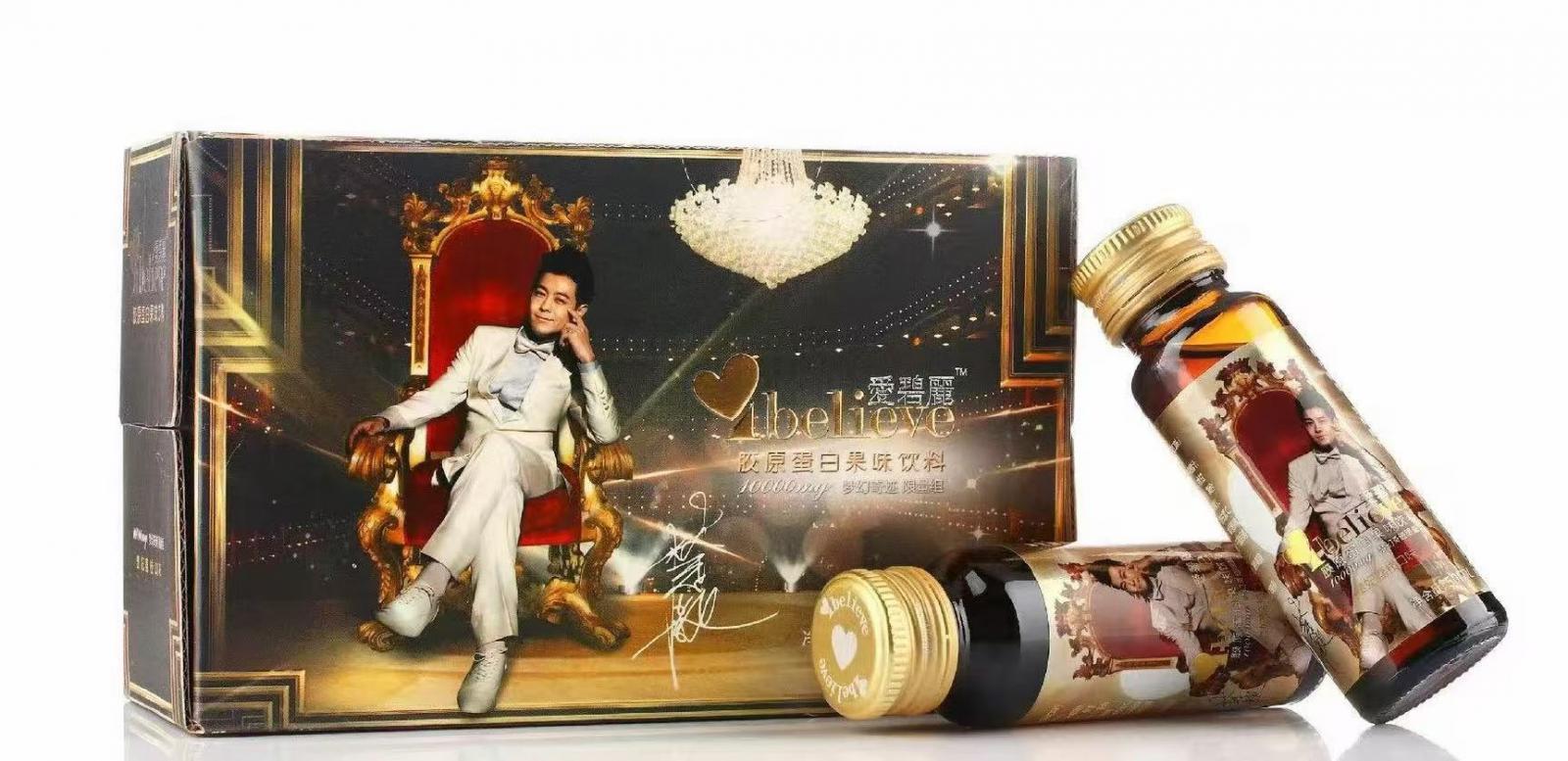
Capitalizing on his renewed fame, Lin launched what he called the secret to his age-defying appearance: Ibelieve collagen drinks. He also began referring to himself as "Dr. Lin.”
He was soon challenged by science writer and fraud investigator Fang Zhouzi, who revealed that the supposedly miraculous drink, priced at 1,080 yuan for 30 bottles of 50 milliliters each, was simply an ordinary food product manufactured by a contract producer of health supplements.
The marketing logic behind celebrity brands at the time was straightforward: celebrities looked young and beautiful, so products they launched, particularly those they claimed to use themselves, must be capable of delivering similar results.
Chinese beauty consumers, however, are no longer so easily persuaded. Today, buying into such reasoning would likely be dismissed as paying a "stupidity tax.”
Like any other business, a celebrity beauty brand needs strong products to establish itself. While most of the new generation of celebrity entrepreneurs still outsource manufacturing, they are increasingly behaving like genuine product managers.
Building a factory or recruiting an R&D director from a major beauty conglomerate may be difficult. But the amount of research, effort and attention a celebrity founder devotes to product development can ultimately be reflected in a product's competitiveness.
In a 2019 media interview, Fan Bingbing said she was involved throughout the product design and development process. Team members also said she contributed extensive ideas on products and marketing.
In a more recent interview, a Fan Beauty vice president described Fan as the brand's first product manager, saying that every product's formulation, texture and packaging undergoes refinement by Fan and her team. The brand also has access to certain exclusive ingredients, packaging materials and production lines at its manufacturing partners.
Fan Beauty's first product was a beauty device, but its real breakthrough came in 2019 with the launch of its signature seagrape mask.
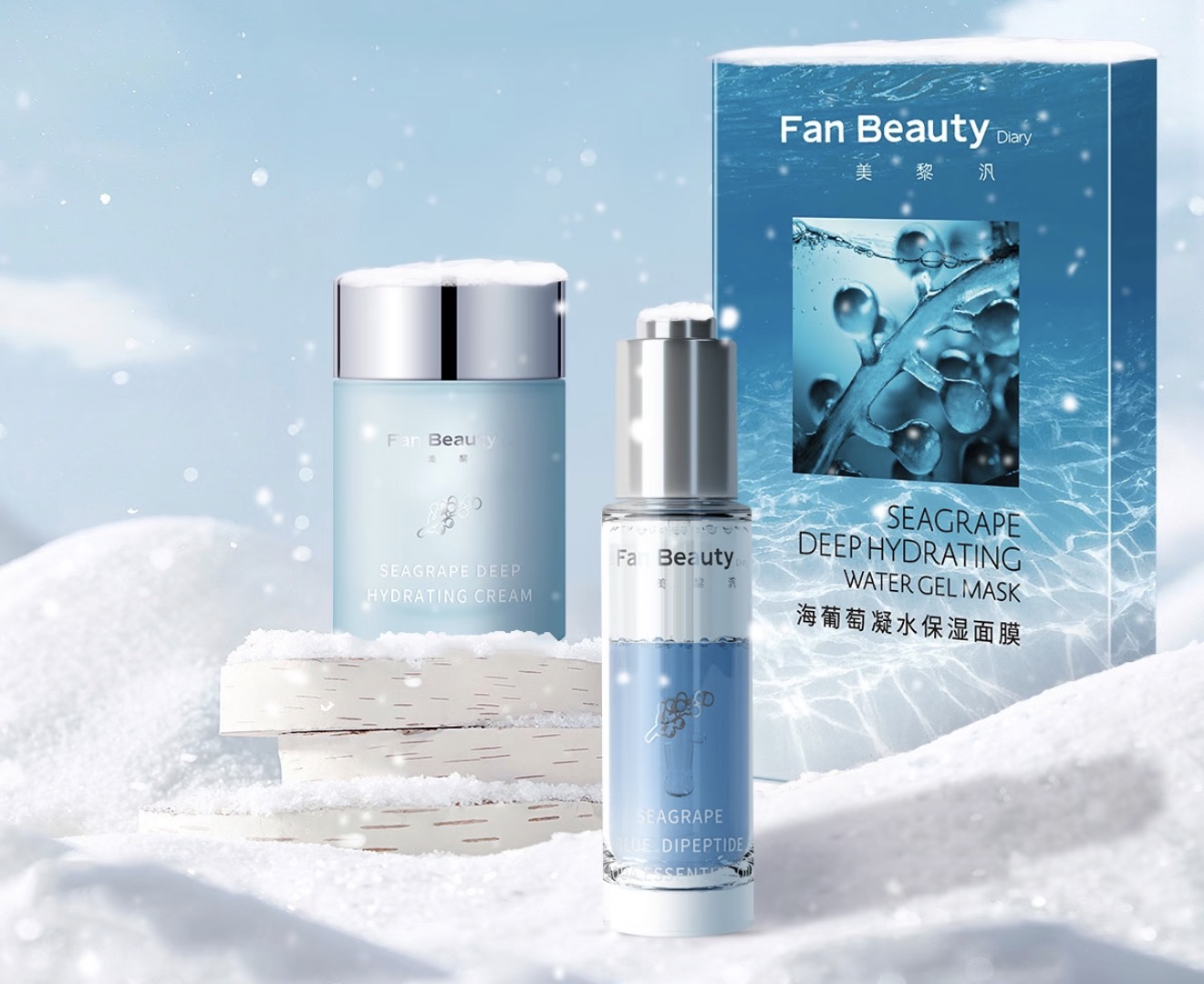
The basic hydrating mask differentiated itself through its lightweight, refreshing texture. The brand subsequently continued refining the product in response to consumer feedback. Seven years later, it remains Fan Beauty's bestselling product, despite a relatively high price of 138 yuan for five masks.
The seagrape mask provided a strong starting point. Building on its success, Fan Beauty expanded its range of masks to address different skincare concerns while gradually moving into other skincare categories, haircare and makeup.
Code Mint has followed a similar hero-product strategy.
Its founder, Grace Chow, initially became widely known through a high-profile breakup with a celebrity. She quickly capitalized on the attention to advance her business interests, moving beyond her public identity as the woman at the center of a celebrity relationship scandal.
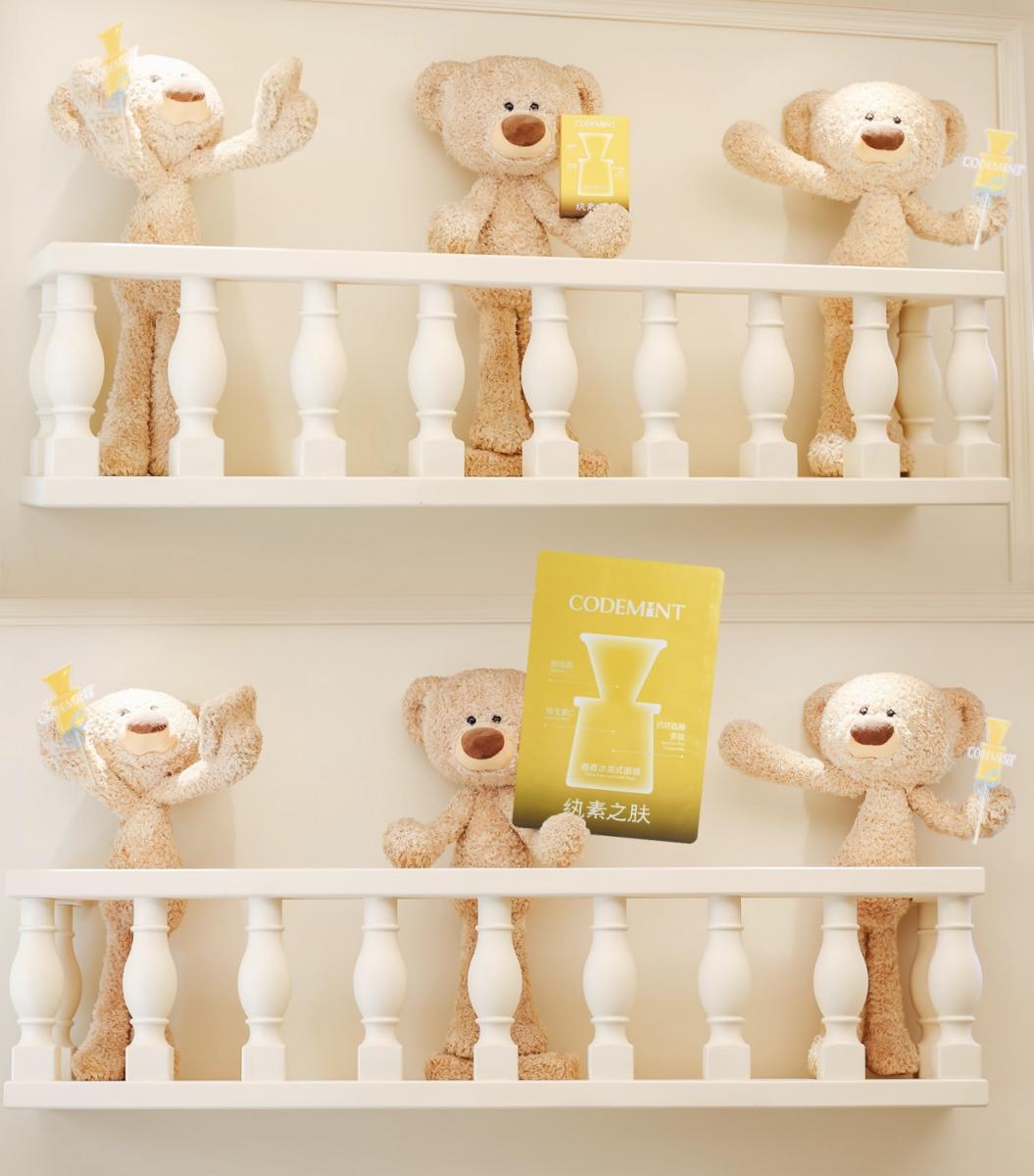
Code Mint initially entered the market with makeup products but faced criticism for their resemblance to those of ColourPop and 3CE. The brand subsequently shifted its focus toward skincare, with its Iced Americano Mask emerging as its signature product. On Tmall, the mask has now recorded more than 100,000 sales, comparable to Fan Beauty's seagrape mask.
By 2021, China's beauty market had become considerably more crowded, making precise product positioning increasingly important.
The Iced Americano Mask emphasized depuffing and firming benefits. After it became a hit, Code Mint developed a broader range of skincare and body care products around the Iced Americano concept.
Today, Iced Americano is Code Mint's most recognizable product identity. Chow has effectively created a product concept that can circulate independently of her own name.
For the new generation of celebrity brands that have established a genuine market presence, fame is merely the initial capital. Their customers are gradually shifting from paying for celebrity recognition to paying for functional value.
When Code Mint first launched, Chow explained why she had chosen not to name the brand after herself: "My original intention was to build an excellent beauty brand, not Grace Chow's beauty brand. I hope that even if I disappear one day, the brand will still exist and continue to be loved and recognized.”
Beyond Chow's own business instincts, Code Mint's success also owes much to the professional team and resources behind it.
At its inception, the brand received angel investment from cosmetics manufacturer Cosmax. According to Chow, Cosmax assigned a 20-person team to support key functions including packaging development, product R&D and manufacturing.
In 2023, Code Mint also received a minority investment from the investment arm of the Estée Lauder Companies, becoming the first homegrown Chinese beauty brand to receive investment from the group.
Chow previously said on a variety show that Code Mint and its Iced Americano Mask were jointly developed by Estée Lauder and Cosmax.
With a chief marketing officer who previously served as marketing director at L'Officiel and a chief operating officer experienced in consumer-sector project management and investment, this celebrity-founded brand had a considerable degree of professional expertise from the outset.
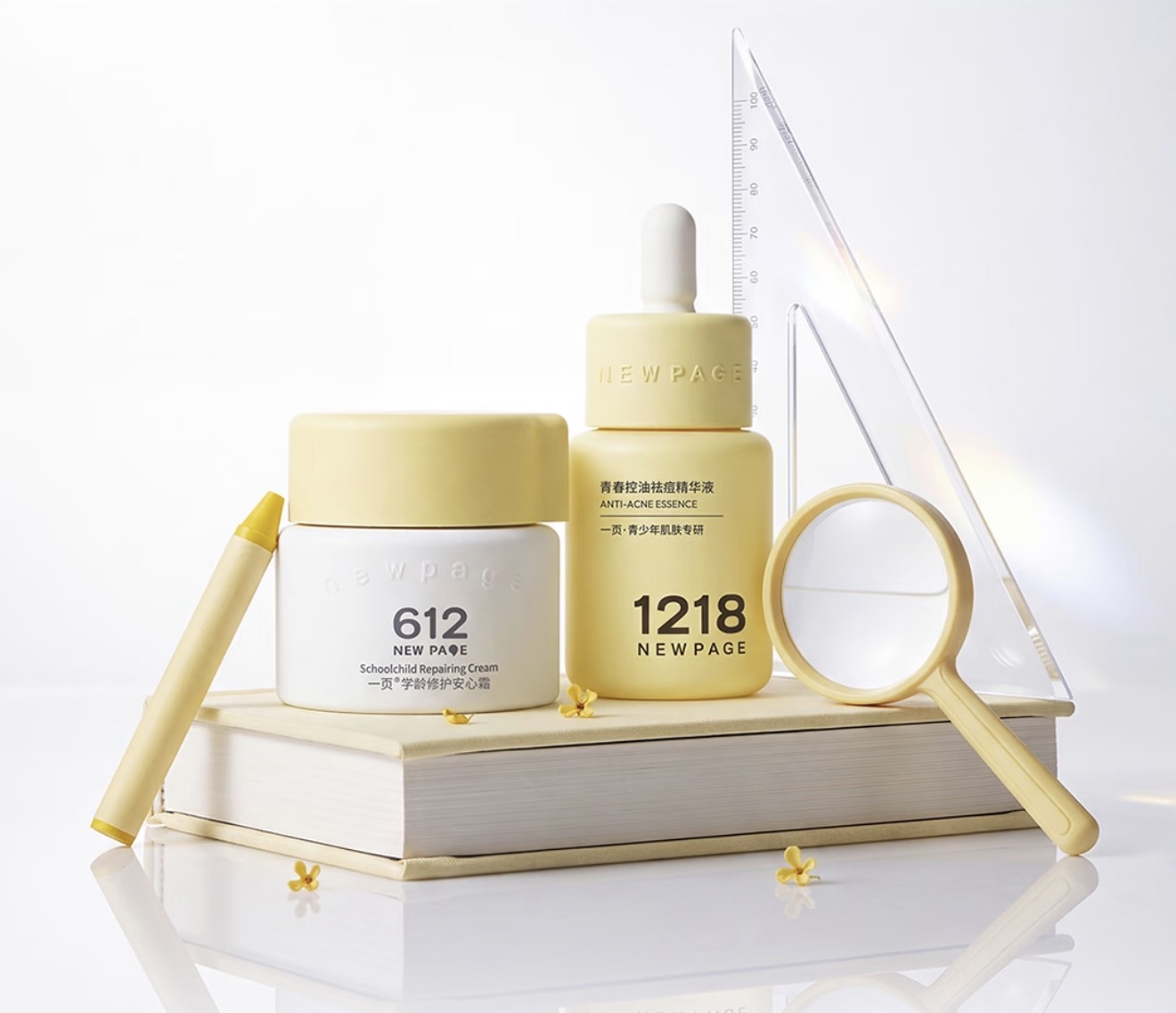
Actress Zhang Ziyi's baby and children's skincare brand Newpage is backed by Chinese beauty giant Chicmax. Launched in 2022 and incubated by Chicmax, Newpage's founding team also includes parenting expert Cui Yutao and Huang Hu, a former chief scientist at Procter & Gamble. The brand emphasizes a model of collaboration between medical and scientific research.
In 2025, Newpage generated 880 million yuan (about $122 million) in revenue, up 134%. Chicmax recently increased its stake in Newpage's parent company from 55% to 84%.
By contrast, another celebrity brand backed by substantial resources, Xovē, has failed to achieve the success initially expected of it.
Founded by Gigi Lai, the former actress who became the head of a publicly listed medical aesthetics company, Xovē entered mainland China through Sephora.
The brand said its products were developed by a professional Swiss research team, and consumer reviews were not particularly negative. However, after an initial sales peak following its mainland launch in 2023, Xovē's sales declined year after year. Its content updates on Xiaohongshu and WeChat stopped in 2024, and its products can no longer be found through Sephora's search function.
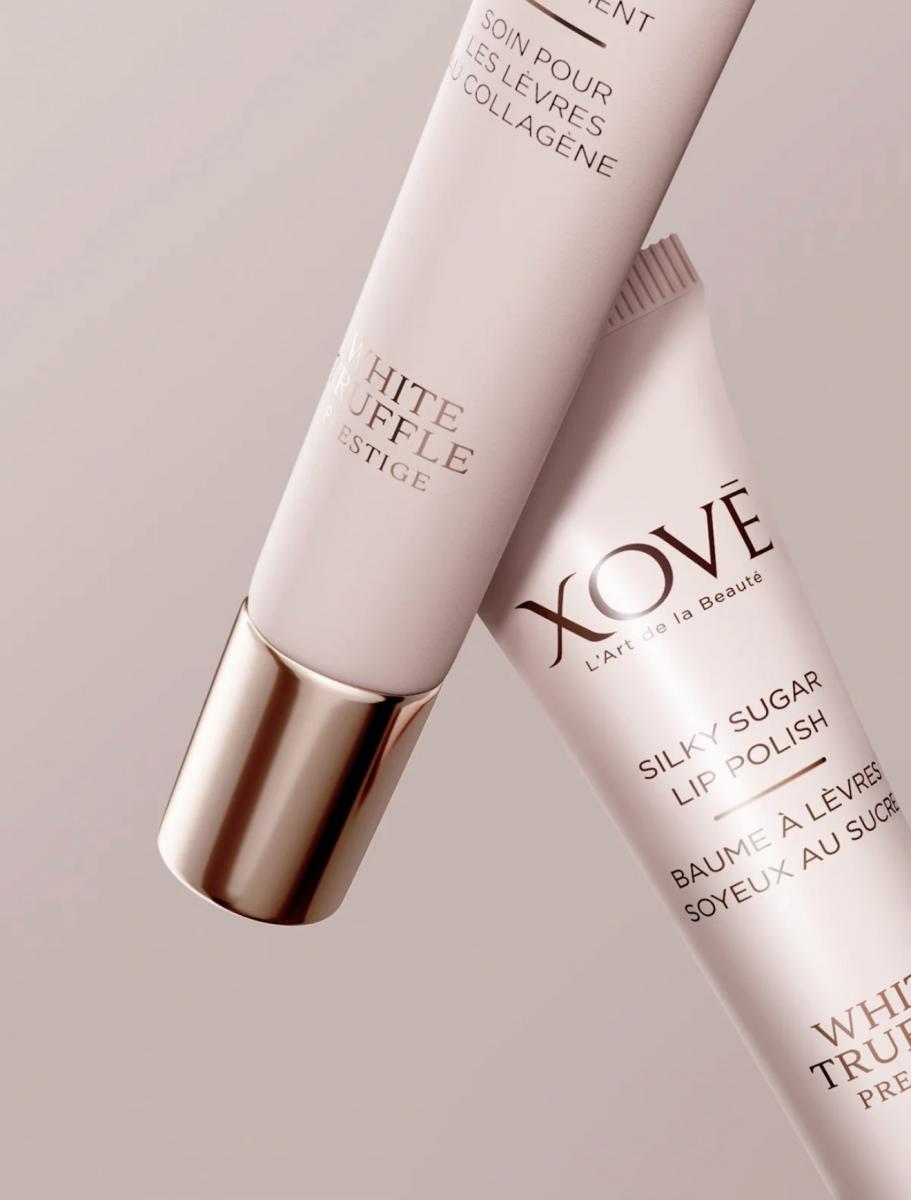
The reasons may include the Hong Kong brand's difficulty adapting to the China mainland market, Sephora's own business challenges, or problems with Xovē's product positioning.
Despite the resources behind it, the brand has struggled to convince more consumers to spend 1,080 yuan on a 50-milliliter face cream. Its signature white truffle ingredient is hardly new, and more affordable alternatives are available. Consumers seeking a similarly premium product could also spend a little more on Fresh's white truffle range.
In 2026, with competition in China's beauty market reaching new heights and the broader economic environment remaining challenging, can Zhao Lusi build a successful beauty brand as a new entrant?
Rose Amigo currently positions itself as an "emotional skincare companion brand that helps you embrace yourself," a concept consistent with Zhao's image as an online best friend. Emotional skincare is also one of the emerging trends in today's beauty market.
In terms of product strategy, the brand emphasizes accessibility and specific, targeted needs. Its initial lineup consists of six types of cosmetic pads designed for different purposes: pre-makeup hydration, enhancing the appearance of bare skin, makeup removal, firming the eye area, oil control and strengthening the skin barrier. The products are priced at either 118 yuan or 128 yuan per box. The brand has also registered sheet lip masks and face-and-neck masks.
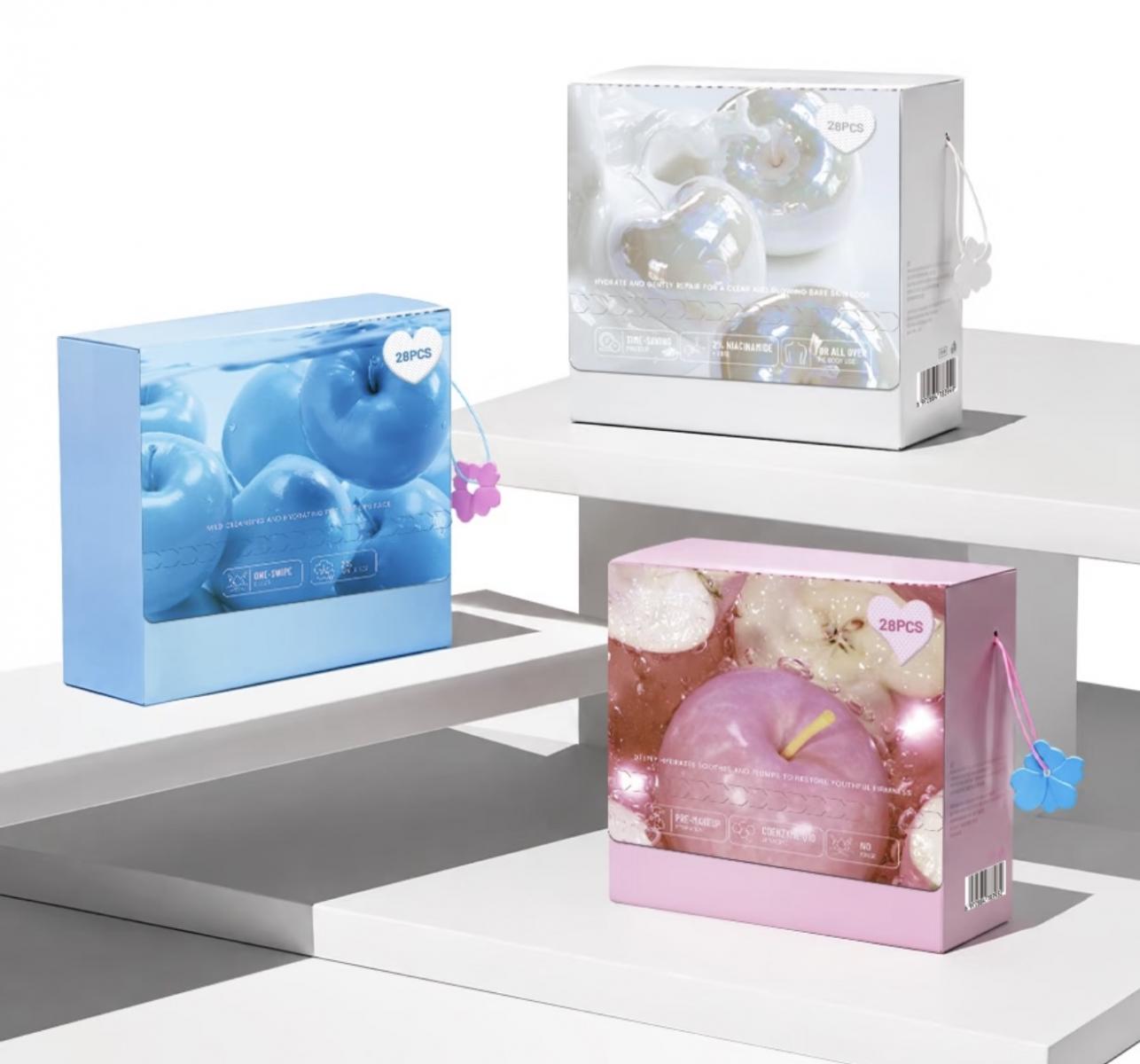
Since opening preorders on Sept. 25, Rose Amigo has recorded sales of more than 7,000 units through its official Douyin store.
Although its commercial performance remains to be tested over time, Zhao's previous entrepreneurial experience offers some grounds for optimism about Rose Amigo's prospects.
Her lifestyle brand Rosydoedian, launched last year, has demonstrated remarkable growth, generating more than 100 million yuan (about $14 million) in GMV within three months of launch.
Built around the concept of harmonious living between people and pets, the brand offers a variety of everyday products, including hats, hair clips, phone cases and pet leashes, with prices largely ranging from 50 yuan to 350 yuan.
Offline, Rosydoedian has already staged well-attended pop-ups in several Chinese cities and Thailand. The recent opening of the first flagship store for its fashion line, Rosydoedian Drip, in Shanghai also drew long queues.
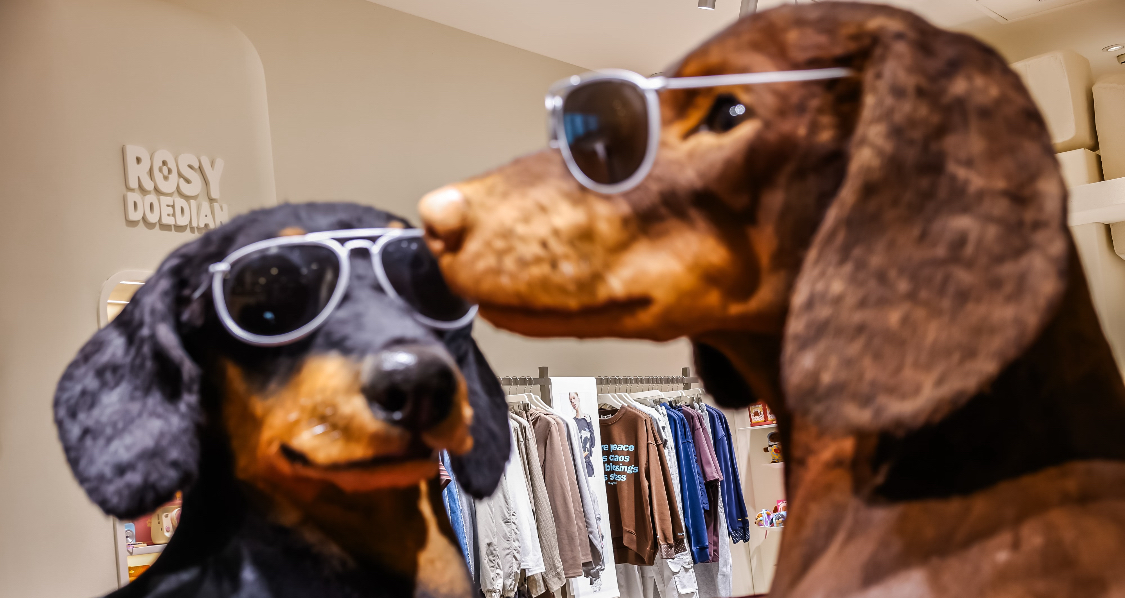
Another notable feature is the brand's highly recognizable design language.
Rather than relying directly on Zhao's image, the brand draws on the playful, comforting and effortlessly stylish qualities of her public persona. From the beginning, the ambition was to create something more than merchandise exclusively for fans.
However compelling the celebrity branding, the business must ultimately stand on its own merits. China's powerful supply chain and highly developed e-commerce and social media ecosystems have substantially lowered the barriers for celebrities entering the beauty industry. sWhat remains to be seen is whether they actually know how to run a business.









 Scan this QR Code with WeChat
 WeChat
 Email
Email Share
Share
 Favorites