简体中文
简体中文

- FEATURE
- |
- MERGERS & ACQUISITIONS
- |
- FINANCIAL
- |
- MARKETING
- |
- RETAIL
- |
- ESG-SUSTAINABILITY
- |
- LIFESTYLE
- |
-
MORE




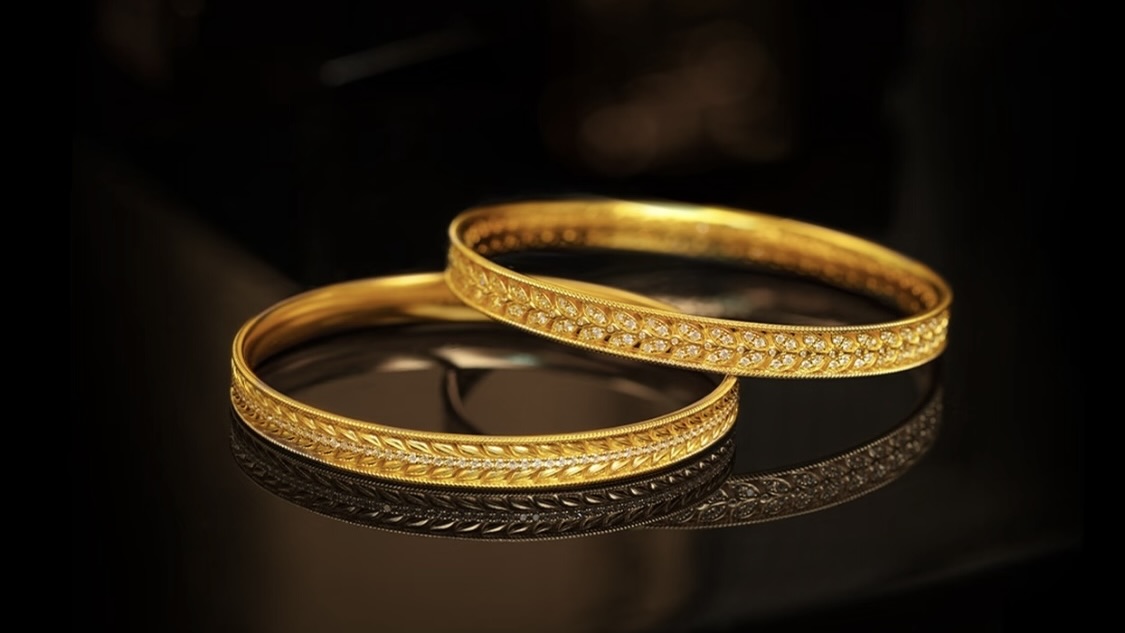
In the first half of 2026, Chinese gold jewelry brand Laopu Gold reported revenue of 19.81 billion yuan (about $2.95 billion), up 60.3% year on year. Net profit rose 83.6% to 4.32 billion yuan (about $643 million), while its net margin increased from 18.4% to 21.5%.
The growth remains striking against a 33.88% decline in gold jewelry consumption in China. But compared with the triple-digit increases Laopu Gold delivered in previous years, the latest numbers look less spectacular.
Laopu Gold has long sought to shift the conversation away from the price of gold and toward design, craftsmanship and brand value. With fixed pricing, traditional Chinese goldsmithing techniques, cultural storytelling and a retail network centered on high-end shopping malls, it has been positioning itself closer to a luxury brand than a conventional gold jeweler whose prices largely reflect the value of the metal plus a processing fee.
For the past few years, the strategy appeared to work remarkably well. But the relentless rise in gold prices was also an important part of the story. This year brought a dramatic reversal: gold surged past $5,500 an ounce to a record high in January, before falling below $4,000 by June. The swing may have presented Laopu Gold with its first real test.
Investors had already delivered their verdict when Laopu Gold issued its first-half profit alert in late July: the stock plunged 23.76% in a single day.
The headline numbers still showed strong growth in both revenue and profit. But based on the company’s first-quarter figures, second-quarter revenue can be estimated at just 2.3 billion to 3.3 billion yuan, a steep drop from 16.5 billion to 17.5 billion yuan in the first quarter. Profit showed a similar pattern.
At the earnings briefing, chairman Xu Gaoming said the consumer market weakened during the first half, particularly in the second quarter, as consumption declined in mainland China and international gold prices underwent an unusually sharp correction — conditions the company had not encountered before. Still, he stressed that average monthly profit in the second quarter remained above 200 million yuan, “meeting the company’s expectations.”
That somewhat punctures the optimism surrounding Laopu Gold. The company may be trying to build itself into a luxury brand, but it has yet to escape the influence of gold prices.
When gold prices keep climbing, consumers have an incentive to buy into the rally and are more willing to accept price increases justified by higher input costs. When prices fall sharply, however, a premium gold brand with fixed pricing faces a more awkward question: consumers can start calculating how much of the price reflects the gold itself — and how much is the brand premium.
So where does Laopu Gold find its next leg of growth?
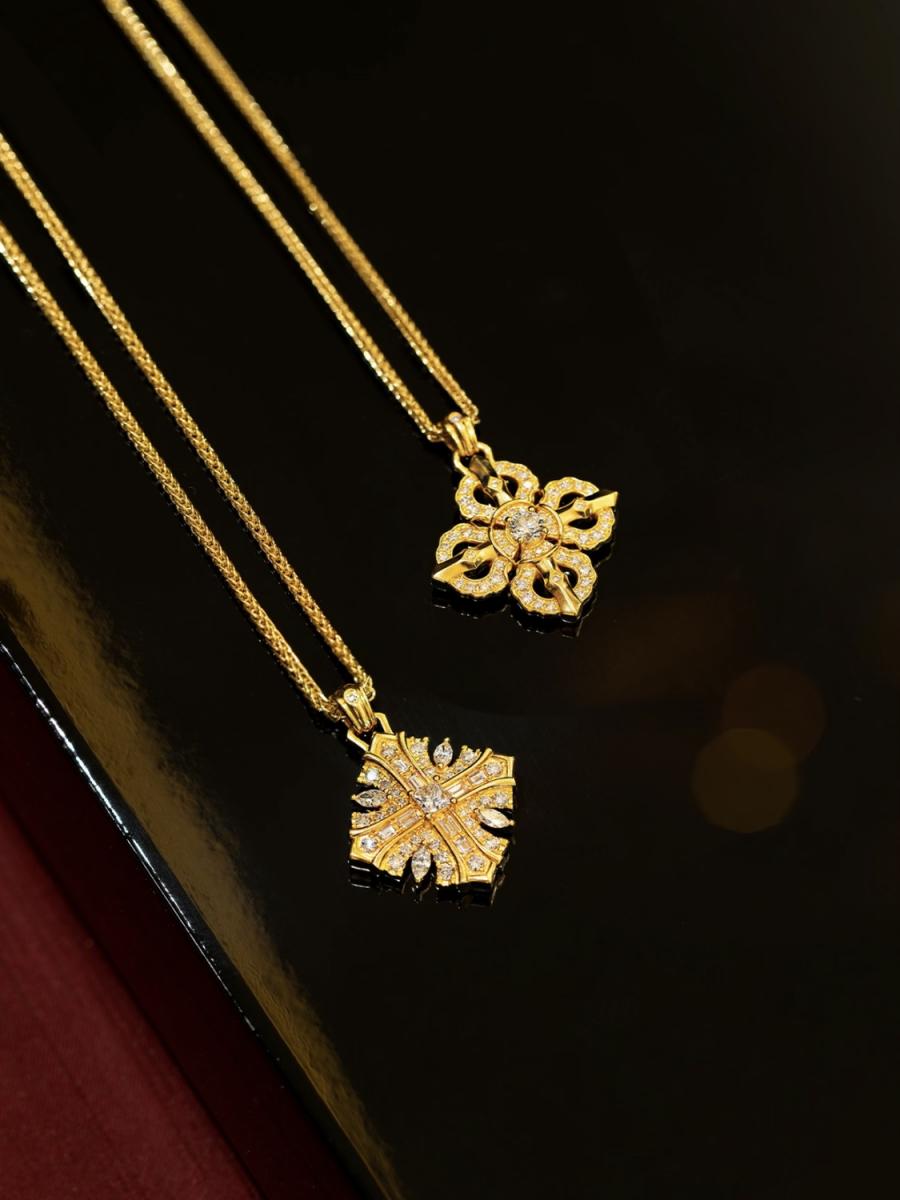
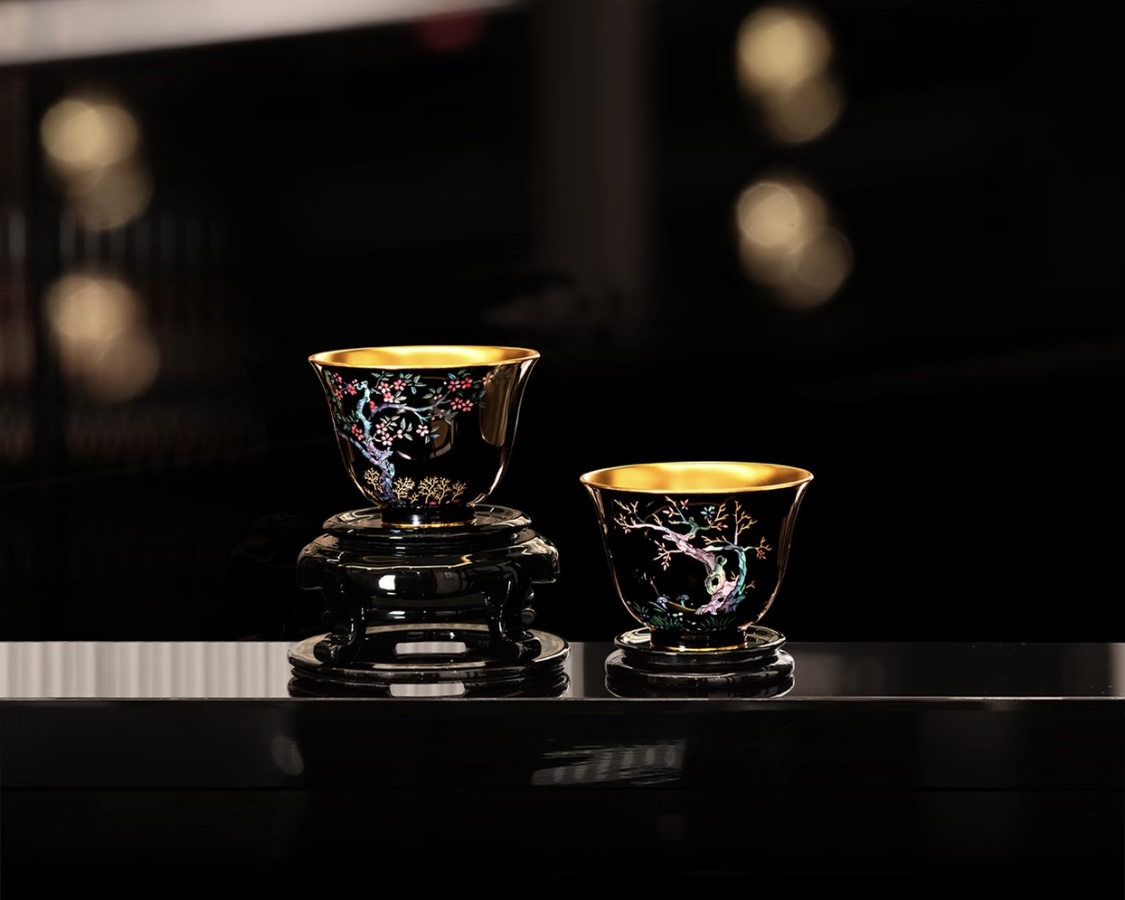
One area to watch is gold objects, where sales posted triple-digit growth in the first half. Compared with conventional jewelry, high-priced pieces derive more of their value from craftsmanship, collectibility and cultural significance. That makes it easier to put greater distance between the retail price of the product and the underlying value of the gold.
Overseas revenue also rose 107.8% in the first half. Laopu Gold opened its first overseas store in Singapore in 2025 and plans to expand further across Southeast Asia in 2026, before entering European and U.S. markets in 2027.
The rapid growth of recent years has shown that Chinese consumers are willing to pay a substantial premium over the raw-material value of gold jewelry. The second quarter revealed the other side of that equation: when gold prices fall, that premium is tested too.
Laopu Gold is moving further away from the traditional gold jewelry business. But it may still have some way to go before becoming a luxury brand that no longer needs to explain the price of gold.













 Scan this QR Code with WeChat
 WeChat
 Email
Email Share
Share
 Favorites