简体中文
简体中文

- FEATURE
- |
- MERGERS & ACQUISITIONS
- |
- FINANCIAL
- |
- MARKETING
- |
- RETAIL
- |
- ESG-SUSTAINABILITY
- |
- LIFESTYLE
- |
-
MORE



In the first half of 2026, Omani luxury fragrance brand Amouage continued its rapid growth, with China emerging as a particularly strong market.
According to figures disclosed by the brand, Amouage generated an estimated $360 million in global retail sales in the first half, up 74% year on year. Sales in Asia-Pacific rose 97%, while its China business tripled from a year earlier. In the first quarter alone, sales in China increased tenfold year on year.
For a luxury fragrance house long regarded as niche even by niche standards, with prices well above those of most commercial fragrance brands, this is far from modest growth.
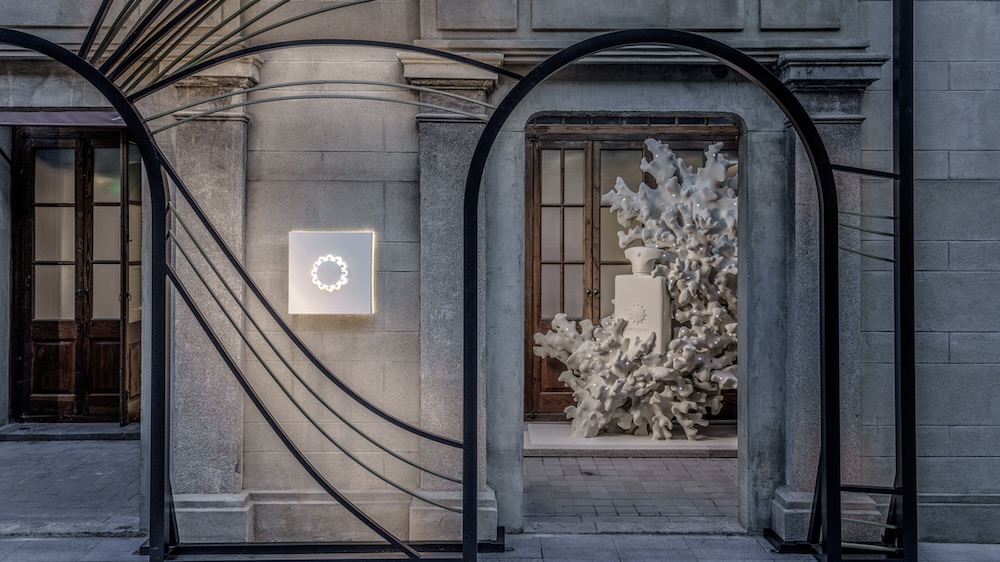
Working with its China partner S'Young International, Amouage has opened five boutiques across Shanghai, Guangzhou, Shenzhen and Chengdu since 2025.
Yet this rapid growth may not be driven entirely by retail expansion.
In the first half, sales of The Essences collection, priced at $475 per 100ml, rose 360%, while Exceptional Extraits, priced at $550 per 100ml, grew 82% and now accounts for roughly one-third of the overall business.
At Amouage, it is precisely the more expensive, more concentrated products — those that place greater emphasis on ingredients and olfactory complexity — that are driving sales.
After years of rapid growth in China’s premium fragrance market, a well-known brand name alone is no longer enough to persuade consumers to spend. Instead, consumers may increasingly be turning to more niche, distinctive and personal fragrances as expressions of individuality and identity.
Amouage’s rich, complex scents, deeply rooted in Middle Eastern perfumery traditions, may once have presented a relatively high barrier to entry. Today, those same qualities have become a point of differentiation.
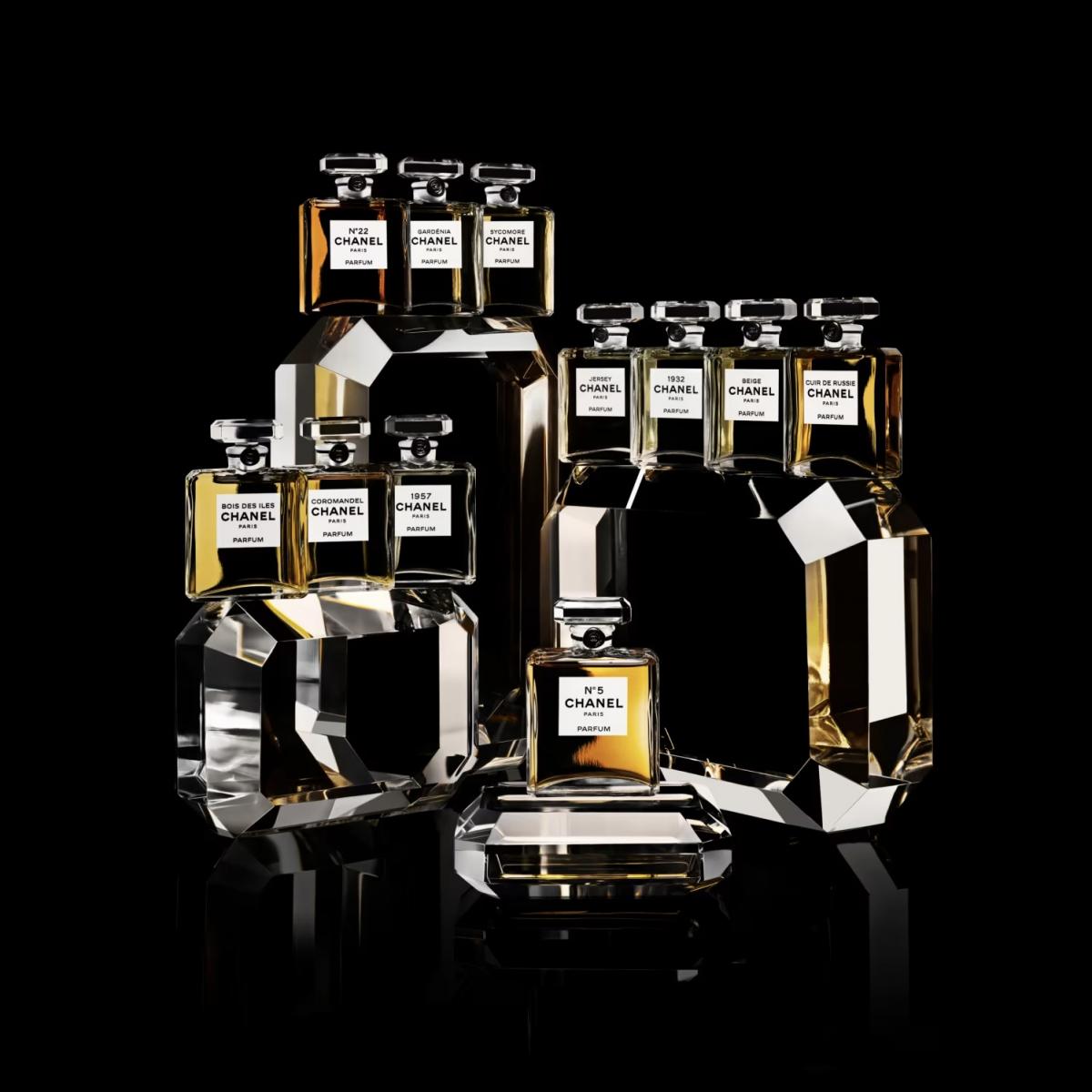
Other brands have clearly noticed the shift. Last month, Chanel launched the Les Extraits version of 1957 in China, a fragrance that has become particularly popular in the market because of its associations with luck and prosperity. Richer and deeper than the original, the new version is priced at $510.
As Chinese consumers become more demanding about fragrance, brands are also finding it harder to win them over through marketing or storytelling alone.
Guerlain recently launched the 2026 edition of L’Heure Bleue Eau de Parfum in China. But the reinterpretation of the fragrance originally created in 1912 has sparked controversy.
On social media, consumers have not necessarily rated the fragrance itself poorly. What has frustrated them instead are two issues: first, it borrows the name of a classic without living up to that standard and, in their view, bears little relation to the original L’Heure Bleue; second, overwhelmingly positive promotion from influencers raised expectations that the final product failed to meet.
In China’s fragrance market today, even an obscure niche product can find an audience if the product itself truly holds up.















 Scan this QR Code with WeChat
 WeChat
 Email
Email Share
Share
 Favorites