简体中文
简体中文

- FEATURE
- |
- MERGERS & ACQUISITIONS
- |
- FINANCIAL
- |
- MARKETING
- |
- RETAIL
- |
- ESG-SUSTAINABILITY
- |
- LIFESTYLE
- |
-
MORE




The rapid expansion of Chinese beauty brands may be reaching a turning point.
In the first half of 2026, Proya’s revenue edged up just 0.24%, while sales of its namesake brand fell 7.19%. Chicmax reported an 8.6% decline in revenue, with its core brand Kans down 20.4%. Marubi’s revenue fell 5.76%, while Giant Biogene posted a 6.3% decline. Beauty groups that once routinely delivered strong results are now slowing to varying degrees.
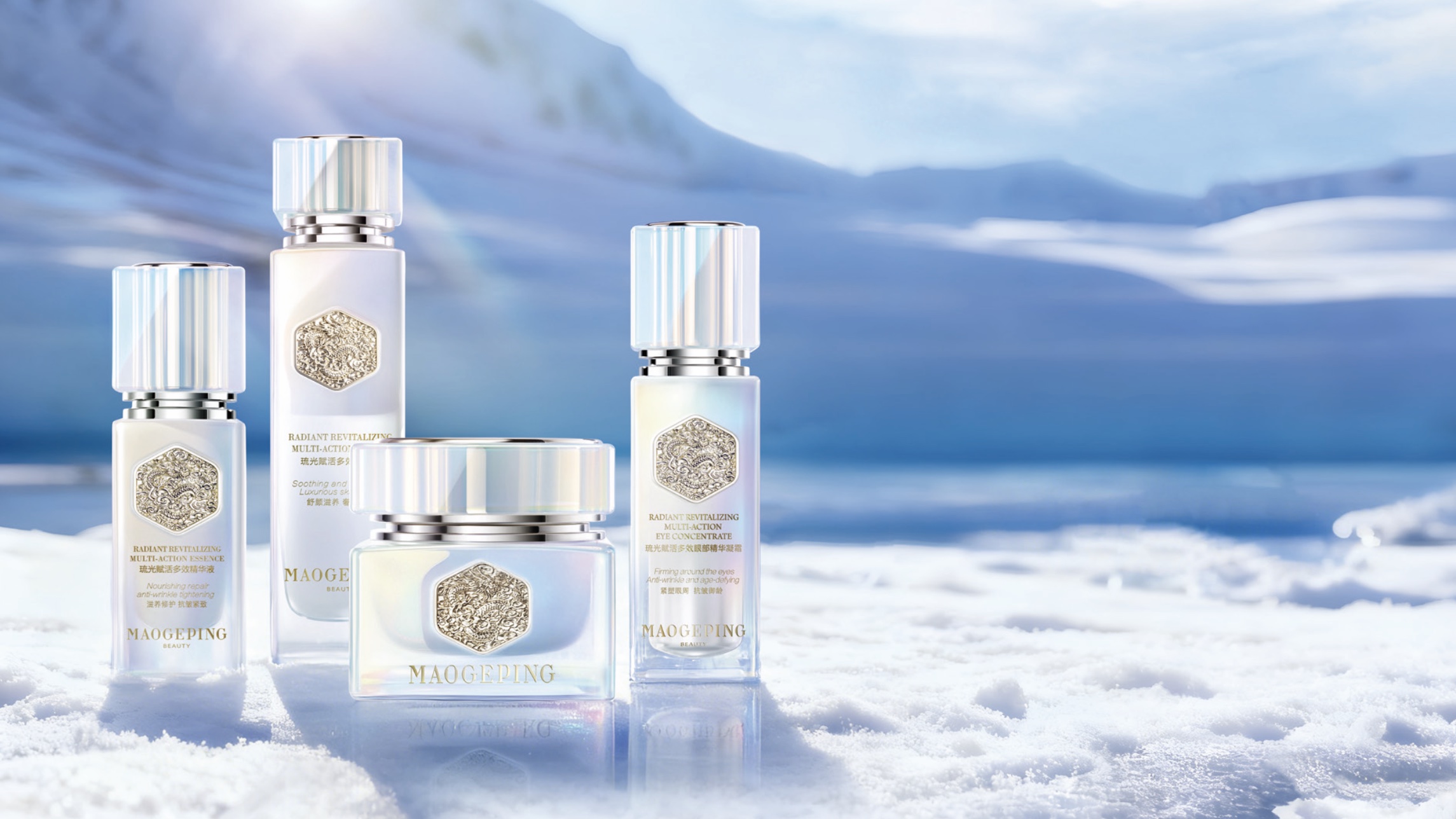
Mao Geping, by contrast, has emerged as one of the sector’s standout performers, extending a years-long run of double-digit growth.
In the first half of 2026, the company generated revenue of 3.267 billion yuan ($486 million), up 26.2% year on year, while net profit rose 20.3% to 807 million yuan ($120 million).
Founded in 2000 and listed in Hong Kong in 2024, the brand was created by Mao Geping, one of China’s best-known makeup artists, with makeup at the heart of its business. Unlike many Chinese beauty brands, it was built around its founder’s makeup philosophy, shaped by Eastern aesthetics and an understanding of Chinese facial features.
That philosophy has since been translated into both product development and in-store services, giving the brand a strong professional identity and a distinctive position in the market.
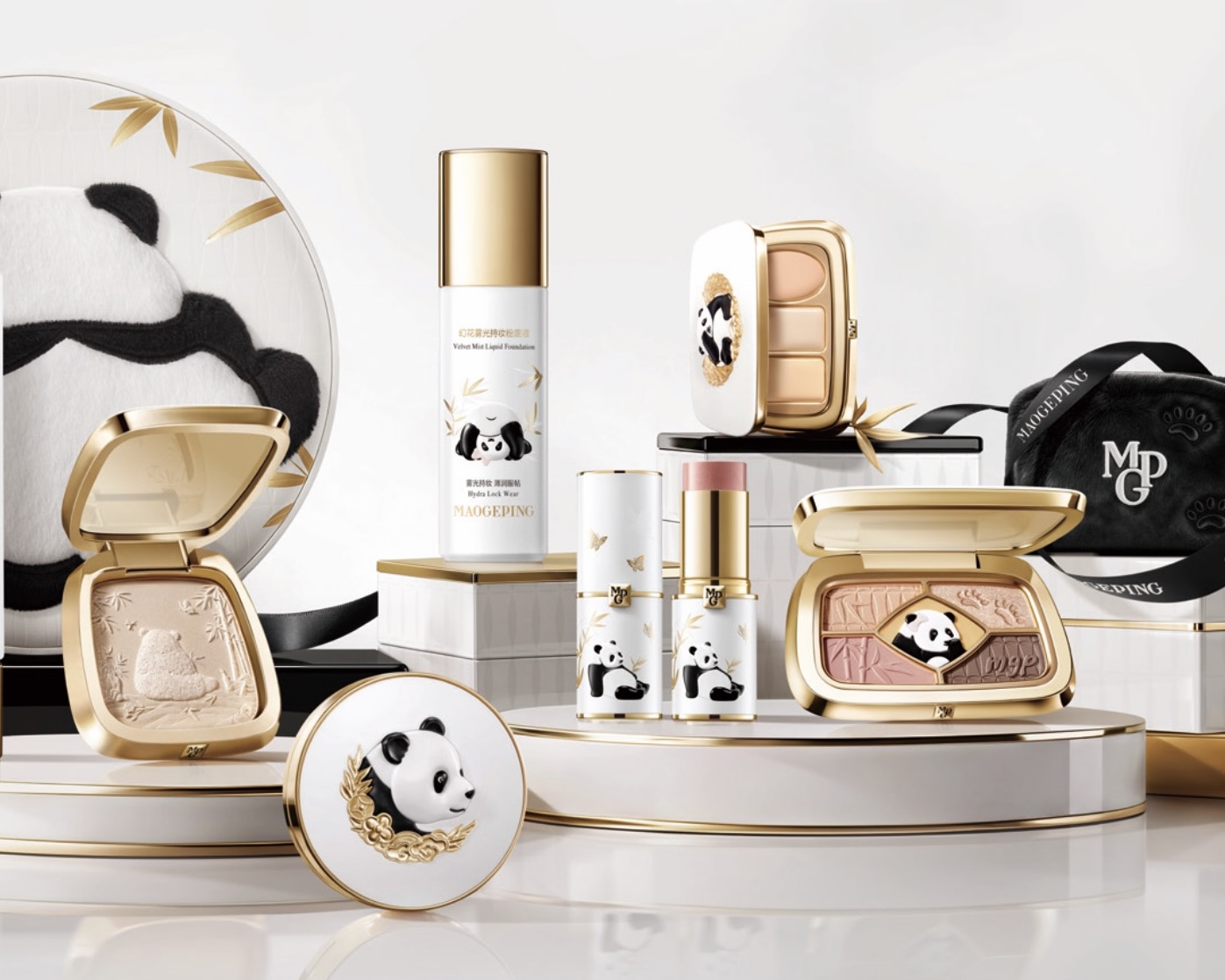
So far, that approach is still paying off. Makeup, which accounts for about 60% of the company’s overall sales, grew 38.3% in the first half and remains its biggest growth engine.
Mao Geping’s skincare business has also gained traction in recent years. Skincare revenue rose 11.5% in the first half of 2026 and accounted for 37% of total sales.
More noteworthy than the pace of Mao Geping’s growth, however, may be the quality of that growth.
The average selling price of its makeup products was 157.4 yuan in the first half, compared with 157.0 yuan a year earlier. For skincare, the figure rose to 358.1 yuan from 351.3 yuan. In other words, even as sales volumes increased, average selling prices across its two core categories held firm.
Gross margin on product sales also increased to 85.3% from 84.8%. Together, these figures suggest that Mao Geping has largely preserved its pricing and margins while expanding the business.
Whether consumers keep coming back is another useful measure. By the end of June, Mao Geping had 26.08 million registered members, up 37.3% year on year. Despite the influx of new customers, its overall repeat-purchase rate edged up to 27.2% from 26.8%.
Its offline business also remained strong. Offline sales still account for nearly half of the business, giving Mao Geping a more balanced channel mix than many Chinese beauty companies that lean heavily on e-commerce.
Offline sales rose 19.9% in the first half, driven more by improvements in operating efficiency and customer loyalty than by aggressive expansion. Average sales per counter increased to 3.3 million yuan from 2.8 million yuan a year earlier, while the repeat-purchase rate among offline members rose to 30.6% from 30.3%.
But that growth does not come cheaply.
Selling and distribution expenses reached 1.55 billion yuan in the first half, up 32.6%, outpacing revenue growth. They rose to 47.4% of revenue from 45.2% a year earlier. Marketing and promotional spending, meanwhile, increased about 44% to 779 million yuan.
That helps explain why net profit grew 20.3%, slower than the 26.2% increase in revenue. Mao Geping does not appear to be relying heavily on discounting to drive growth, but sustaining brand visibility and expanding its scale are requiring increasingly heavy marketing investment.
The capital market is already becoming more demanding. Citi recently cut its target price for Mao Geping to HK$72.6 from HK$97.9. While maintaining a “Buy” rating, the bank also lowered its earnings forecasts for 2026 through 2028.
What the market will be watching next is not simply how fast Mao Geping can grow, but how long it can sustain that growth.











 Scan this QR Code with WeChat
 WeChat
 Email
Email Share
Share
 Favorites