简体中文
简体中文

- FEATURE
- |
- MERGERS & ACQUISITIONS
- |
- FINANCIAL
- |
- MARKETING
- |
- RETAIL
- |
- ESG-SUSTAINABILITY
- |
- LIFESTYLE
- |
-
MORE




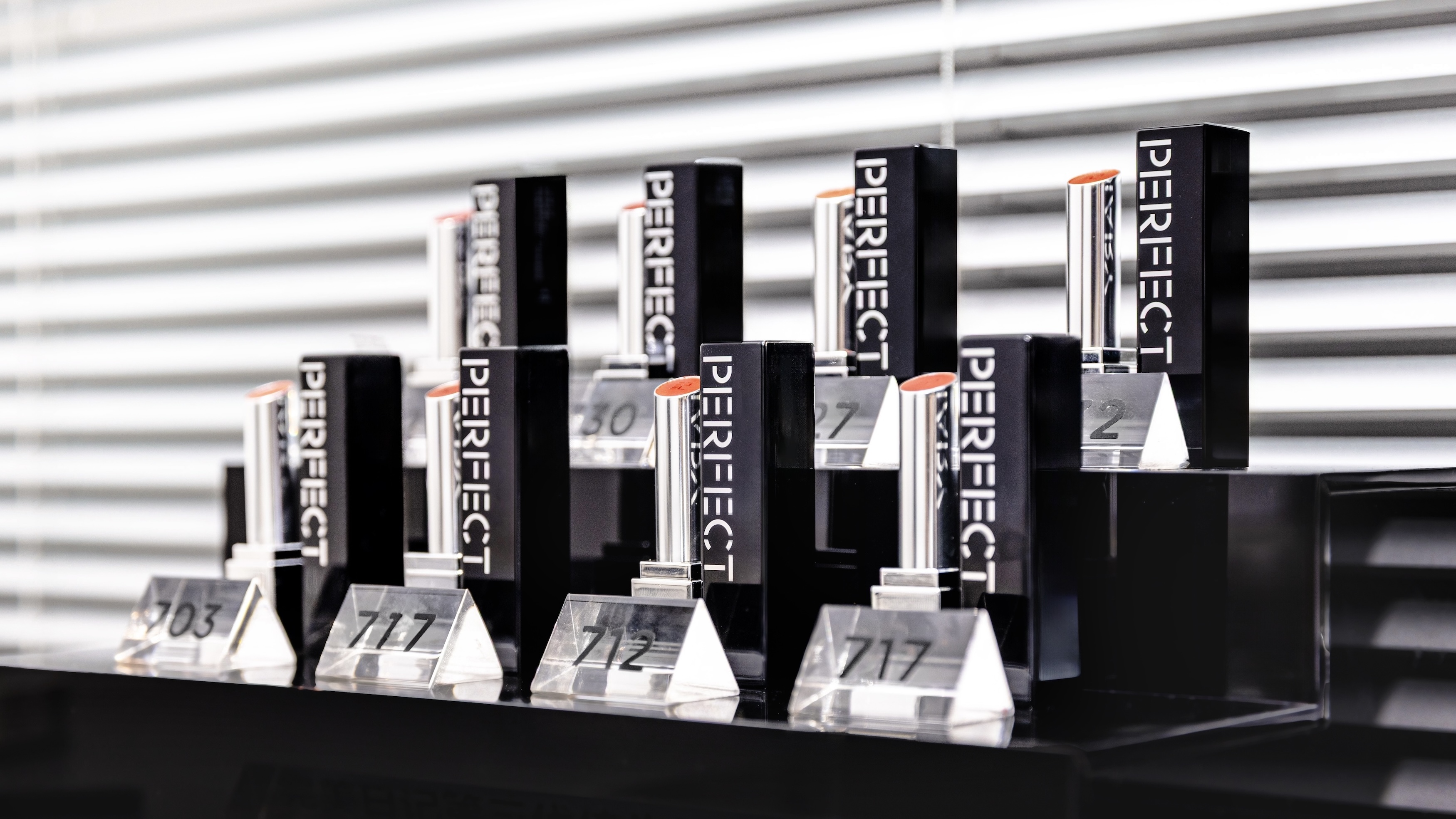
The color cosmetics business that made Yatsen a C-Beauty success story has now become its biggest drag.
In the second quarter of 2026, the company’s revenue rose 5.1% year on year to 1.14 billion yuan ($168.3 million). But compared with growth of 26.7% in 2025 and 22.5% in the first quarter of this year, that figure was hardly encouraging. Net loss widened to 90.8 million yuan ($13.4 million) from 19.5 million yuan a year earlier, while on a non-GAAP basis, the company swung from net income of 11.5 million yuan to a net loss of 99.4 million yuan ($14.7 million).
The problem clearly lies in makeup. Revenue from color cosmetics brands including Perfect Diary, Little Ondine and Pink Bear fell 35.8% year on year. It was the skincare business, including Galénic, Dr.Wu and Eve Lom, that came to the rescue, with revenue up 40.4%, keeping the overall results from looking much worse.

That makes the recovery of just a year ago look particularly short-lived. In the second quarter of 2025, Yatsen declared that its color cosmetics brands had “returned to a growth trajectory,” with revenue rising 8.8%. By the fourth quarter, however, the business was already down 9.1%. It fell another 5% in the first quarter of this year, before the decline sharply widened to 35.8% in the second quarter.
This time, the company said its color cosmetics business was facing “structural headwinds amid heightened competition,” and said it would streamline its color cosmetics portfolio and refocus resources on high-growth skincare brands.
How did Yatsen’s makeup business get here?
Yatsen went public on the New York Stock Exchange in 2020 as the first publicly traded Chinese beauty company in the U.S., a milestone for the country’s homegrown beauty industry. That year, its revenue surged 72.6%.
Its core brand, Perfect Diary, was founded in 2017. Two years later, it became the first Chinese brand to top Tmall’s Double 11 color cosmetics ranking. At the time, Yatsen was almost synonymous with China’s new generation of beauty companies, while its playbook of social-media marketing and rapid product launches was widely seen as a model for how domestic beauty brands could overtake established rivals.
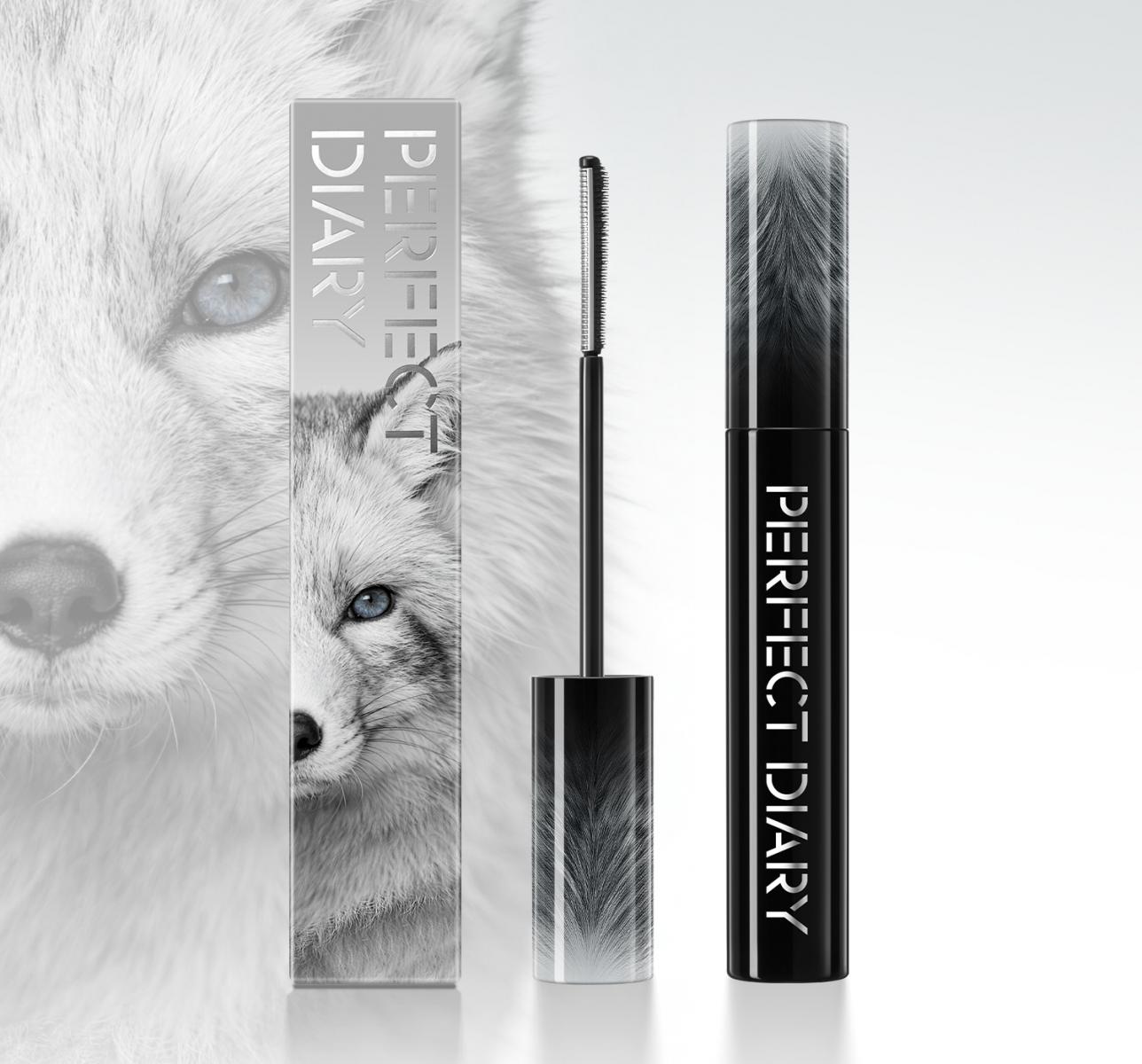
A key part of Perfect Diary’s rise was proving that Chinese beauty products could deliver both quality and value. Growing confidence among Chinese consumers in domestic brands further helped it challenge the dominance of international beauty companies.
But after that breakthrough, Perfect Diary struggled to come up with an equally compelling competitive advantage. As more Chinese brands flooded the market, rivals such as Joocyee, Flower Knows and Timage became more distinctive in their aesthetics and more compelling in product innovation.
In 2023, Perfect Diary repositioned itself around “makeup skintification.” Its Biolip Essence Lipstick marked a departure from the earlier hit-making formula built around animal-themed eyeshadow palettes, collaborations and a rapid stream of new launches. Its Biotec technology has since gone through multiple iterations and expanded into more products. Together with collaborations with hospitals and research institutions, Yatsen has been trying to address a longstanding weakness in R&D. Yet these efforts have yet to translate into a meaningful turnaround.
Pink Bear, launched in 2021, also had its moment. With its girlish positioning, low prices and playful aesthetic, the brand initially found an audience among younger consumers. But the market for this style of beauty brand quickly became crowded.

Little Ondine, Yatsen’s other color cosmetics brand, has also produced several hit products, but compared with Perfect Diary and Pink Bear, its market performance has remained relatively subdued.
Competition among Chinese makeup brands has become exceptionally intense over the past few years, rapidly wearing away consumers’ sense of novelty around new shades, textures, packaging and product concepts. New launches are increasingly similar to one another, making genuinely exciting products harder to find. Yatsen appears to have been hit particularly hard by this shift.
The contrast is even sharper on the skincare side of the business. When the company acquired Galénic and Eve Lom in quick succession, the market questioned whether it could successfully manage two prestige skincare brands whose prices, customers and brand logic were entirely different from Perfect Diary’s. Years later, the tables have turned: the very brands whose prospects under Yatsen were once questioned are now helping drive its growth.

















 Scan this QR Code with WeChat
 WeChat
 Email
Email Share
Share
 Favorites