简体中文
简体中文

- FEATURE
- |
- MERGERS & ACQUISITIONS
- |
- FINANCIAL
- |
- MARKETING
- |
- RETAIL
- |
- ESG-SUSTAINABILITY
- |
- LIFESTYLE
- |
-
MORE




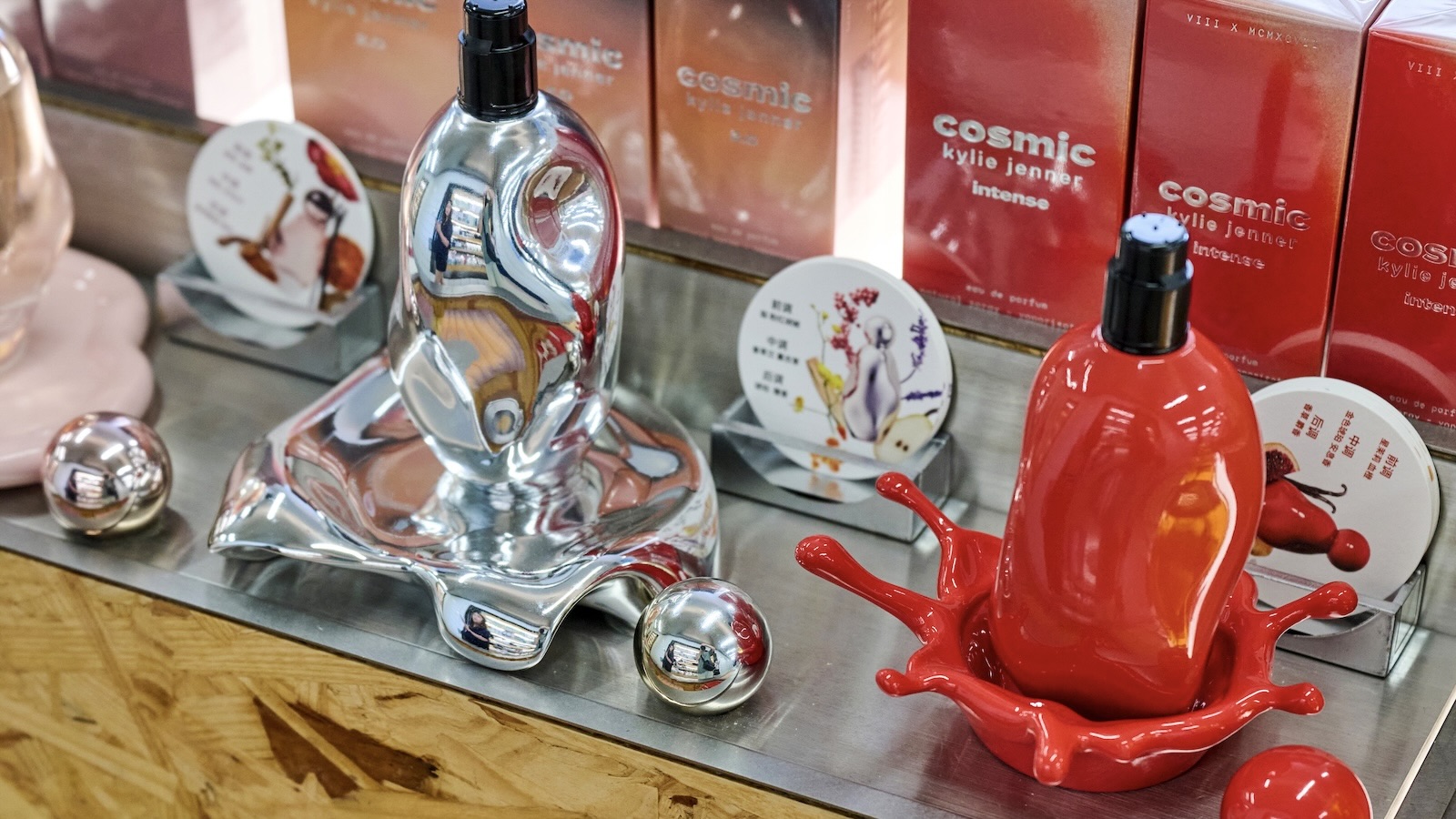
China’s homegrown beauty concept-store boom has largely run its course, but Harmay (話梅) still knows how to generate some excitement.
Kylie Jenner’s Kylie Fragrance has officially entered mainland China exclusively through Harmay and is now available across the retailer’s official online channels and physical stores. The initial lineup comprises Cosmic Kylie Jenner, Cosmic Kylie Jenner 2.0 and Cosmic Intense Kylie Jenner. Featuring floral and fruity notes alongside amber, vanilla and musk, the collection stays true to Kylie’s signature sweet and sensual aesthetic.
The arrival of another overseas fragrance brand in China is hardly remarkable on its own. What is more notable is that Harmay has secured mainland China exclusivity for Kylie Fragrance.
A few years ago, a wave of beauty retailers aspiring to become “China’s Sephora” flooded the market. Harmay, Haydon, The Colorist and Wow Colour rapidly opened stores as investment poured into the sector.
Breaking away from traditional department-store beauty counters and conventional cosmetics retailers, they offered spaces built around free product discovery and social-media appeal. But high operating costs, increasingly similar concepts and the rise of livestream shopping forced many of these new-format retailers to close stores or withdraw from the market altogether. The frenzy soon subsided.

Harmay is one of the few players to have survived that cycle. In 2025, its sales rose 50 percent to 1.5 billion yuan (about $214 million).
The retailer initially stood out for its warehouse-style shelving, samples from major international beauty brands and distinctive store design. Harmay’s more significant evolution, however, has been its move beyond the “Instagrammable beauty store” label. It has increasingly made curation a core competitive strength, positioning itself as a destination for discovering niche brands from around the world.
That makes for an interesting contrast with Sephora.
One of Sephora’s traditional strengths has been its ability to discover brands, secure exclusive distribution and then scale them through its vast retail network. When Rhode launched at Sephora in 2025, it set a new sales record for a brand debut.
In China, however, that strength has been far less apparent.
The dominance of e-commerce, coupled with brands’ growing investment in direct-to-consumer channels, has eroded some of Sephora China’s sense of exclusivity, while its business has come under significant pressure. In an effort to turn things around, Sephora China brought in a large number of more affordable local beauty brands. Many Chinese consumers, however, were unconvinced. What they wanted Sephora to bring in, they argued, were buzzy overseas brands that were still difficult to find in China.
Harmay has now done just that.
The launch has drawn an enthusiastic response on Xiaohongshu, where users are already calling on Harmay to bring in other celebrity beauty brands, including Rhode and R.E.M. Beauty.
For all the attention paid to store aesthetics and retail experience, the most fundamental question for any brick-and-mortar beauty retailer remains simple: Does it have products that give consumers a reason to walk through the door?
But can Kylie Fragrance, which has performed well overseas, find the same success in China?
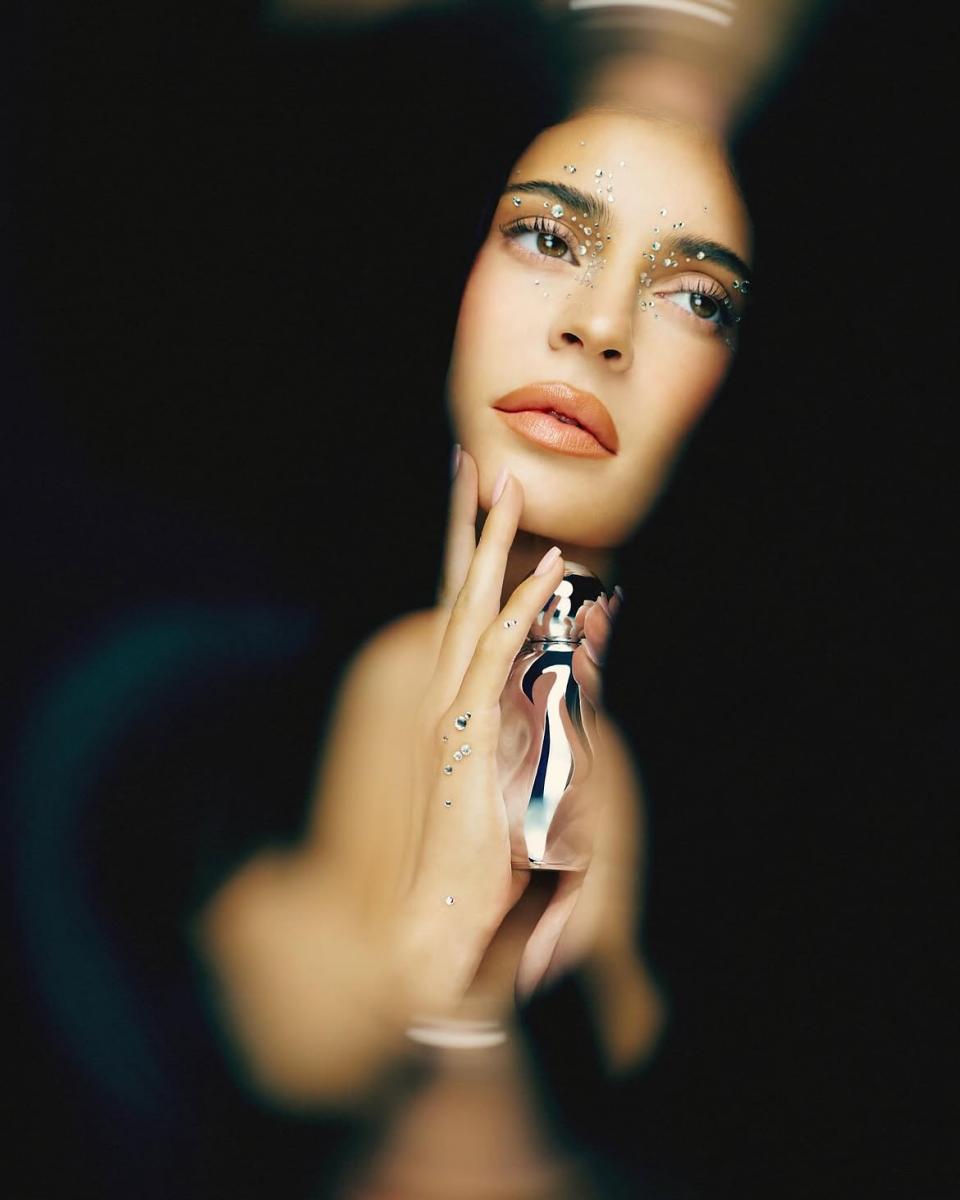
In terms of scent profile, the three fragrances are not especially distinctive in the Chinese market. The brand may, however, have an unusual advantage. Kylie’s mother, Kris Jenner, has gone viral on Chinese social media this year as a symbol of wealth and “manifestation.” Dubbed an “electronic Goddess of Wealth,” she has inspired young Chinese users to replace their profile pictures with her image in the hope of attracting good fortune.
Amusingly, several users commenting on Kylie Fragrance’s Harmay launch were already using Kris Jenner as their profile picture.


















 Scan this QR Code with WeChat
 WeChat
 Email
Email Share
Share
 Favorites