简体中文
简体中文

- FEATURE
- |
- MERGERS & ACQUISITIONS
- |
- FINANCIAL
- |
- MARKETING
- |
- RETAIL
- |
- ESG-SUSTAINABILITY
- |
- LIFESTYLE
- |
-
MORE





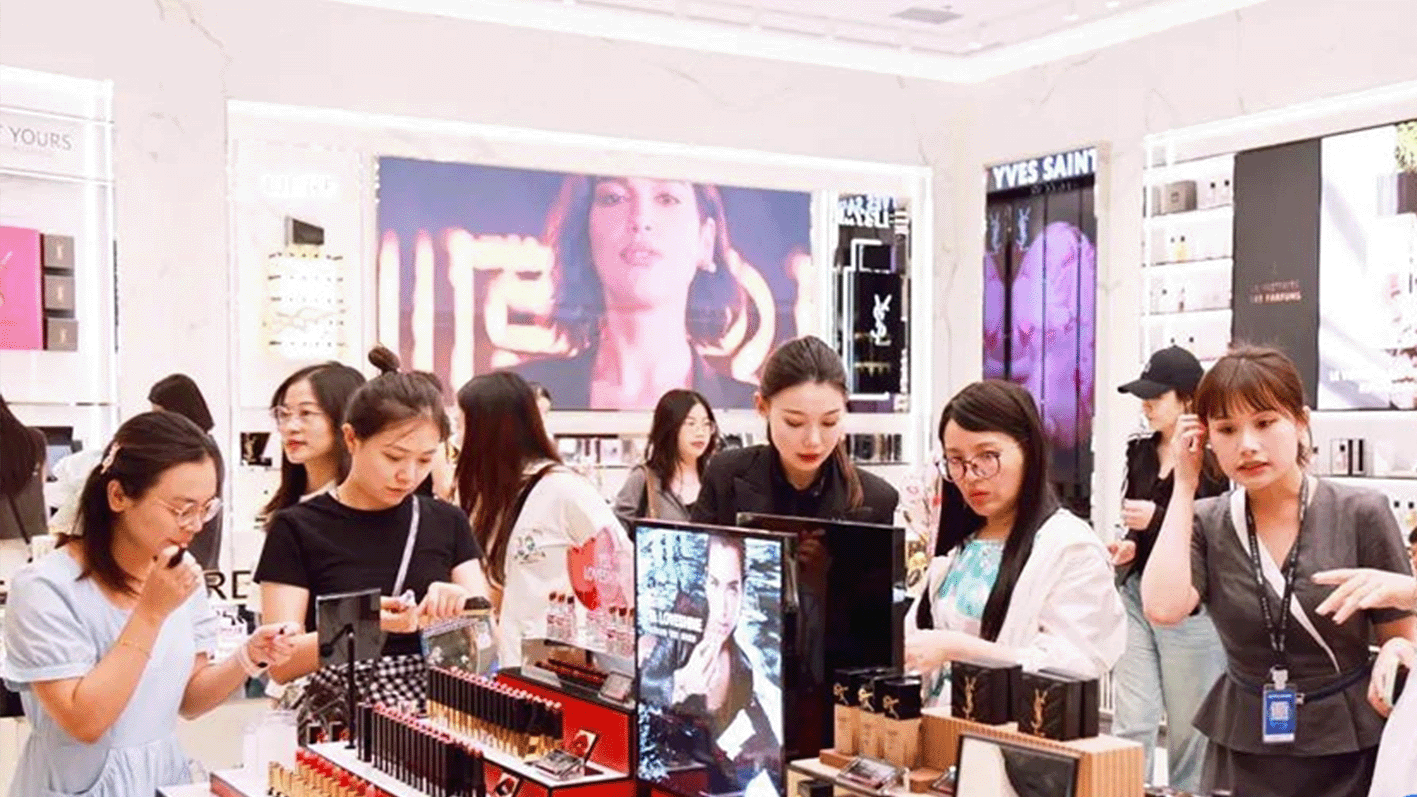
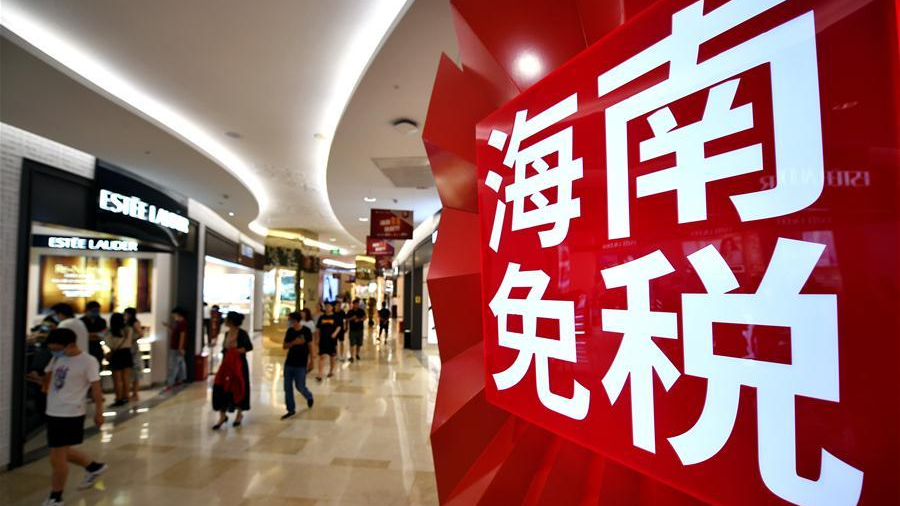
China has taken a decisive step in reshaping the tax refund experience for foreign shoppers. On April 8, authorities rolled out the “instant refund” policy nationwide, allowing international visitors to receive on-the-spot cash equivalents of VAT rebates at participating stores. No more waiting for airport counters or post-departure refunds—travelers now get RMB advances after a quick agreement and credit pre-authorization, with the transaction finalized once customs clearance is confirmed.
Markets were quick to react. China Duty Free Group’s A-shares hit their daily limit, and its Hong Kong stock surged over 23%. Retail players like Wangfujing, Gree Real Estate, and UTour Group also rallied—buoyed not just by the policy change, but by wider geopolitical shifts.
Tensions between China and the U.S. are once again reshaping the global trade landscape. After a wave of tariff increases in early April pushed total duties above 100% on Chinese goods, China responded with equally steep levies on U.S. imports. As prices soar and supply chains remain fragile, a new consumer behavior is beginning to take shape: reverse daigou.
In contrast to the traditional model—Chinese shoppers bringing back foreign luxury goods—foreign buyers may now begin sourcing Chinese products directly from the mainland, using travelers or intermediaries to bypass rising tariffs in their home markets. It’s a small but notable reversal that reflects how cross-border retail is adapting to geopolitics, not just global taste.
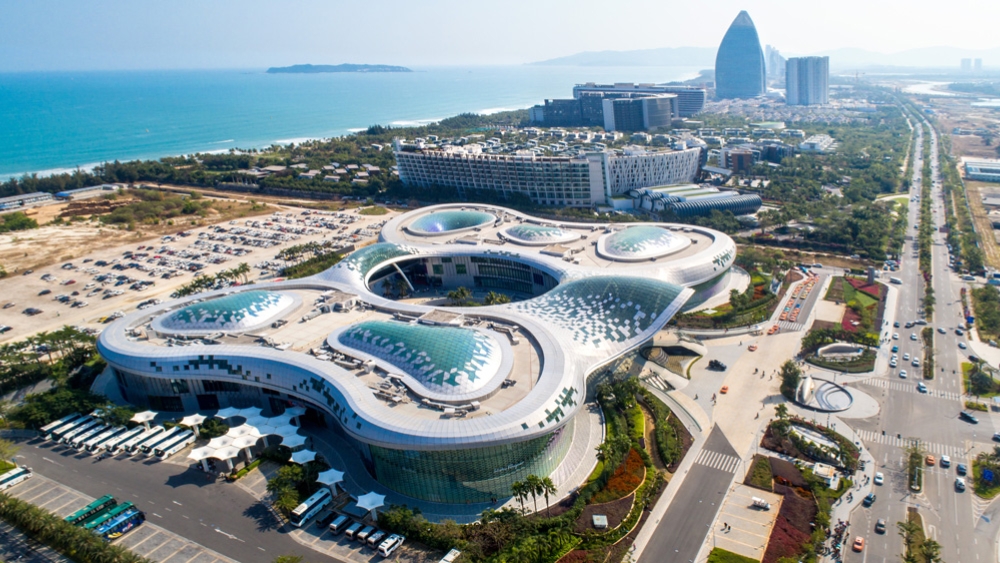
The “instant refund” system is just one piece of a broader evolution in China’s duty-free strategy. After years focused on portside locations, operators are pushing further into city-center retail. China Duty Free Group has expanded its footprint across major urban centers, and Wangfujing, once a traditional department store name, has become an aggressive player in the downtown duty-free game.
This momentum is backed by a sharp rebound in travel. In 2024, China recorded over 610 million border crossings, with foreign arrivals up nearly 83%. Visa-free transit policies are also becoming more relaxed, giving tourists more time—and more incentive—to shop.
For China’s luxury retailers, the current trade tensions may feel like a headwind—but for the duty-free sector, they could be the unexpected tailwind that drives the next phase of growth.




















 Scan this QR Code with WeChat
 WeChat
 Email
Email Share
Share
 Favorites