简体中文
简体中文

- FEATURE
- |
- MERGERS & ACQUISITIONS
- |
- FINANCIAL
- |
- MARKETING
- |
- RETAIL
- |
- ESG-SUSTAINABILITY
- |
- LIFESTYLE
- |
-
MORE




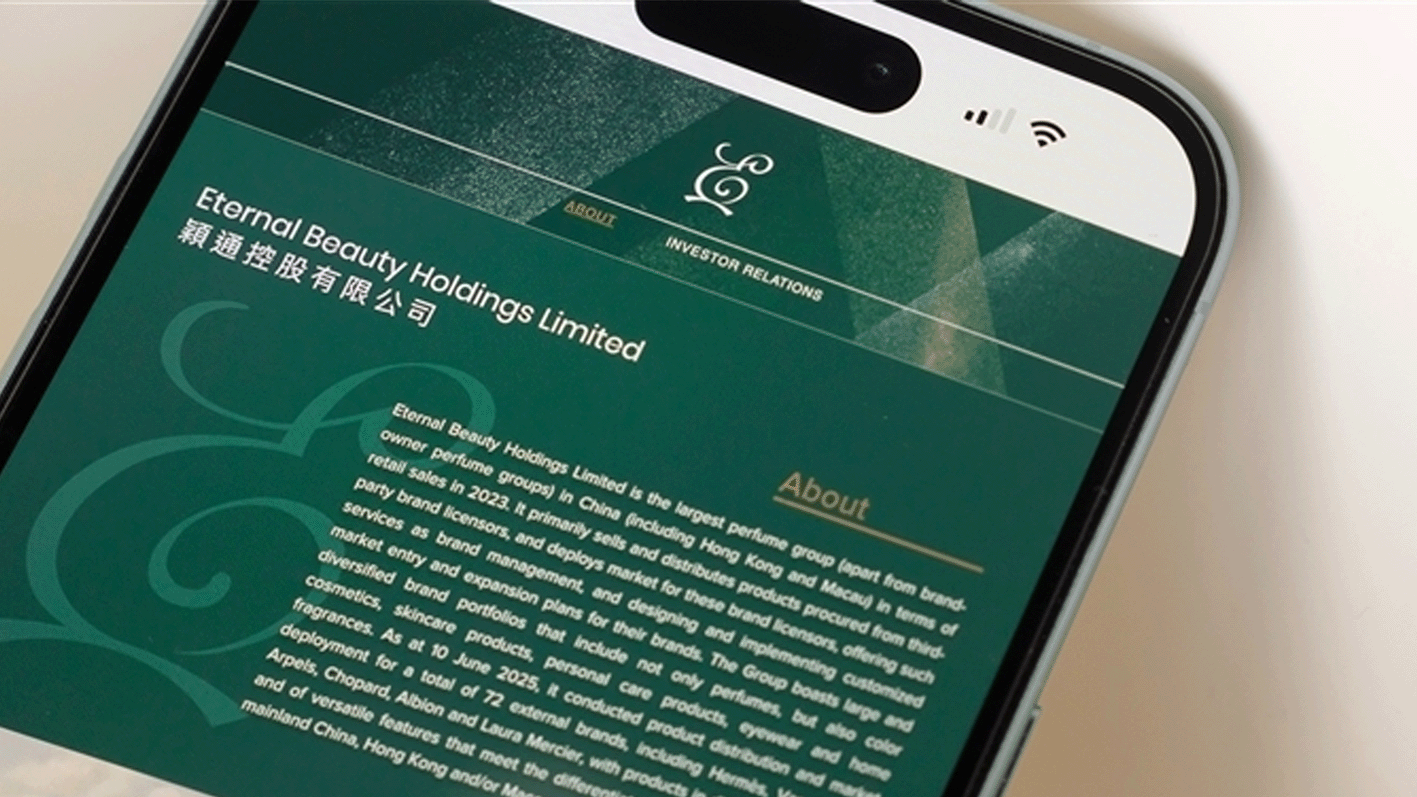
Eternal Group, China’s first publicly listed fragrance distributor, opened trading on the Hong Kong Stock Exchange on June 26—but failed to hold its ground. Shares dipped 10.76% by midday to HK$2.57, falling below the IPO price of HK$2.88, signaling a shaky start for the highly anticipated listing.
The IPO generated decent demand, with the public offering 35.84 times oversubscribed and the international tranche oversubscribed by 3.5 times. But that enthusiasm failed to translate into first-day support. The weak debut suggests investor caution runs deeper than short-term hype.
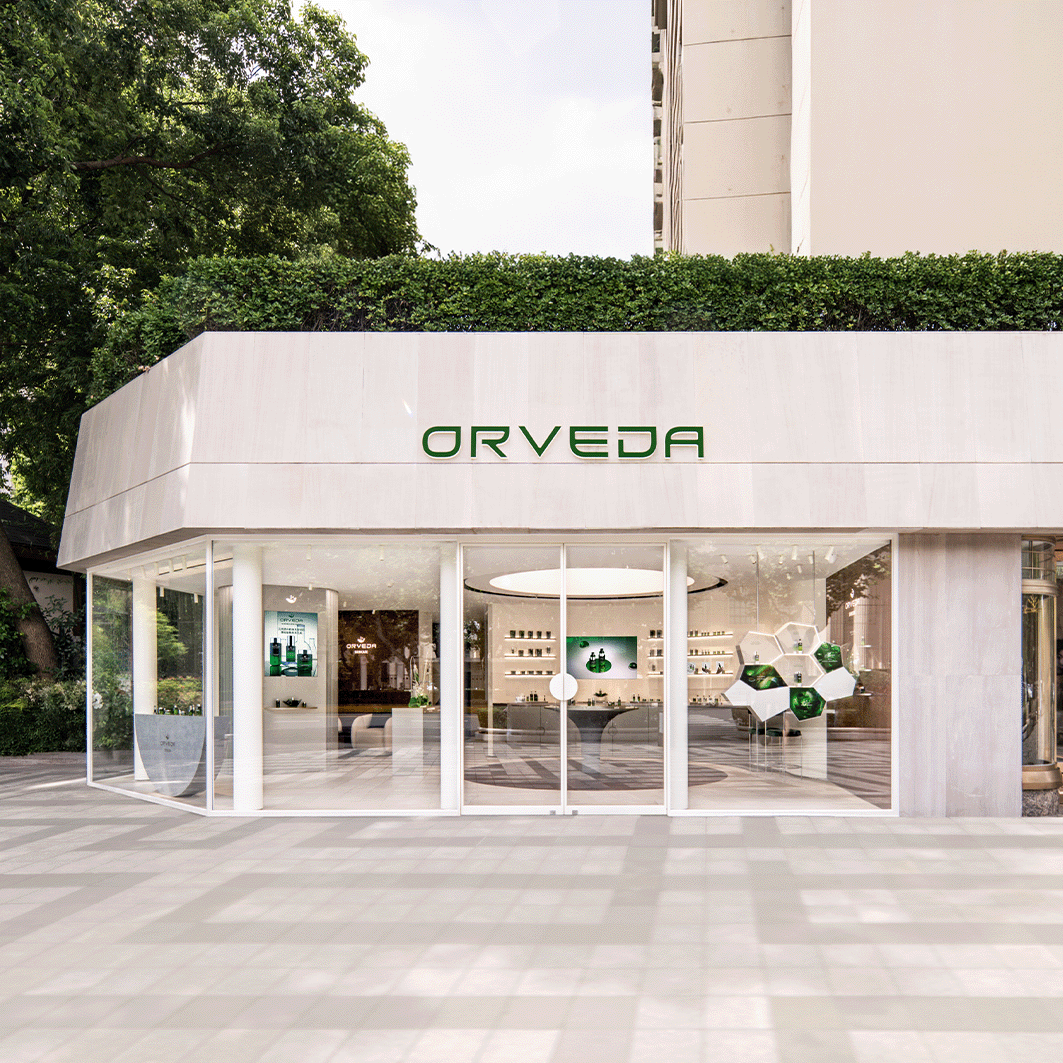
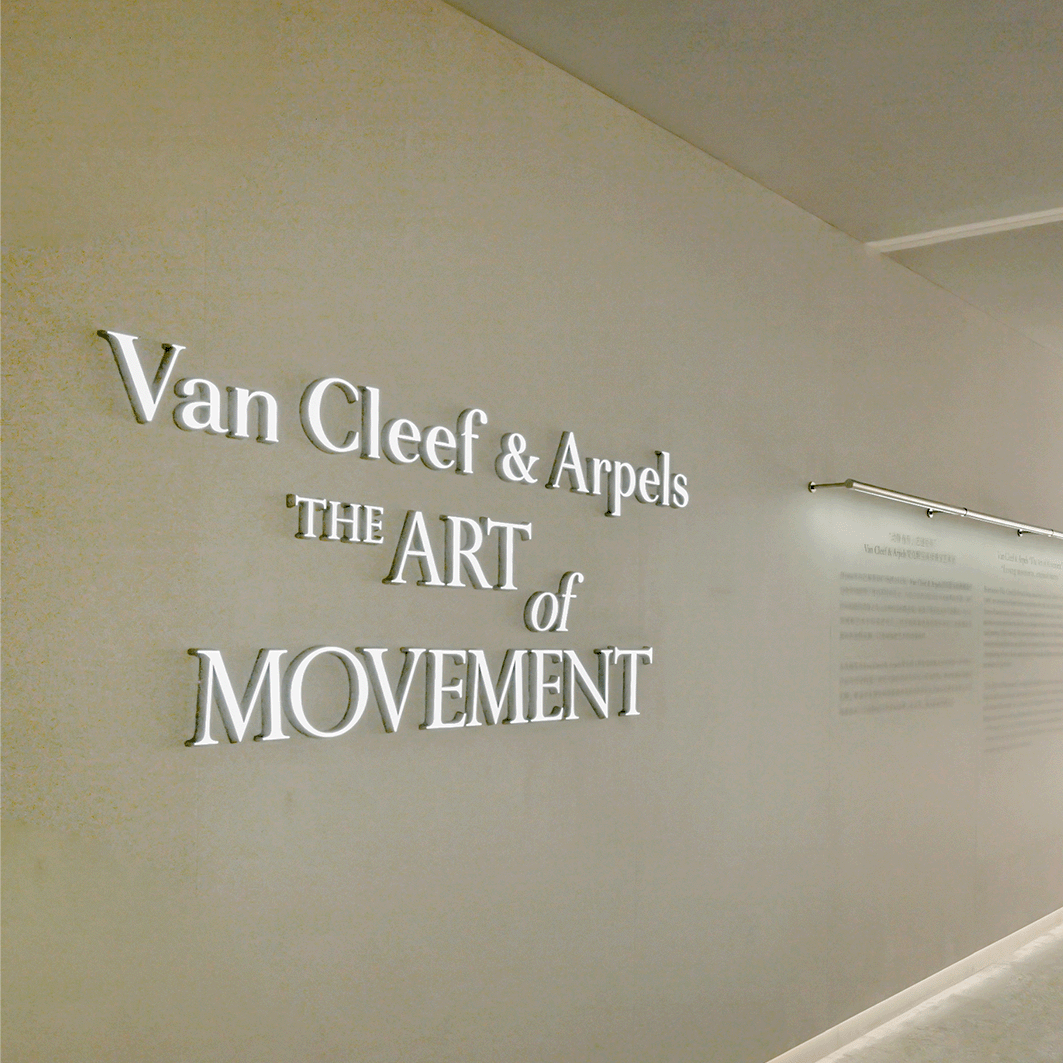
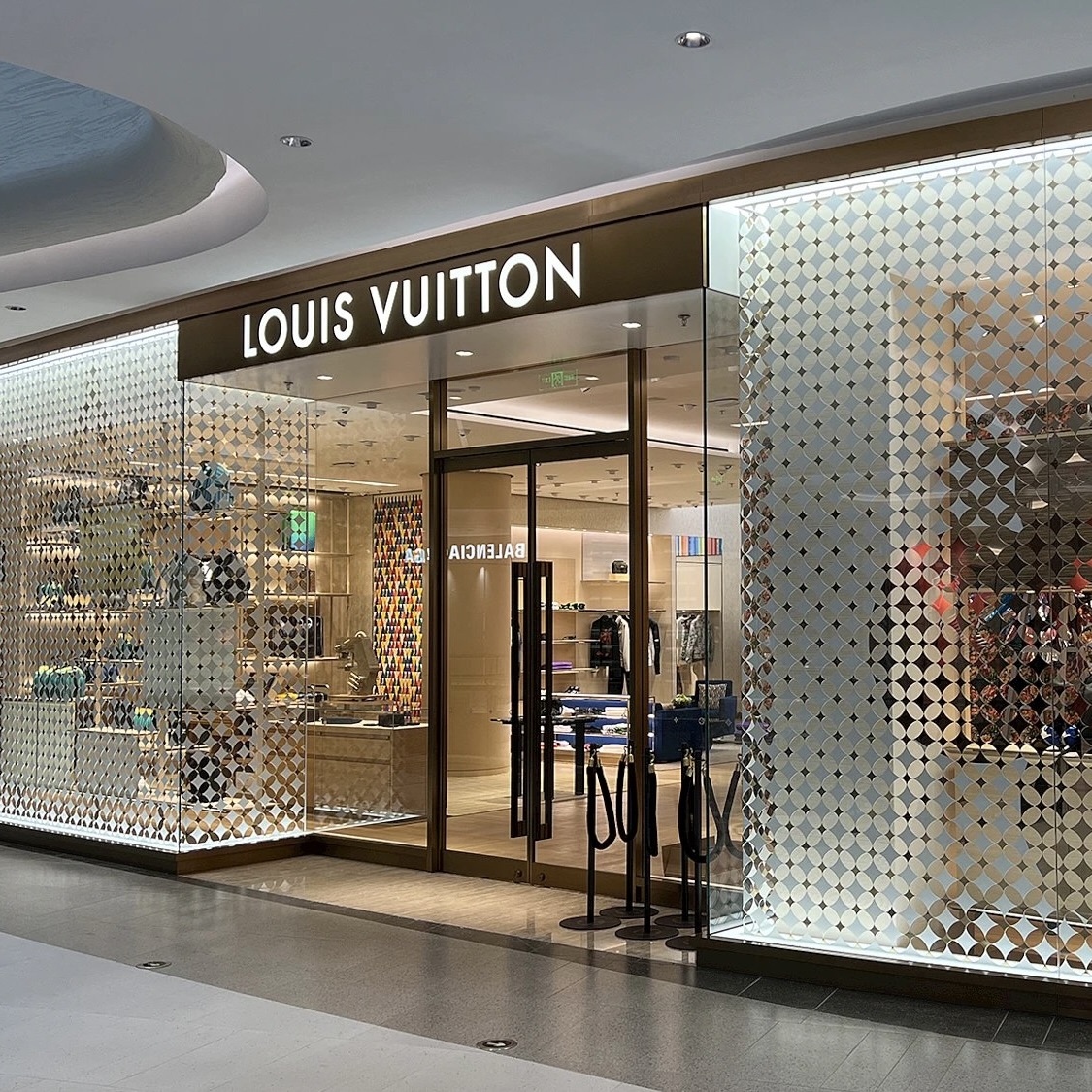
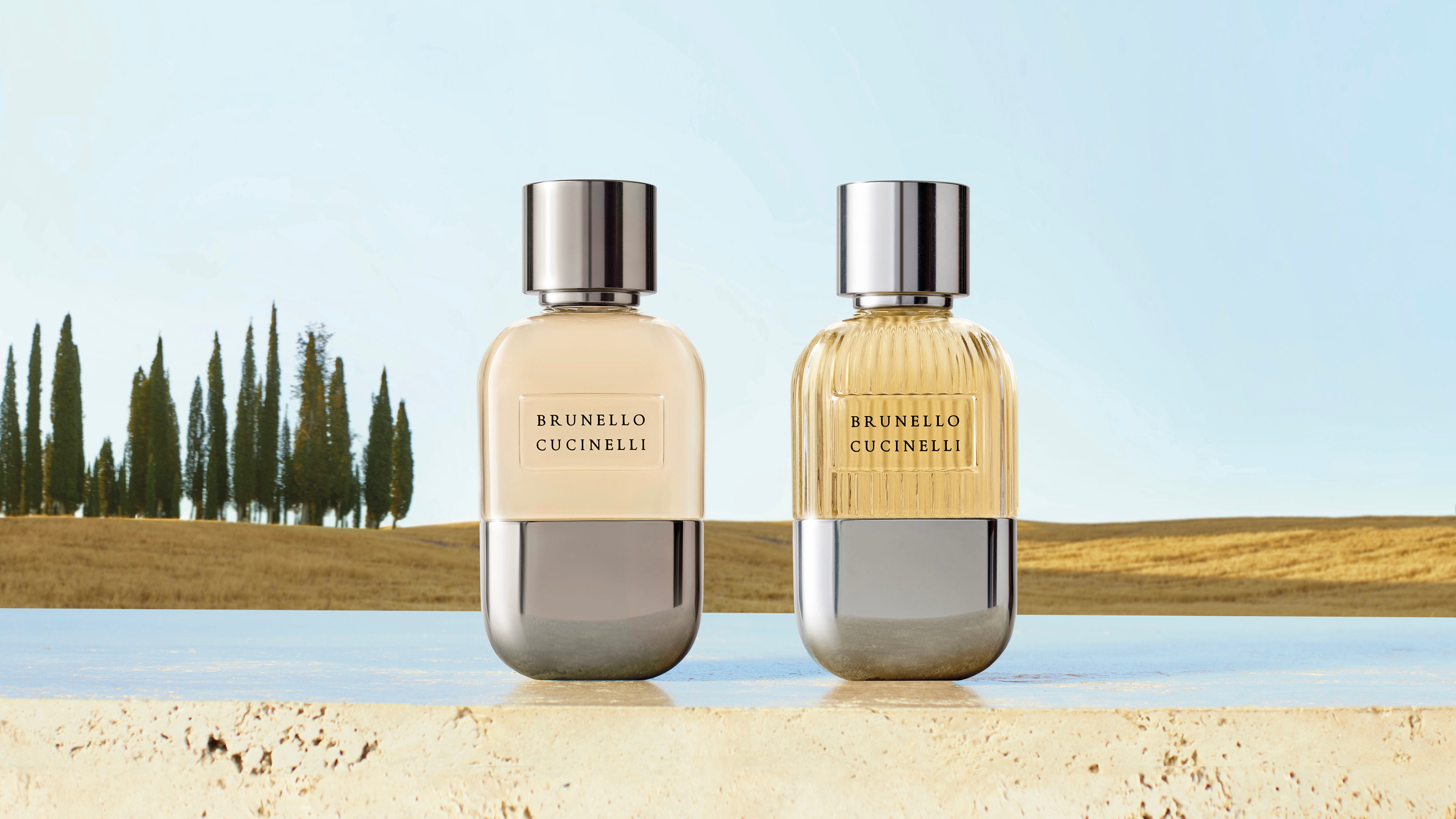
Founded in the 1990s, Eternal Group operates as a beauty channel partner for 72 international brands—including Hermès, Van Cleef & Arpels, Chopard, Coach, and ALBION—59 of which are exclusive or semi-exclusive in China. But its dependence on licensed distribution is a red flag: 38 of those agreements are set to expire within three years, with 12 up for renewal in the next 12 months.
Meanwhile, Eternal Group’s ambitions to build a proprietary brand remain underwhelming. Its in-house fragrance label Santa Monica, launched in 2022, contributed just 0.9% of total revenue in FY2024. Two additional product launches planned for 2025 have so far failed to gain momentum.
Despite revenue growth in recent years, Eternal Group’s business model lacks defensibility. With minimal traction from its own brands and a licensing structure vulnerable to expiration, the company is viewed by many investors as high-risk, low-moat.
Its IPO may have stirred attention—but its post-listing slump sends a clear signal: the market is not yet convinced that Eternal Group’s current structure can support sustainable, scalable growth.















 Scan this QR Code with WeChat
 WeChat
 Email
Email Share
Share
 Favorites