简体中文
简体中文

- FEATURE
- |
- MERGERS & ACQUISITIONS
- |
- FINANCIAL
- |
- MARKETING
- |
- RETAIL
- |
- ESG-SUSTAINABILITY
- |
- LIFESTYLE
- |
-
MORE




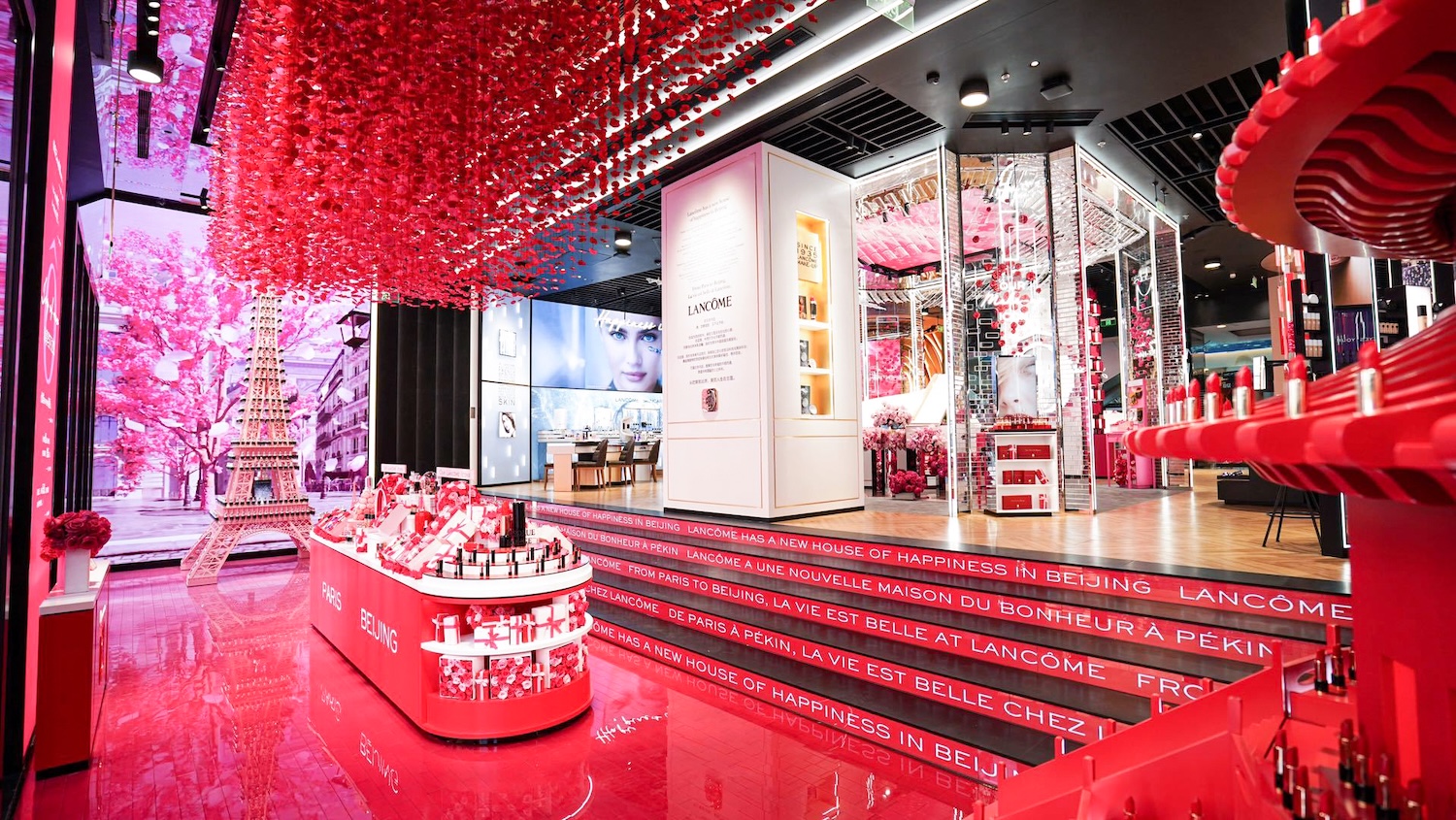
Lancôme has closed its flagship store at Beijing APM in Wangfujing. According to local reports, the store has been fully vacated, with outdoor brand Salomon already installing construction hoardings around the site.
L'Oréal said the store ceased operations on July 30, 2026, following the expiration of its lease. The company has not disclosed whether it plans to open another flagship of a similar scale elsewhere.
Opened on October 1, 2020, the 320-square-meter location was Lancôme's first flagship store in China and, at the time, only the brand's second flagship worldwide after its Champs-Élysées store in Paris. Its lifespan ultimately fell just short of six years.
The store was clearly one of L'Oréal's most significant investments in China's offline retail network.
Occupying a prime location in Beijing's Wangfujing shopping district, it featured a design inspired by both French and Beijing cultural elements. It also offered dedicated makeup services and an exclusive complexion shade-matching device available only at this location in China. The flagship served as a showcase for Lancôme's retail concept in the market.
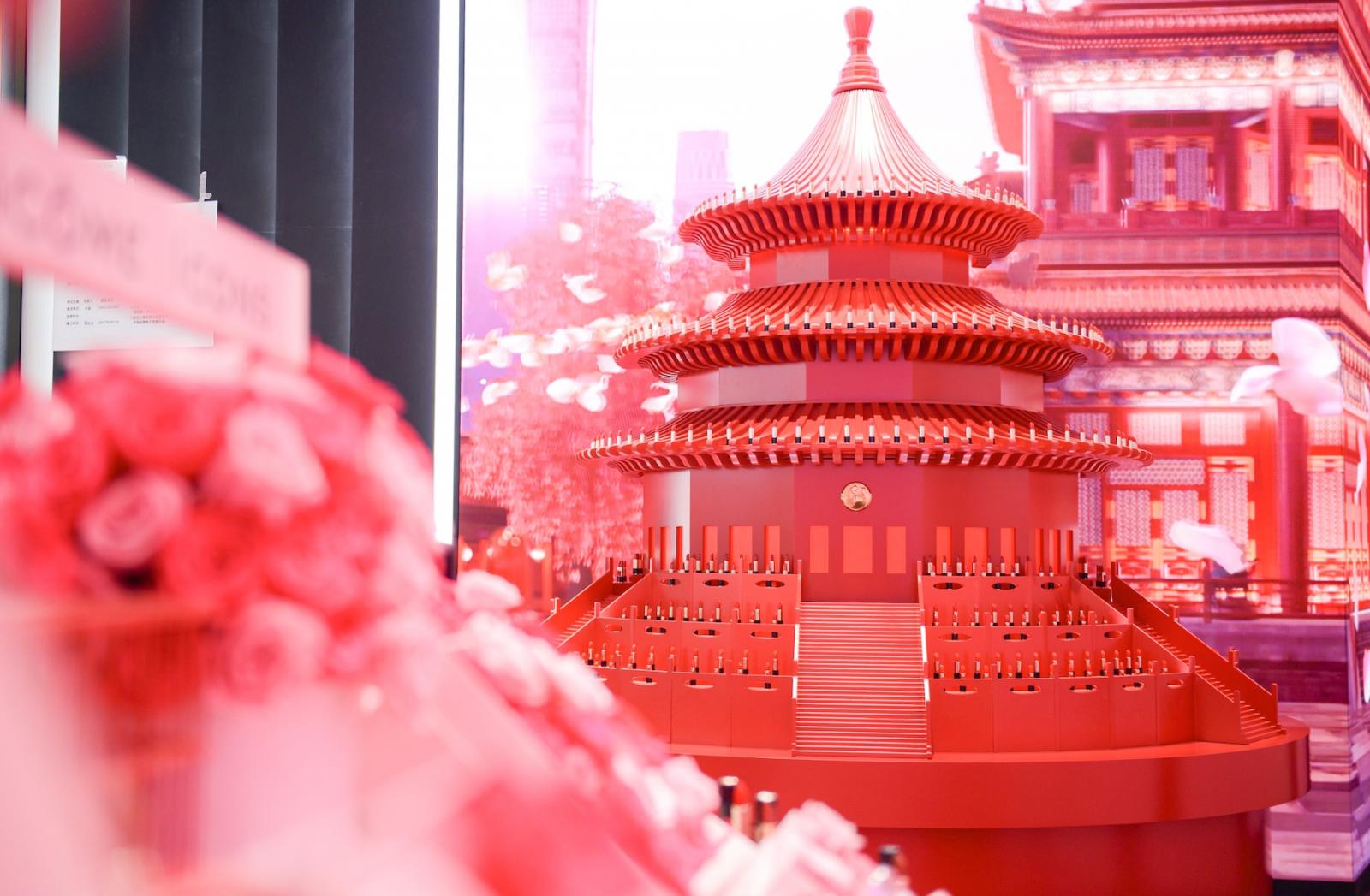
Lancôme’s flagship store at Beijing APM
Over the following years, the store lived up to those ambitions by attracting substantial customer traffic.
But the market has changed considerably since the years when China's beauty industry—and the premium beauty segment in particular—was expanding at high speed. Today, even brands such as Lancôme, which continue to perform relatively well, face growing pressure to improve operational efficiency.
Large, all-encompassing retail stores no longer appear to be the primary focus for beauty brands. Online channels now account for a significant share of beauty spending in China, while L'Oréal's first-half results this year showed that e-commerce generated more than half of sales in the North Asia region.
As consumers have increasingly grown accustomed to discovering products and making purchases online, the rationale for maintaining large stores with high operating costs has inevitably come under closer scrutiny.
That does not diminish the importance of physical retail. Brick-and-mortar spaces remain irreplaceable when it comes to expressing a brand's identity and delivering experiences that digital channels cannot replicate. Increasingly, these are precisely the areas where beauty brands are concentrating their investment.
On the one hand, brands are relying more heavily on flexible formats such as pop-ups and exhibitions to introduce new products, communicate brand stories and maintain consumer engagement. On the other hand, permanent stores are placing greater emphasis on architectural aesthetics, cultural expression and immersive experiences, while the traditional function of driving sales has become less central.
Going forward, the value of physical retail may increasingly lie beyond its role as a point of sale, becoming a platform for brand building and consumer engagement rather than simply a place to transact.














 Scan this QR Code with WeChat
 WeChat
 Email
Email Share
Share
 Favorites