简体中文
简体中文

- FEATURE
- |
- MERGERS & ACQUISITIONS
- |
- FINANCIAL
- |
- MARKETING
- |
- RETAIL
- |
- ESG-SUSTAINABILITY
- |
- LIFESTYLE
- |
-
MORE




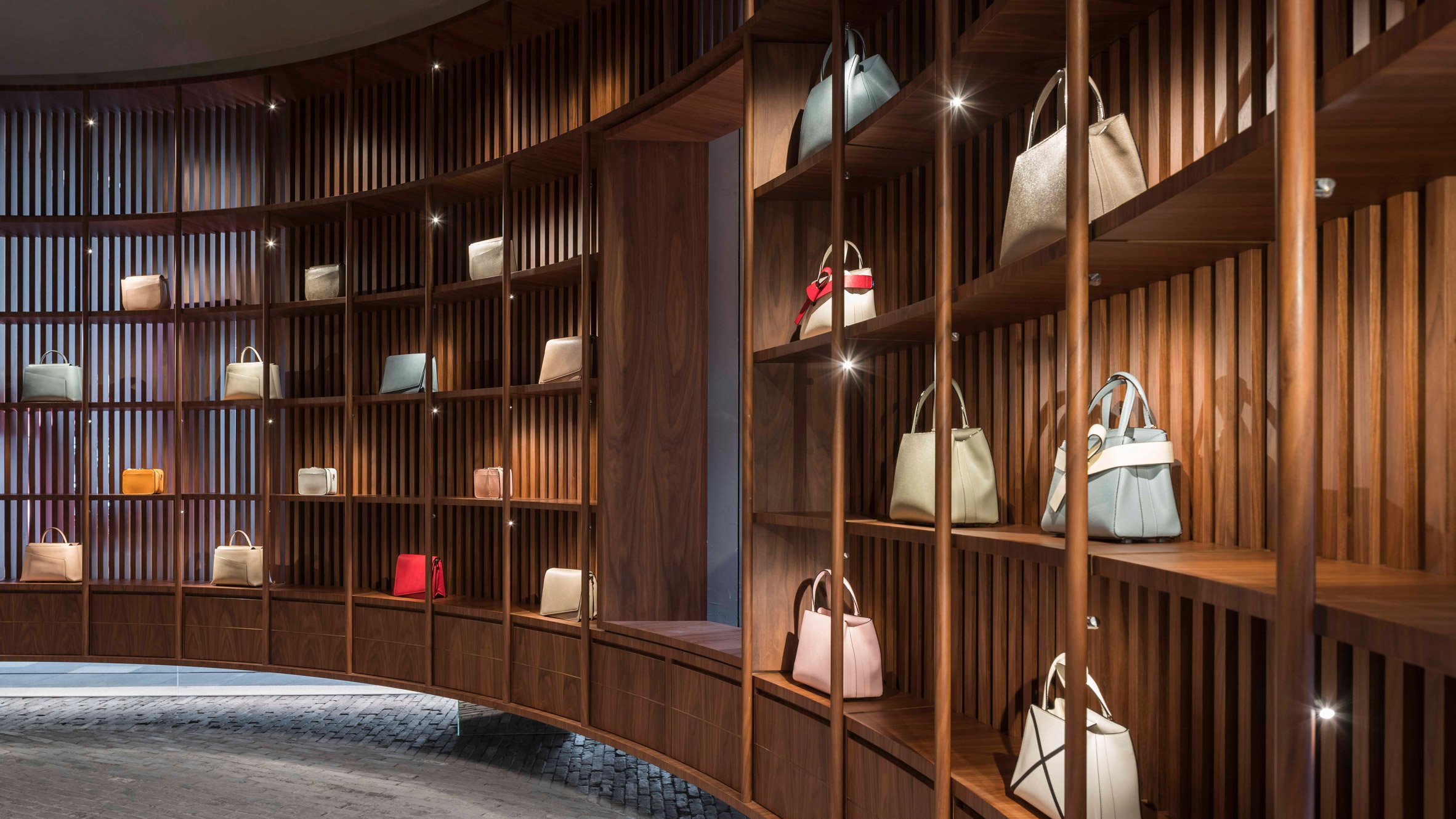
Valextra’s retail footprint in China has shrunk again.
Earlier this month, the Italian luxury leather-goods brand closed its boutique at China World Mall in Beijing, leaving just two stores in mainland China: a boutique at Plaza 66 in Shanghai and another at Taikoo Li Chengdu.
Often dubbed the “Italian Hermès,” Valextra opened its first mainland China boutique at Plaza 66 in Shanghai in 2017. It then expanded quickly into Beijing, Chengdu, Hangzhou and Shenzhen, as well as elsewhere in Shanghai. By 2023, the brand had seven stores across mainland China. Most have since closed.
In China, Valextra is often grouped with Delvaux, Moynat and Goyard under the label of the “four niche luxury handbag brands.” For a time, all four benefited from growing appetite for craftsmanship, understated design and products that signaled taste rather than obvious status. Today, however, Goyard appears to have held on to that appeal far more effectively. Valextra, Delvaux and Moynat, by contrast, have all faced repeated store closures.
The niche luxury handbag business has become much harder.
Part of the problem is simply the market. Luxury demand has weakened broadly, and even as Chinese luxury spending began to recover in 2026, leather goods and handbags continued to lag high-end ready-to-wear. Bain & Company has linked that gap to a broader shift in consumer priorities, away from products centered on status and toward forms of self-expression that feel more personal and individual.
But Valextra’s bigger issue may lie closer to home: its brand identity is not distinctive enough to comfortably justify its price point, which is largely in the $3,000 to $5,000 range.
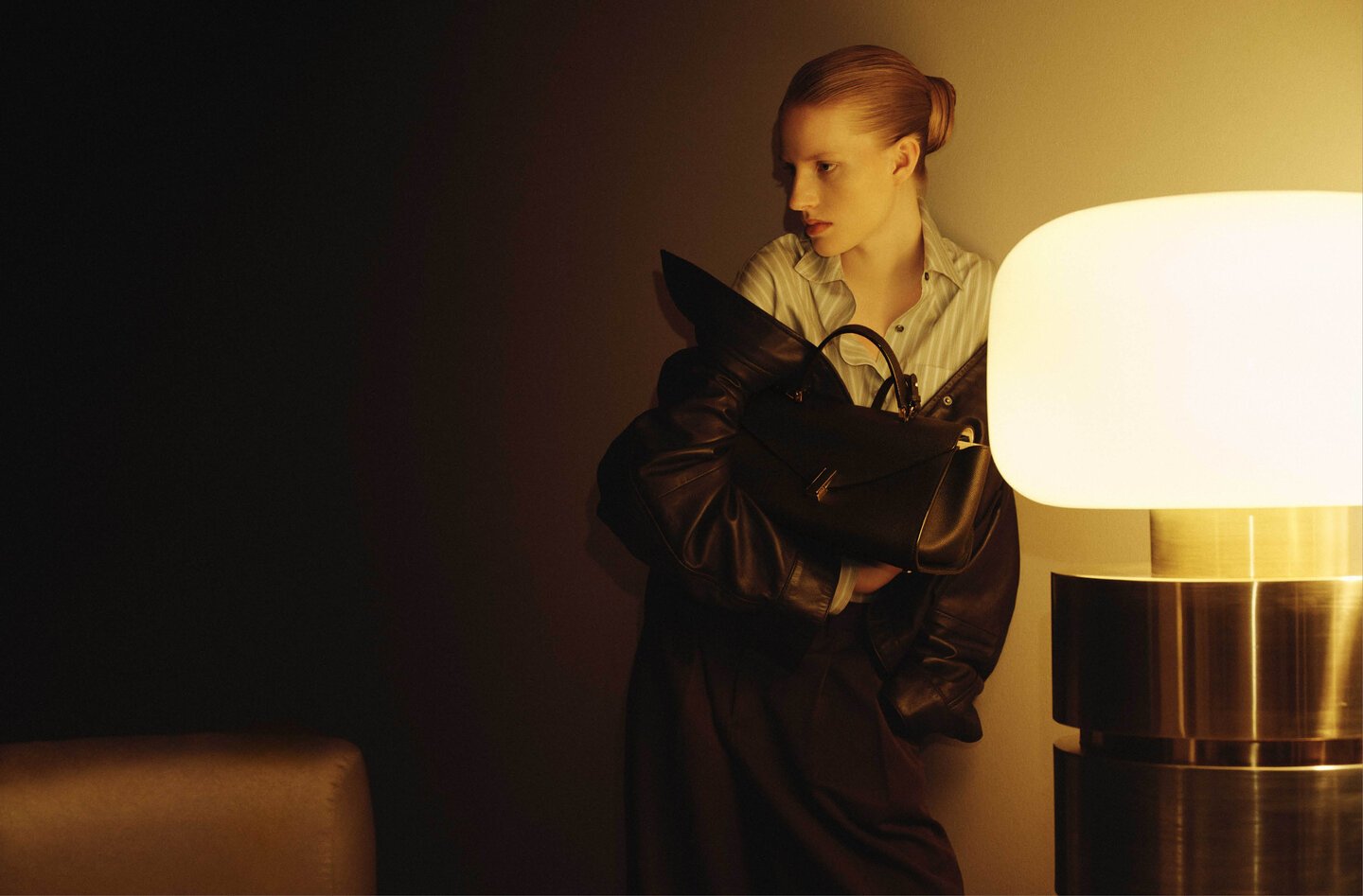
Valextra has long built its image around discretion, minimal visible branding and high-end leather craftsmanship. That positioning worked particularly well when “niche luxury” was in vogue. But it also created a problem: many consumers still struggle to say, at a glance, what makes Valextra uniquely Valextra.
Even its best-known bags have not achieved the kind of instant recognition associated with the Hermès Birkin, Lady Dior or Goyard Saint Louis. To many consumers, Valextra, Delvaux and Moynat can blur into one another. In a market where competition is intensifying and consumers are exposed to a constant stream of brand messaging, that lack of clear differentiation is a serious disadvantage.
When luxury demand was stronger, being understated — or being a brand that “only those in the know” understood — could create its own sense of exclusivity. But as consumers scrutinize purchases more closely, weighing not only design and craftsmanship but also brand equity and resale value, being perceived as sophisticated and exclusive is no longer enough.
Brands now have to answer a more practical question: if a consumer is spending 20,000 to 30,000 yuan, or roughly $2,980 to $4,460, why not buy from a label with stronger recognition and better resale liquidity?
Goyard offers a useful contrast. It remains discreet by luxury-industry standards, but Goyardine canvas, its distinctive Y-shaped chevron motif and the Saint Louis tote have become instantly recognizable visual codes. Even consumers who know little about the brand itself are likely to have seen the bags, thanks to their visibility in celebrity street style and on social media. Goyard may still cultivate the image of a niche label, but its products are anything but obscure.
Sometimes, the line between being niche and simply being forgettable is very thin.












 Scan this QR Code with WeChat
 WeChat
 Email
Email Share
Share
 Favorites