简体中文
简体中文

- FEATURE
- |
- MERGERS & ACQUISITIONS
- |
- FINANCIAL
- |
- MARKETING
- |
- RETAIL
- |
- ESG-SUSTAINABILITY
- |
- LIFESTYLE
- |
-
MORE




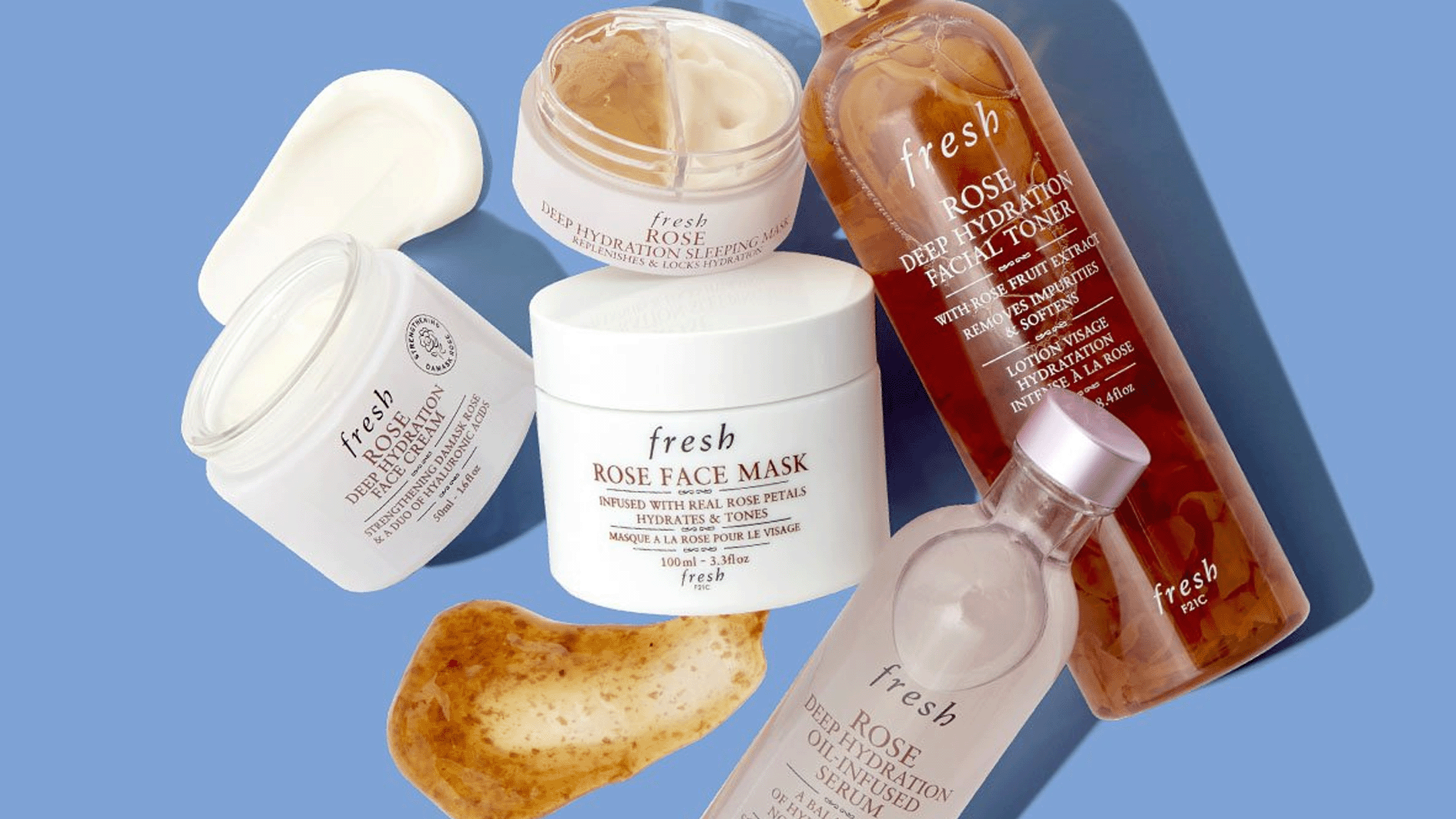
In early January, premium skincare label fresh, owned by LVMH, quietly shut its store in Wuhan MixC, one of Central China’s most prominent luxury malls. The brand sent out a message to members informing them that all customer services would now be handled through its counter in Wuhan’s Wushang Plaza—effectively downsizing its local retail footprint from two locations to one.
While closures of physical stores in China's post-pandemic retail landscape are increasingly common, this particular move doesn’t suggest a full-scale retreat. On the contrary, fresh still operates close to 70 doors across China, predominantly in major cities in the east and south. The brand’s exit from Wuhan MixC appears to be a surgical repositioning—a choice rooted in operational efficiency rather than market abandonment.
This decision also reflects broader trends playing out in China’s beauty retail sector. As the market enters a period of structural correction, many international brands are trimming duplicate locations within the same city and focusing resources on venues with higher ROI and greater consumer stickiness. fresh’s choice to consolidate operations in Wushang Plaza is in line with that shift. MixC itself continues to attract strong footfall and hosts a robust portfolio of beauty brands, suggesting that the exit was driven more by brand-side calculus than mall-level performance.
But the store closure also underscores deeper challenges facing fresh in China. Despite entering the market relatively early, the brand was slow to respond to the explosive rise of efficacy-driven skincare, ingredient transparency, and content-based e-commerce. As local players and clinical-style brands gained traction, fresh remained anchored in a more emotional, heritage-driven narrative—one that has struggled to keep pace with China’s evolving consumer demands.
2025 marked a turning point. In a bid to revive brand momentum, fresh embarked on a high-frequency ambassador strategy. Actress Alyssa Chia, Li Yunrui, SEVENTEEN’s Wen Junhui (Jun) was tapped for different lines for further amplify brand visibility. Yet the segmented approach—where each celebrity fronted a different product line—fractured the brand narrative, diluting its overall message in the marketplace.
Meanwhile, fresh’s clean and premium brand positioning has faced growing scrutiny from beauty-savvy Chinese consumers. On platforms like Xiaohongshu, users have raised concerns about underwhelming efficacy in certain products and questioned formulation ingredients—pointing to inconsistencies between the brand’s natural skincare image and its actual ingredient lists.
In an era when Chinese beauty shoppers are becoming more informed, more demanding, and more results-oriented, story alone is no longer enough. For fresh to reclaim relevance, it must build stronger credibility around efficacy while continuing to refine its luxury appeal. The closure of Wuhan MixC may appear minor in scope—but symbolically, it suggests a brand grappling with how to remain essential in a market where loyalty is increasingly performance-driven.









 Scan this QR Code with WeChat
 WeChat
 Email
Email Share
Share
 Favorites