简体中文
简体中文

- FEATURE
- |
- MERGERS & ACQUISITIONS
- |
- FINANCIAL
- |
- MARKETING
- |
- RETAIL
- |
- ESG-SUSTAINABILITY
- |
- LIFESTYLE
- |
-
MORE




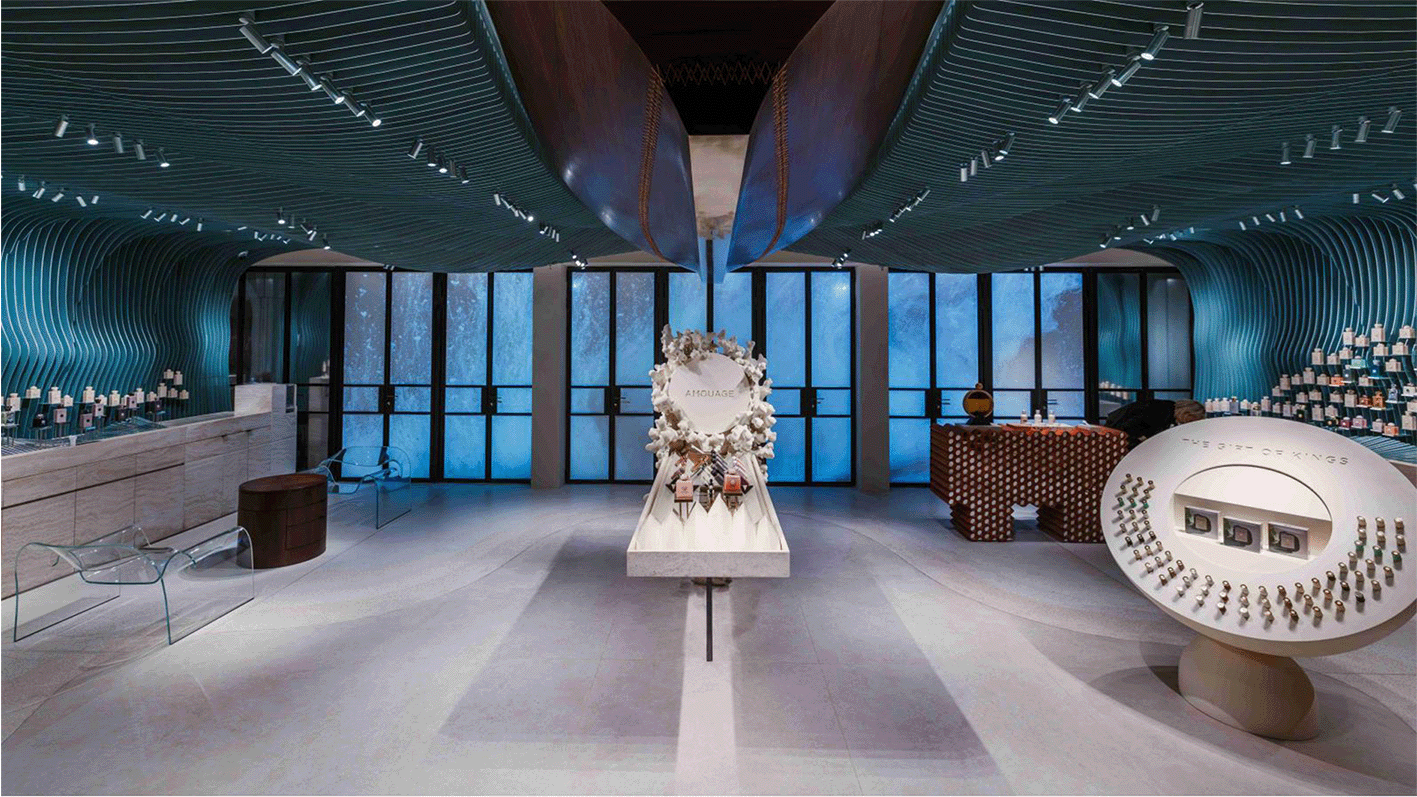
After five years of tentative steps into China—through retail counters, pop-ups, and shop-in-shops—Omani fragrance house Amouage has opened its first Asia flagship store in Shanghai’s Zhangyuan. The move marks both a conclusion to its initial explorations and a bold start to its next phase of expansion in the Chinese market.
Alongside the physical milestone comes a symbolic one: the unveiling of the brand’s official Chinese name—“阿漠史” (Ā mò shǐ). But the reception has been anything but unanimous.
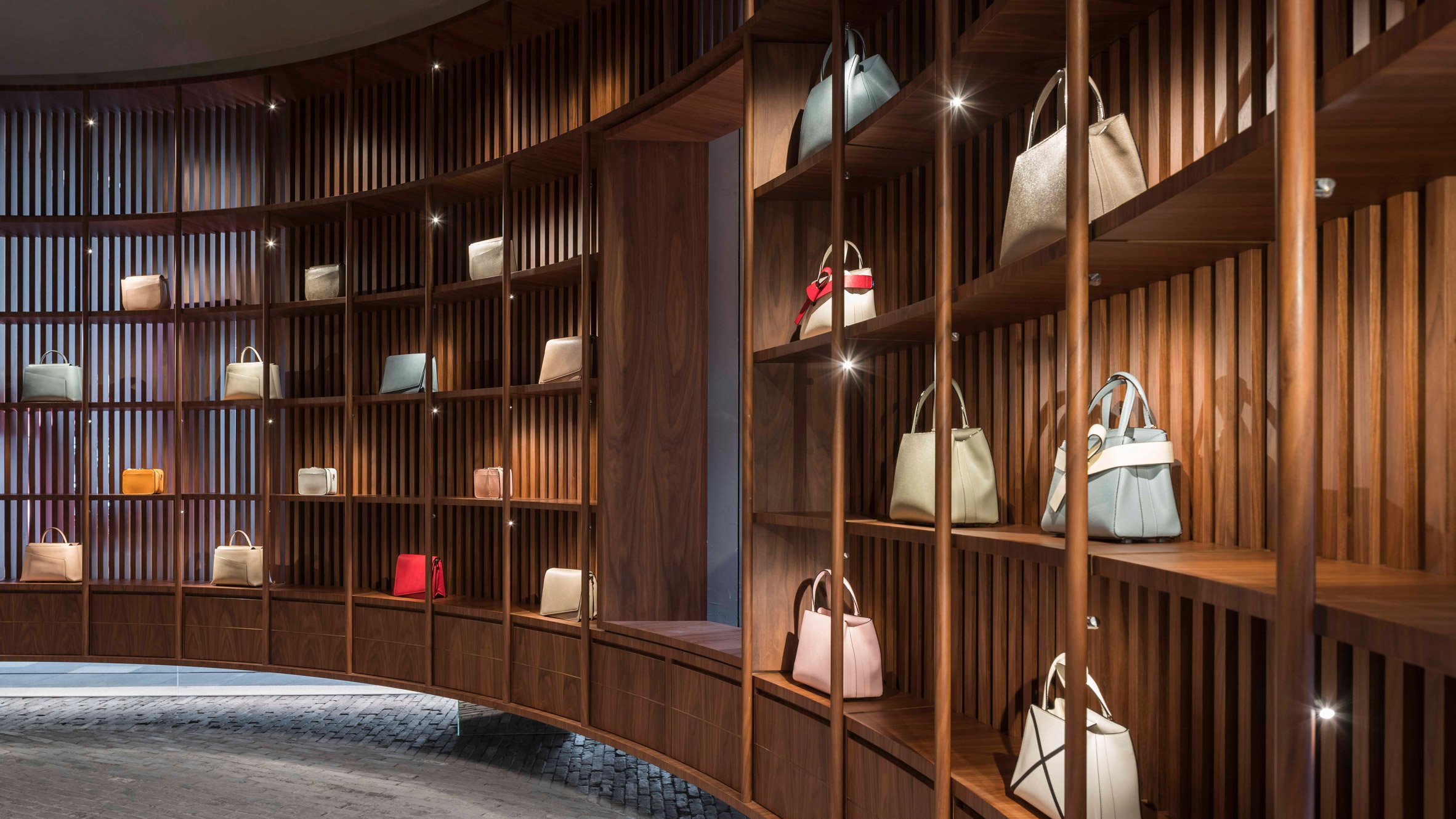
Named “The Sillage,” the new flagship is the brand’s only ocean-themed boutique globally. It draws inspiration from Oman’s historic maritime connections with China along the ancient Maritime Silk Road. Design elements pay homage to this legacy—featuring traditional Omani single-mast boats and tales of Sinbad’s sea voyages to encapsulate a broader seafaring civilization.
The store also features a personalized fragrance selection system, guiding visitors to their ideal scent based on preferred raw materials, textures, and olfactory notes.
While the boutique is a triumph in retail design and experience, the Chinese name is proving to be more of a mixed blessing.
Having a local name is a critical strategy for international brands aiming to build familiarity, generate goodwill, and emotionally connect with Chinese consumers. The ideal Chinese brand name—concise, resonant, and culturally aligned—should reflect the brand’s essence while being easy to say and remember.
In this case, “阿漠史” (literally “Oman-Dessert-History”) checks some technical boxes but falls short in public appeal. Many netizens have reacted with bemusement, admitting the name feels awkward or unpronounceable in everyday conversation.
To be fair, the name was thoughtfully constructed: “阿” represents Oman, “漠” evokes the desert where frankincense trees grow, and “史” signifies the historic richness of a spice-scented legacy. For Amouage insiders, the logic is airtight. But among the broader Chinese public—many of whom are still unfamiliar with this niche brand—the name risks becoming fodder for internet mockery before brand equity can catch up.
Yet there’s another side to the coin. The buzz—largely in a “shocked emoji” tone—has ironically succeeded in wiping away its old name “爱慕,” which couldn’t be trademarked and often caused confusion due to overlaps with other brands. In one swift and noisy move, “阿漠史” has established itself as the new name in public consciousness, whether people love it or hate it.
Still, brands looking to build long-term credibility in China must be cautious: viral controversy may bring visibility, but not necessarily reputation. For a luxury brand like Amouage, whose appeal is built on craftsmanship and story, being “controversially visible” isn’t always strategically sound.
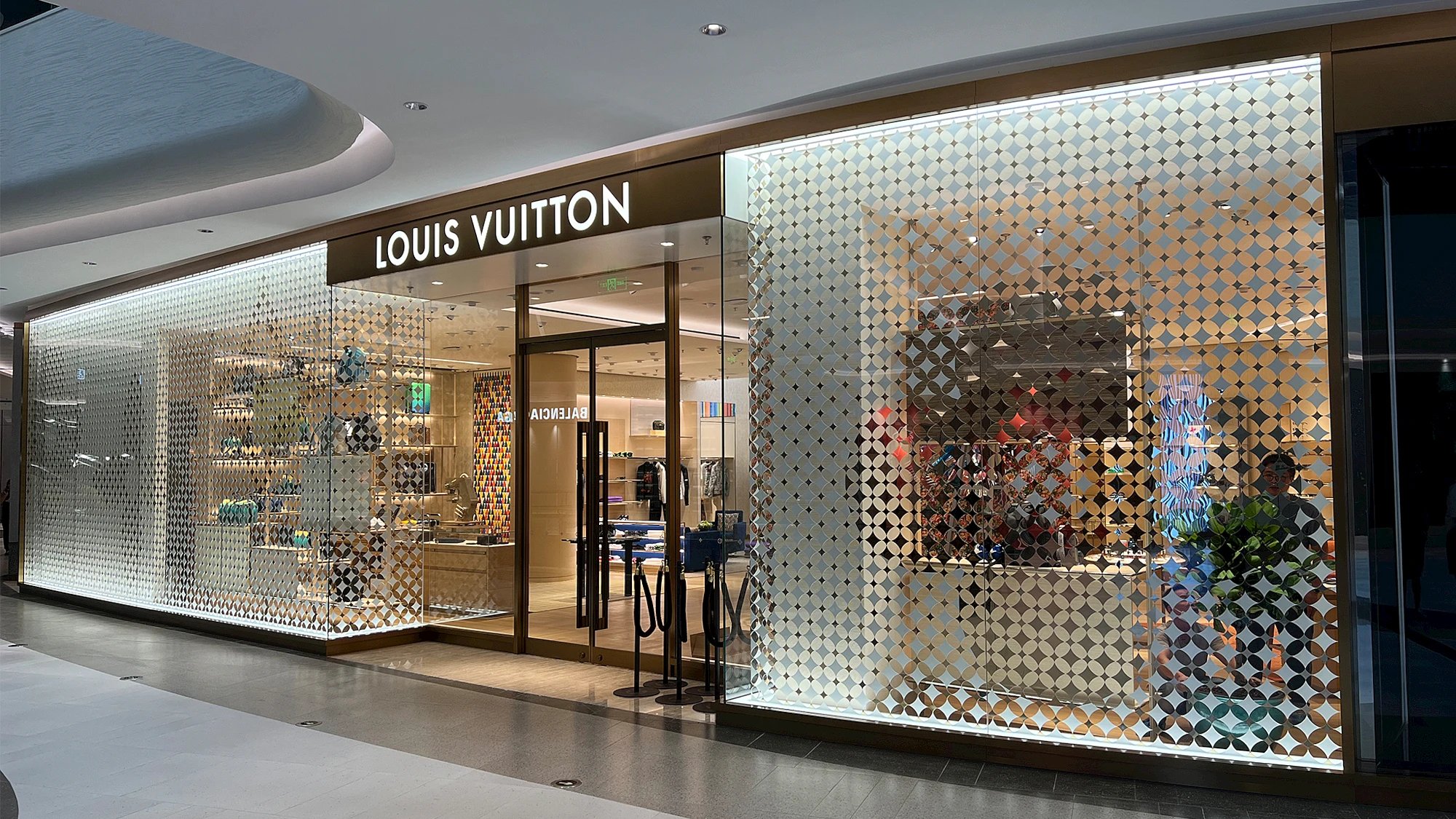
Since 2021, Amouage has partnered with Syoung Group, launching a flagship store on Tmall Global. Beyond its new flagship in Zhangyuan, the brand also operates a boutique in Guangzhou Tianhuan and counters in Beijing SKP-S, Xi’an SKP-S, and Wuhan SKP. Temporary concept stores have also appeared in Wuxi and Chengdu.
CEO Marco Parsiegla emphasizes that Amouage prefers steady, intentional growth over aggressive rollouts. Building consumer trust and understanding the nuances of the Chinese market, he says, are higher priorities. Despite the limited store footprint, offline channels already account for more than half of the brand’s China sales.
As of now, Amouage remains a cult name in China: beloved by connoisseurs, largely unknown to the broader public. How it proceeds—from naming strategy to retail expansion—will be a high-value case study for any luxury brand navigating the Chinese fragrance market.











 Scan this QR Code with WeChat
 WeChat
 Email
Email Share
Share
 Favorites