简体中文
简体中文

- FEATURE
- |
- MERGERS & ACQUISITIONS
- |
- FINANCIAL
- |
- MARKETING
- |
- RETAIL
- |
- ESG-SUSTAINABILITY
- |
- LIFESTYLE
- |
-
MORE




In recent years, Chinese brands across fashion, beauty, and sportswear have accelerated their global expansion. But unlike early overseas forays driven by OEM, pricing, or distribution advantages, this new wave is centered on storytelling, cultural resonance, and globally attuned design.
In this context, sportswear brands are proving to be particularly adept pioneers. As younger global consumers seek brands that represent identity and culture — not just functionality — Chinese sports labels are pivoting from performance-focused messaging to richer cultural narratives.
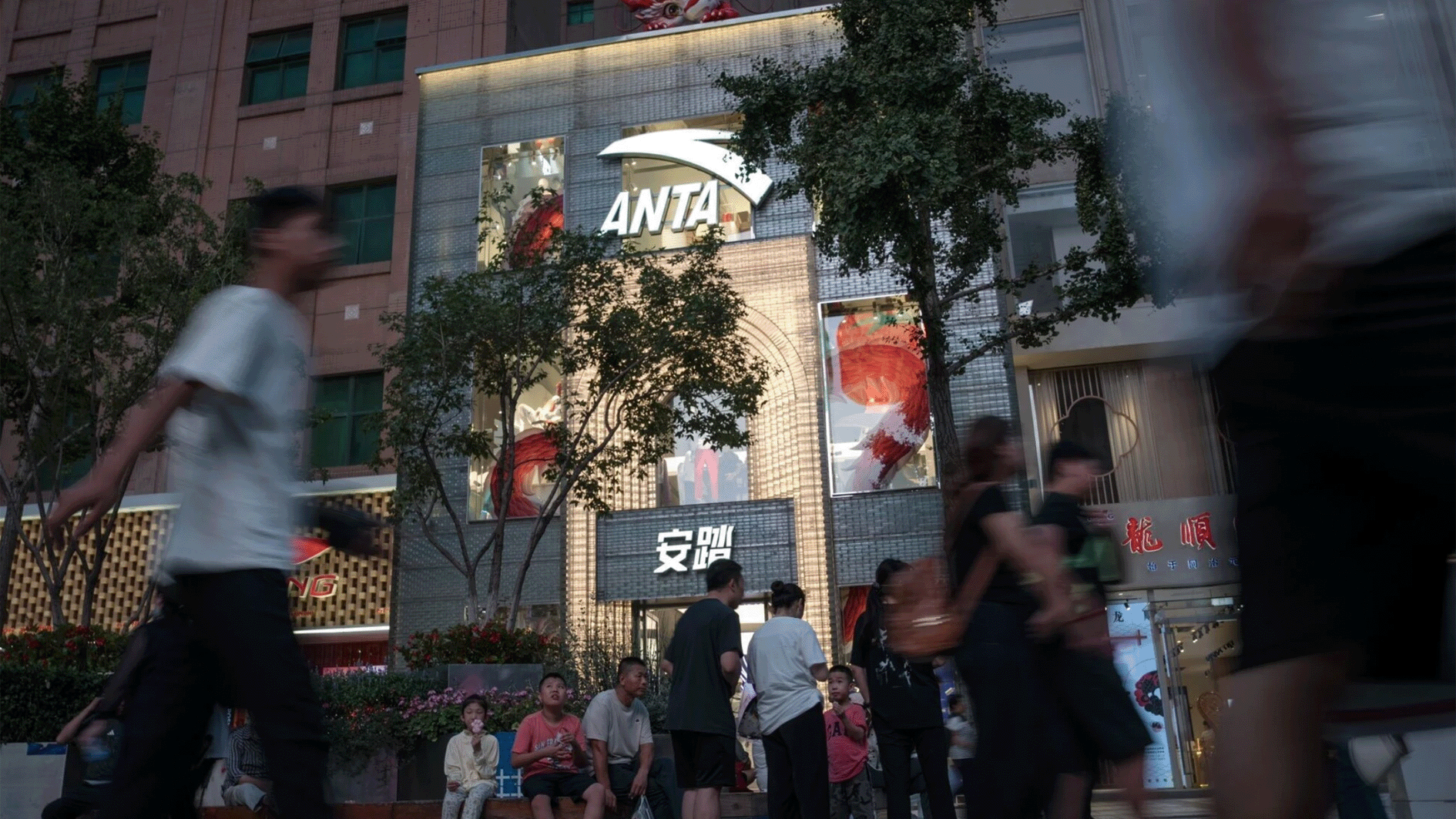
ANTA is emerging as one of the most prominent examples.
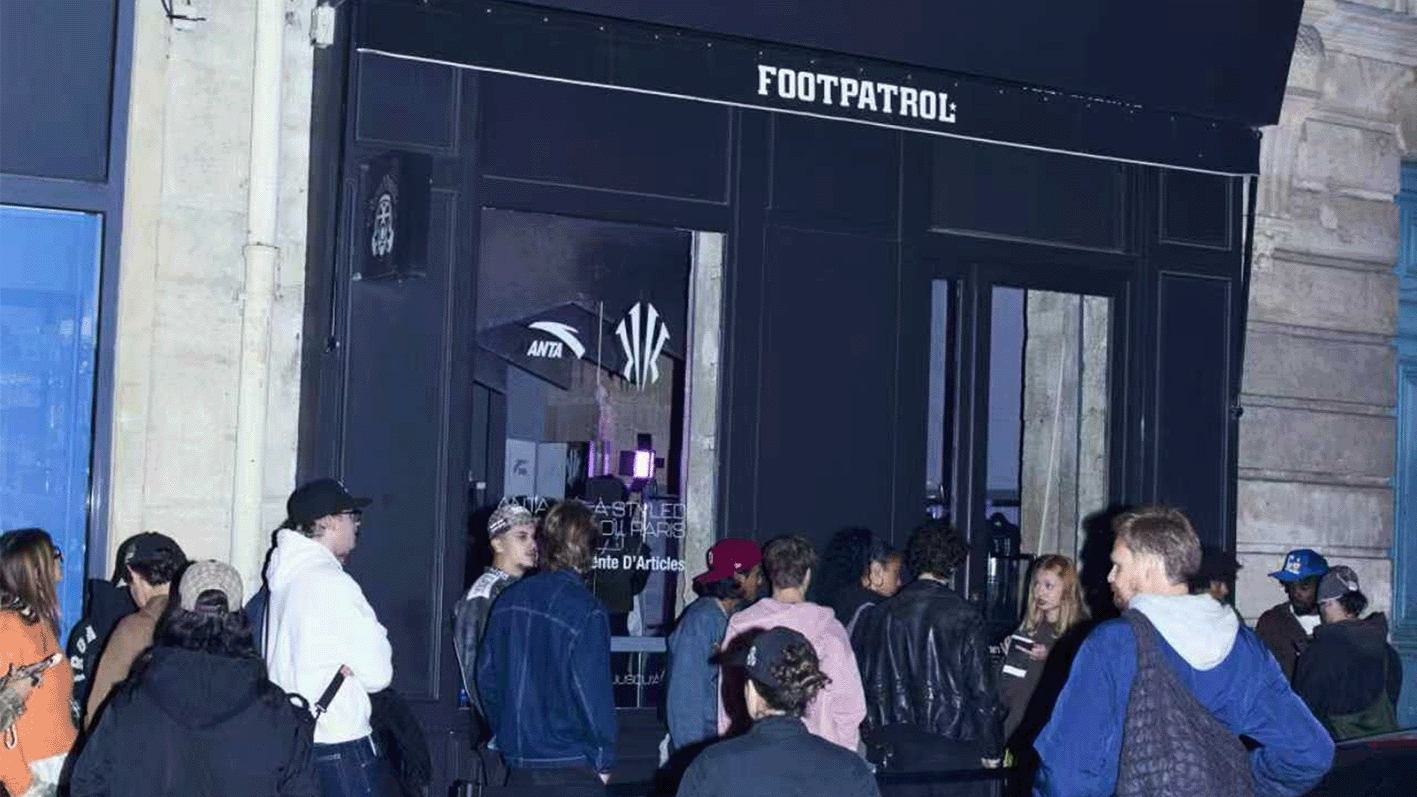
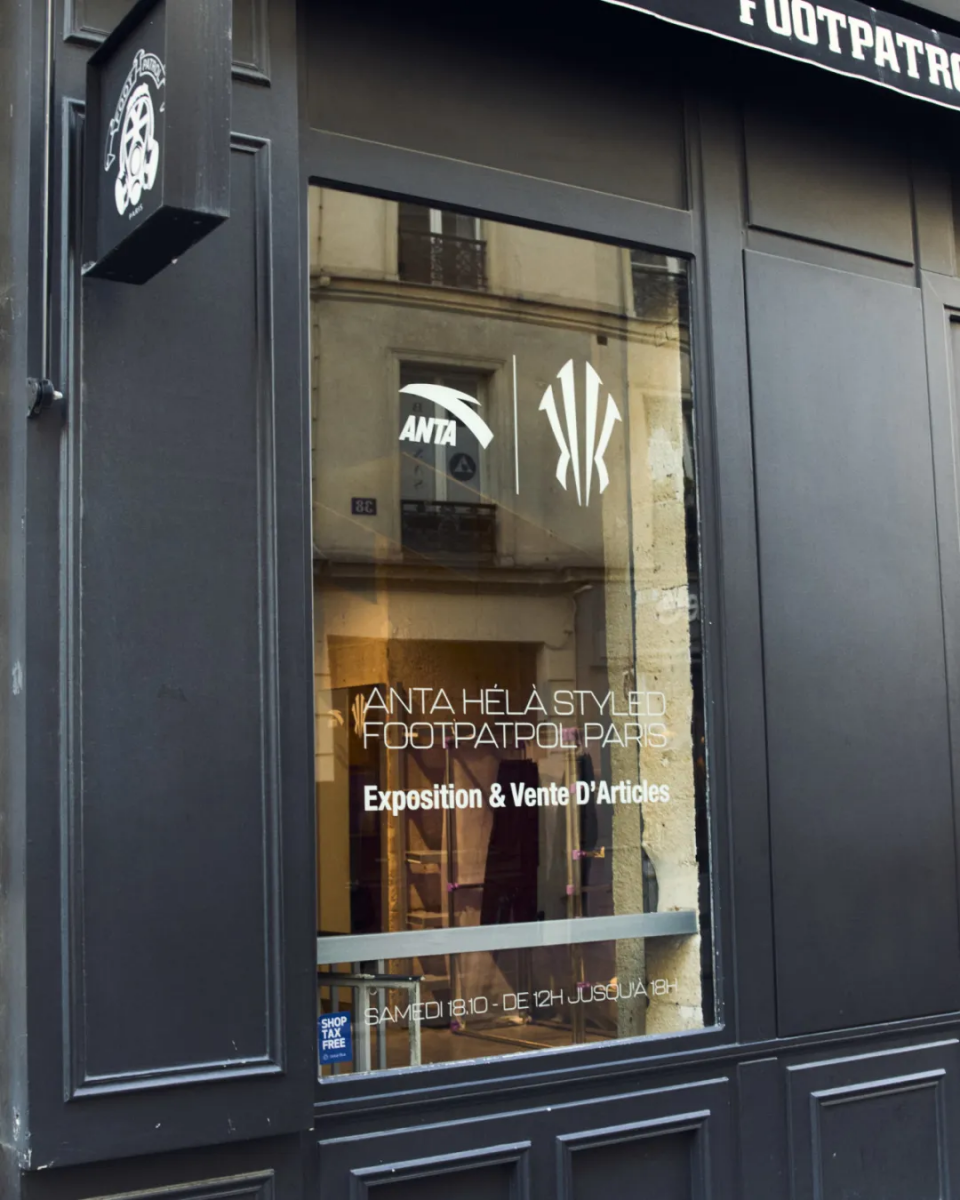
After testing the waters in New York this September, ANTA brought its HÉLÀ Styled collection to Paris in October, hosting a pop-up event at the sneaker mecca Footpatrol. But this wasn’t a one-off publicity stunt — it was a carefully staged milestone following years of product innovation and cultural groundwork.
Yet Paris—and by extension the European market—is never a blank slate. It’s the territory built over decades by giants like adidas and various culture‑driven specialist brands. So the question ANTA must answer is this: Can the cultural narrative and product innovation behind the Irving series cross the Atlantic and resonate with European consumers—who are already fluent in slogans such as “Impossible is Nothing” and steeped in street‑style sophistication?
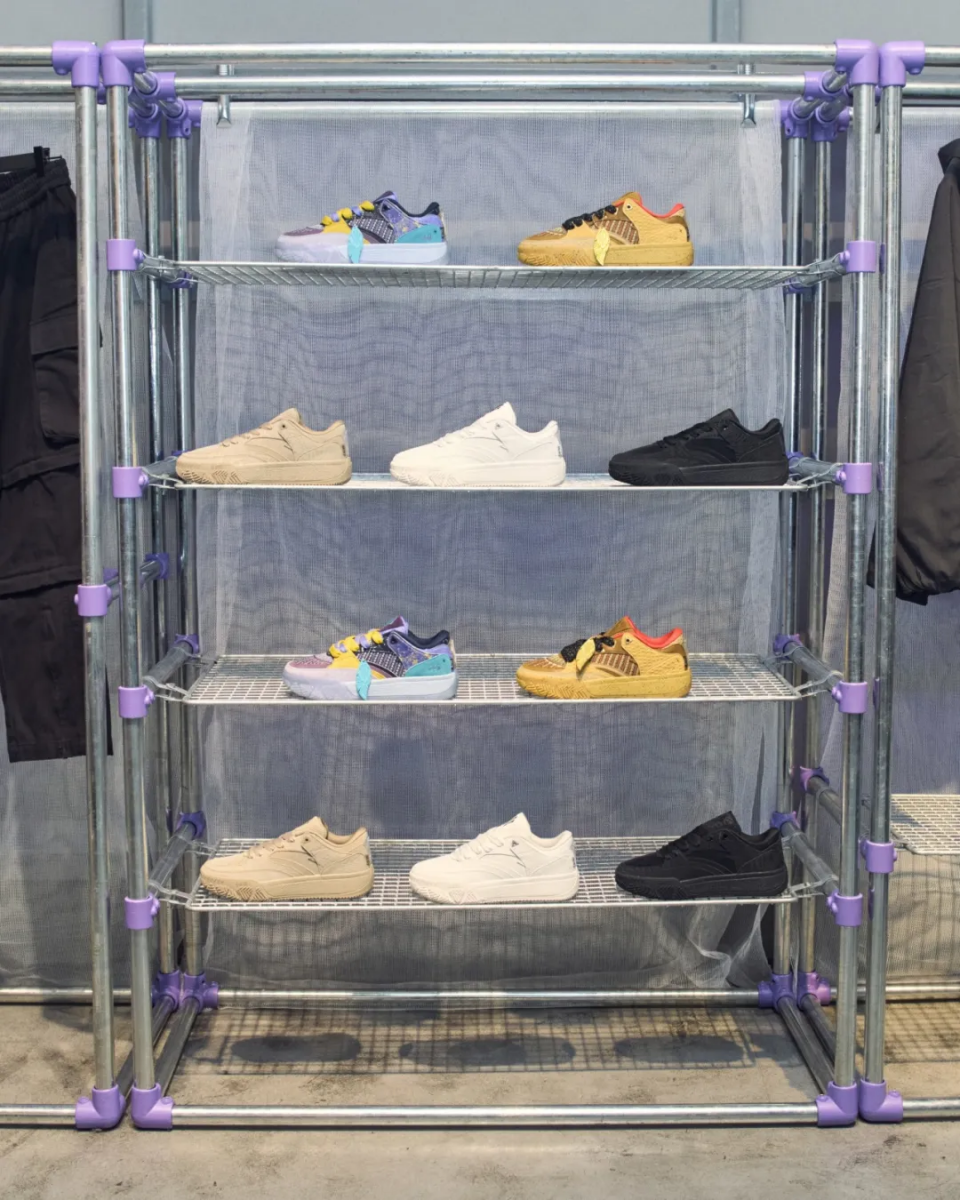
On October 18, ANTA staged a thematic launch event at Footpatrol’s Marais district location in Paris. The focus: the collaboration with basketball star‑turned‑designer Kyrie Irving, now Chief Creative Officer, introducing both the HÉLÀ Season 2 apparel line and the HÉLÀ Code sneaker lineage. Attendees were immersed in a space where basketball culture meets fashion street aesthetics.
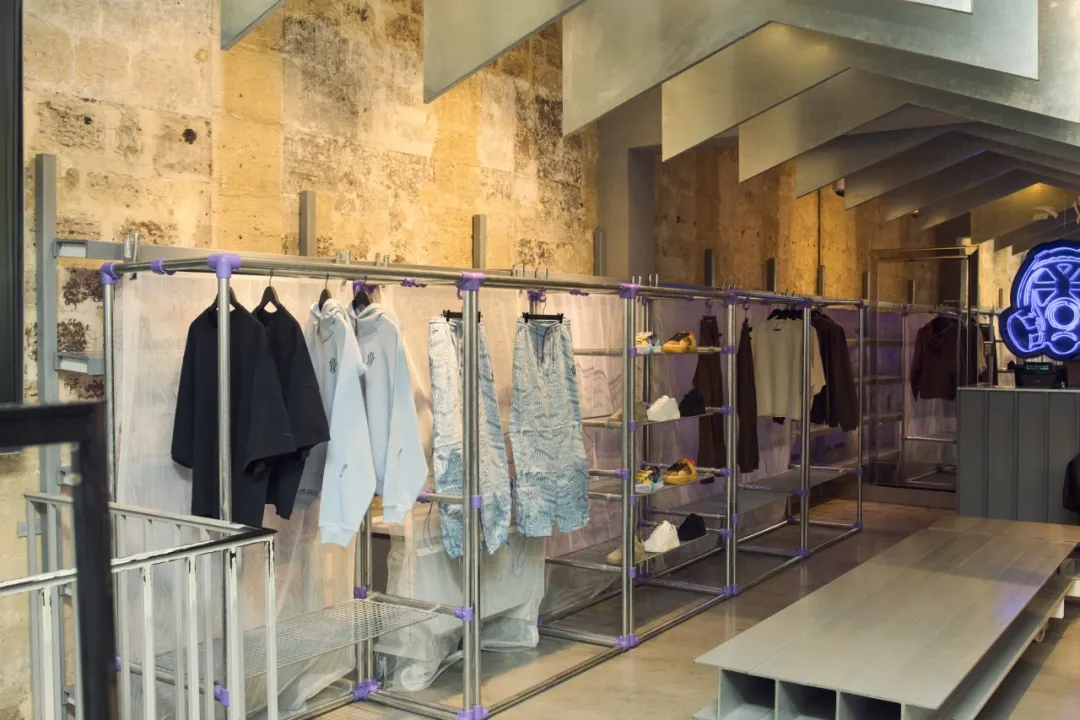
Footpatrol, part of the global group JD Sports Fashion PLC, has pivoted since 2002 as London and Paris’s destination for limited‑edition sneakers and street culture. Its decision to close the store for the entire day and dedicate it to ANTA marked a rare endorsement from sneaker community gatekeepers.
Through Footpatrol’s platform, ANTA gained entrée into localised narrative and community networks—amplifying both brand visibility and desirability for the HÉLÀ Styled line.
ANTA told ConCall that after the U.S. activation, its website recorded over 300,000 pageviews from European users for the series—organically generated, no paid push. That signals a “blow‑across” impact into Europe. Simultaneously, ANTA launched UK and pan‑European online stores, enabling pan‑EU access to both Irving’s HÉLÀ line and the “KAI” series. Retail rollout will extend beyond Footpatrol, including JD Sports’s high‑tier partner store Size? (presence in Paris, Amsterdam, Milan, etc.)—further embedding ANTA into Europe’s retail infrastructure.
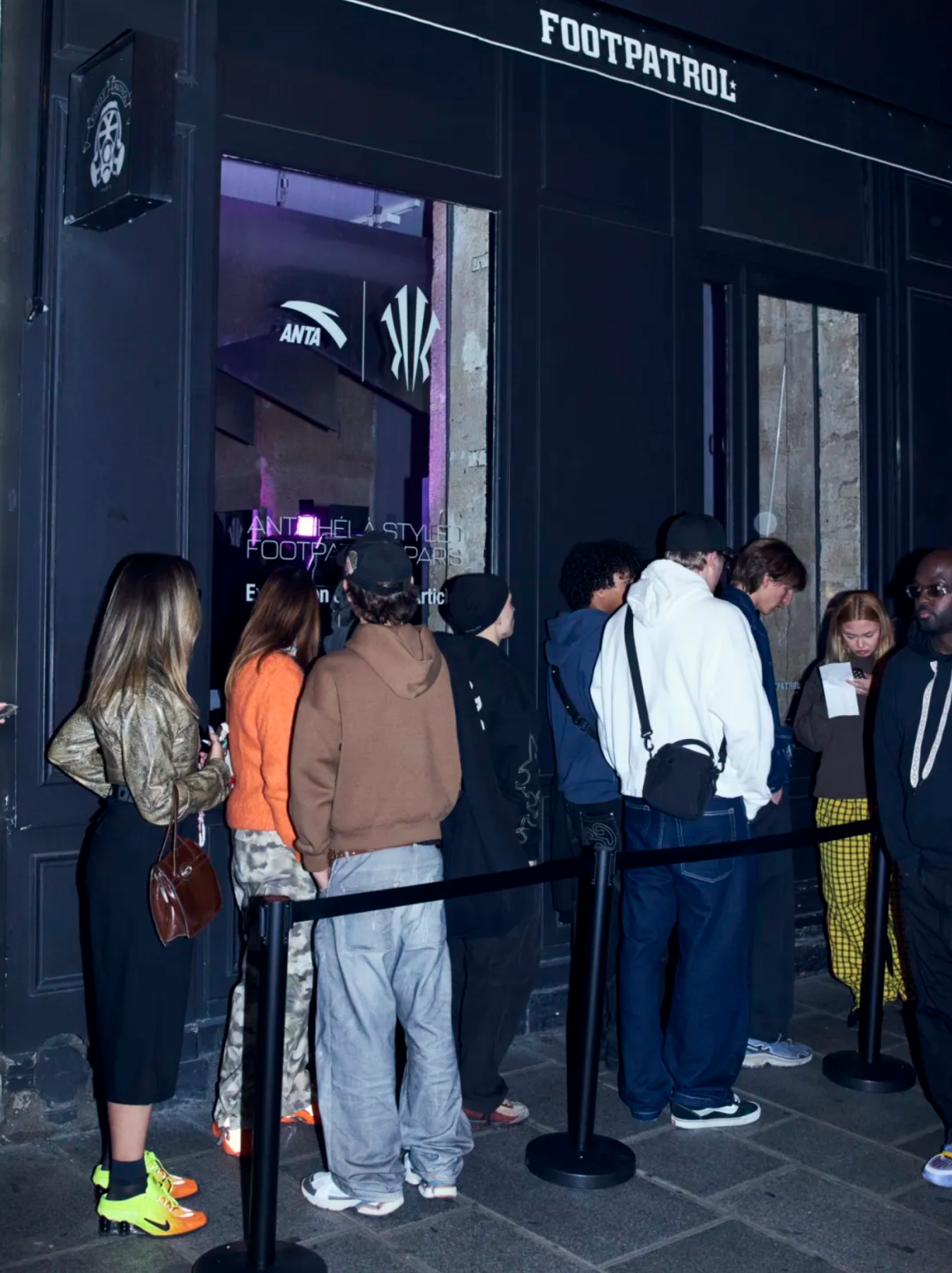
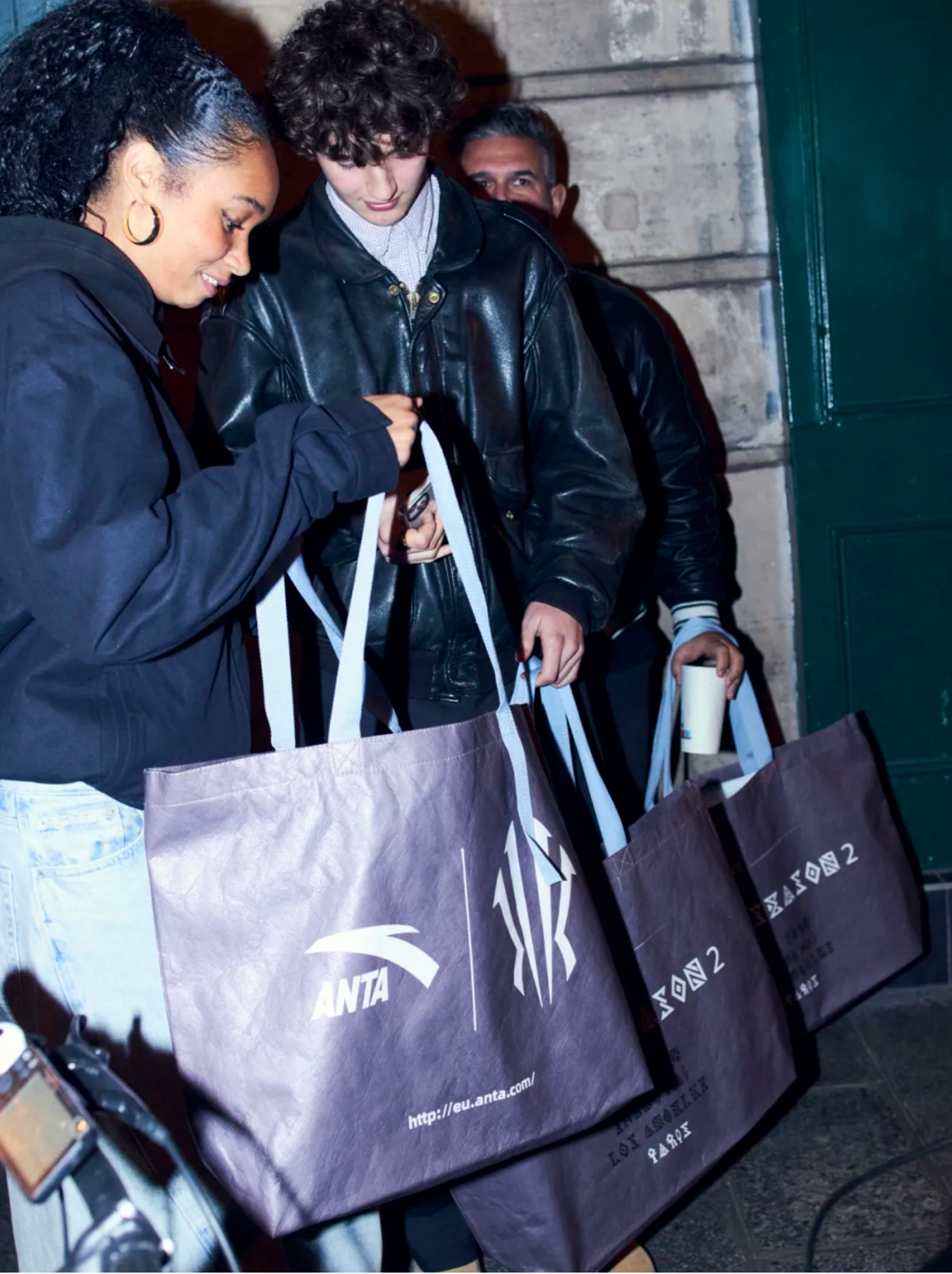
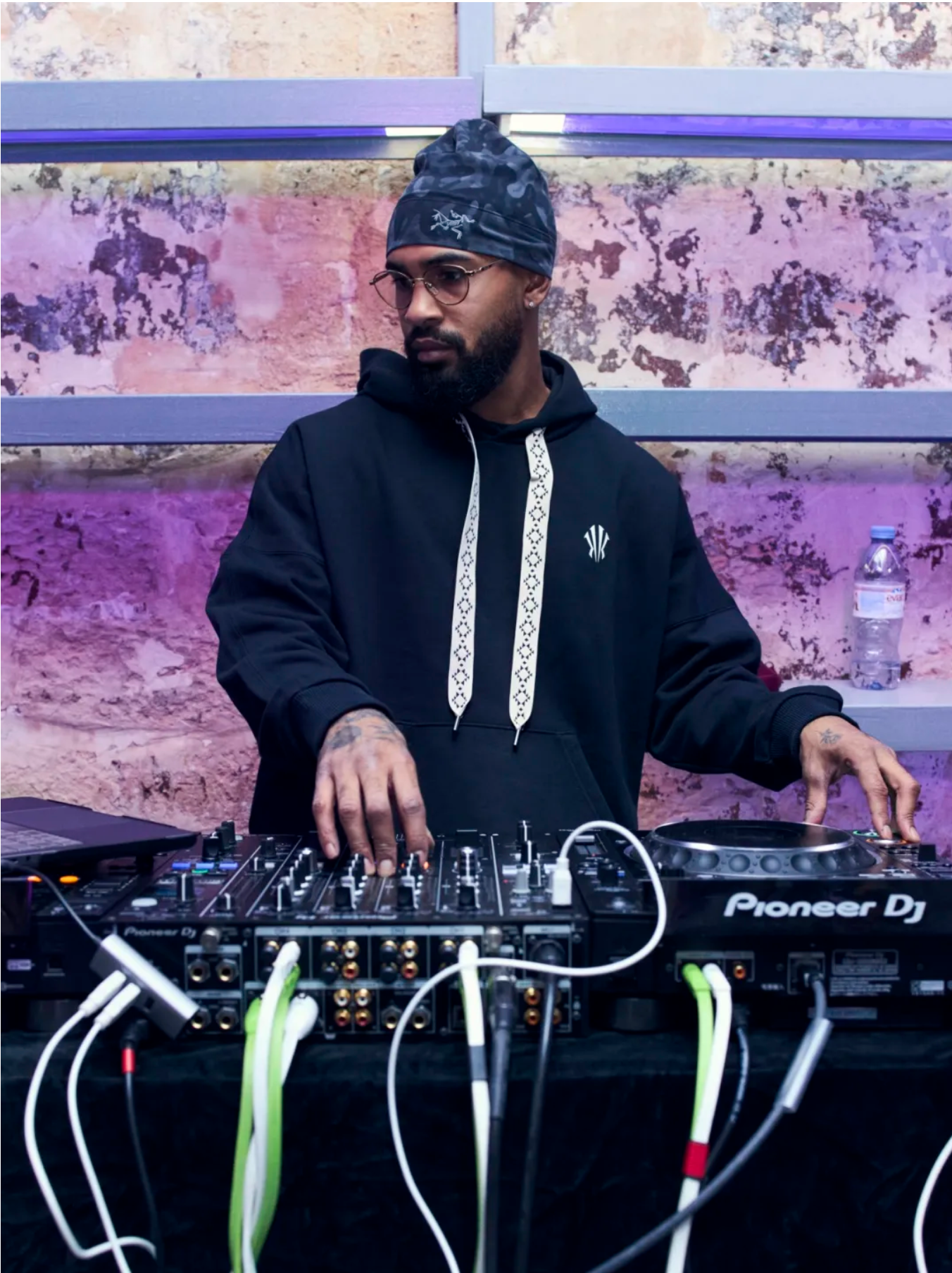
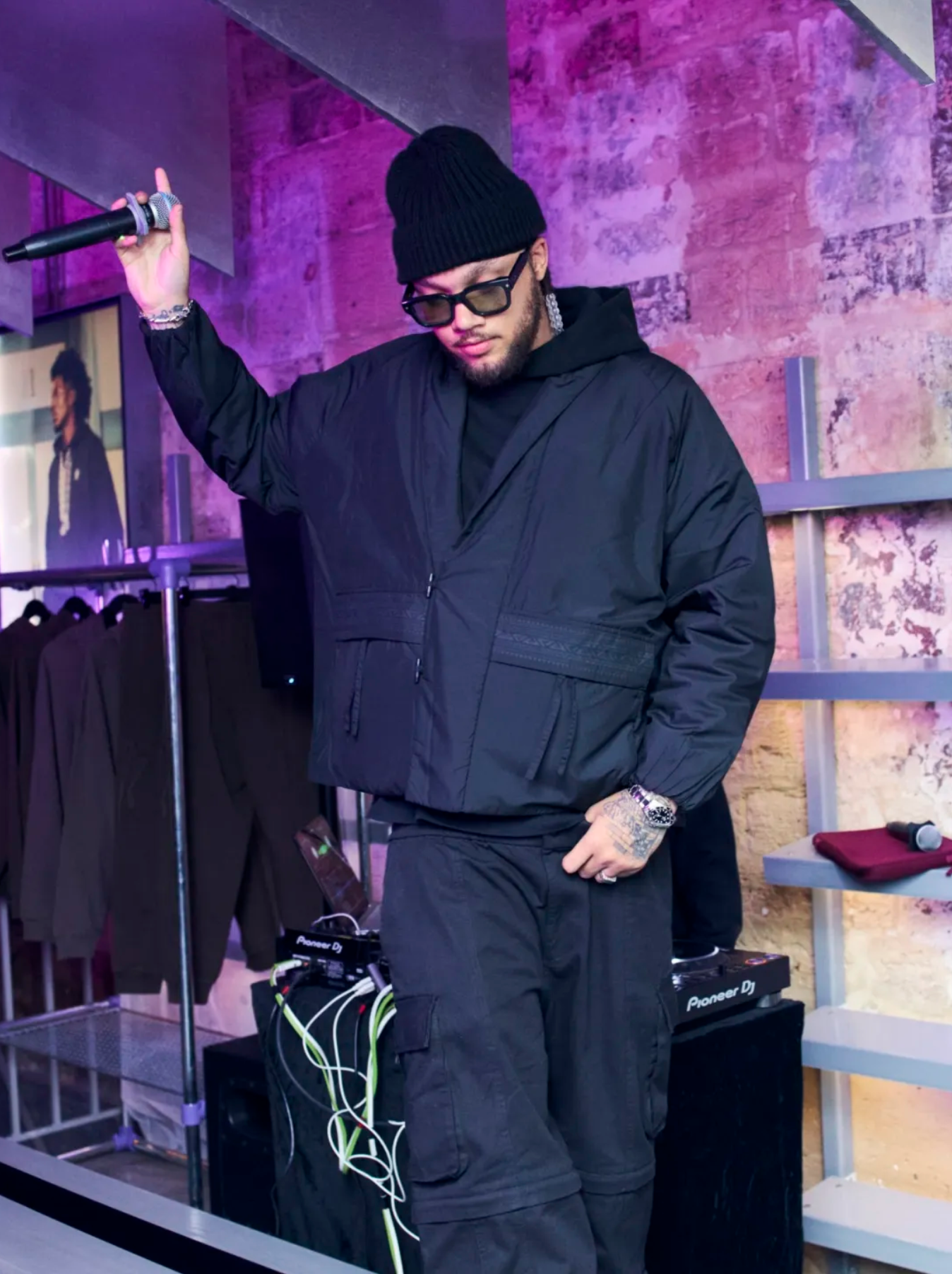
With shelf‑space spanning multiple principal cities, ANTA has officially stepped into Europe via Paris—the marketplace of fashion’s gravity. If New York tested fit and genre, Paris validated entry into fashion’s formal system. That alone represents a brand credibility boost few ad campaigns can buy. In tandem, by releasing Irving‑led HÉLÀ collections in the West, ANTA is constructing a fuller brand narrative for overseas consumers—laying down valuable groundwork for future product and business expansions.
Examining ANTA’s NY and Paris strategy reveals a key differentiator: a grounded ability to plug into local consumer language and cultural codes. That capability distinguishes a standard “export brand” from a true global cultural participant.
Firstly, Irving’s crossover persona—basketball, streetwear, fashion—gave the series an international vantage from day one. When Irving signed as ANTA’s basketball ambassador in 2023 and assumed the CCO role, ANTA granted him broad creative autonomy. His design involvement set the Irving series apart from conventional athlete‑signature models—emphasising trend and design over simply performance. For example, the HÉLÀ Code sneaker blends skate culture cues with basketball DNA; the HÉLÀ Season 2 apparel features relaxed silhouettes, modular knits and functional trousers, reflecting modern urban life’s fluidity and mobility.

In ANTA’s case, the Irving‑led line and its western retail launch platforms signal it is now competing in the global sneaker‑lifestyle dialogue—not merely exporting China‑centric gear but building global cultural currency.
What stands out about ANTA’s strategy is its balance. On one side: an aggressive ambition to break into Western markets. On the other: a measured rollout that leverages community‑based retail and narrative credibility rather than mass marketing blitz. By choosing partners such as Footpatrol and Size?—which are embedded within local trend ecosystems—ANTA placed itself in the right peer context, rather than the newcomer context. This suggests ANTA understands that in Western sneaker culture, credibility is built through inclusion in the right spaces, not loud brand declarations alone.
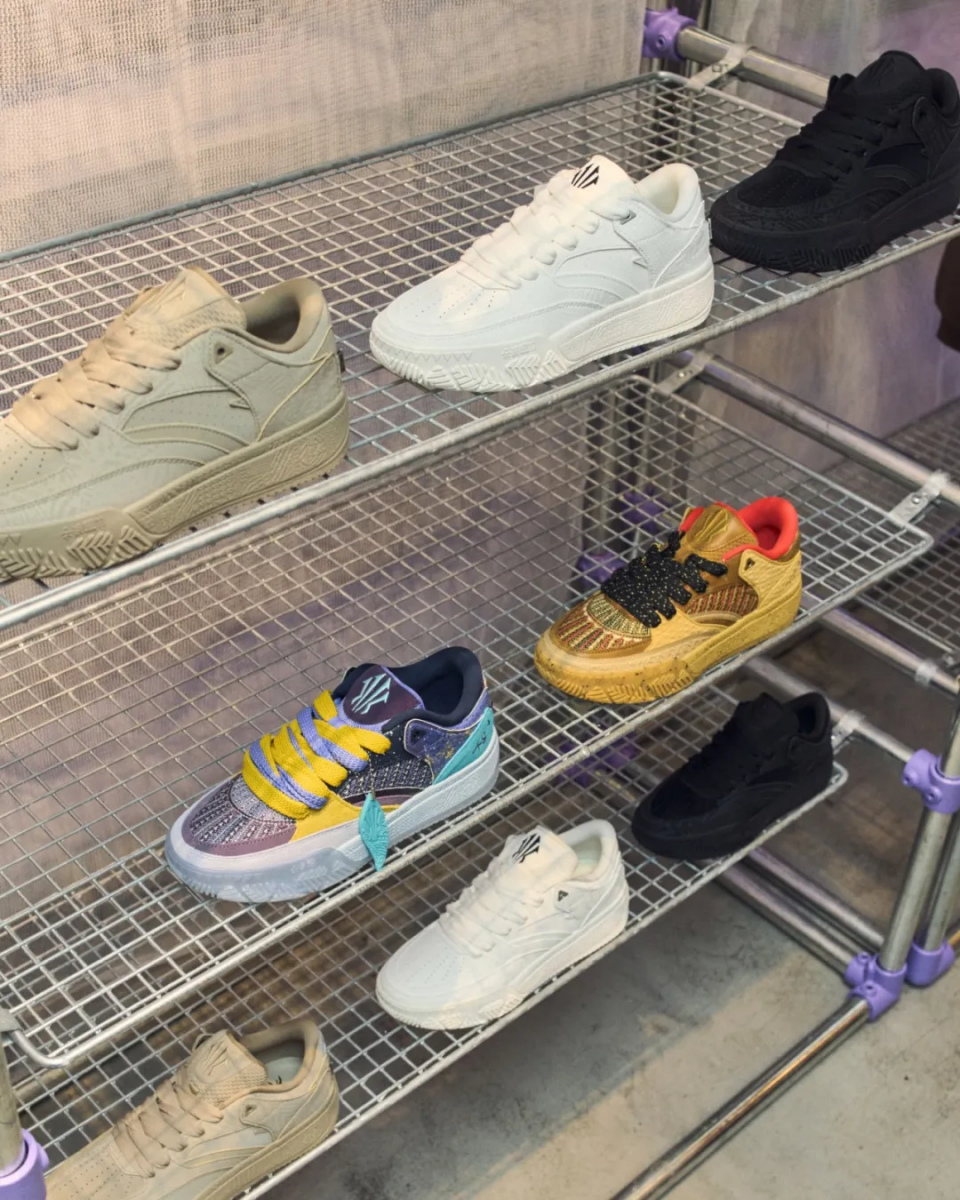
Marketing strategy also reflects trans‑regional sensitivity. The Paris event incorporated local influencers and street‑style tastemakers, translating HÉLÀ’s “tribal style” and street language into a Parisian context of relaxed luxury. This marked a pivot from “telling the East’s story” to “crafting experiences that feel globally conversant.”
Through New York and Paris, ANTA has signalled it no longer wants to be a Chinese brand with global reach—but a truly global brand rooted in Chinese DNA but speaking a universal language. Its strategy demonstrates a shift away from “Chinese origin as differentiator” toward “global culture as connector.”
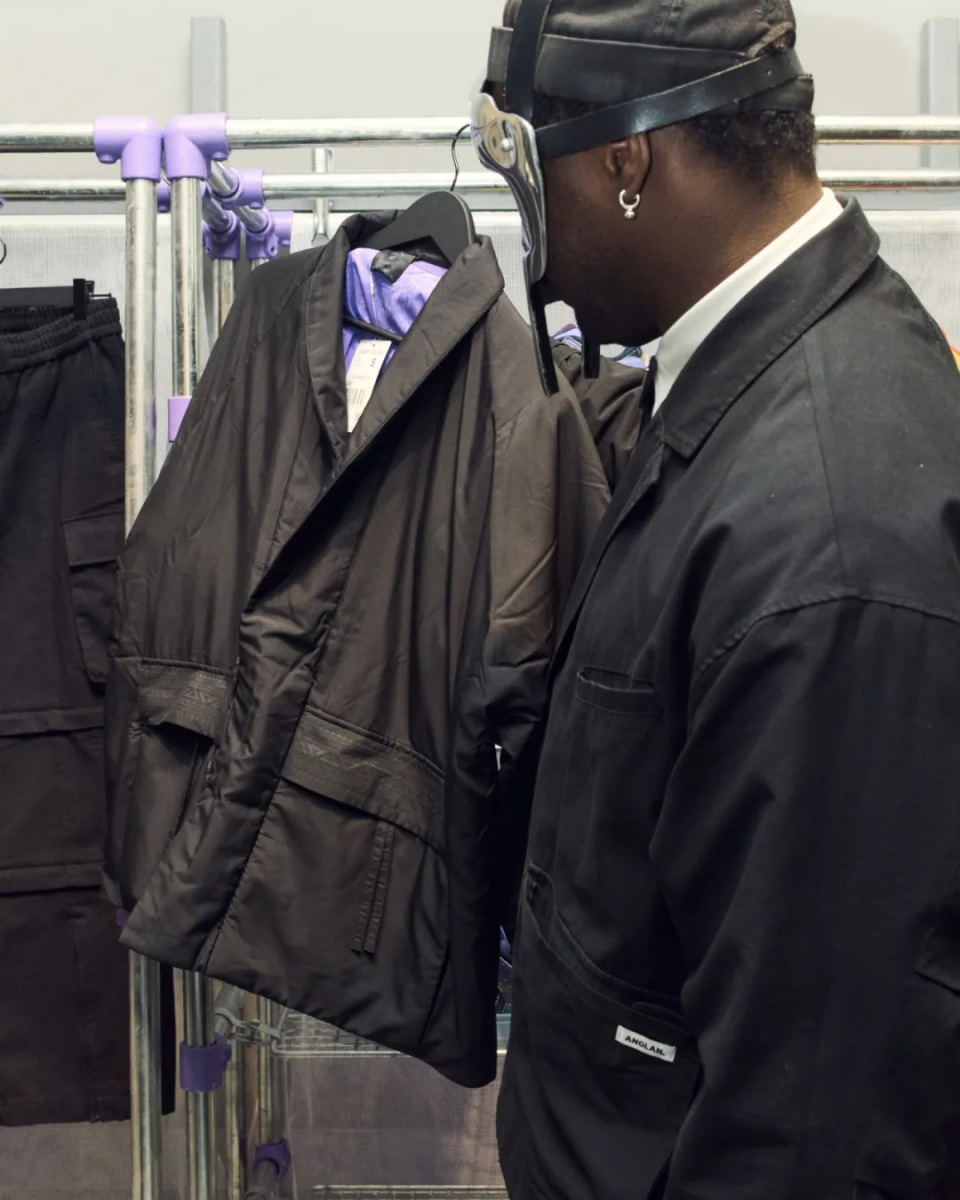
A flagship is planned imminently on Beverly Hills’ iconic Rodeo Drive—marking the first Chinese brand to open in that luxury enclave. By positioning itself among the likes of Chanel and Hermès, ANTA is intentionally shifting perception—from performance brand to elevated lifestyle brand—while using technology and athlete heritage as backbone. Even with the challenges of unfamiliar markets and crowded field, ANTA is playing the long game: each local engagement is seen not as a sprint but as an investment in staying power.
In conclusion, ANTA’s answer to our opener is clear: it has found a narrative system that resonates beyond China, and a product aesthetic that embeds seamlessly into Western urban routines. It has moved from telling its national story to using global language—and in doing so, has created a bridge from China to Europe with the Irving series as its connector.















 Scan this QR Code with WeChat
 WeChat
 Email
Email Share
Share
 Favorites