简体中文
简体中文

- FEATURE
- |
- MERGERS & ACQUISITIONS
- |
- FINANCIAL
- |
- MARKETING
- |
- RETAIL
- |
- ESG-SUSTAINABILITY
- |
- LIFESTYLE
- |
-
MORE




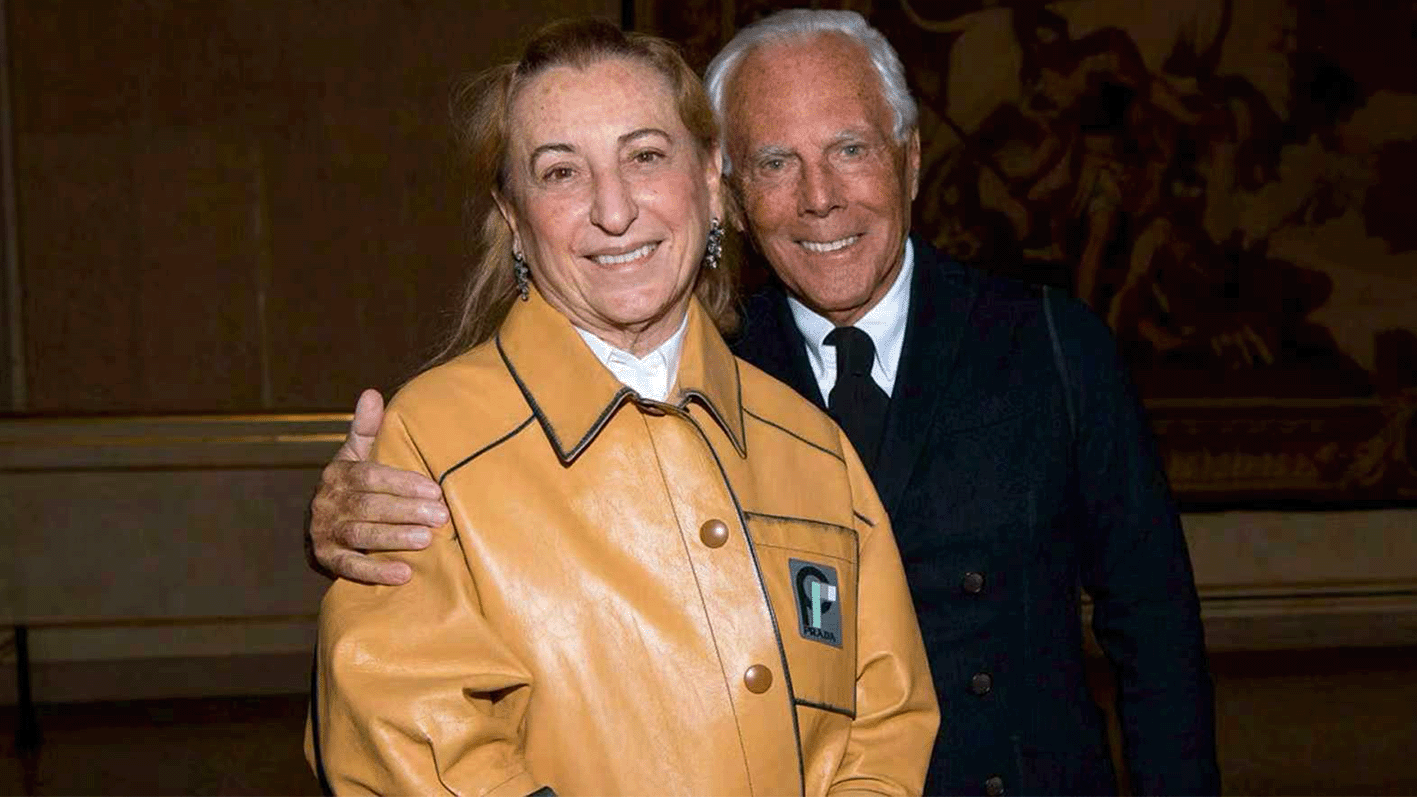
The idea of an “Italian LVMH” has long been discussed but rarely taken seriously—until now. With the recent acquisition of Versace, the Prada Group is not only signaling a shift in ambition, but also sending a clear message: Italy may finally be ready to build a homegrown luxury conglomerate capable of standing toe-to-toe with its French counterparts.
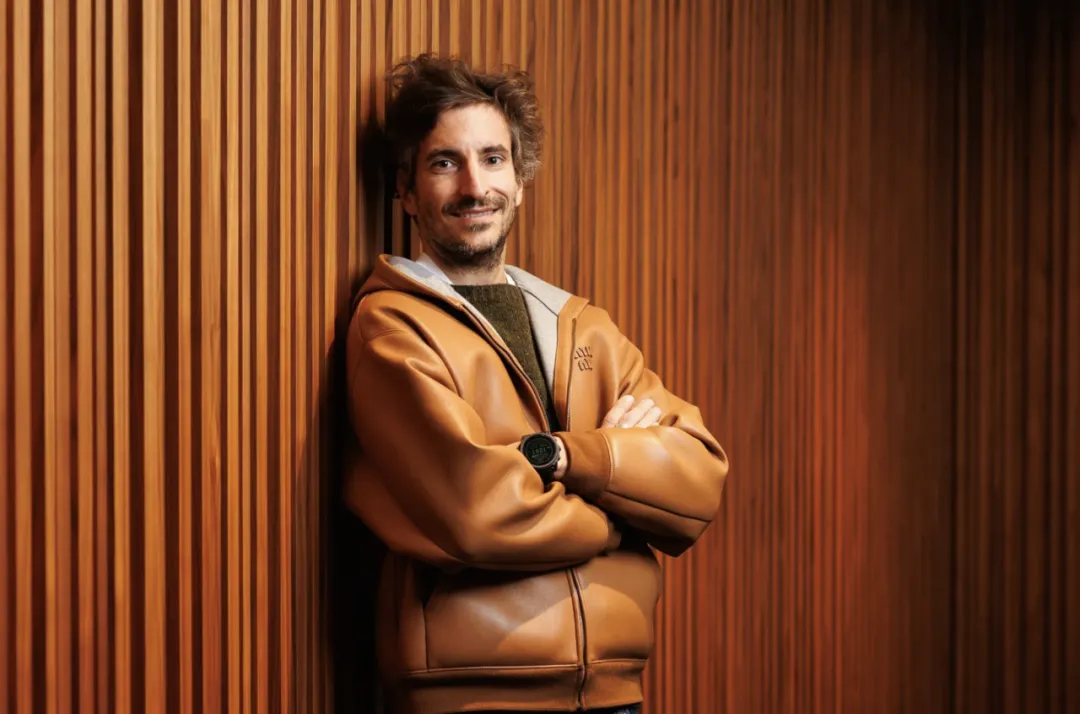
Speaking to Reuters, Lorenzo Bertelli—Prada’s Head of Marketing and the heir apparent to the family-controlled group—hinted that more acquisitions could be on the horizon following the Versace deal. While he clarified that there are no current negotiations with Armani, he also didn’t rule it out, sparking speculation that Prada might one day pursue Italy’s most iconic fashion house.
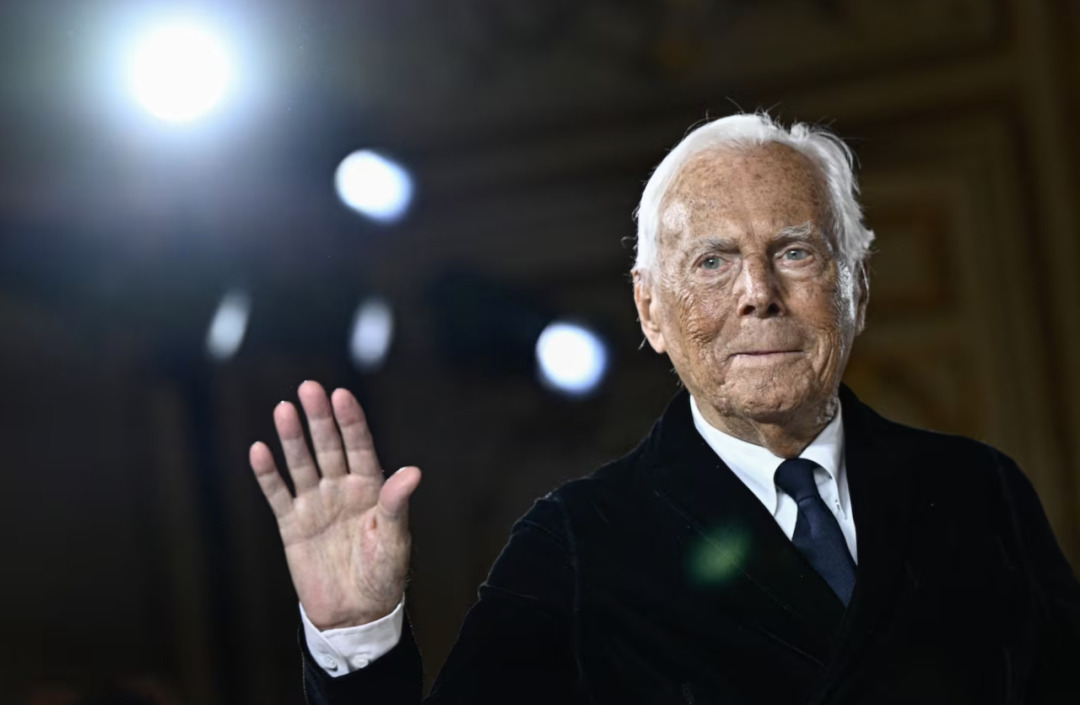
The timing of this comment is no accident. With Giorgio Armani having passed away in September, the question of who will control the future of the Armani brand looms large. According to his will, the Giorgio Armani Foundation is expected to sell at least 15% of the business within 12 to 18 months after his death, with three preferred buyers named: LVMH, L’Oréal, and EssilorLuxottica. Should none of them acquire the stake, the foundation may take the brand public and divest as much as 54.9% of it within three to five years, while retaining 30.1% to preserve controlling interest.
In short: Armani’s days as a fully family-controlled company are numbered. And whether via IPO or acquisition, it will transition into the hands of more corporate, commercially driven stakeholders. For Prada, the prospect of acquiring Armani—however hypothetical—would be a seismic move, consolidating power in Italy’s notoriously fragmented luxury landscape.
Historically, Italy has struggled to build its own global-scale luxury conglomerate. The country’s top fashion brands—many of them family-run—have often prioritized independence over synergy, leaving them vulnerable to global consolidation. As a result, names like Versace and Valentino have found themselves acquired by international groups.
But Prada’s recent acquisition of Versace from Capri Holdings, reportedly valued at $1.4 billion, signaled a turning point. It wasn’t just a deal; it was a statement of intent. And should the group go after Armani next, it could finally end Italy’s solo-act tradition and give birth to a national “luxury team” capable of counterbalancing the French dominance of LVMH and Kering.
From a strategic perspective, Armani is an irresistible prize. The company spans high-end ready-to-wear, haute couture, beauty (via a license with L’Oréal), eyewear (with EssilorLuxottica), furniture, and even hospitality. Despite being fiercely independent, it has maintained an annual revenue of over €2 billion, and when licensing revenue is included, its total business footprint may exceed €4.2 billion. It is one of the few luxury houses that has retained independence while scaling globally.
Armani’s brand equity is especially strong in menswear and high fashion, with its core line appealing to affluent, legacy clientele, while Emporio Armani has room for further youth-oriented expansion. The beauty business, meanwhile, continues to deliver strong growth under L’Oréal’s management.
For Prada Group, the integration of Armani would represent a qualitative leap. Its brand portfolio—currently comprising Prada, Miu Miu, and soon Versace—could benefit tremendously from Armani’s heritage, high-margin categories, and global reach.
Yet Prada is not without its own challenges. Its flagship brand has recently lost momentum. In the first nine months of 2025, Prada’s revenue dropped by 1.6% year-on-year, and declined 0.8% in Q3 alone. While macroeconomic factors were blamed, insiders point to a deeper problem: Prada’s high-concept creativity isn’t always translating into commercial traction.
Miu Miu, on the other hand, is thriving. The brand surged 41% year-on-year in the same period and continued growing 29% in Q3—despite facing a 105% high base from the previous year. It has become the group’s primary growth engine. But Miu Miu’s scale remains smaller than Prada’s, and the group still needs another major revenue pillar.
Versace, while stylistically distinct from Prada or Miu Miu, is expected to fill this gap. Despite outside concerns about brand alignment, Lorenzo Bertelli has argued that Versace’s divergence is its strength. The brand appeals to a new consumer segment that Prada Group doesn’t currently serve, and its operations can benefit from the group’s investment in creative direction, supply chain efficiency, and omnichannel capabilities.
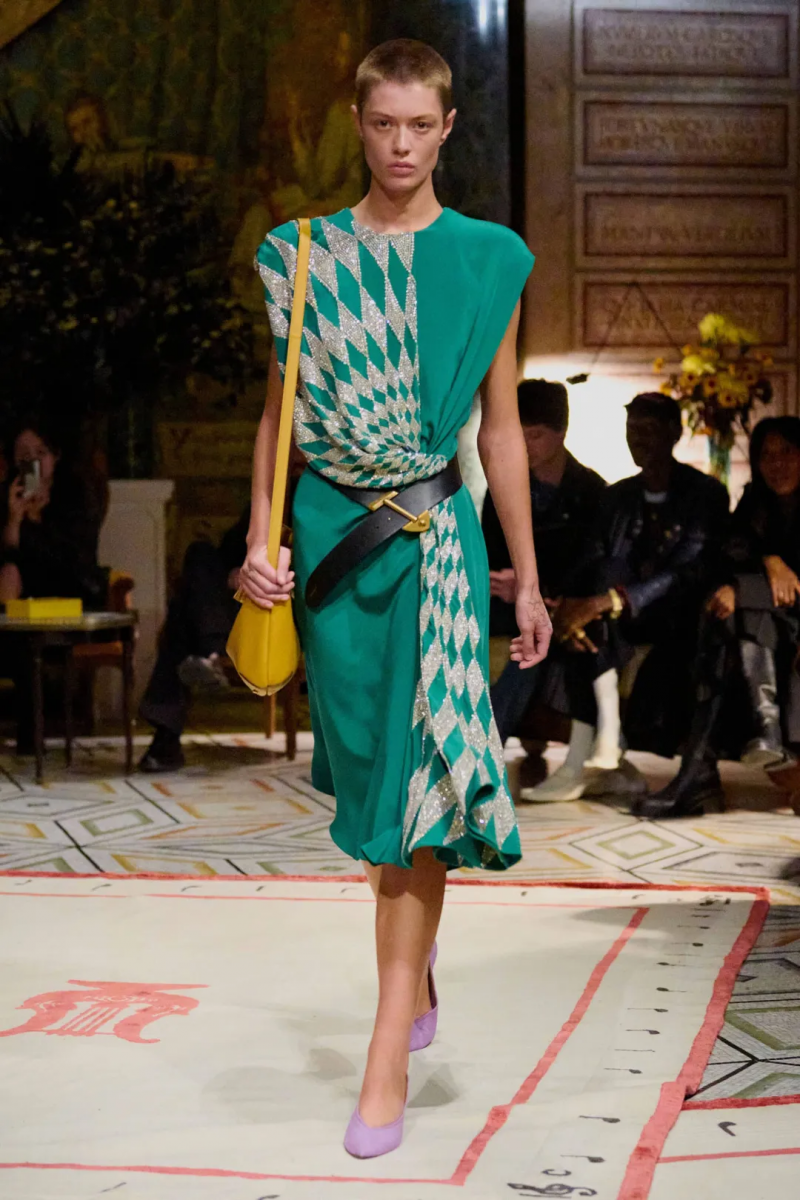
Adding Armani to this lineup would create one of the most balanced luxury brand portfolios in the world—spanning avant-garde minimalism (Prada), youth-driven cool (Miu Miu), flamboyant sensuality (Versace), and classic sophistication (Armani). Together, these brands would cover nearly every key demographic and occasion in the global luxury market.
But digesting Armani would be no small feat. Prada Group is still working to absorb Versace. And with no precedent for managing such a complex multi-brand platform, there are legitimate concerns over whether the group has the operational bandwidth—or financial strength—to go further.
Indeed, Versace’s integration will be the group’s litmus test. If it can revive the brand, Prada will have proven its capability to manage creative diversity and cross-brand synergies. Until then, any talk of acquiring Armani remains, at best, aspirational.
Meanwhile, other contenders are already circling. Bernard Arnault, CEO of LVMH, responded directly to Armani’s will, calling it an “honor” to be named as a possible partner and praising Giorgio Armani as a “true genius.” LVMH has the financial and operational muscle to turn around underperforming assets and scale profitable ones like beauty and leather goods—areas where Armani has untapped potential.
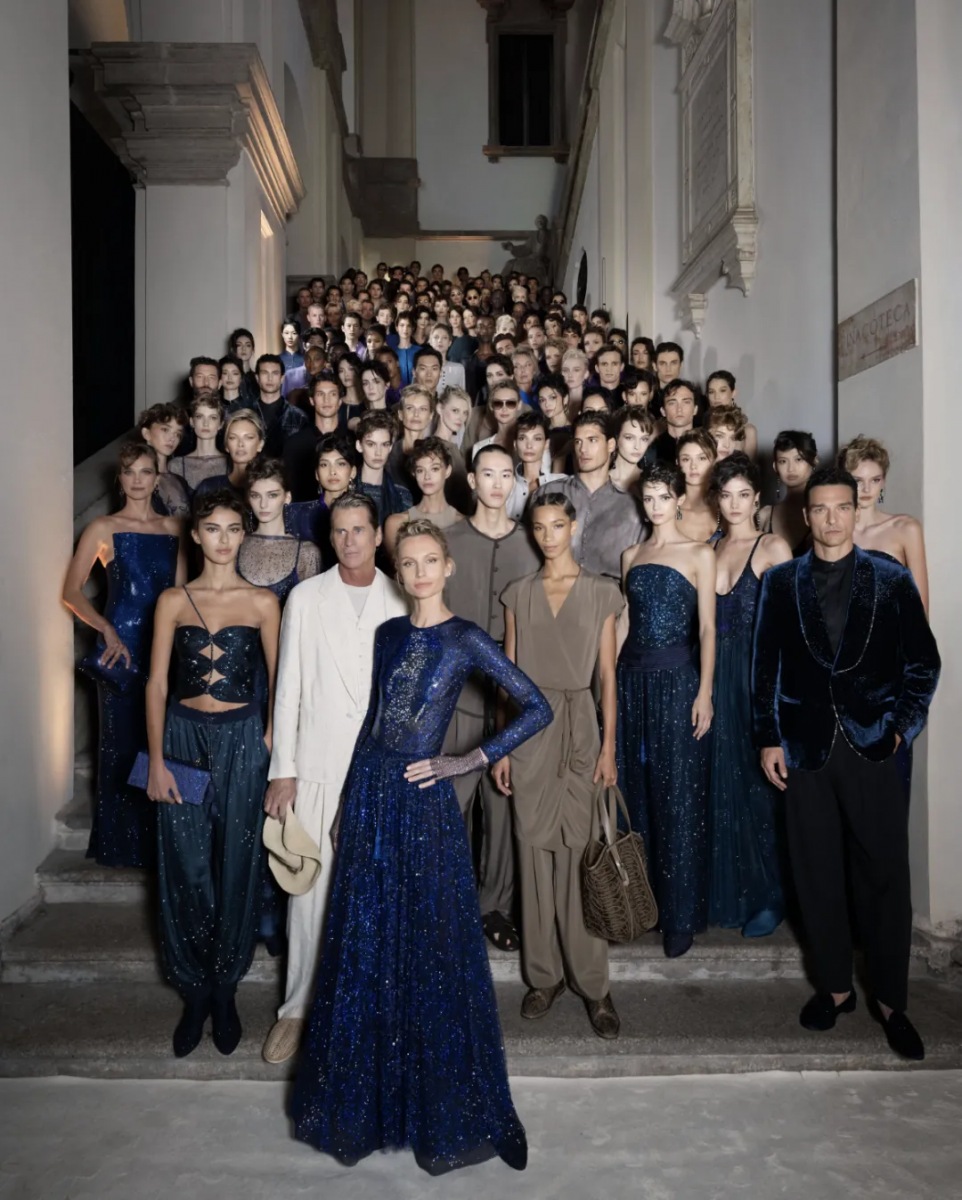
L’Oréal, which already manages Armani’s successful beauty business, may adopt a collaborative model similar to its partnership with Zegna on Tom Ford, where it retains the beauty licenses and partners with a fashion operator on apparel. EssilorLuxottica, while currently cautious, has also acknowledged it is “studying all possibilities.”
Much hinges on how Versace’s integration unfolds and whether Prada Group can keep its current momentum going—particularly as Lorenzo Bertelli prepares to take on more leadership. He is expected to not only become Group CEO but also Executive Chairman of Versace, placing enormous responsibility for the group’s future on his shoulders.
So while Prada may want to become Italy’s LVMH, it’s not quite there—yet.
But if it can pull off a successful turnaround at Versace, maintain Miu Miu’s growth, and reinvigorate the mainline Prada brand, then a future acquisition of Armani might not be fantasy. It may be the final chapter in a long-awaited story of Italian consolidation—one with profound implications for the global luxury industry.









 Scan this QR Code with WeChat
 WeChat
 Email
Email Share
Share
 Favorites