简体中文
简体中文

- FEATURE
- |
- MERGERS & ACQUISITIONS
- |
- FINANCIAL
- |
- MARKETING
- |
- RETAIL
- |
- ESG-SUSTAINABILITY
- |
- LIFESTYLE
- |
-
MORE




Four months after launching, Shiseido Japan’s new Wechat Mall is finally gaining traction—but not without confusion. Pushed to users on platforms like Xiaohongshu via targeted ads, the new e-commerce site has prompted widespread curiosity. One recurring question? “Is this real?”
Despite the skepticism, the platform is indeed official. Quietly launched on February 19 through Shiseido Japan’s official WeChat account, the initiative has received little to no amplification from Shiseido China or its local news channels—leaving many consumers in the dark about its legitimacy.
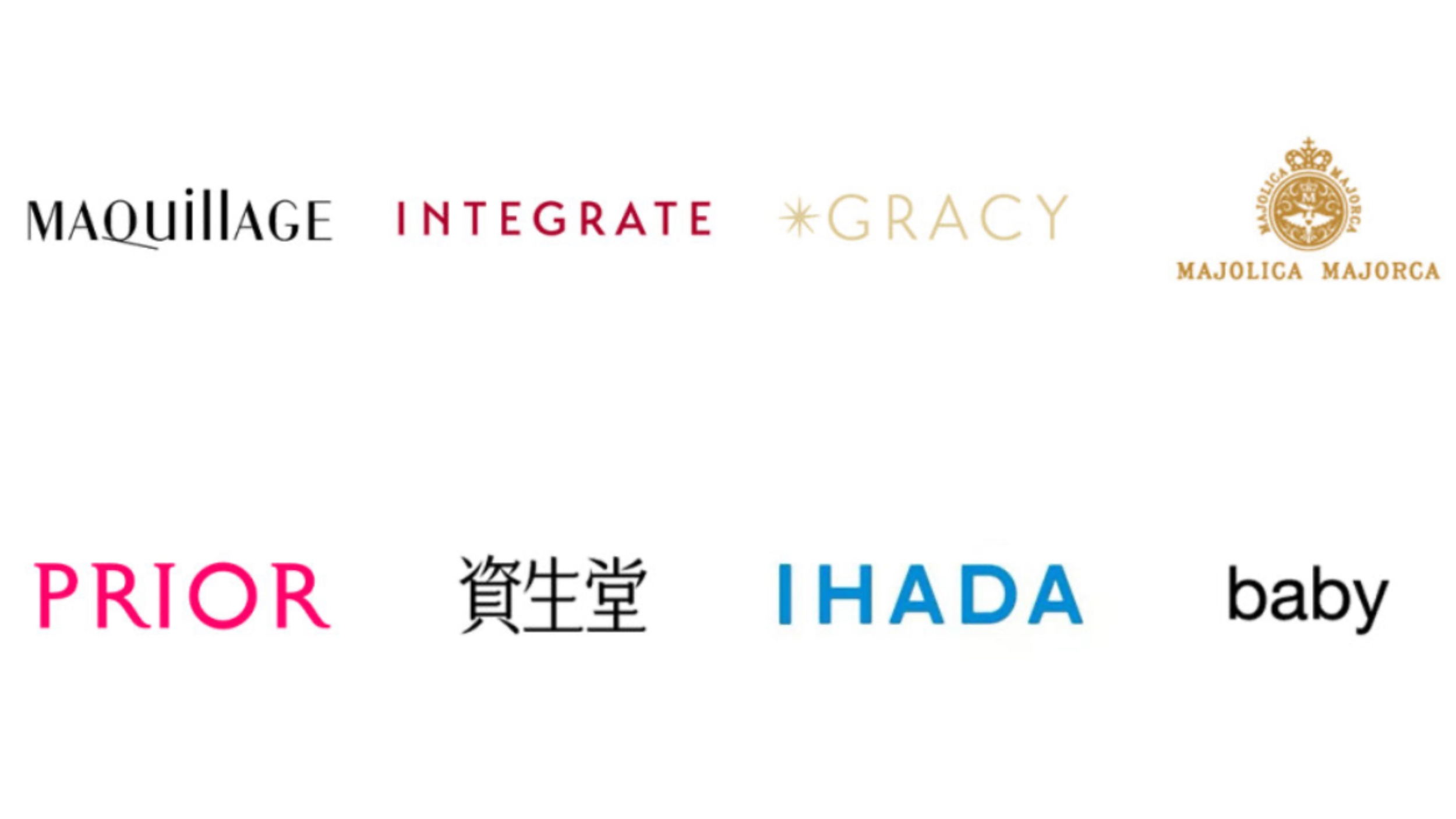
According to the brand’s launch statement, the platform promises Chinese customers direct access to Japan-exclusive skincare and beauty products. Interestingly, it places a spotlight not on the group’s “Core 3” or rising “Next 5” brands, but on lesser-known brands such as MAQUILLAGE, INTEGRATE, GRACY, MAJOLICA MAJORCA, PRIOR, IHADA, and baby.
The assortment leans heavily toward Shiseido’s affordable makeup brands, with the main Shiseido label offering only beauty tools like brushes and curlers. Notably, the mall also marks the first official appearance in China for PRIOR, the group’s line targeting mature skin.
While prices aren’t necessarily cheaper than third-party sellers on Taobao, the platform offers key reassurances: official sourcing, tax-free delivery, and free shipping. For Chinese consumers increasingly wary of daigou grey-market risks, this credibility is a valuable selling point.
The timing aligns with Shiseido Group’s March announcement to integrate its China and Travel Retail operations—a shift seen as a strategic realignment of resources and markets. Instead of a full-scale China entry, with all the logistical and marketing weight that implies, this online mall serves as a low-risk, high-insight test bed for gauging demand.
Still, the fact that users continue to question its authenticity nearly a quarter after launch suggests a flaw in rollout strategy. If Shiseido hopes to turn this new mall into a viable new growth channel, it may need to invest more in visibility, storytelling—and perhaps, just a bit more noise.




















 Scan this QR Code with WeChat
 WeChat
 Email
Email Share
Share
 Favorites