简体中文
简体中文

- FEATURE
- |
- MERGERS & ACQUISITIONS
- |
- FINANCIAL
- |
- MARKETING
- |
- RETAIL
- |
- ESG-SUSTAINABILITY
- |
- LIFESTYLE
- |
-
MORE




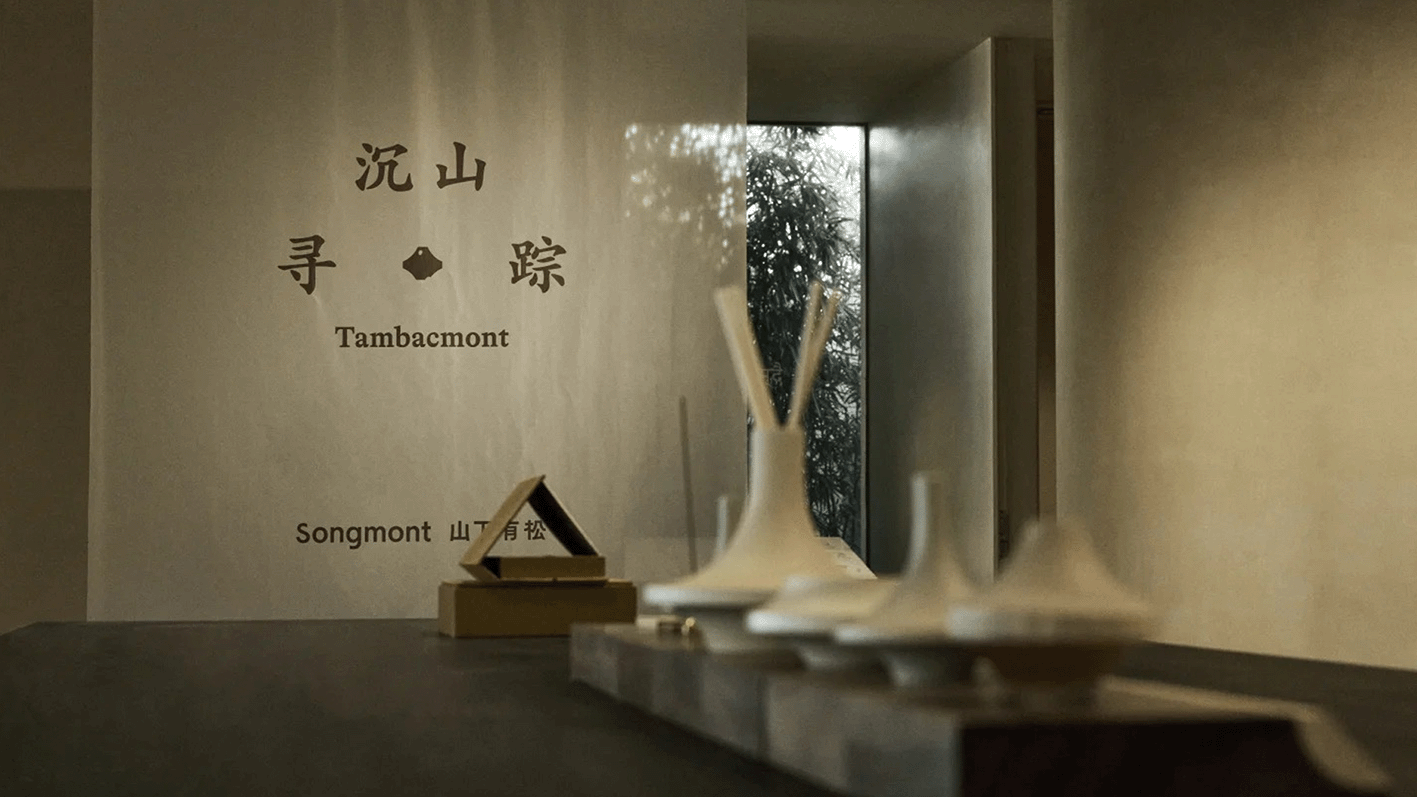
Over the past few years, Songmont has risen to prominence in China’s fashion scene with a formula that blends compelling visual storytelling, strong female narratives, and nostalgic branding. Known for its signature campaigns and minimalist aesthetics, the bag brand has captured the hearts—and wallets—of China’s middle-class women and visitors. But now, Songmont wants more.
The brand has just made its most ambitious move yet: the launch of Songmont Fragrance, a new line that includes perfumes, candles, incense sticks, and reed diffusers. Anchored by a debut scent named Chen Shan, the launch positions Songmont not just as an accessories label, but as a contender in the lifestyle space.
However, entering the fragrance market—especially with a high price tag and a niche scent profile—places the brand in unfamiliar terrain. The question isn’t just whether consumers will buy, but whether they’ll believe.
The new fragrance line is heavily infused with Songmont’s usual storytelling DNA. The brand worked with Chinese perfumer Yili to create Chen Shan, a scent described as “unfragranced fragrance,” a poetic attempt at spatial subtlety and cultural depth. Retailing at 1,280 RMB for 30ml, the product sits firmly in the premium niche.
To support the launch, Songmont released a short film, which traces the relationship between the Li ethnic group and agarwood harvesting. This narrative framework elevates the scent’s agarwood base from just a note to a symbol of memory, silence, and spiritual space.
The campaign—as always with Songmont—is visually meticulous. The product is photographed in architectural, contemplative settings. The bottle is minimalistic, borrowing from ceramic references. The storytelling is steeped in cultural nuance. It all looks and sounds good.
Online reactions have been mixed. On Xiaohongshu, many users praise the design language of the fragrance—an extension of Songmont’s already established aesthetic leadership. Some fans even argue the brand “never loses on visual presentation, whether it’s bags or lifestyle goods.”
Others, however, are more skeptical.
The key point of contention is the scent itself. Described by some as “muted” or “barely perceptible,” Chen Shan has been compared to Kilian’s Sacred Wood—"but more restrained, less smoky.” While some appreciate its calm, atmospheric profile, others dismiss it as “a perfume that smells like air.”
Critics also questioned the brand’s readiness to expand into fragrance. “It hasn’t even perfected its core bag products,” one post reads. Another notes, “This feels like a conceptual perfume created to please marketing briefs, not customers.”
What’s clear is this: while Songmont has built strong emotional capital, that doesn’t automatically translate into pricing power in a new category—especially one as emotionally and sensorially demanding as fragrance.
Songmont isn’t the only fashion or luxury brand testing the waters of the lifestyle category. Fragrance is attractive for obvious reasons: high margin, low inventory risk, and emotional resonance. It offers a shortcut to becoming a “brand with soul.”
But with fragrance, soul isn’t enough. Consumers expect coherence—not just in message, but in product experience. And this is where many fashion-to-fragrance crossovers stumble.
The decision to launch with agarwood—a traditional Eastern scent associated with stillness and depth—makes cultural sense, but perhaps not commercial sense. Its profile is niche, slightly medicinal, and not immediately crowd-pleasing. Worse, the agarwood narrative has already been saturated by other Chinese brands, most notably To Summer and Documents, which helped popularize “Eastern olfactory aesthetics” but are now seeing their buzz fade.
In this context, Chen Shan doesn’t stand out. It feels more like an echo than an evolution.
Then there’s the matter of pricing. At 1,280 RMB for 30ml, Songmont is positioning its fragrance line alongside global niche brands. But unlike those brands—Byredo with its icy modernism, Diptyque with its artistic Frenchness, or Jo Malone with its airy elegance—Songmont lacks a strong olfactory identity.
And without that identity, premium pricing becomes harder to justify.
Moreover, some consumers voiced disappointment with the packaging experience. From the bottle weight to the cap mechanism, the product lacks the tactile satisfaction expected at this price point. In fragrance, the vessel is as important as the juice. If the bottle doesn’t signal luxury, neither will the scent.
None of this is to say Songmont can’t succeed. Its storytelling prowess, visual intelligence, and loyal fanbase are genuine assets.
But fragrance is a category that resists branding shortcuts. Unlike bags, it is not merely seen—it is experienced. It needs to be worn, remembered, and emotionally linked to moments. It must deliver on both aesthetic coherence and sensory depth.
Songmont’s entry into this category also comes at a fragile moment for Chinese fragrance. Once-thriving darlings like To Summer and Documents are plateauing. The once-hot trend of “Eastern olfactory storytelling” is now oversaturated. Consumers are showing signs of fatigue—and becoming savvier.
The era of “just tell a good story” is over. What today’s consumers want is: tell a story, make it believable, and make the product deliver.
If Songmont wants to build up it’s own fragrance story, it needs to define what Songmont smells like—and why that matters. Until then, its fragrance ambitions may feel more like a beautifully wrapped concept than a category-defining success.



















 Scan this QR Code with WeChat
 WeChat
 Email
Email Share
Share
 Favorites