简体中文
简体中文

- FEATURE
- |
- MERGERS & ACQUISITIONS
- |
- FINANCIAL
- |
- MARKETING
- |
- RETAIL
- |
- ESG-SUSTAINABILITY
- |
- LIFESTYLE
- |
-
MORE





In the second year of its “Beauty Reimagined” recovery plan, The Estée Lauder Companies has finally begun to show signs of stabilization. Sales are improving, margins are recovering and management is cautiously optimistic again. Yet the group’s rebound still feels fragile: every encouraging quarterly result is quickly overshadowed by another reminder of the structural problems that pushed the company into crisis in the first place.
According to the company’s latest fiscal 2026 third-quarter earnings, net sales rose 5 percent year-over-year to $3.712 billion, while adjusted operating profit jumped 38 percent and gross margin climbed to 76.4 percent. After nearly three years of decline, management hoping fiscal 2026 will become the company’s first year of renewed positive growth.
But recovery at Estée Lauder no longer means simply selling more lipstick and skincare. Over the past several months, the group has been simultaneously settling investor lawsuits, restarting acquisitions, accelerating cost-cutting measures and advancing its merger discussions with Puig. Taken together, these moves amount to one of the most aggressive restructurings in the company’s modern history.
Management has described fiscal 2026 as a “critical turning point.” Yet turning points are rarely clean. The more paths available, the greater the risk of losing direction altogether.
On May 7, the investor lawsuit filed against Estée Lauder last March over its alleged concealment of dependence on Chinese daigou channels reached another milestone. Although the group denied wrongdoing, it agreed to pay $210 million to settle the case.
The lawsuit exposed something the global beauty industry has long understood but rarely discussed publicly: for years, virtually every major beauty conglomerate benefited from grey-market purchasing networks tied to China. Estée Lauder simply became one of the companies most deeply entangled in them.
In China, daigou is no longer just about individual shoppers buying products overseas. It has evolved into a sprawling shadow distribution system encompassing duty-free channels, overseas counters, private resellers, e-commerce storefronts and sophisticated supply-chain operators exploiting tax gaps, currency fluctuations and bulk-purchase discounts. For years, this ecosystem fueled explosive growth in travel retail. It also quietly eroded brands’ pricing authority.
Global giants rely on this system. Estée Lauder, even more so.
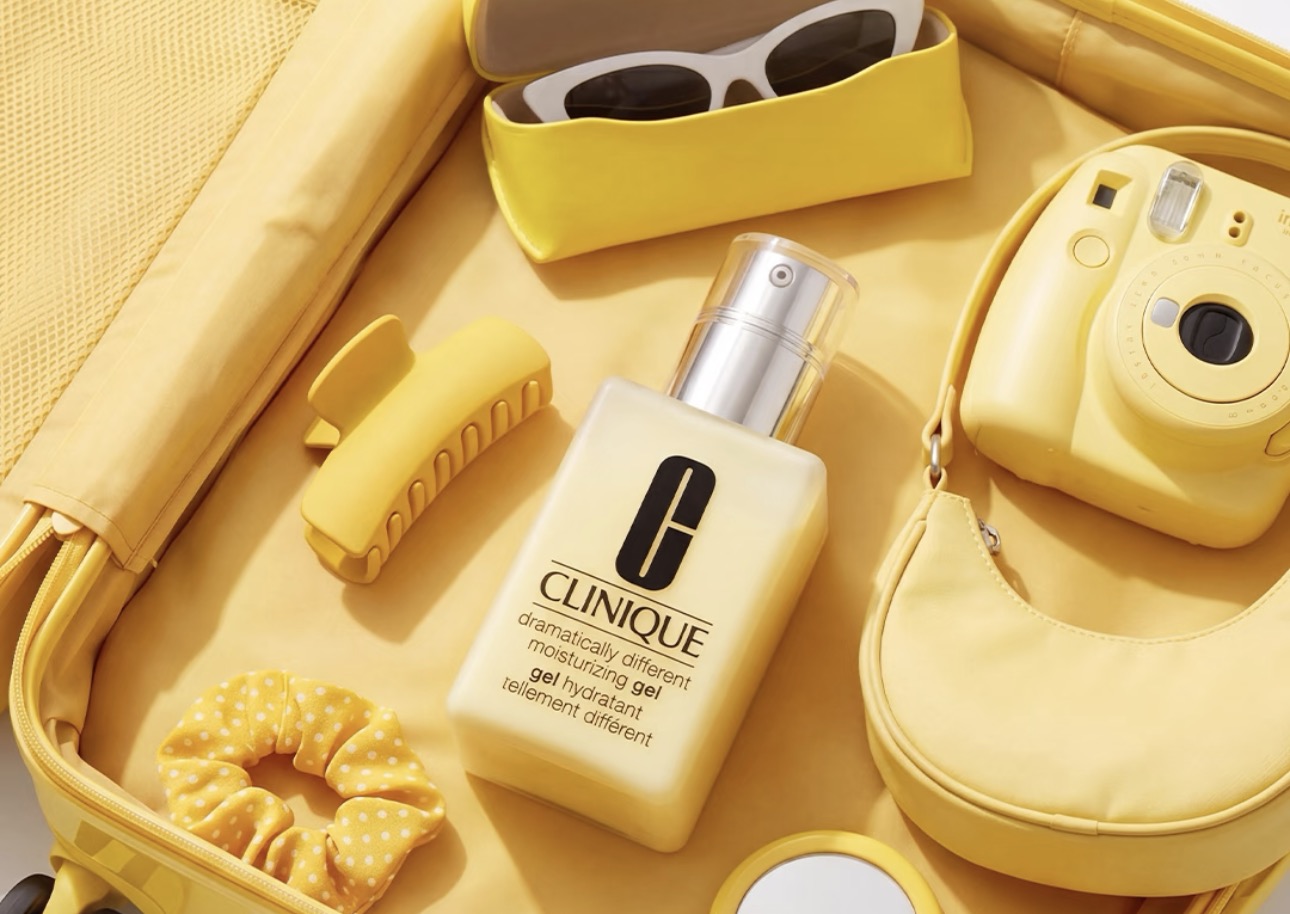
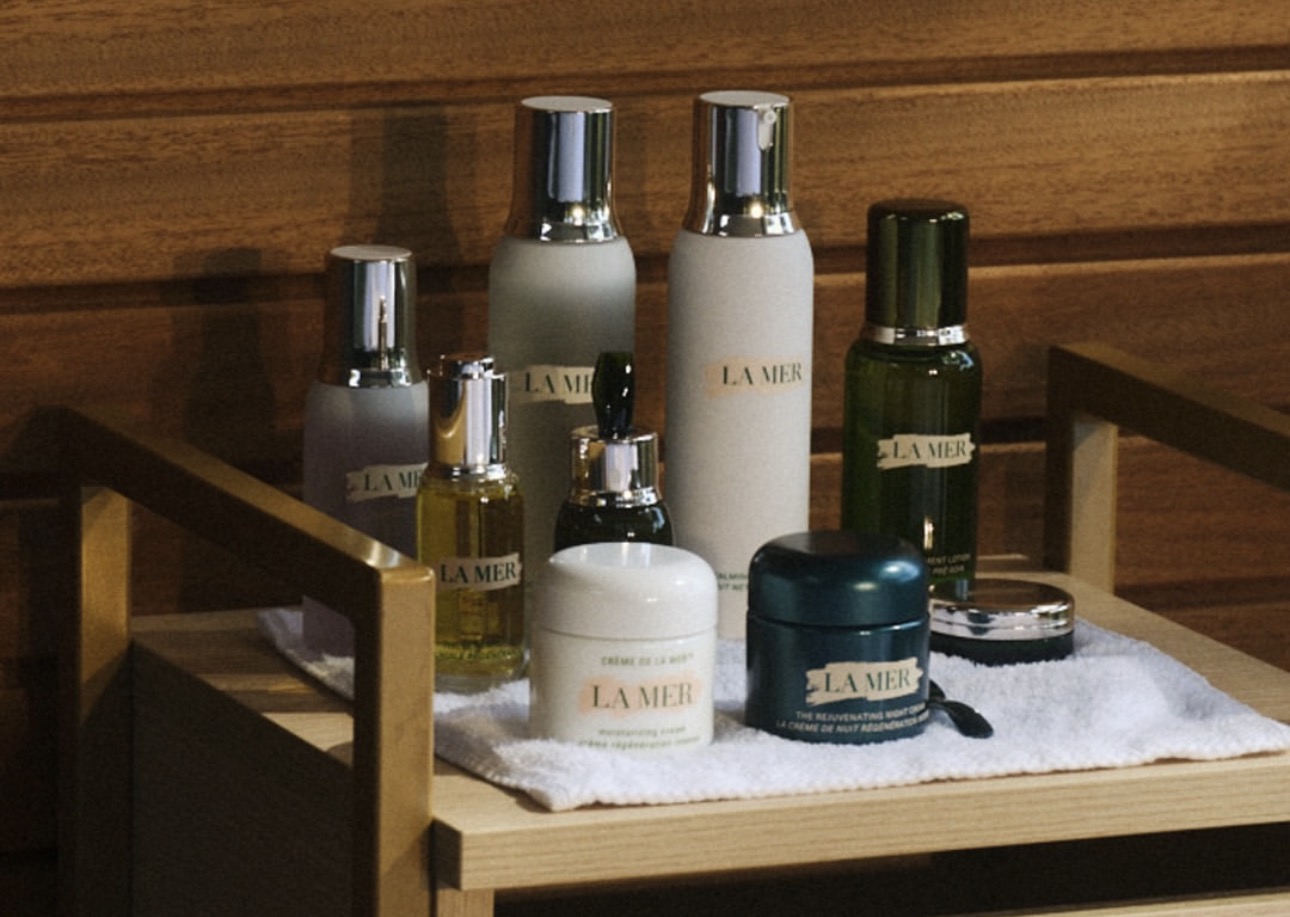
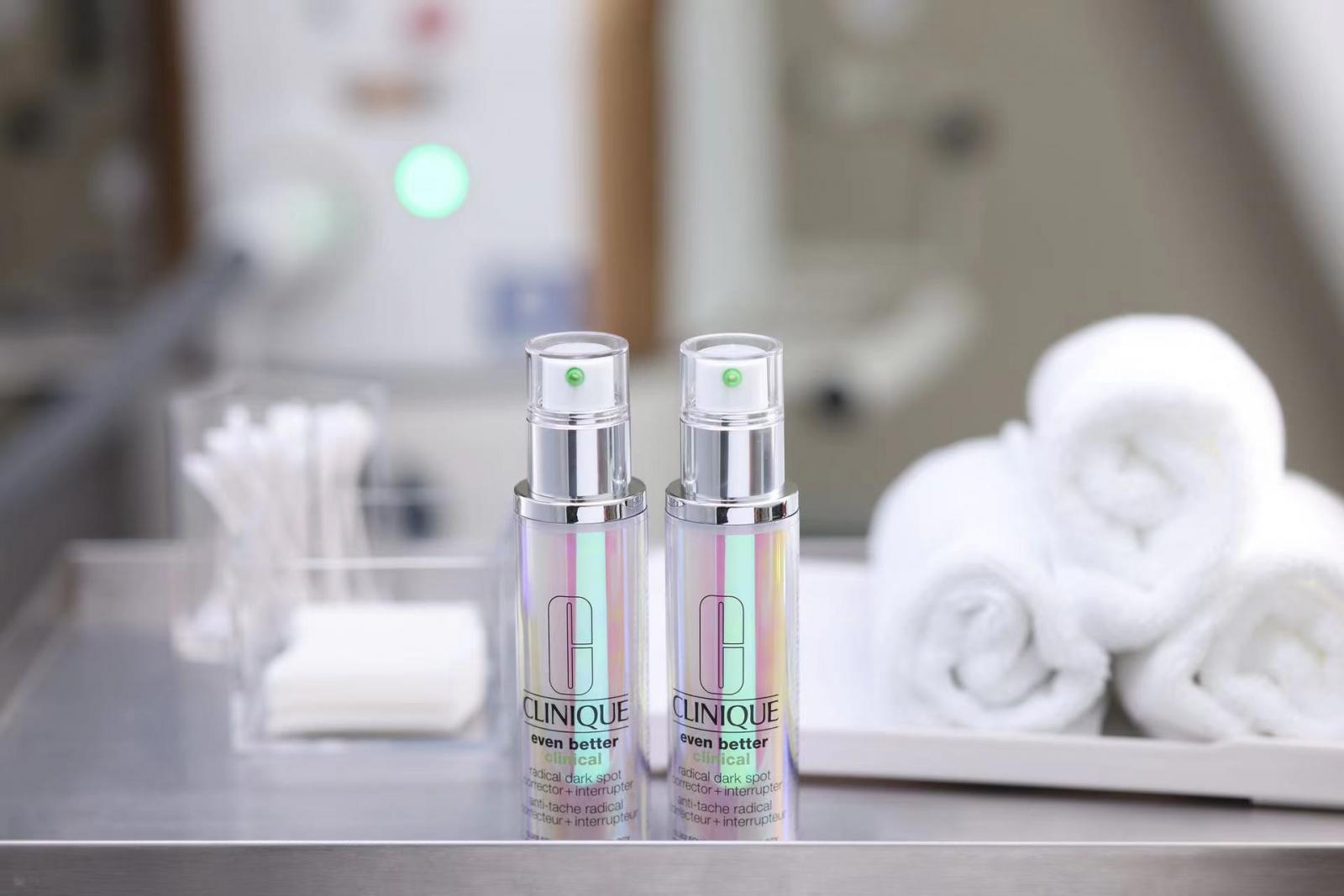
Chinese consumers long understood that products from Clinique, La Mer and Estée Lauder brand were often dramatically cheaper through duty-free or grey-market channels than through official domestic retail. The group tolerated the imbalance because the sales numbers remained strong. But the longer this continued, the more consumers internalized the idea that official pricing simply wasn’t worth paying.
What once functioned as a growth engine has gradually become a structural liability.
Now the company is trying to reverse consumer behavior that it indirectly helped create. Beginning in fiscal 2026, mainland China has been separated into its own reporting market, while travel retail has been folded into the Asia-Pacific division. The move signals two things simultaneously: first, that China remains strategically critical to the group; second, that Estée Lauder is attempting to rebuild the value perception of its products within official domestic channels.
The problem, however, extends far beyond daigou alone. Heavily subsidized e-commerce channels, discount resellers on Xianyu, and private-domain distributors continue to distort pricing across the market. If Estée Lauder wants consumers to willingly return to paying premium prices through official channels, product innovation alone will not be enough. Counter experiences, membership systems, service quality and emotional engagement will all need rebuilding.
Over the past two years, Estée Lauder’s restructuring has increasingly revolved around one strategy: cutting costs at scale.
The layoffs began modestly in early 2024, when the company announced plans to reduce between 1,800 and 3,100 jobs. By early 2025, that figure expanded to as many as 7,000. Following discussions surrounding a possible merger with Puig, the number rose again this spring to between 9,000 and 10,000 employees — 17.5% percent of the company’s total workforce.
More than 70 percent of those reductions are expected to affect sales positions in department stores and standalone retail locations.
Wall Street welcomed the decision. Investors interpreted the cuts as proof that management was serious about restoring profitability and preparing the group for a new operational structure. On the day merger-related news emerged, Estée Lauder’s shares surged more than 11 percent in pre-market trading.
But financially rational decisions often create cultural consequences.
Behind the layoffs lies a pair of structural realities. The first is that Estée Lauder spent far longer than many of its competitors relying heavily on department stores as the backbone of its prestige beauty business, which makes the pain of dismantling that system especially intense. The second is that the group’s financial pressure — combined with the urgency of proving that its turnaround is working — has left management with little room for gradual adjustment. It now needs to cut fast, visibly and decisively in order to stabilise the business before the market loses patience.
For decades, Estée Lauder’s counter network was not simply a distribution system; it was part of the emotional architecture of luxury beauty itself. Beauty advisors, personalized consultations and immersive in-store experiences helped create the sense of aspiration that distinguished prestige beauty from mass cosmetics.
Digital tools can improve efficiency, but they cannot fully replace human intimacy. Algorithms do not replicate the emotional trust built between consumers and experienced beauty advisors. Luxury beauty, perhaps more than almost any other category, still depends on human warmth.
That is the paradox now confronting Estée Lauder. The group urgently needs leaner operations, yet the more aggressively it removes people from the customer experience, the greater the risk that its brands begin losing the emotional density that once made them powerful.
Saving money is relatively straightforward. Preserving brand intimacy while doing so is considerably harder.
At the same time Estée Lauder is shrinking certain parts of its business, it is also rebuilding its portfolio in real time.
Earlier this year, reports emerged that the company was exploring the sale of Too Faced, Smashbox and Dr.Jart+. All three brands were once acquired as strategic additions to broaden the company’s positioning, yet recent performance has turned them into burdens rather than growth drivers.
Too Faced recorded double-digit declines this quarter, while Dr.Jart+ also underperformed. In the beauty industry, failed acquisitions create more than financial damage. They can also weaken a group’s reputation among desirable founder-led brands considering future partnerships or exits.
At the same time, Estée Lauder has resumed selective dealmaking.
In February, CEO Stéphane de La Faverie publicly stated that the group would continue evaluating acquisition opportunities whenever meaningful assets emerged. Shortly afterward, the company completed its first acquisition since purchasing Tom Ford in 2022 by acquiring Indian luxury Ayurvedic beauty label Forest Essentials.
In April, the company also purchased a minority stake in 111SKIN, the London-based luxury skincare brand founded by plastic surgeon Dr. Yannis Alexandrides.
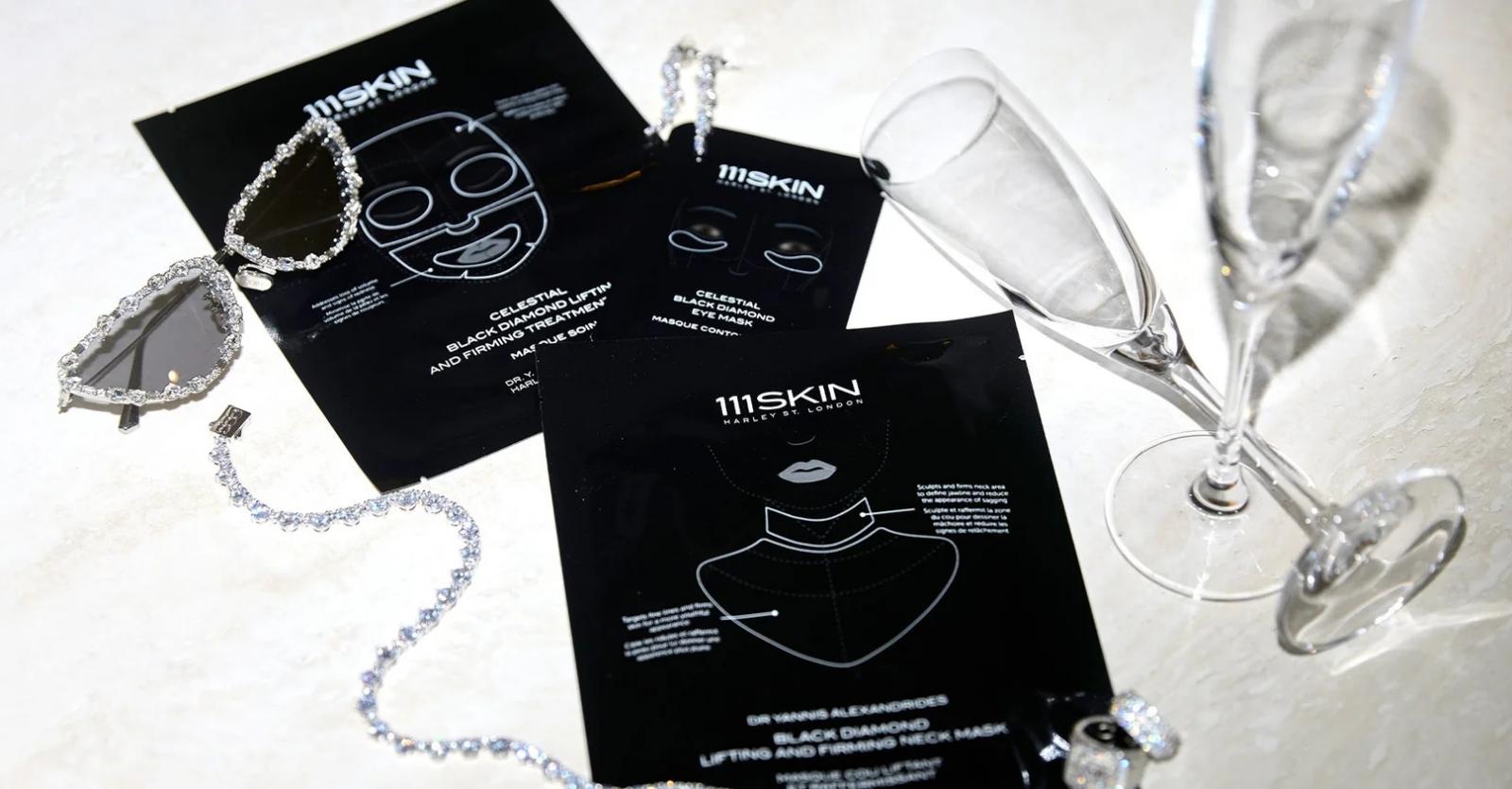
The investment was notable not because of its size, but because of what it represented strategically. 111SKIN occupies a space increasingly important across global beauty: post-procedure recovery and medically adjacent skincare. Through a minority investment rather than a full acquisition, Estée Lauder gains access to consumer insight, category expertise and product innovation without taking on the full operational burden of ownership.
In other words, the company is no longer simply buying brands. It is buying optionality.
Financially, mainland China has become one of the company’s brightest spots. Organic growth reached 6 percent this quarter, while six brands achieved double-digit increases. China has now outperformed the broader industry for three consecutive quarters.
Yet social media tells a more complicated story.
Discussions surrounding “aging brands,” chaotic pricing systems and disappearing hero products continue circulating widely online. Ironically, that criticism also reveals something important: Chinese consumers still care deeply about Estée Lauder.
The challenge is that the Chinese beauty market has evolved faster than many legacy global groups expected.
Over the past several years, beauty in China has shifted sharply toward efficacy, longevity science and medically adjacent skincare. Consumers increasingly want products that promise measurable outcomes rather than purely aspirational storytelling.
L’Oréal has aggressively expanded into “skin longevity science” through Lancôme and partnerships like Timeline, while its Dermatological Beauty division — including SkinCeuticals, La Roche-Posay and CeraVe — has built strong credibility among increasingly sophisticated consumers.
Meanwhile, domestic Chinese companies such as PROYA, CHICMAX and others are investing heavily in anti-aging science, biotech ingredients and post-aesthetic-treatment skincare.
To be fair, Estée Lauder has hardly stood still scientifically. The company recently presented new research around sirtuins, exosomes and skin aging at IMCAS 2026, while several of its brands have begun repositioning around post-procedure repair and longevity-focused skincare.
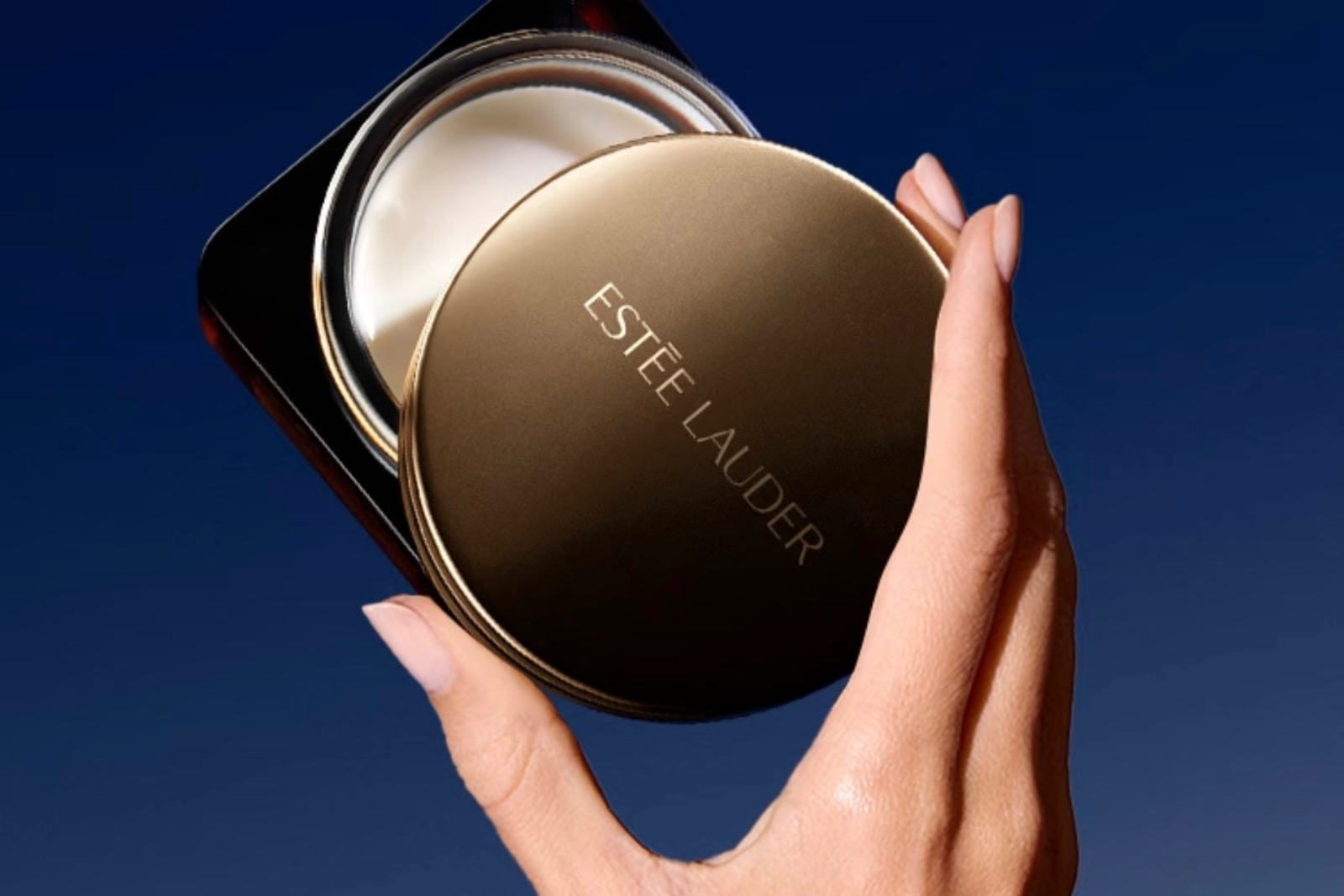
The issue is not a lack of research. It is that none of these efforts has yet produced the kind of breakout product capable of reshaping consumer perception.
Chinese consumers are willing to admire scientific ambition. But admiration alone does not guarantee purchases. What matters more is who can translate research into products that feel genuinely useful, visible and immediately relevant.
And then there is Puig.
As ConCall previously noted in the March analysis of the Estée Lauder-Puig alliance, the merger involves more than financial synergies. The two companies also approach brand management, storytelling and fragrance strategy very differently — especially in luxury perfume, where narrative consistency has become increasingly critical.
The contrast between Le Labo and Byredo perfectly illustrates this divergence. Under separate ownership structures, one pursued aggressive expansion and rapid visibility, while the other maintained a slower, more restrained cultivation of exclusivity.
Estée Lauder is still recovering. But what it needs to repair now extends far beyond financial reports.
The lawsuits, layoffs, acquisitions, restructurings and channel reforms are not isolated events. They are all symptoms of a deeper reconstruction taking place simultaneously across the company.
At turning points, direction matters more than speed.
Estée Lauder has already begun moving again. The real question is whether the steps that follow will finally prove stable enough to carry it out of the fog.











 Scan this QR Code with WeChat
 WeChat
 Email
Email Share
Share
 Favorites