简体中文
简体中文

- FEATURE
- |
- MERGERS & ACQUISITIONS
- |
- FINANCIAL
- |
- MARKETING
- |
- RETAIL
- |
- ESG-SUSTAINABILITY
- |
- LIFESTYLE
- |
-
MORE




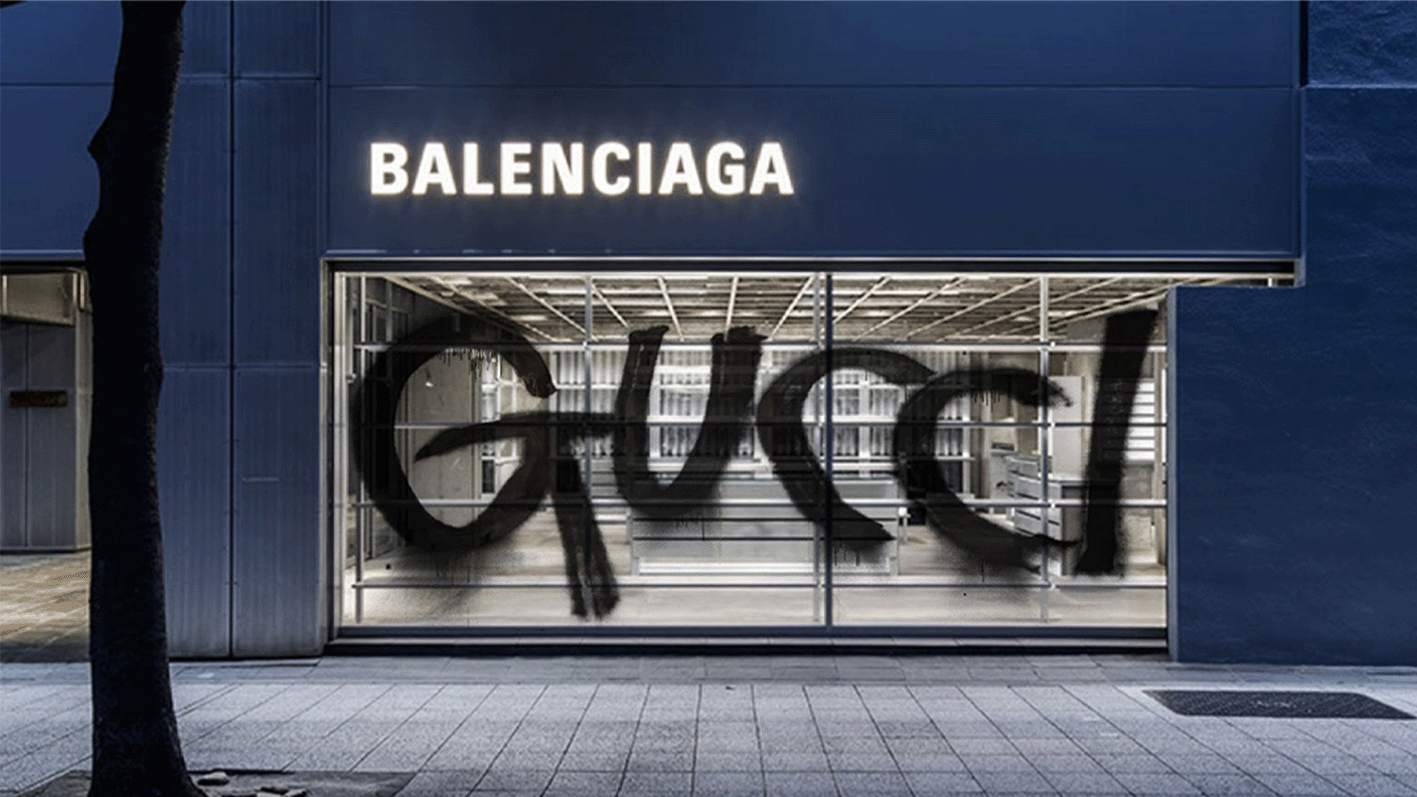
The night of March 13-14, 2025, Beijing time, will go down in fashion history as a night of breaking news—though neither of the two major announcements offers clear answers, only adding more uncertainty to an already foggy landscape.
Among them, Kering's bombshell announcement caught even those unrelated to the company off guard. As for those directly affected, they might need to take a "shock leave" just to process it all.
Without any clue, Kering declared that Demna, Balenciaga's current artistic director, will be moving to Gucci, replacing Sabato De Sarno, who departed last month.
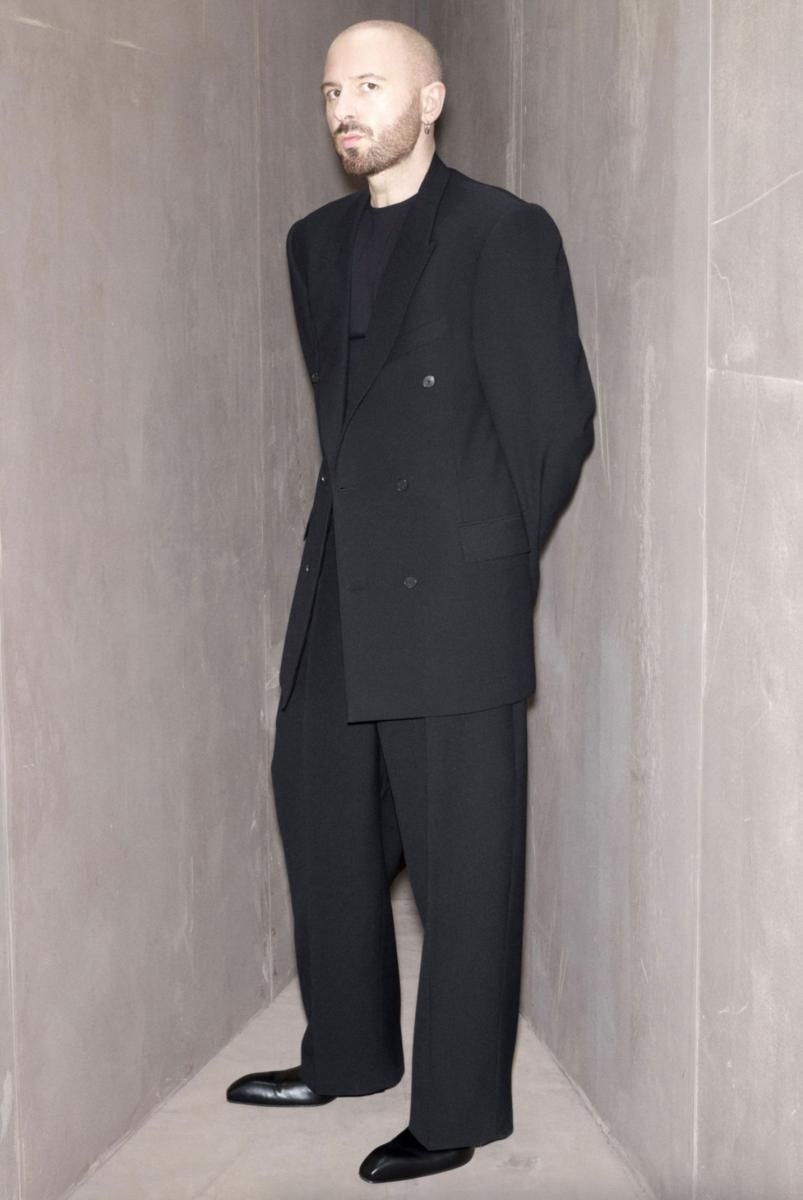
François-Henri Pinault, chairman and CEO of Kering, stated in the official announcement: "Demna's contribution to the industry, to Balenciaga, and to the Group's success has been tremendous. His creative power is exactly what Gucci needs. As I thank him for everything he has accomplished over the past 10 years, I look forward to seeing him shape Gucci’s new artistic direction."
Demna is set to conclude his decade-long tenure at Balenciaga with a haute couture show this July, after which he will fully transition to his new role at Gucci.
Although Kering has yet to confirm the date of his debut collection, given this timeline, we may see his vision for Gucci take shape before the end of the year. With more than six months until his final Balenciaga show, Demna will have ample time to refine his approach to Gucci's new direction.
The news sparked an immediate uproar across the fashion industry, stunning not only insiders but also casual observers. In a recent analysis of the Fall/Winter 2025 fashion season, ConCall noted in “This Season's Fashion Weeks: The Mundane Has Its Reasons, and the Exceptional Is Rare” that “Gucci cannot remain as it is. While Sabato De Sarno's departure may not significantly impact the brand, what Gucci needs most right now is a creative force capable of a radical reinvention—both an opportunity and a risk.” Yet, few could have predicted that this force would be none other than Demna.
Kering's decision defies conventional business logic. Even if this gamble pays off, unless François-Henri Pinault himself explains the reasoning behind it one day, this move will remain one of 21st-century fashion industry's great mysteries.
Announcing Demna's transition so far in advance inevitably throws both brands into immediate media chaos. Particularly for Balenciaga—seen as one of Kering's few “certainties” amid broader instability—this move pushes the brand into an uncertain future.
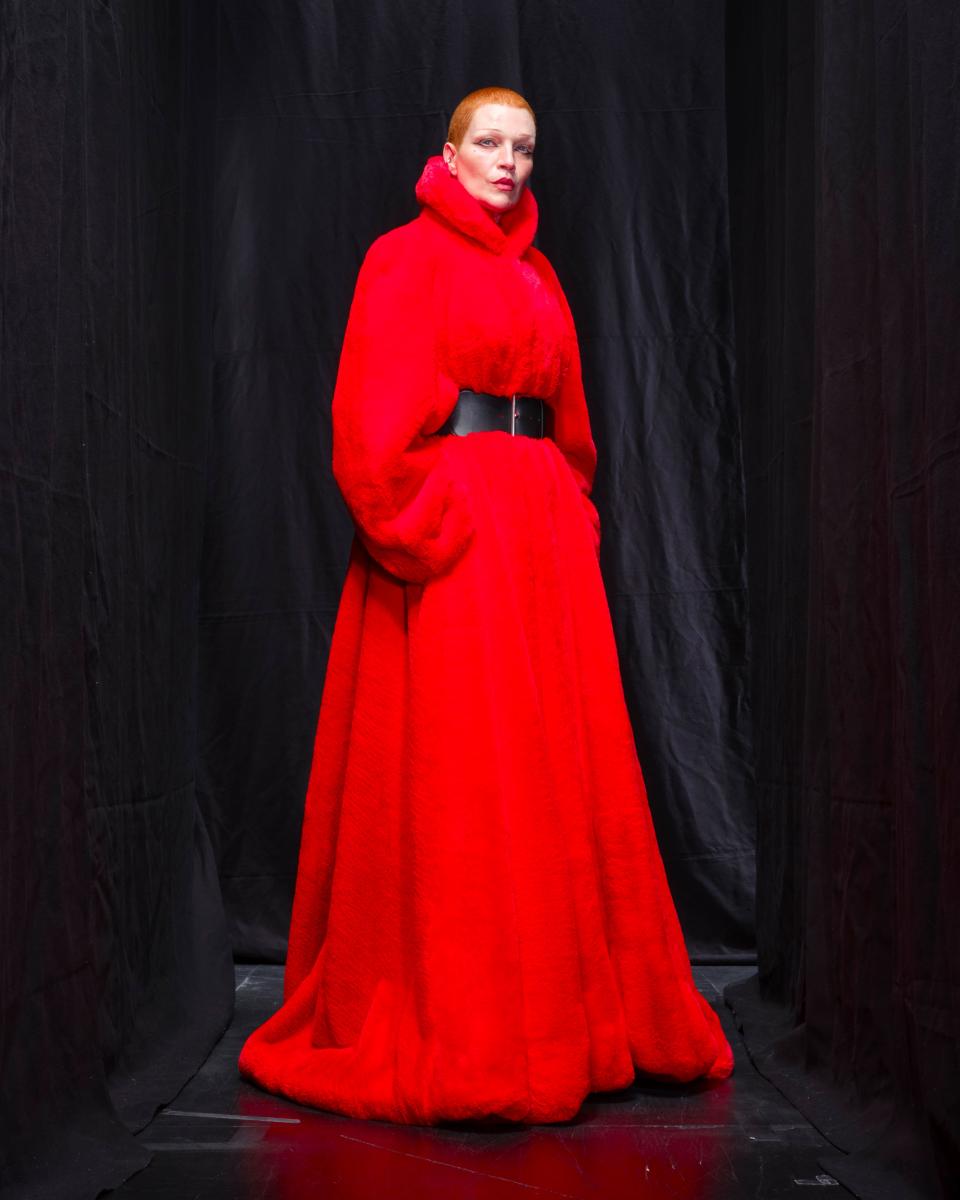
Since taking the helm at Balenciaga in 2015, Demna has defined the brand's identity with deconstructed silhouettes, sharp social commentary, an embrace of subcultures, and an irreverent, boundary-pushing aesthetic. He extended this vision across ready-to-wear, haute couture, and lifestyle products, propelling Balenciaga to new heights and cementing its distinct presence in the industry.
Over the past decade, the brand has delivered hit after hit, amassing a loyal following among young consumers. However, Demna's tenure has always been met with both acclaim and controversy, with critics questioning whether his work aligns with Balenciaga's haute couture heritage. Yet Demna has never sought universal approval—he thrives in the space between admiration and debate. While his aesthetics may differ from the brand's original legacy, over time, his vision has become deeply embedded in Balenciaga’s DNA. Today, his work can be placed alongside the house's founder's with a sense of continuity, as both share an avant-garde spirit ahead of their time.
Given this, it's hard to imagine what Balenciaga will look like without Demna.
Just last year, Kering renewed its contract with Demna—a clear endorsement of his leadership. Under his tenure, Balenciaga's revenue reportedly soared from approximately €200 million in 2015 to around €2.5 billion by 2022, making it Kering's third-largest brand after Gucci and Saint Laurent. Retaining Demna was seen as a way to maintain stability at Balenciaga, especially as Gucci, Bottega Veneta, and McQueen faced creative transitions. In an uncertain landscape, Balenciaga and Saint Laurent were Kering's rare points of steadiness, even as both brands reached their respective plateaus.
With fewer strategic moves left, Kering appears to have sacrificed Balenciaga's continuity to salvage Gucci. If Demna's successor at Balenciaga fails to build on his momentum, Kering—already battered by leadership shake-ups—may find itself facing yet another period of instability. After all, it took Anthony Vaccarello several years post-pandemic to fully establish his vision at Saint Laurent and regain industry attention.
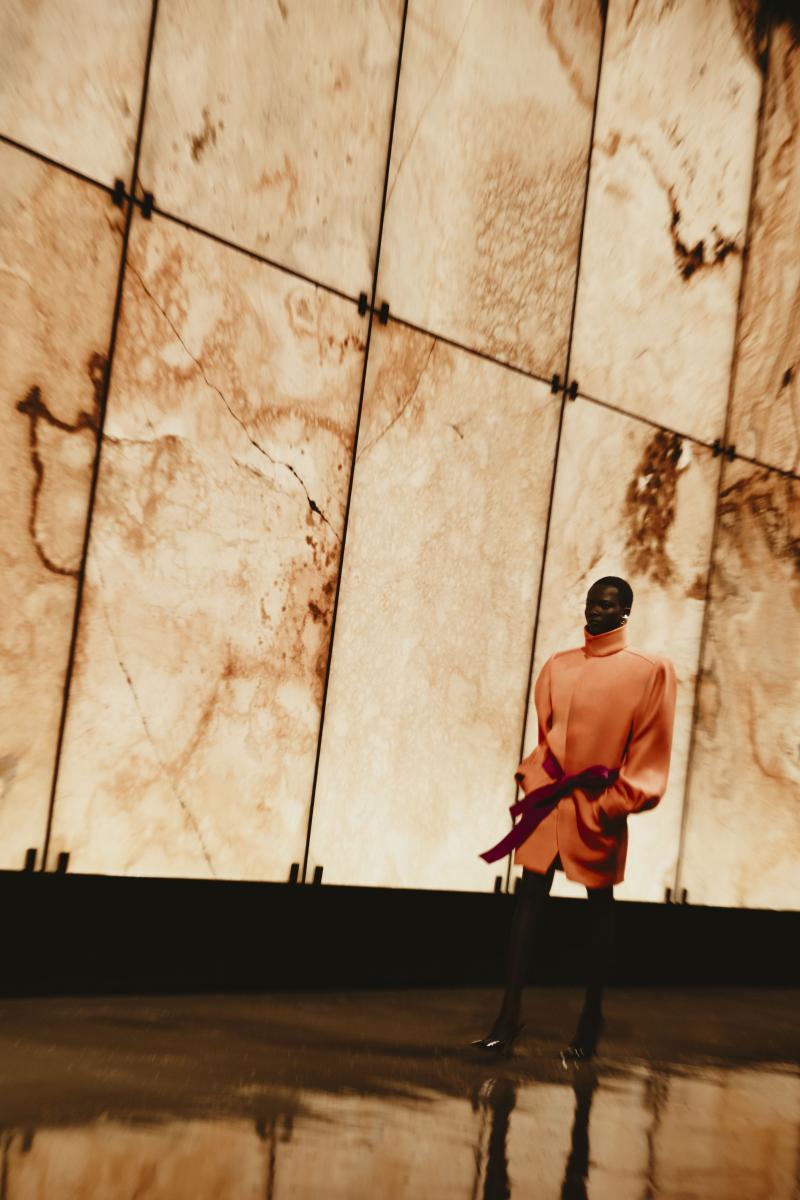
Unless Kering can find another equally disruptive figure to take the helm, Balenciaga's future remains uncertain.
Possible candidates for the role? Hedi Slimane, who was previously rumored to be in talks with Gucci, or John Galliano, currently without a creative directorship. If it's Galliano, the transition could be smoother—his expertise in tailoring, dramatic silhouettes, and theatrical storytelling aligns well with Balenciaga's heritage.
The other reason Kering's decision is so perplexing? Aside from the Hacker Project collaboration between Demna and then-Gucci creative director Alessandro Michele in 2021, nothing in Demna's portfolio suggests a natural fit for Gucci.
Love him or not, Demna's work never fails to surprise. However, his aesthetic has remained largely consistent from Vetements to Balenciaga. Like Alessandro Michele before him, wherever he goes, he imprints his own signature onto the brand. This suggests that Gucci under Demna may become an extension of his Balenciaga.
The big question is whether his proven playbook can successfully translate to Gucci.
For one, Gucci has shifted dramatically in recent years—from maximalism to minimalism, spending millions on the Ancora Red branding only to pivot yet again. In less than three years, its recent transformations risk becoming mere footnotes. Customers barely had time to grasp one identity before being asked to embrace another—a move that risks alienating loyalists. Frequent reinventions not only disrupt Gucci's positioning but also introduce instability. If the transition fails, the resources spent will have been for nothing, widening the gap between Kering and its competitors.
Moreover, Demna's avant-garde, anti-establishment ethos is fundamentally different from the visions of Tom Ford, Frida Giannini, and Alessandro Michele—all of whom, despite their differences, offered more accessible aesthetics. By appointing Demna, Kering signals a willingness to embrace controversy, perhaps hoping to replicate his earlier successes.
The issue is, with Demna's Balenciaga already beginning to face style stagnation, struggling to stir the masses with its fashion alone, can simply copying that model work? And does the market really need a “Gucciaga”?
And let's not forget—Gucci is a billion-euro behemoth. Not all customers will embrace Demna's style. Gucci risks losing a portion of its clientele that values classic luxury—something that would clearly hinder its efforts to compete more closely with top-tier brands like Louis Vuitton, Dior, and Chanel. Kering's recent strategy has focused on elevating Gucci, but the question remains: Can Gucci, with its much larger scale compared to Balenciaga, handle the customer losses that might come with such a radical shift in style?
What vision did Demna pitch to François-Henri Pinault that convinced him to take this leap? We will never know. What we do know is that Kering appears increasingly desperate. While the group has a history of betting on unexpected creative talents—Alessandro Michele, Daniel Lee, Matthieu Blazy—this appointment feels more like a high-stakes gamble than a bold strategic move. Is there truly no one else who could reinvent Gucci? And is Balenciaga's future really so expendable?
Just hours before Kering's bombshell, Versace announced its own leadership change: Dario Vitale, former design director at Miu Miu, will take over as chief creative officer from April 1, while Donatella Versace transitions to a brand ambassador role.
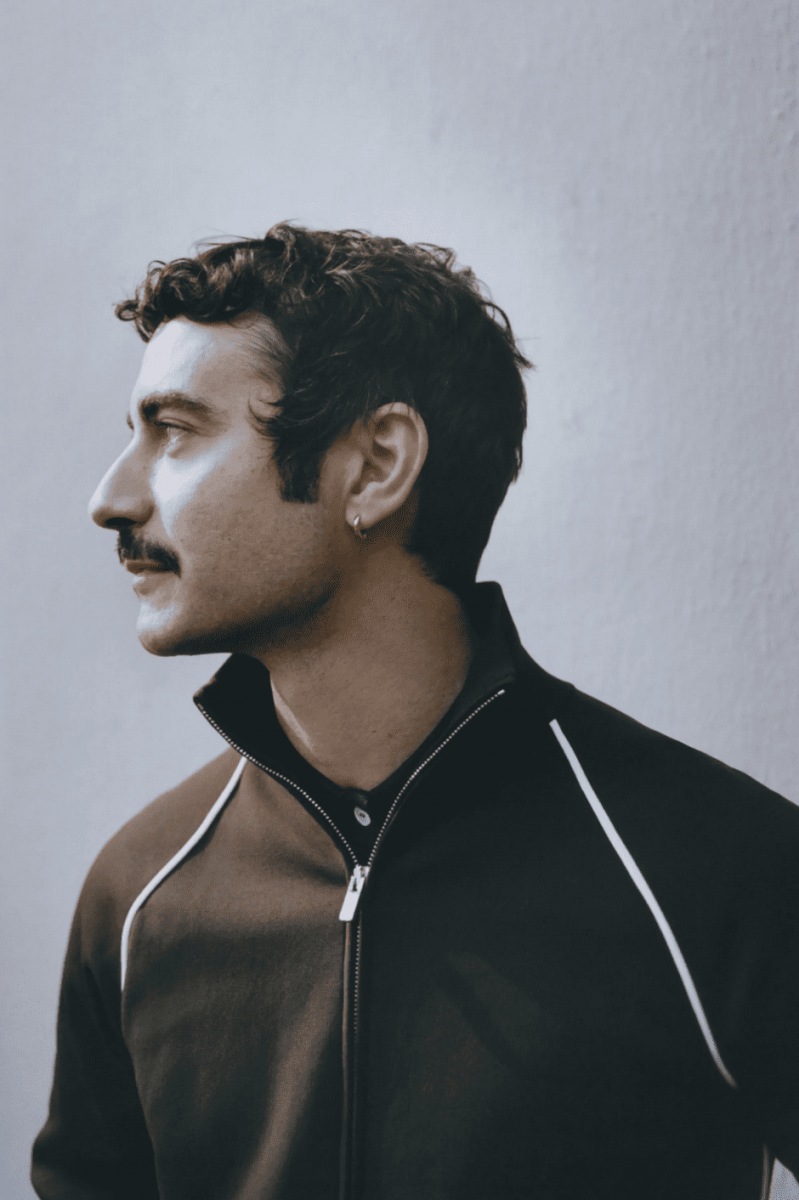
Donatella Versace's “retirement” has become the strongest indicator supporting rumors of a potential acquisition. Bloomberg had previously reported that if the Prada Group were to acquire Versace from Capri Group, Donatella would likely step down from the brand. This new appointment only adds more weight to the rumors of an impending acquisition.
It's predictable that even if Versace doesn't entirely shift to a minimalist aesthetic, the brand will no longer fully uphold the design legacy of Gianni Versace.
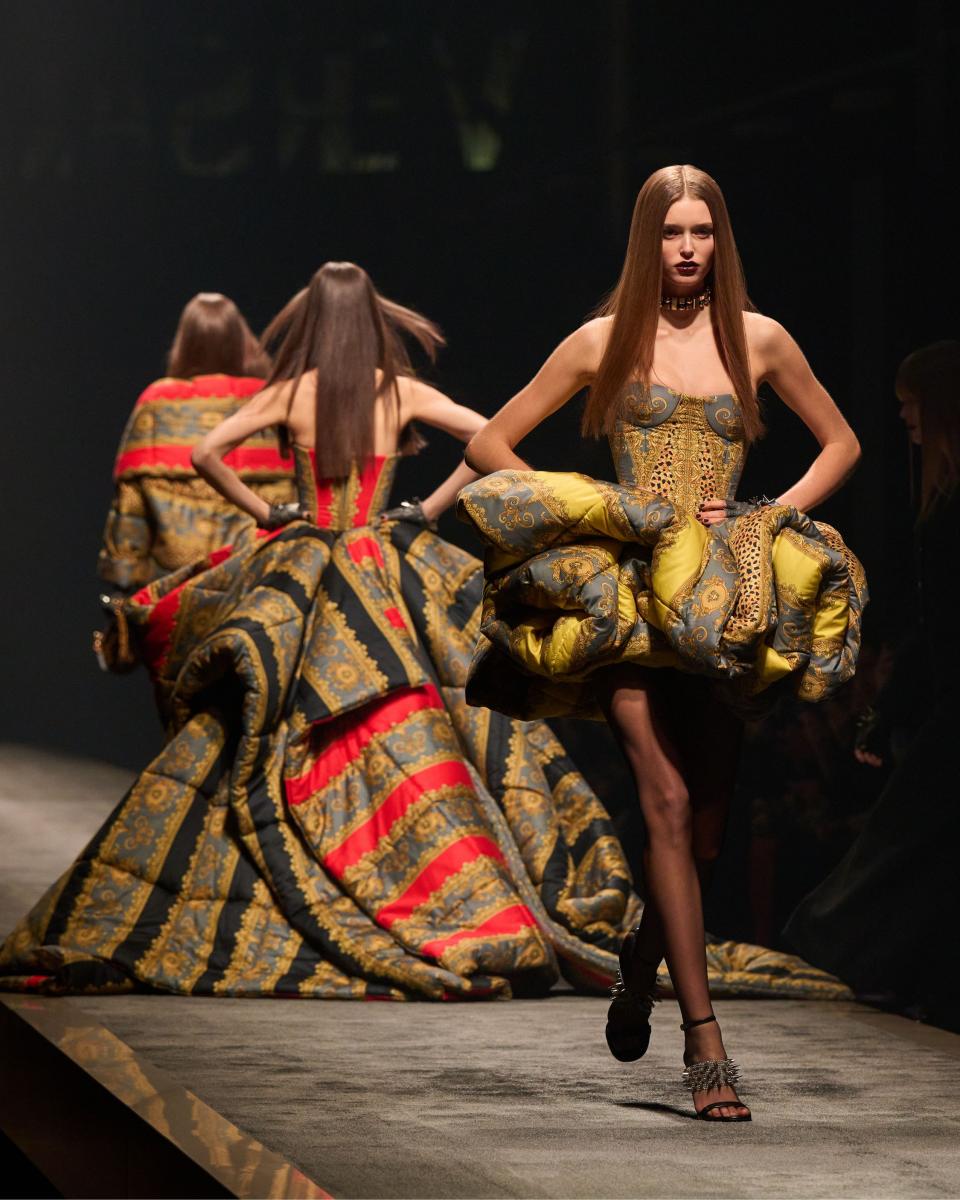
The fashion industry was hit with two major breaking news stories overnight. Versace's announcement, while surprising, still made sense within the broader industry landscape. Yet, it was a sobering reminder of how founding families continue to lose their grip on their brand's creative vision—a reality shaped by the forces of market and capital.
Kering, however, played an entirely unpredictable hand, leaving the industry with more questions than answers. At this point, we might as well start hoping—or even demanding—that François-Henri Pinault write his memoir sooner rather than later. There's too much we still can't quite make sense of, and only he holds the key to unlocking the full story.
















 Scan this QR Code with WeChat
 WeChat
 Email
Email Share
Share
 Favorites