简体中文
简体中文

- FEATURE
- |
- MERGERS & ACQUISITIONS
- |
- FINANCIAL
- |
- MARKETING
- |
- RETAIL
- |
- ESG-SUSTAINABILITY
- |
- LIFESTYLE
- |
-
MORE




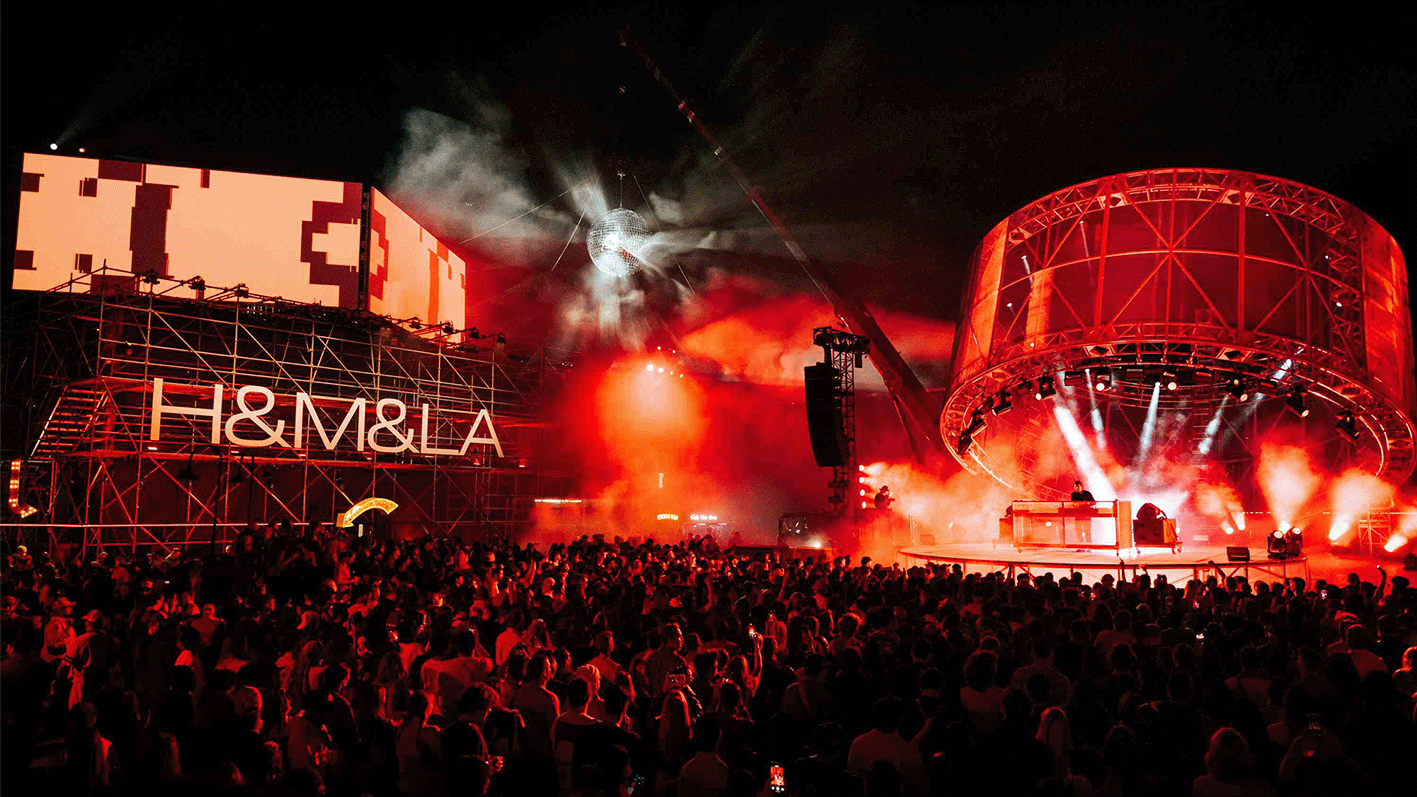
In an era where young consumers live constantly plugged into social media and flooded by digital noise, fashion brands no longer need to rely on relentless innovation alone to stay relevant. Instead, the smartest approach may be to slow down—return to the core of what fashion represents, focus on meaningful storytelling, and connect with audiences at the most human level.
In just six months, H&M has effectively redefined itself—not merely as a mass-market clothing retailer, but as a fashion brand with cultural resonance—by weaving together product, music and style into a cohesive narrative. With “music-driven storytelling” as its new signature, the brand is charting a fresh course in how it connects with the next generation of consumers.
This new playbook began in September 2024 with the brand’s Autumn/Winter collection showcase in London—described by H&M as its “most fashionable season yet.” But rather than focusing solely on runway looks, the event turned into a high-profile music party, drawing over 2,000 global fashion insiders and featuring live sets from pop star Charli XCX and electronic artist Jamie xx.
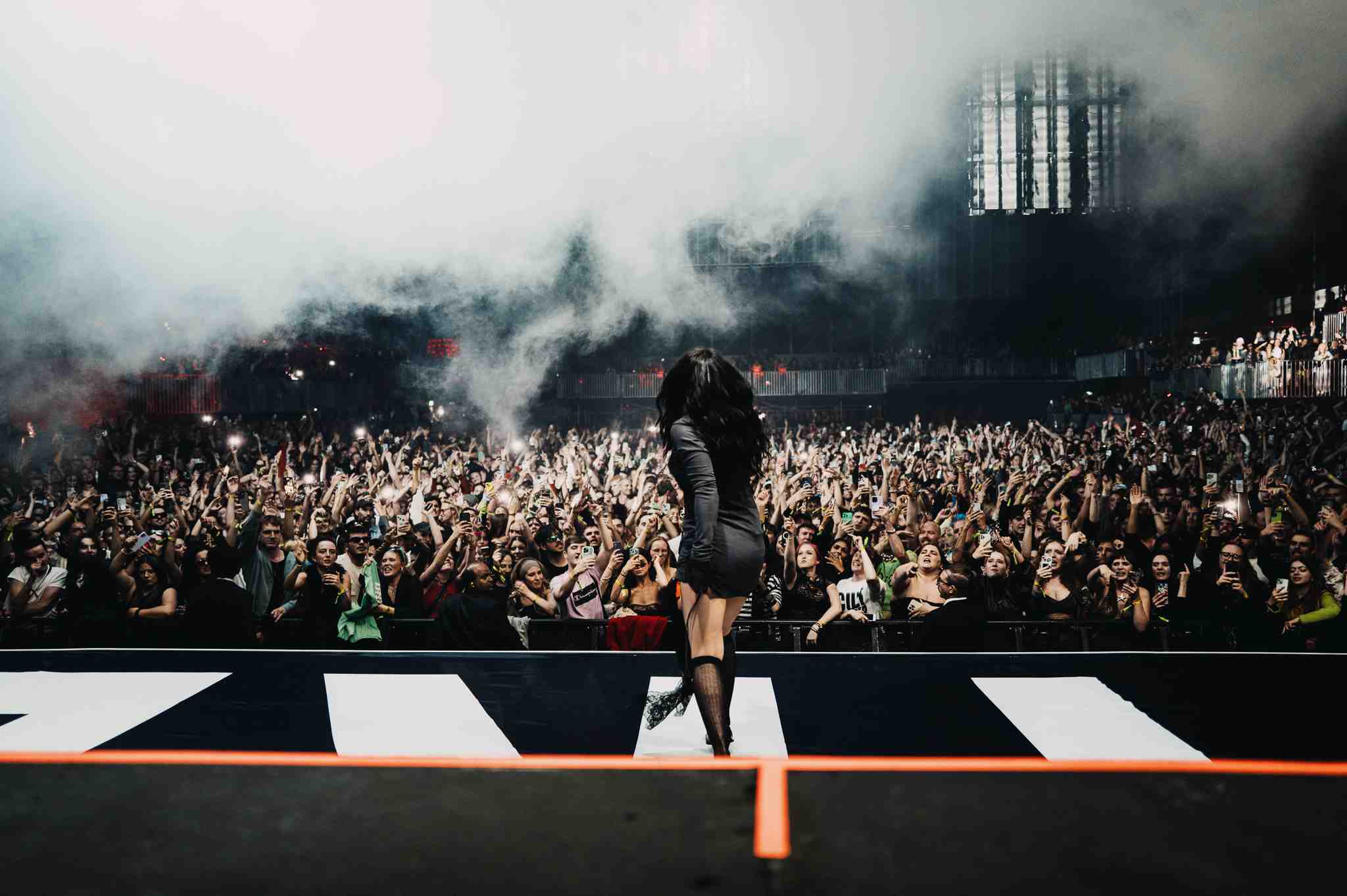
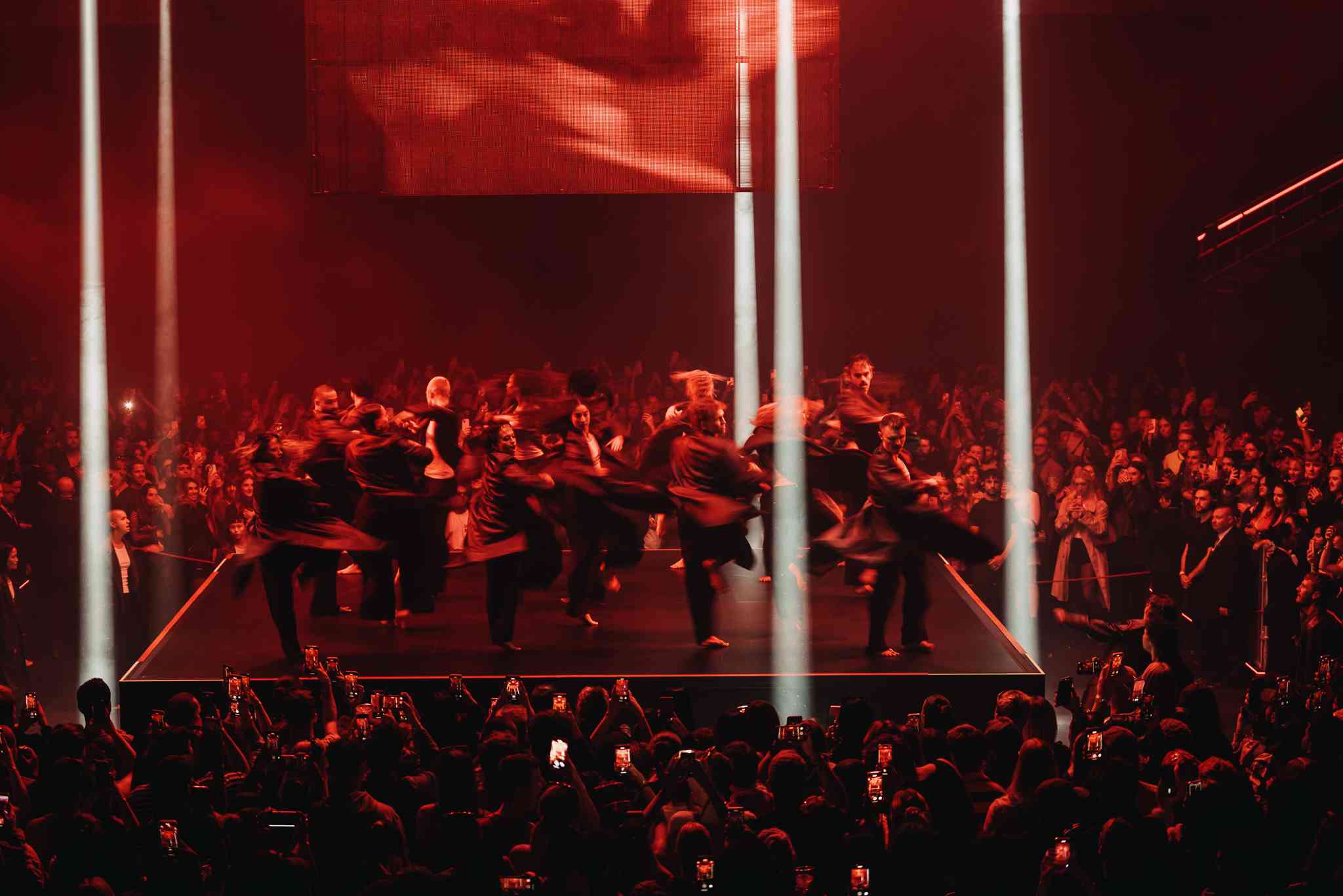
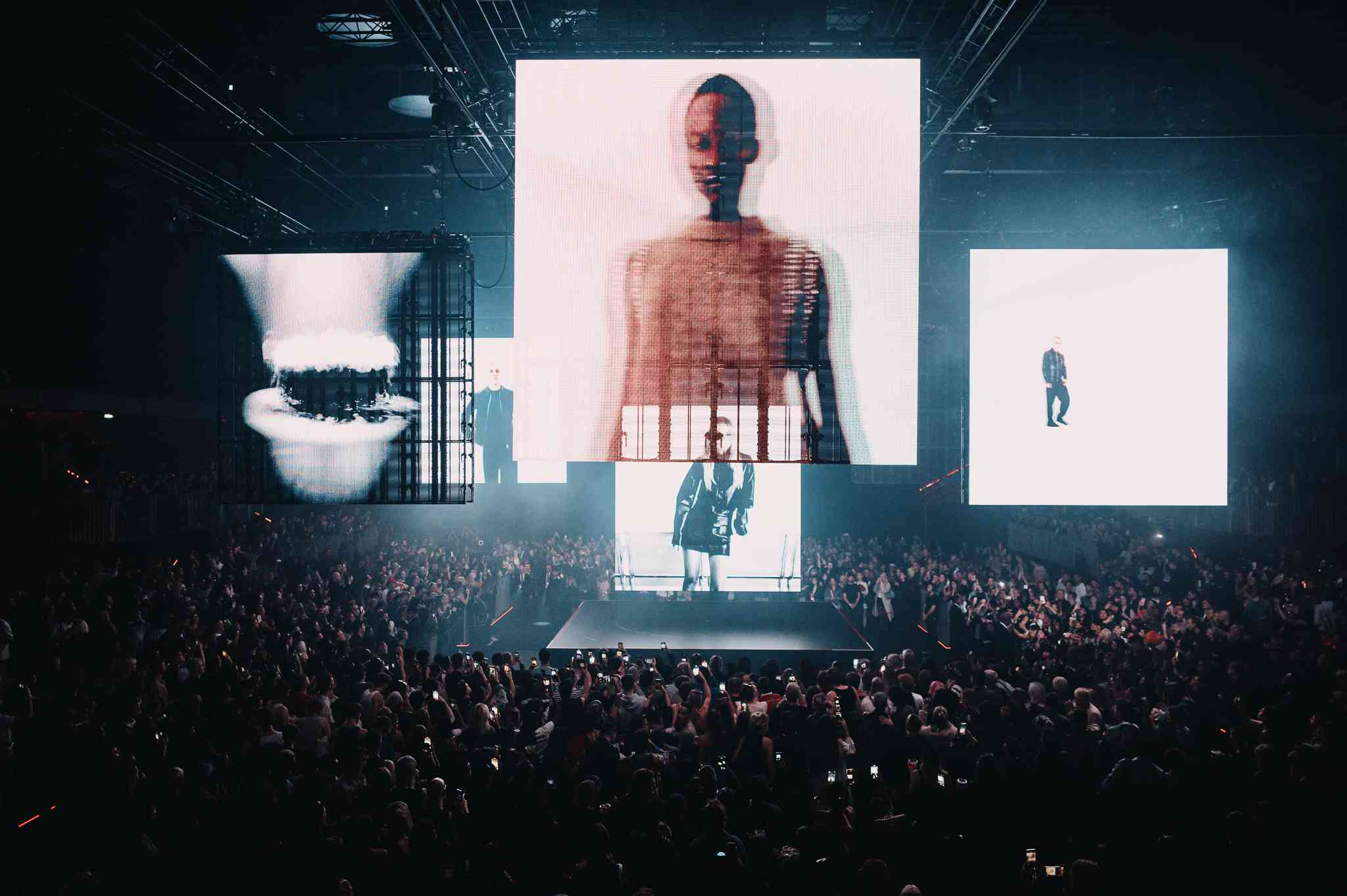
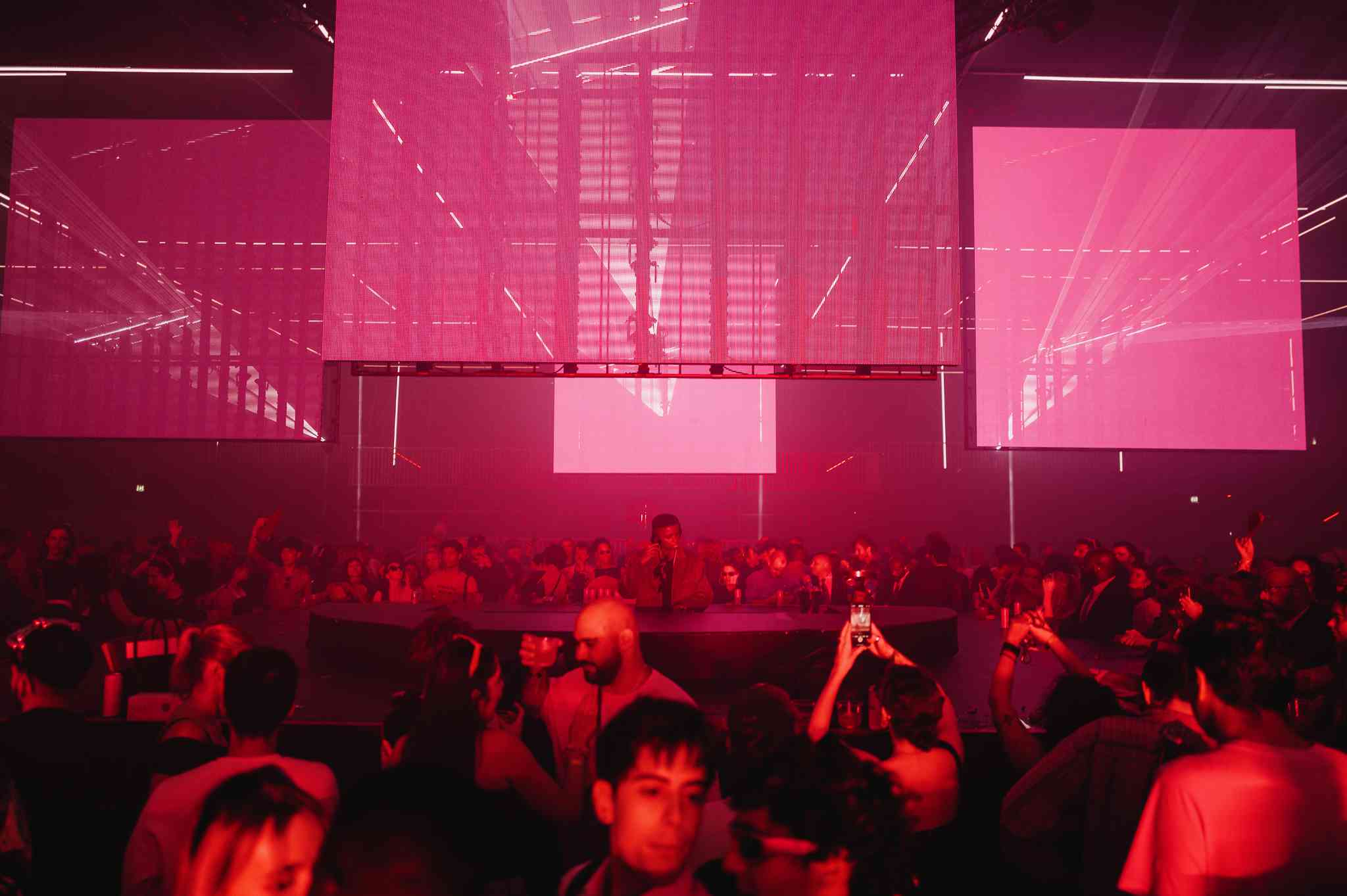
In a city that has long shaped global cultural trends, the event made a clear statement: H&M was no longer content to be seen as just a mass-market clothing brand. Instead, it was embracing music as a key vehicle for storytelling and self-expression—building a brand image that feels bold, authentic, and culturally attuned.
Since then, H&M has taken this concept on a global tour. Between late 2024 and early 2025, its music-led brand experiences have popped up in Milan, Paris, New York, and beyond—using live sound and shared energy to engage young audiences and reframe the brand’s place in the cultural landscape.
History makes clear that fashion and music are inextricably linked. Together, they help shape how young people define their identities and values. And once these bonds are formed, they often endure—becoming rituals that carry emotional significance across a lifetime.
With roots in the everyday lives of its audience, H&M understands the staying power of this connection. Rather than forcing its products into the spotlight, the brand has let music and culture do the heavy lifting—earning credibility among opinion leaders and shaping its repositioning through experience, not just advertising.
Alongside these cultural moves, H&M has also quietly advanced its product innovation, refreshed its visual identity, upgraded store environments, and elevated the consumer experience—all without abandoning its core promise: offering fashion that remains affordable and accessible.
In an age where too many brands mistake noise for relevance, H&M’s return to the basics—music, culture, and human connection—may be its most fashionable statement yet.
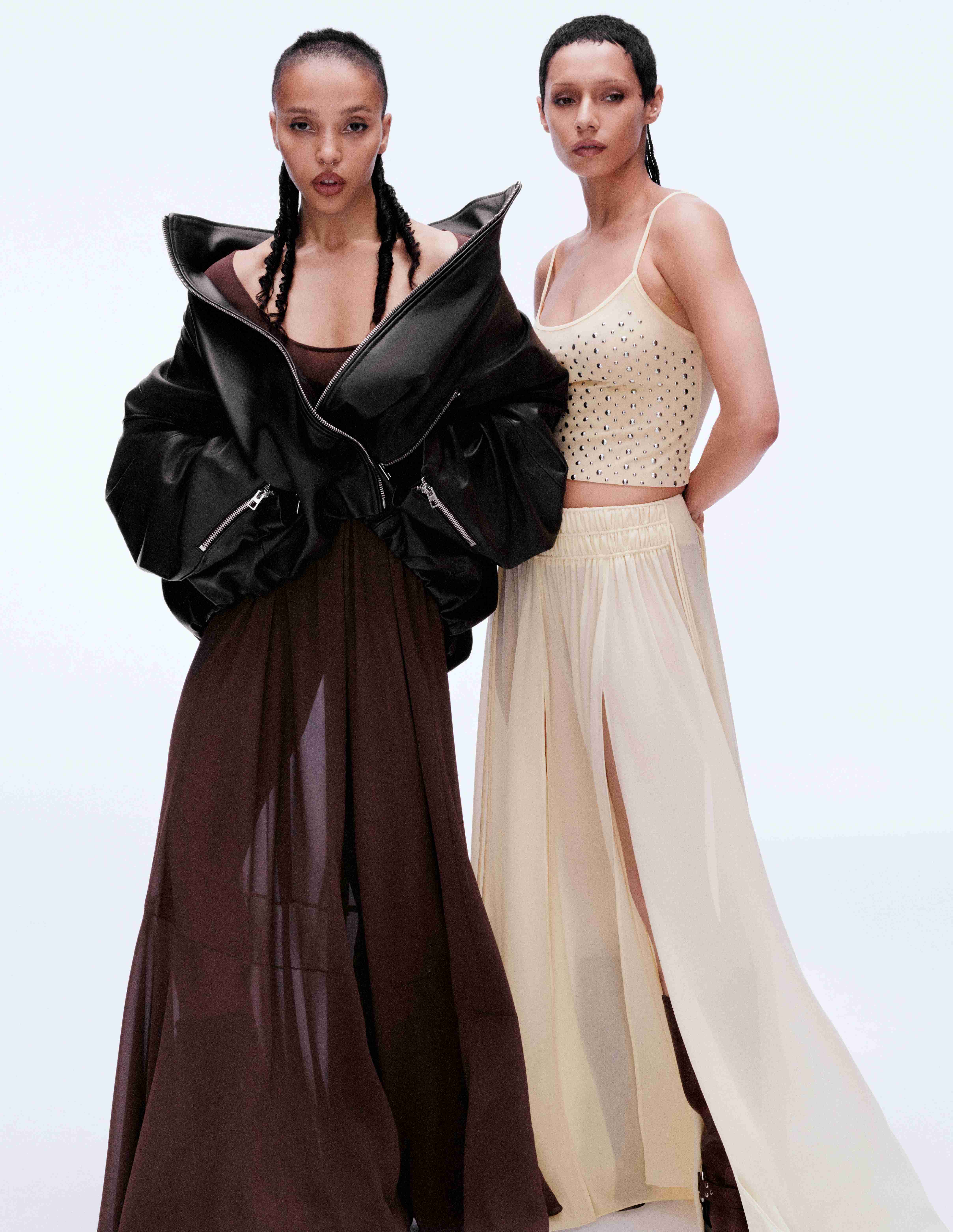
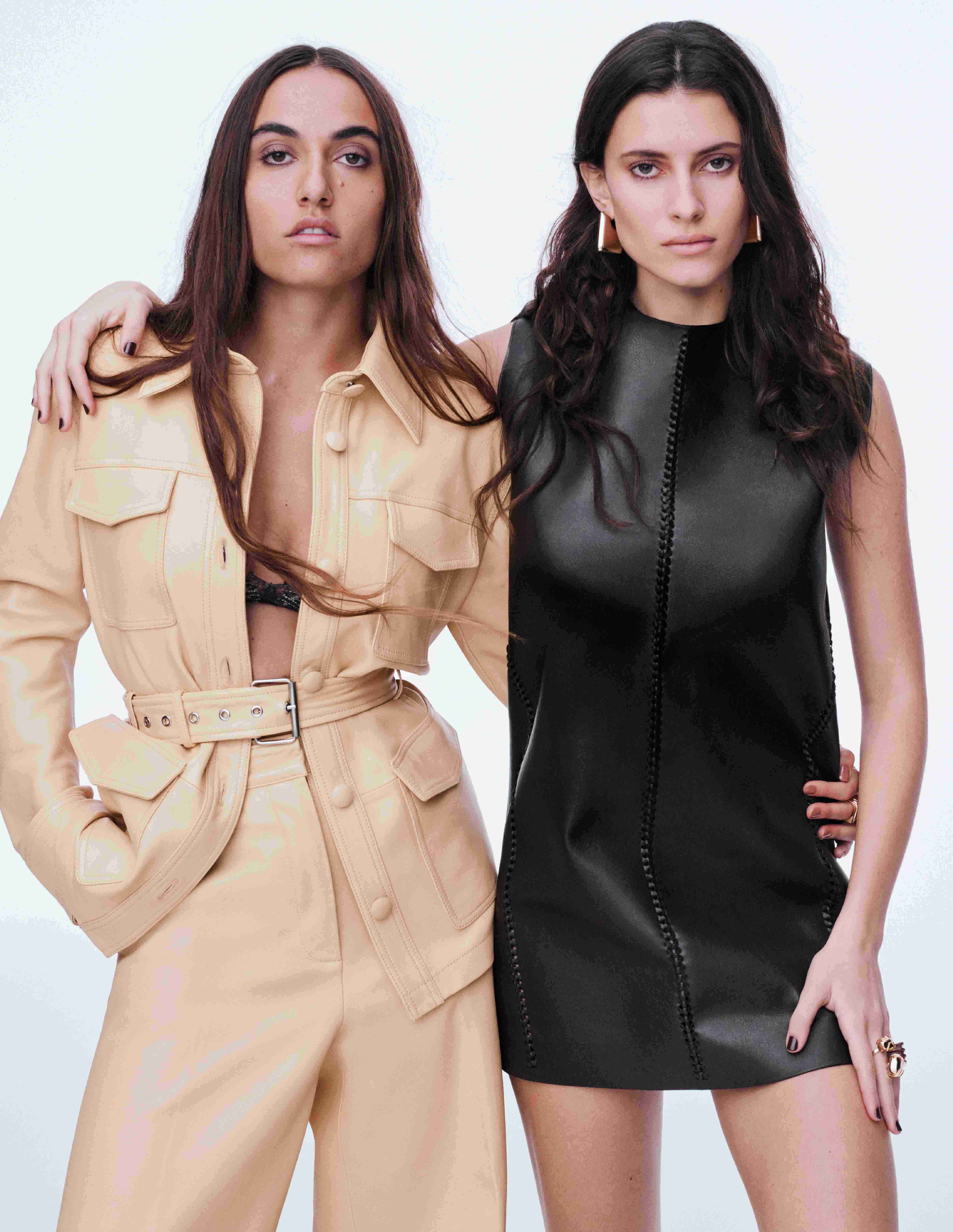
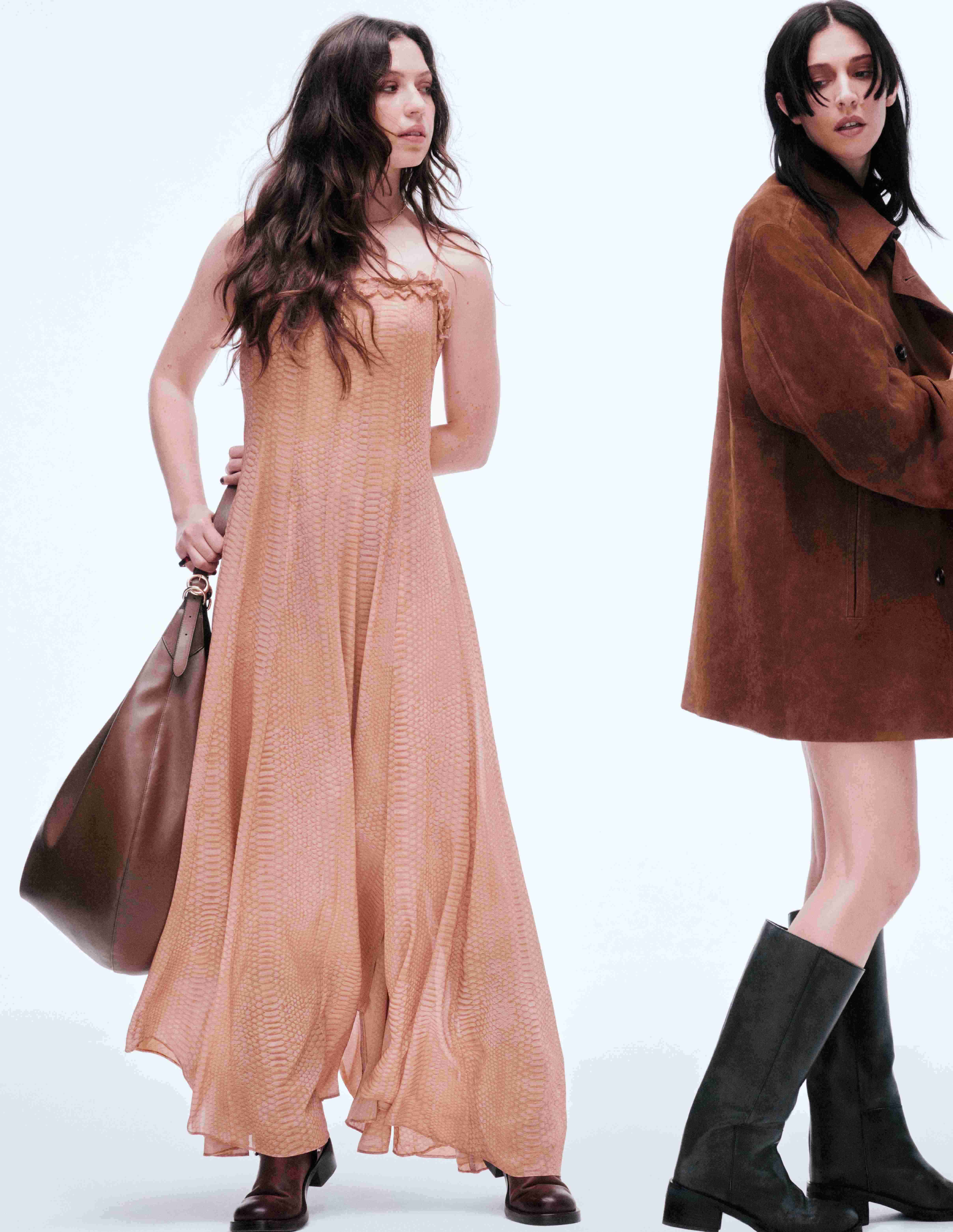
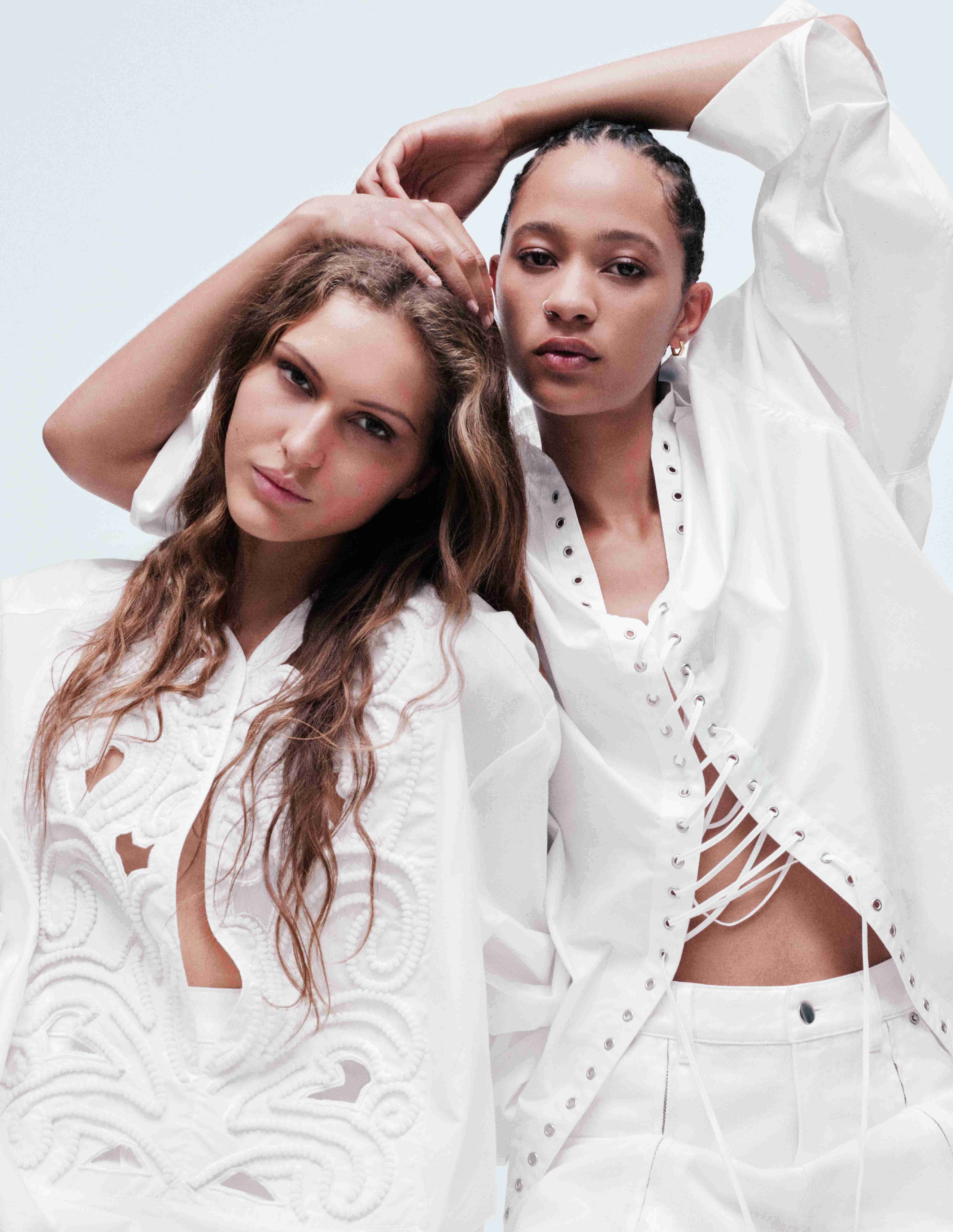
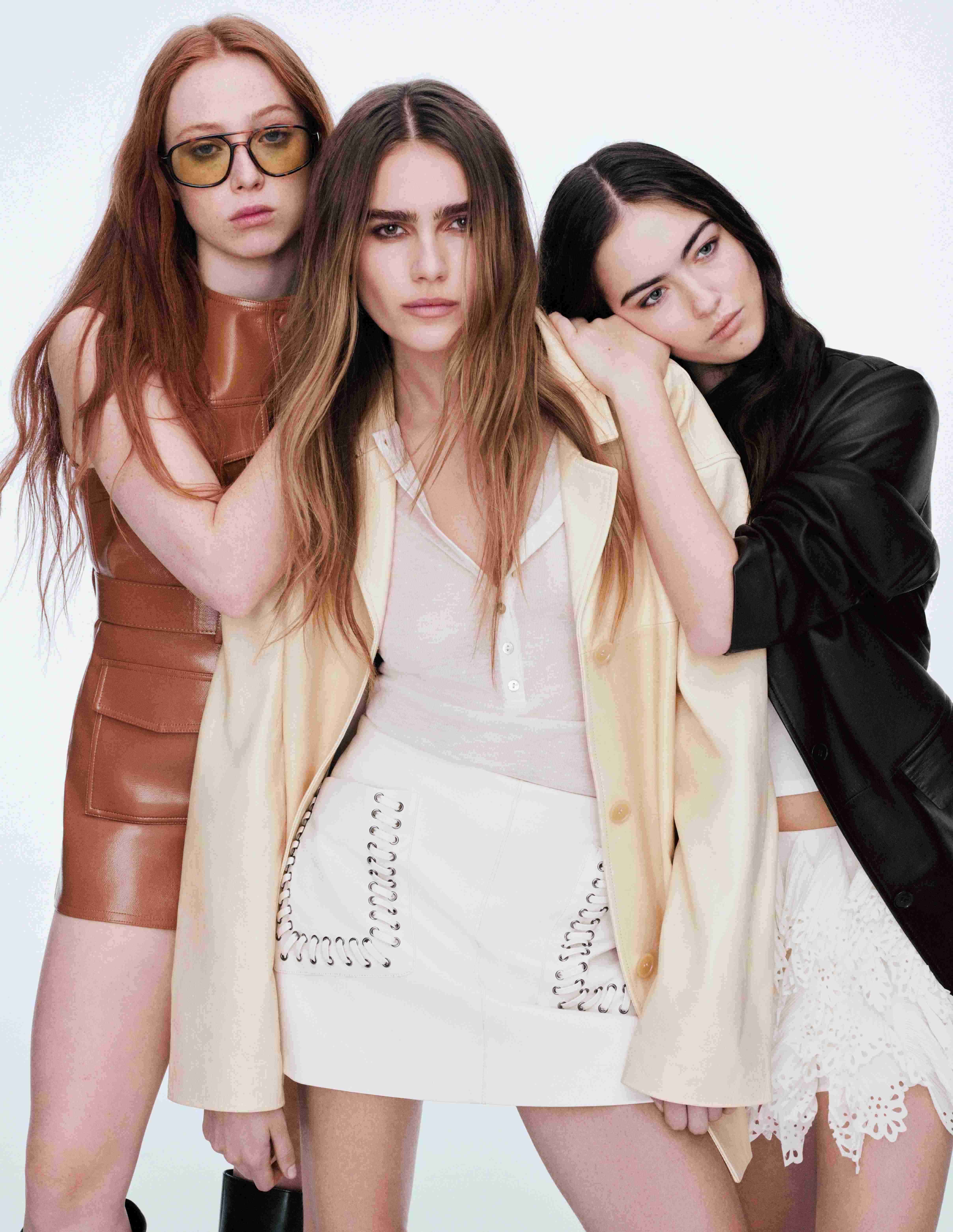
Although there’s no hard data to directly measure the impact of H&M’s music-centered events on sales, the brand’s latest financial results offer a strong signal that the strategy is working.
In the first quarter of its fiscal year 2025, ending February 28, H&M Group delivered 3% year-on-year sales growth to SEK 55.33 billion—despite a net reduction of 40 stores. Notably, in key markets where its music-driven brand experiences have taken place—including Europe (excluding the Nordics) and the Americas—sales growth outpaced the group’s average, hitting 4%.
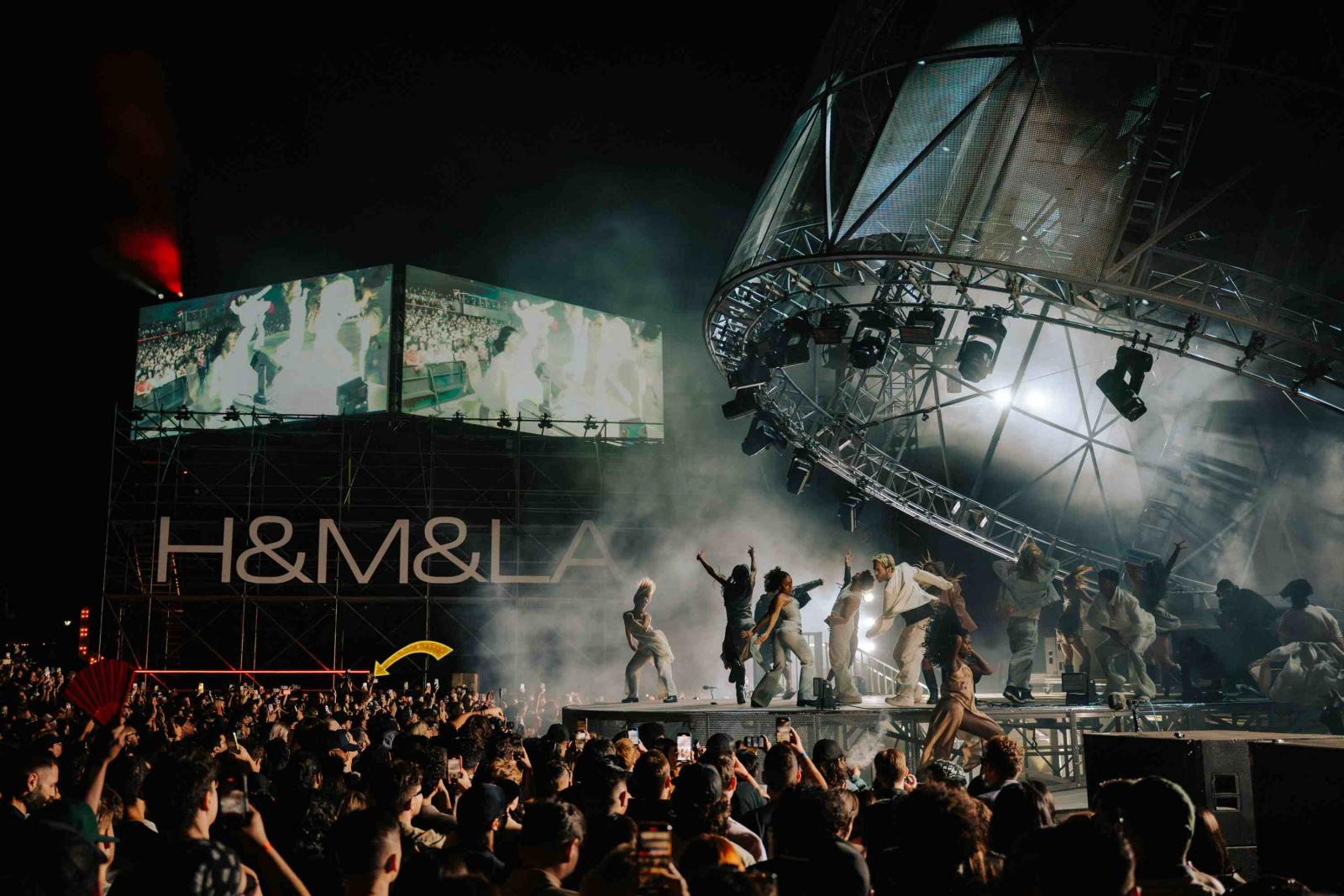
Encouraged by this momentum, H&M doubled down on its narrative linking music, joy, and fashion. In early April, the brand staged its largest music event yet in Los Angeles, to coincide with the launch of its Spring/Summer 2025 collection.
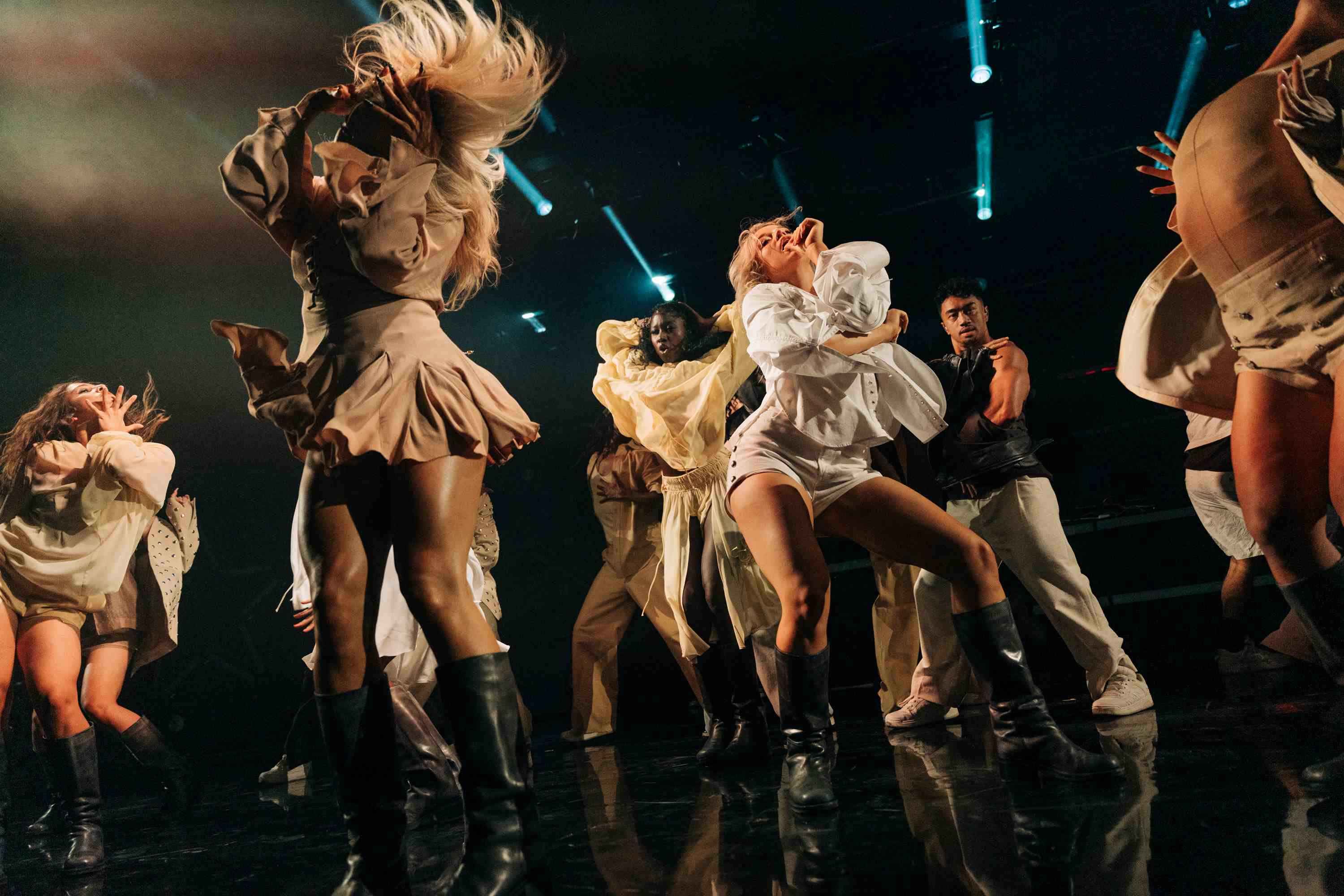
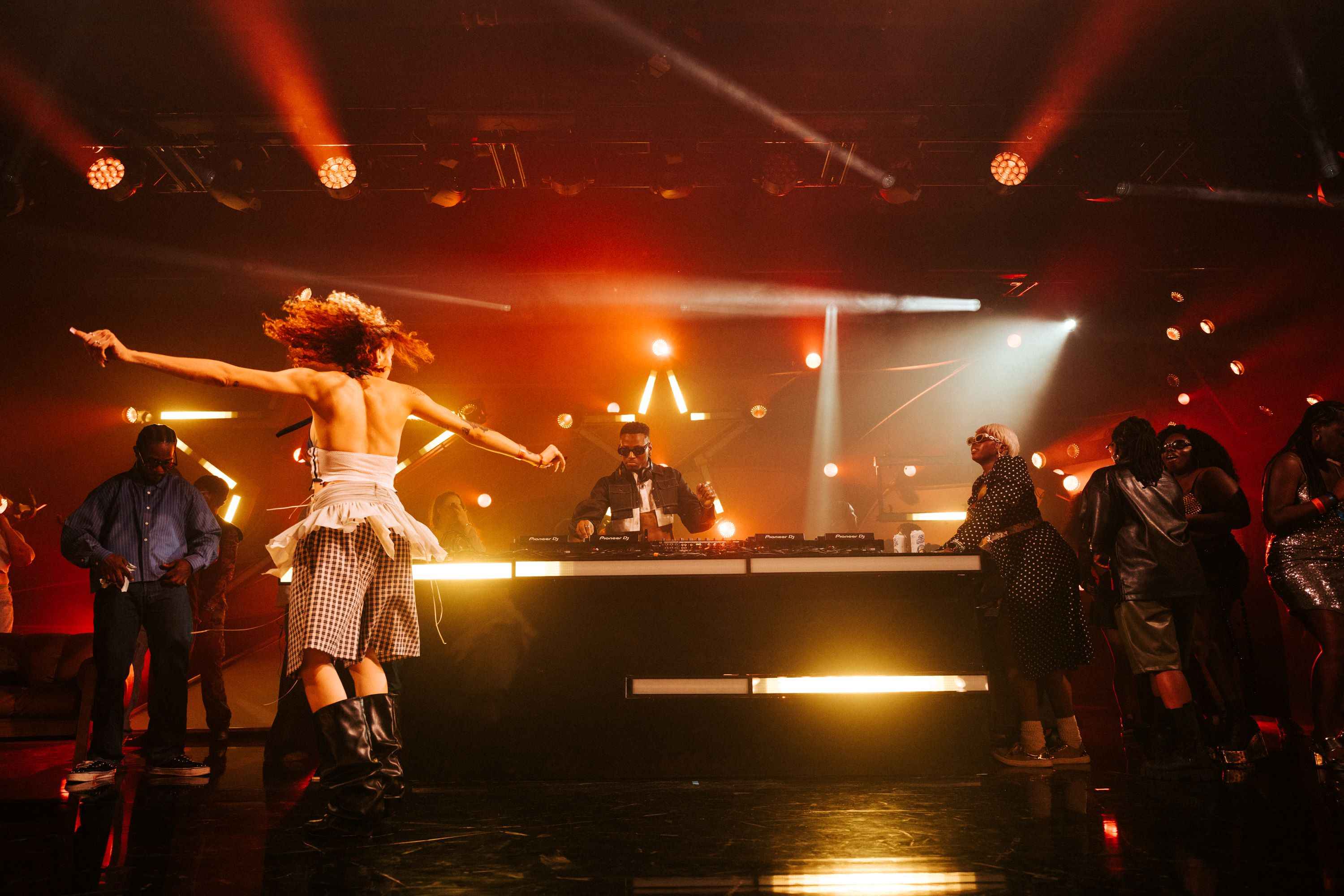
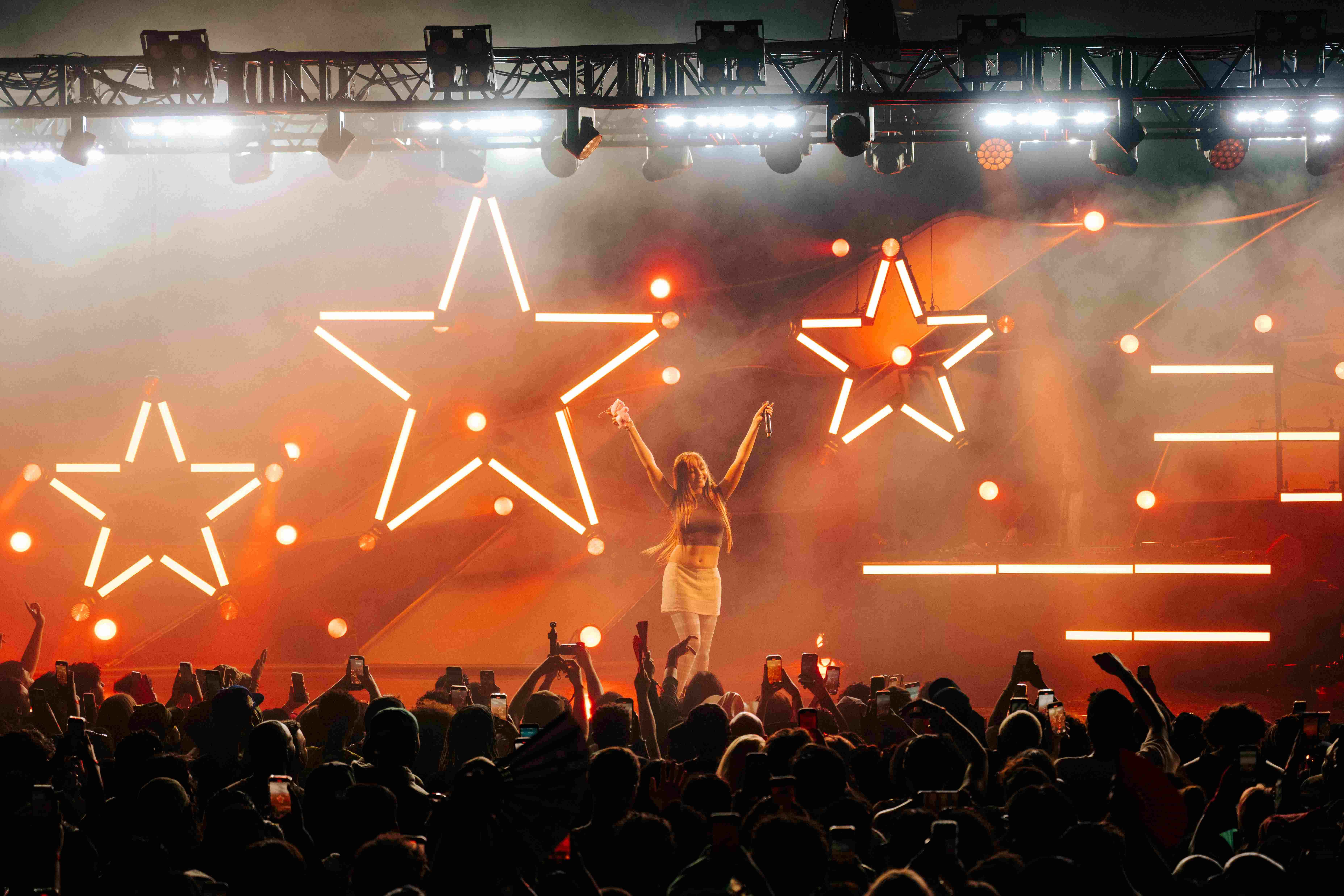
Timed just days ahead of Coachella—the cultural high point of California’s music and festival calendar—the LA event gathered 4,000 guests from around the world, turning H&M’s celebration into a headline moment of the season.
The format continued the global tour’s open, festival-like approach, as seen in previous stops across New York, London, Paris, and Stockholm. Dual stages, club spaces, immersive sound, and visual art installations helped transform the evening into an experience rather than a fashion presentation. The lineup featured genre-crossing acts including Doechii, Robyn, Jamie xx, PinkPantheress, and SAILORR, delivering the kind of diverse, creative energy that has defined the tour’s identity.
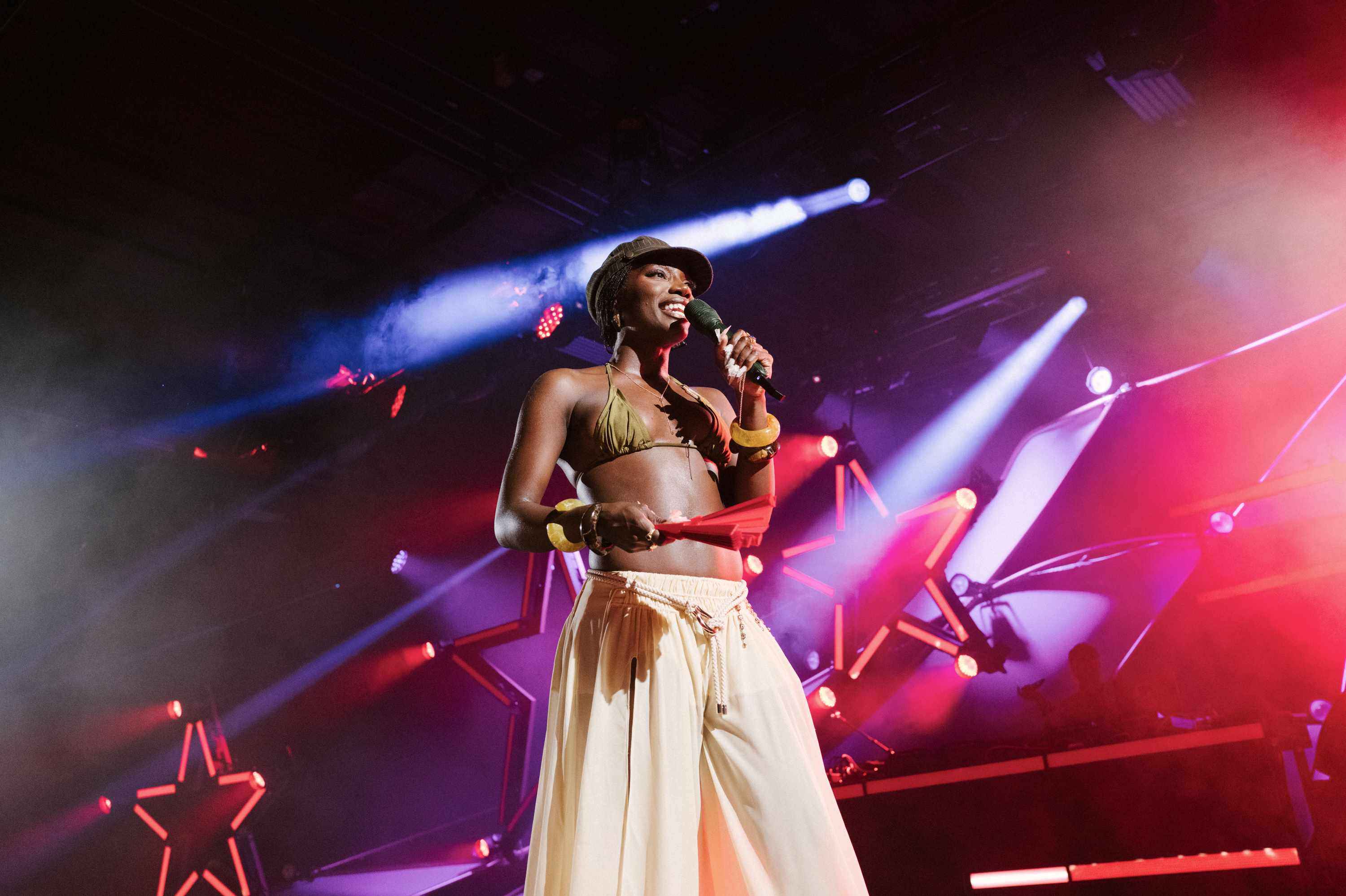
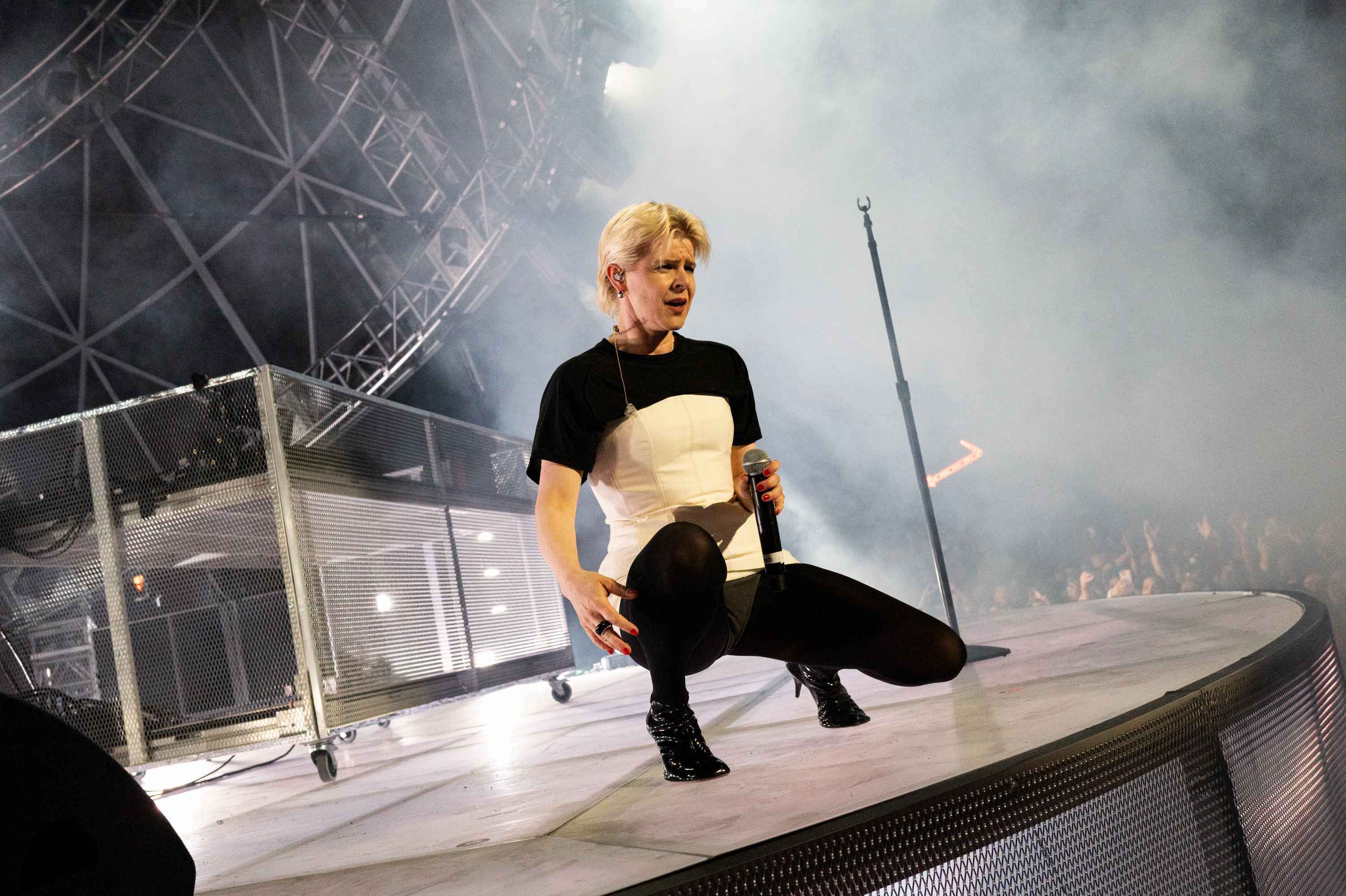
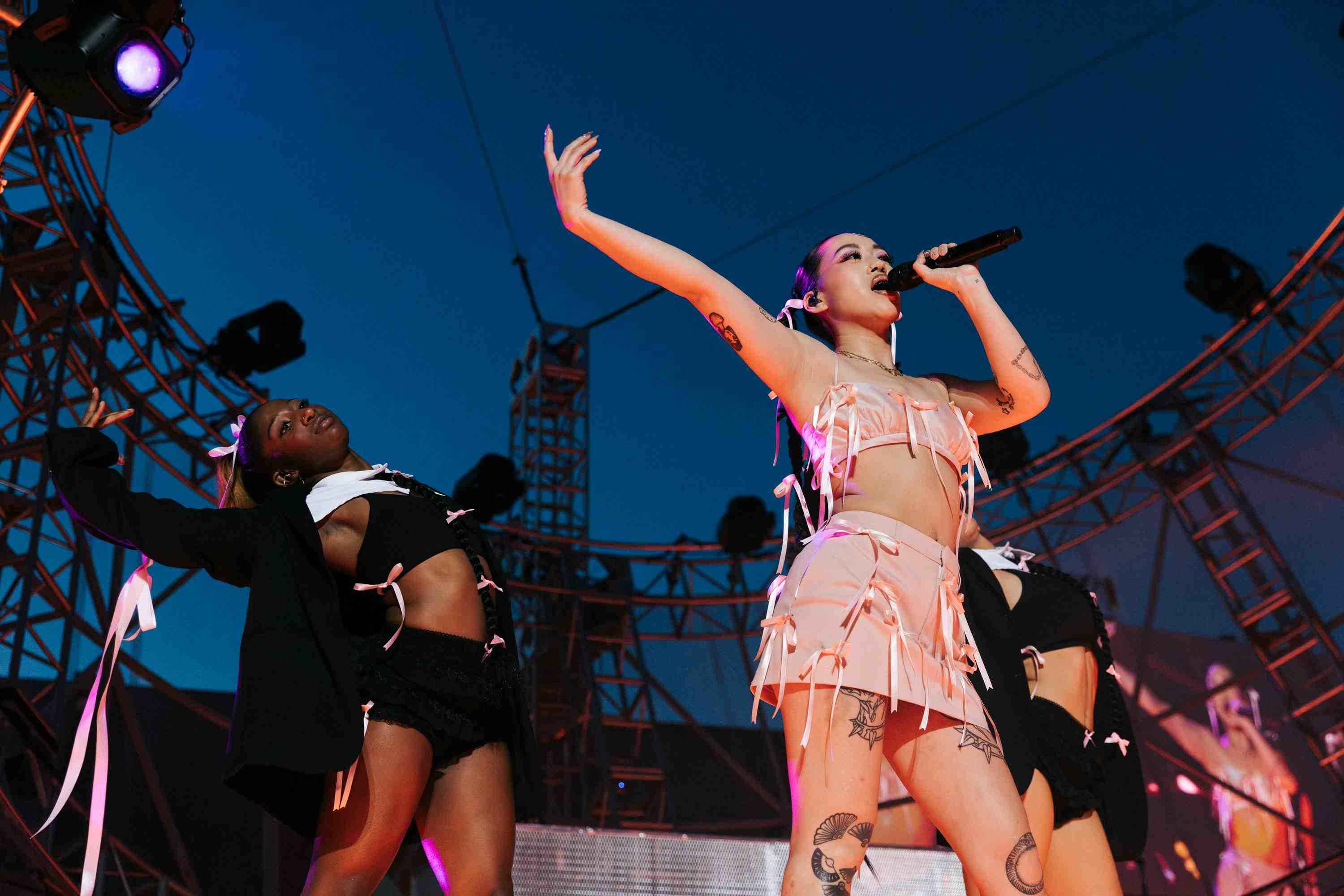
At the global media welcome, H&M Creative Director Jörgen Andersson remarked: “With this event, we wanted to offer a heartfelt tribute to the creative capital of Los Angeles. This celebration is a reflection of our passion for fashion, music, joy, and the spirit of community—that’s what H&M is all about.”
The same day also marked the second drops of H&M’s Spring/Summer 2025 collection. Designed with music history as its creative anchor, the collection mixed the rebellious edge of rock culture with glam rock and neo-romantic details. The second release leaned into soft, Bohemian silhouettes with sun-drenched hues and minimalist lines—striking a balance between retro spirit and modern elegance.
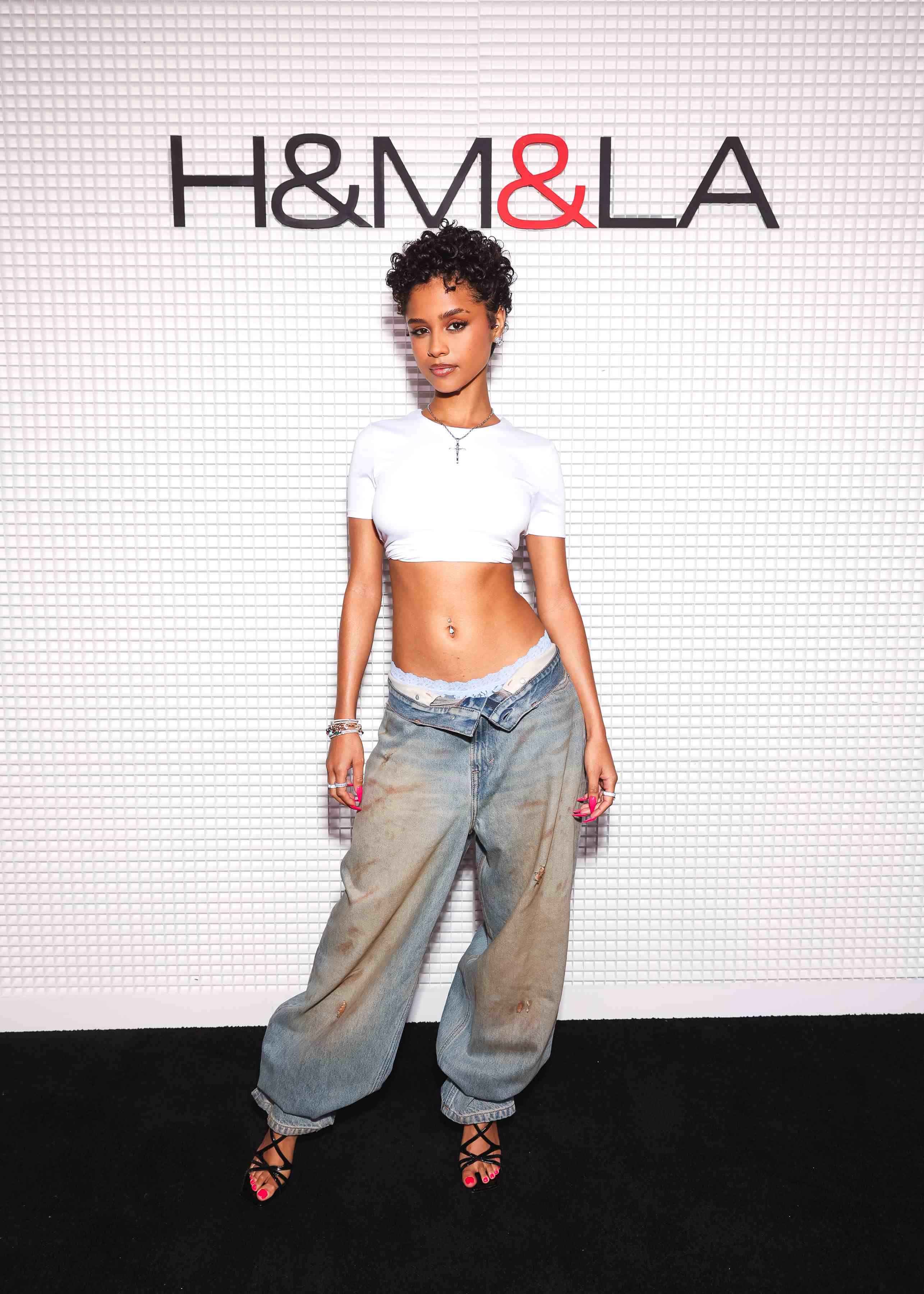
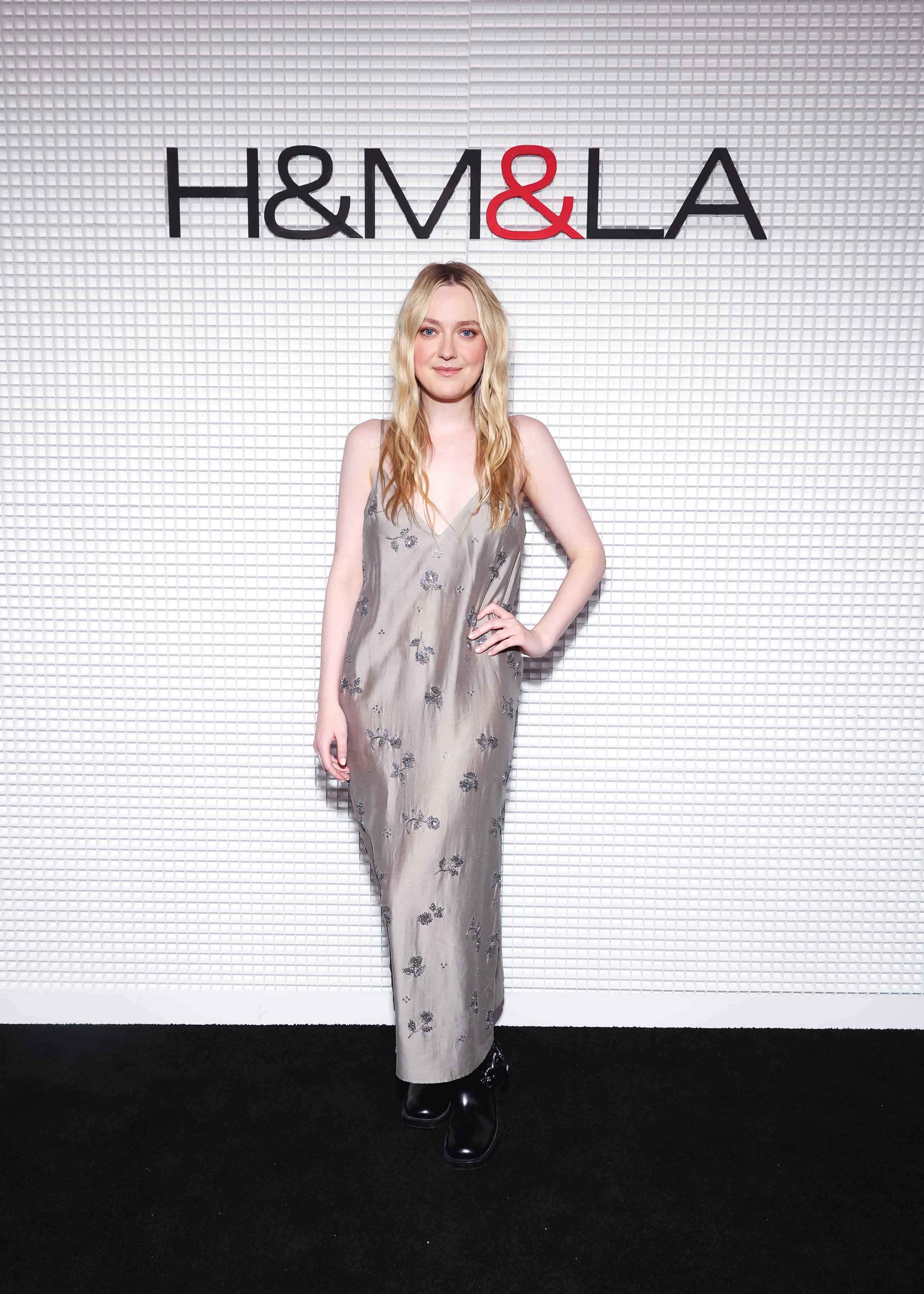
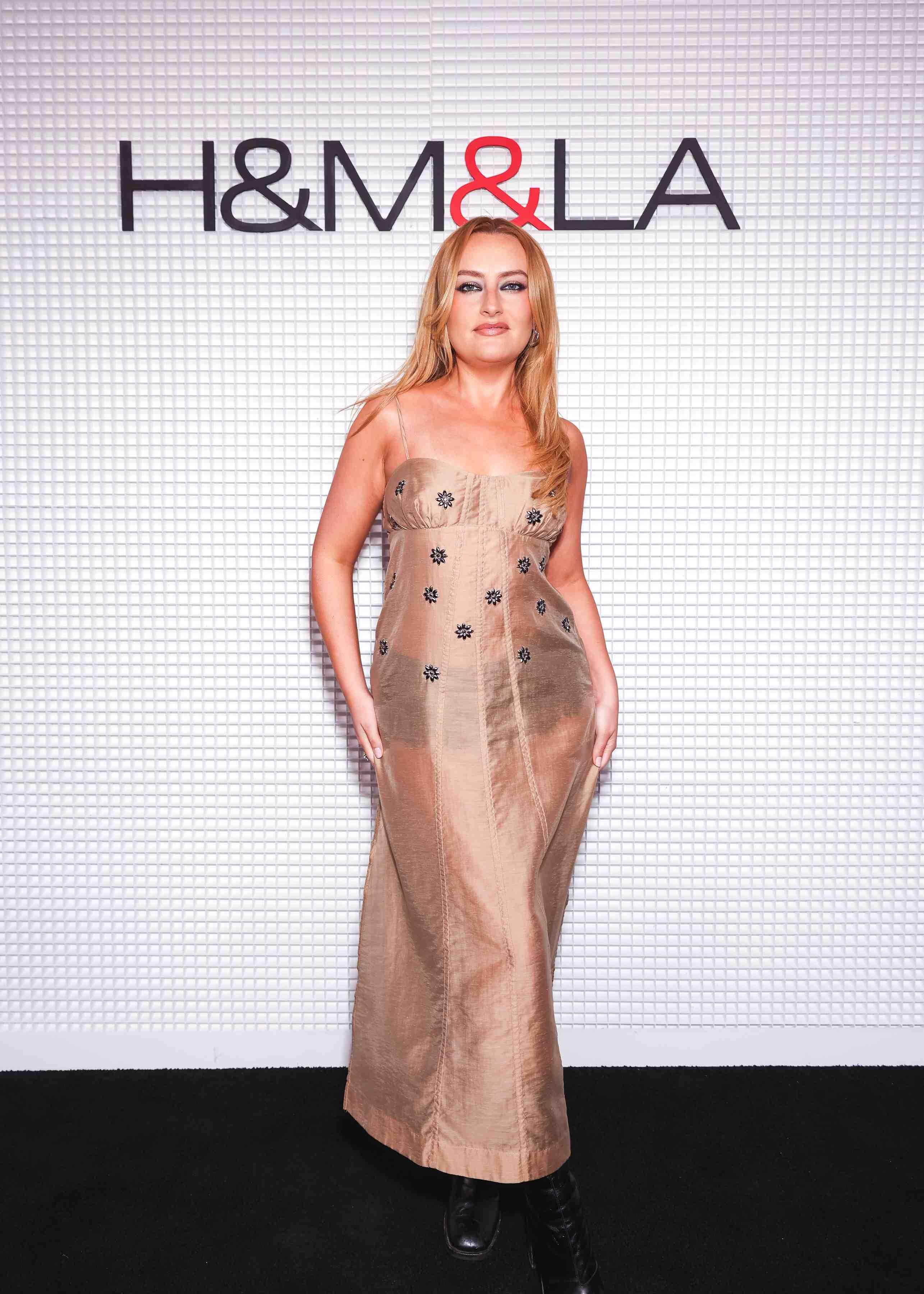
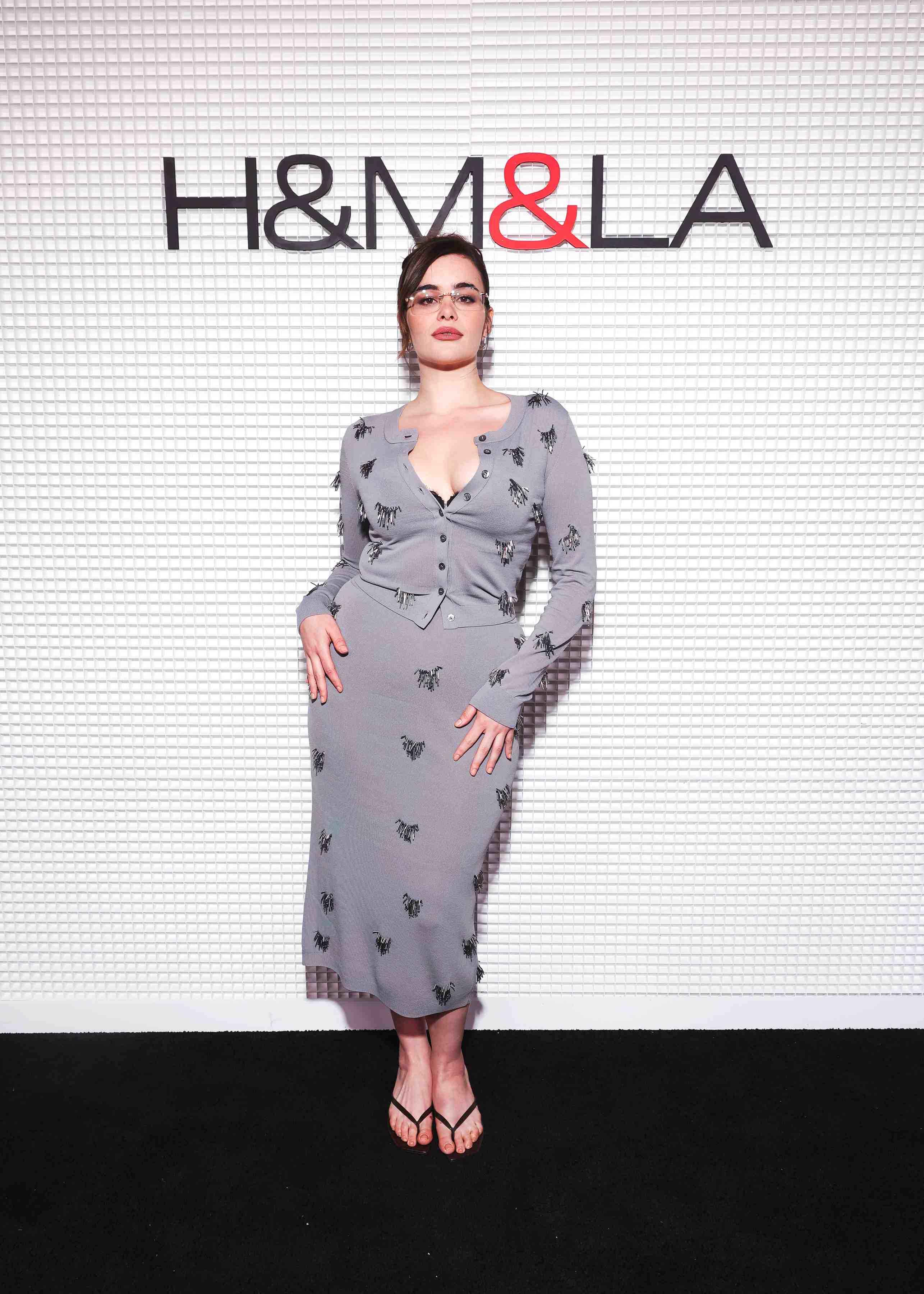
Yet even as fashion was woven into the event, the night belonged to the music. There was no product-focused push, no sales-driven displays. Instead, H&M chose to trust in the emotional power of experience—letting the joy of the moment become its most effective brand statement.
The logic behind this is simple: when people are immersed in an environment that triggers joy, connection, and emotional highs, they naturally form a lasting bond with whoever created that moment. It’s a strategy rooted not in fast gains, but in emotional depth.
It’s also a strategy that requires patience—and a brand with the confidence and cultural relevance to invest in the long game.
While H&M may now be formally emphasizing its identity as a fashion brand, for many consumers—particularly in China—that identity was already clear. H&M has long been part of the everyday fashion conversation, playing a key role in democratizing design through its iconic designer collaborations.
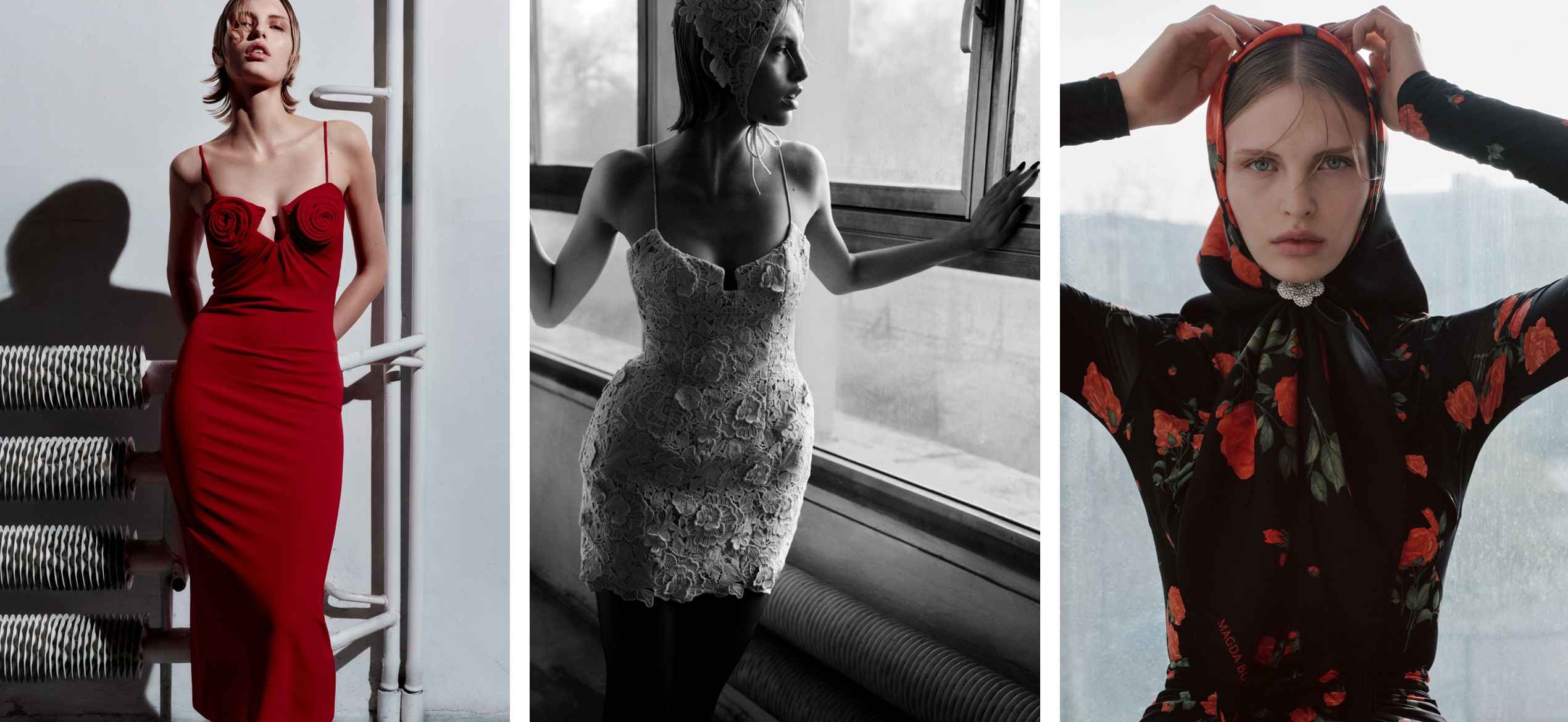
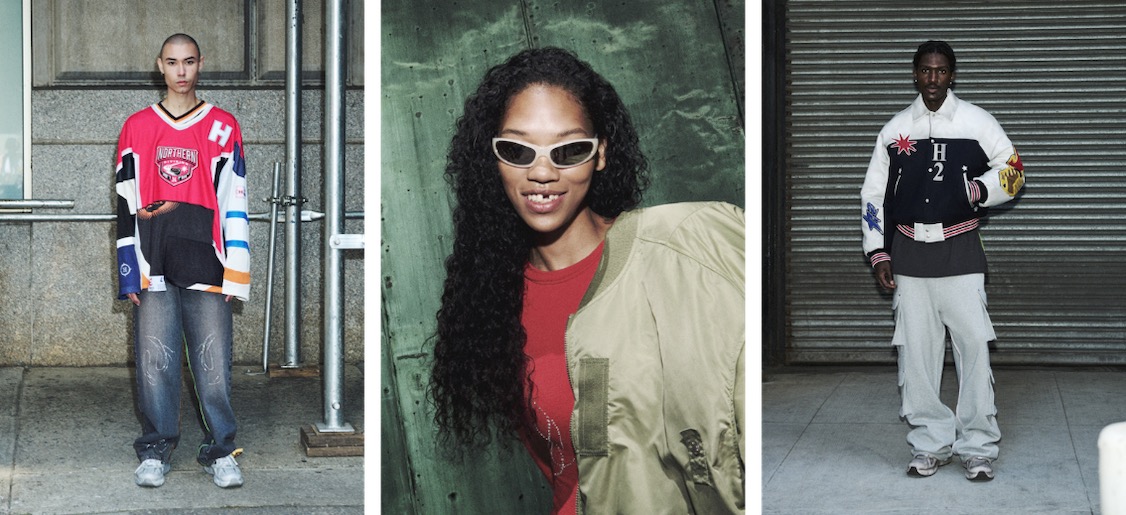
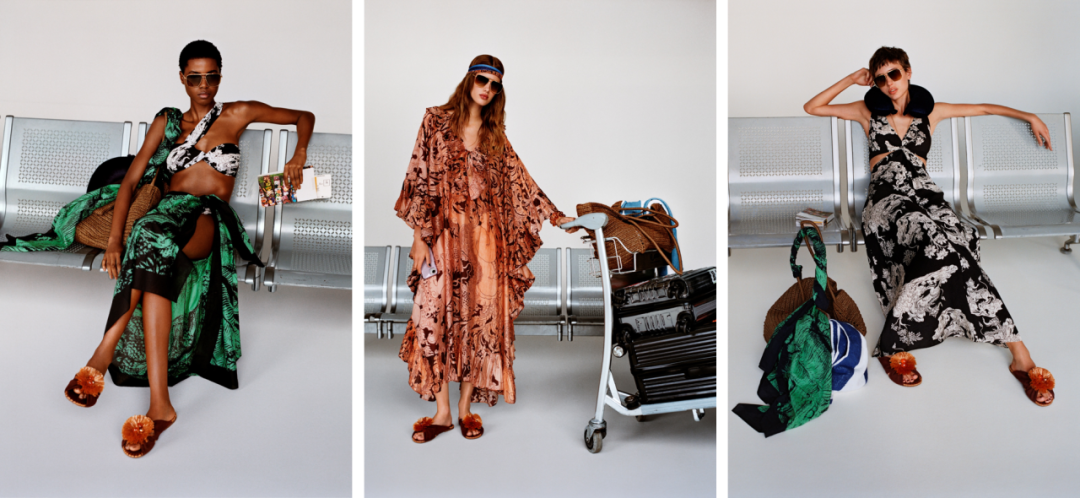
If fashion magazines introduced Chinese consumers to high fashion, brands like H&M helped many build their everyday fashion wardrobes. In this sense, H&M doesn’t need to rebrand itself so much as clearly articulate what it has always represented.
And while regulatory barriers may prevent the brand from replicating its music parties in mainland China for now, this hasn’t stopped H&M from ramping up its local operations and deepening its commitment to the Chinese market.
Since 2023, H&M has been actively strengthening its footprint across both digital and physical channels in China, signaling its ambitions to deepen its connection with the market.
The brand’s online presence has expanded significantly with launches on JD.com, Pinduoduo, and Douyin E-commerce—building on its existing platforms including the official website (hm.com), App, WeChat Mini Program store, and Tmall. Together, these channels now form a comprehensive digital ecosystem designed to reach Chinese consumers wherever they are.
On the ground, H&M’s retail presence has been equally assertive. In May 2024, the brand reopened its Shanghai flagship on Nanjing East Road’s Joy City Plaza. It also strengthened its ties with Shanghai Fashion Week, introducing a new collaboration program with Chinese designers—another step toward embedding the brand within the local creative community.
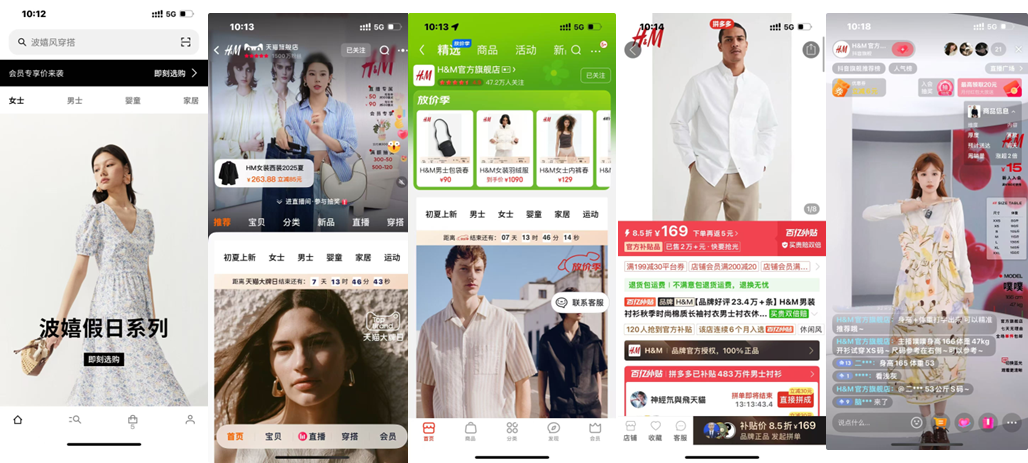
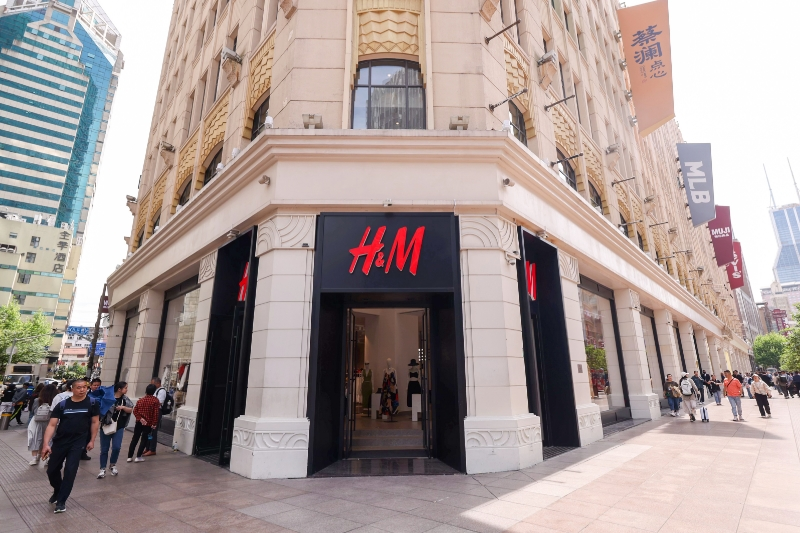
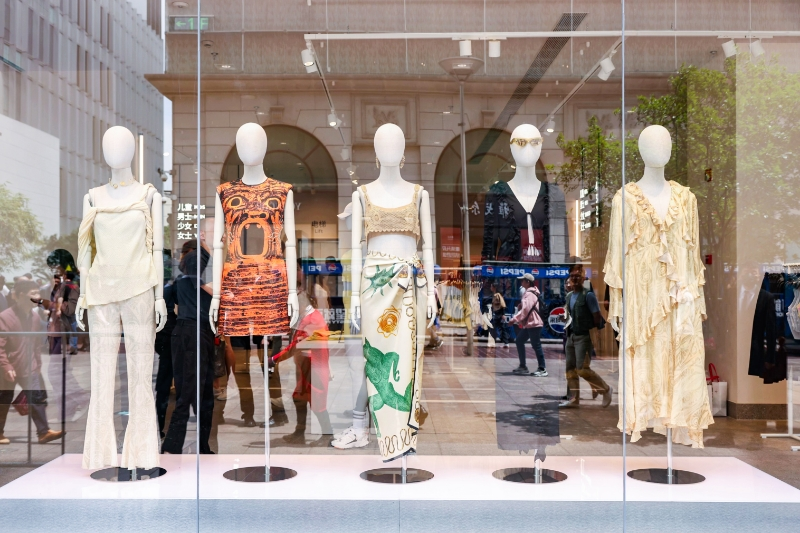
Crucially, H&M has placed China at the forefront of its global product launches. When the second drops of its Spring/Summer 2025 collection was unveiled at the Los Angeles music party on April 9 (local time), the new pieces were made available to Chinese shoppers across all official channels the very next day.
Through this approach, H&M has shown it understands how to build authentic connections with local consumers, culture, and creative communities.
“Our mission in China is to deliver high-quality, affordable fashion that empowers self-expression,” said Saed El-Achkar, Regional manager of Greater China at H&M. “Guided by our customer-first philosophy, we remain committed to deepening our roots here and offering Chinese consumers a seamless, enriching shopping experience across every touchpoint.”
Meanwhile, as music echoed across Los Angeles, Shanghai’s Huaihai Road commercial district saw the quiet reveal of H&M’s next big move: a vibrant red facade teasing the arrival of “House of H&M,” the brand’s first-ever experiential space in China. According to the company, the new concept aims to go beyond traditional retail—offering an immersive, interactive environment designed to elevate the customer journey and reinforce H&M’s ethos of “fashion for all.”
Despite China currently representing just around 3% of H&M Group’s global sales, both the company’s leadership and local team remain confident in the market’s long-term potential. And as each new initiative takes shape, it’s clear that Chinese consumers stand to gain the most.
A full-scale H&M music festival in Beijing or Shanghai may not be on the horizon just yet—but the brand seems determined to keep finding fresh and culturally resonant ways to surprise and engage its audience.












 Scan this QR Code with WeChat
 WeChat
 Email
Email Share
Share
 Favorites