简体中文
简体中文

- FEATURE
- |
- MERGERS & ACQUISITIONS
- |
- FINANCIAL
- |
- MARKETING
- |
- RETAIL
- |
- ESG-SUSTAINABILITY
- |
- LIFESTYLE
- |
-
MORE




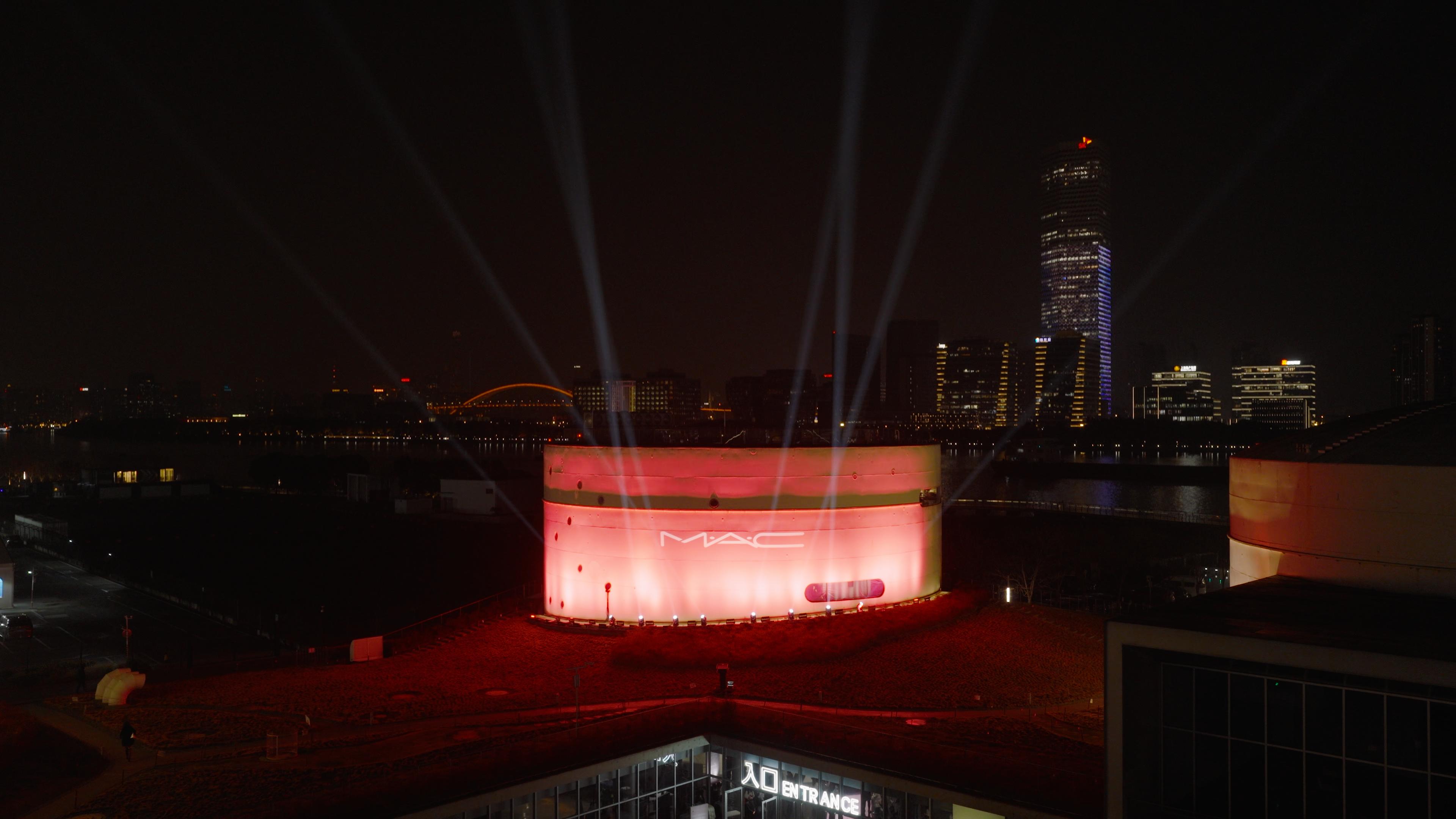
On January 8, M·A·C Beauty deepened its footprint in the Chinese market with the unveiling of its latest PowderKiss collection through an immersive exhibition at Shanghai’s Tank Art Center.
The event offered a sensory journey into the brand’s refined vision of matte beauty, defined not by heaviness but by breathability, softness, and emotional resonance.
While lipstick launches are nothing new, M·A·C’s strategy went far beyond product display. The exhibition fused sight, touch, scent, and sound to create a full-bodied experience of “lightness”: from the velvet-covered entry hall to the botanical-infused air, from the hushed acoustics to the barely-there lighting effects. Visitors were ushered into a carefully staged progression—from discovering the new textures to encountering full shade families, before entering a soft-lit zone where they could trial the products and mirror their own transformation. The goal: to ground the PowderKiss concept not in opacity or drama, but in effortless self-expression.
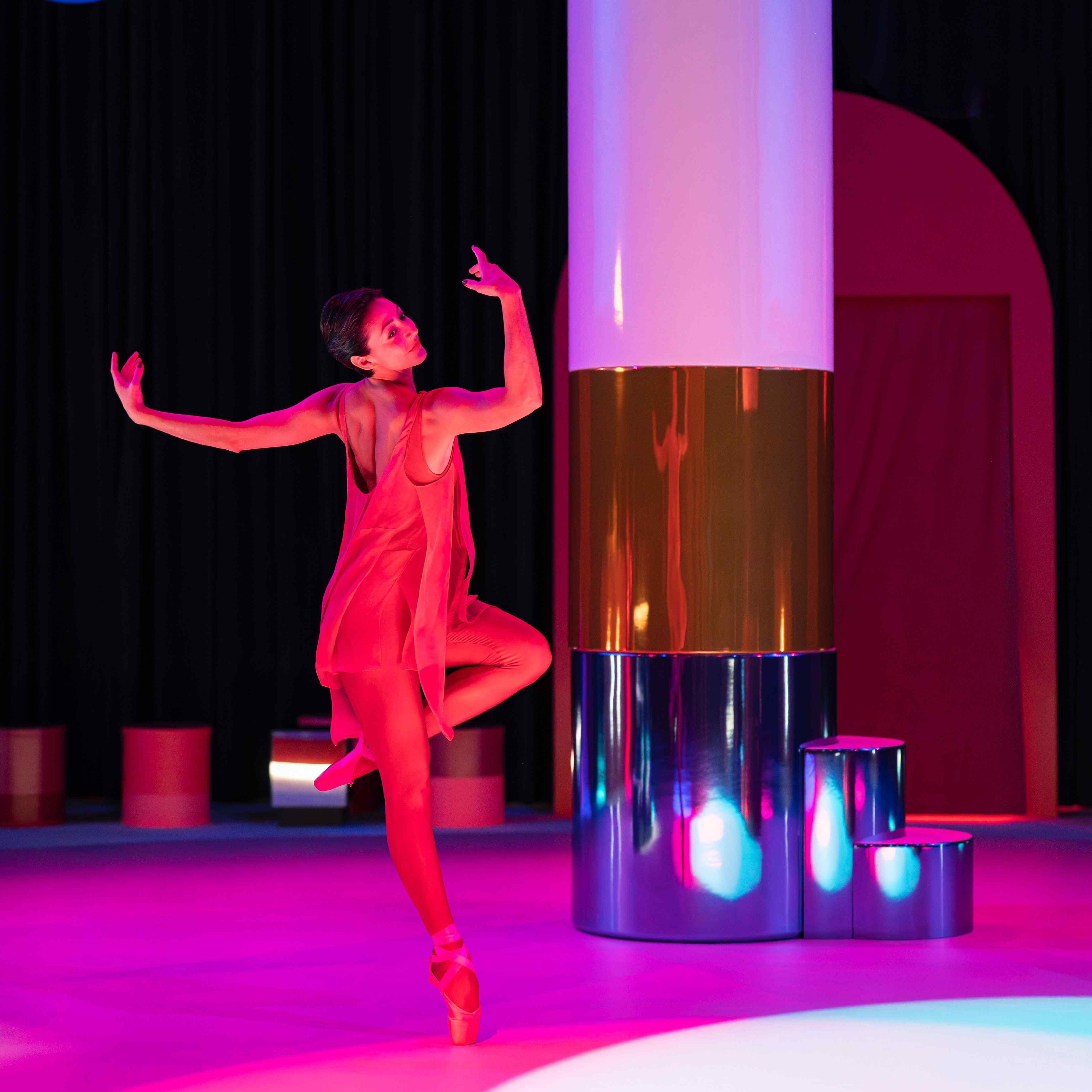
Positioning itself at the crossroads of performance, culture, and cosmetics, M·A·C also used the event to stage a highly visual live show. K-pop star and M·A·C global ambassador ELLA made her in-person debut at a brand event in China, while a trio of Chinese celebrities—actress Song Yanfei, singer-actress Wang Feifei, and singer Yao Xiaotang—added star power. Their live sets were designed to echo the ethos of the new lip range: light but impactful, expressive yet easy to wear.
M·A·C also used this moment to reveal the full scope of the new range: lipsticks and glosses inspired by soft-focus aesthetics and designed to feel lighter, wear smoother, and hydrate better than previous formulations.
In recent years, global beauty brands have increasingly turned to immersive, sensorial storytelling to localize their appeal in China’s competitive color cosmetics space. M·A·C’s exhibition wasn’t just a product showcase—it was a strategic play to reaffirm the brand’s cultural relevance among Chinese Gen Z and beauty-forward audiences, positioning “lightness” not as absence, but as a powerful new form of expression.













 Scan this QR Code with WeChat
 WeChat
 Email
Email Share
Share
 Favorites