简体中文
简体中文

- FEATURE
- |
- MERGERS & ACQUISITIONS
- |
- FINANCIAL
- |
- MARKETING
- |
- RETAIL
- |
- ESG-SUSTAINABILITY
- |
- LIFESTYLE
- |
-
MORE




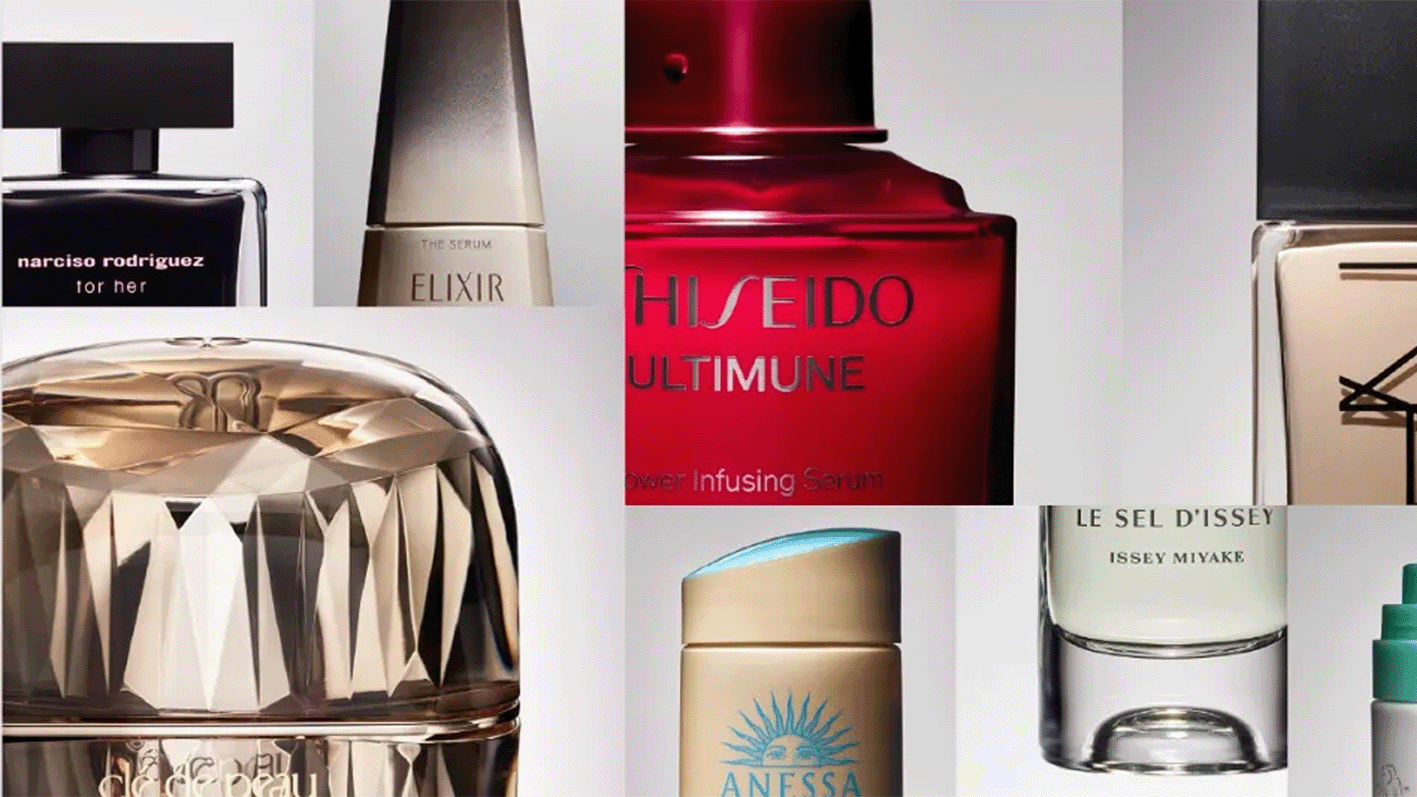
Just like exhausted workers stuck in their routines, big corporations, after years of effort, are beginning to venture out from the major cities—like Beijing, Shanghai, Guangzhou, and Shenzhen—and are looking toward smaller cities that could offer new opportunities. Shiseido is one such example.
In a recent interview, Shiseido Group CEO Kentaro Fujiwara shared: “There are still many million-population cities in China waiting for us to explore. Currently, our sales network is mainly focused on Beijing and Shanghai, but we plan to expand to mid-tier cities in the inland areas. We intend to open stores in large shopping malls in these cities to increase brand awareness, which will in turn drive online orders from consumers.”
While cities in China are often categorized by GDP, the country’s enormous population means there’s no “small market” for international giants. The idea of “lower-tier markets” is simply about adjusting marketing strategies. In 2013, L’Oréal’s Lancôme began making inroads into lower-tier cities, and in 2024, they opened counters in cities like Changji, Xinjiang and Rui’an, Zhejiang.
From Shiseido’s WeChat mini-program, we can see that the brand has entered 120 cities across China, including places like Daqing in Heilongjiang and Liyang in Jiangsu. Meanwhile, its prestigious brand Clé de Peau Beauté, praised in the group’s financial report for its stellar performance in China, has opened counters in over 40 cities, including Yancheng, Jiangsu and Handan, Hebei.
While Shiseido is actively expanding its channels, it is also making significant moves in brand development.
After withdrawing brands like BAUM in July and d program in December of last year, the group quietly shut down its Tmall flagship stores for Sidekick, which aimed at Asian Gen Z men, and Effectim, a luxury beauty tech brand developed in collaboration with YA-MAN. All products from these brands have been removed from various platforms.
Although these brands launched with high expectations, they ultimately failed to make an impact in China. Sidekick, a mid-to-high-end brand, couldn’t break through the intense competition from Biotherm, Simpcare, CeraVe, and Freeplus, while Effectim, which promoted a “beauty device + serum” concept, was poorly timed, coinciding with new regulations in beauty device and controversies surrounding the Japanese beauty industry. For the group, retreating and reallocating resources was the right move.
While Shiseido is expanding its presence into new territories, it is also making sharp cuts to streamline and focus its efforts. This marks a departure from the traditionally conservative approach that has long defined Japanese companies. Shiseido has started to embrace a more assertive strategy. One could say, market pressure is indeed the best catalyst for corporate transformation.
















 Scan this QR Code with WeChat
 WeChat
 Email
Email Share
Share
 Favorites