简体中文
简体中文

- FEATURE
- |
- MERGERS & ACQUISITIONS
- |
- FINANCIAL
- |
- MARKETING
- |
- RETAIL
- |
- ESG-SUSTAINABILITY
- |
- LIFESTYLE
- |
-
MORE





On April 10, the Prada Group announced it would acquire full ownership of Versace’s holding company, GIVI Holding S.r.l., from Capri Holdings for €1.25 billion. The deal will bring Versace under Prada’s growing portfolio, with completion expected later this year.
The industry had been whispering about the potential deal since January, with speculation intensifying in February around whether Prada might also acquire Jimmy Choo. But with no confirmation from either side and fluctuating rumored valuations—from €3 billion to €1.5 billion—the eventual price tag came in well below expectations, suggesting lengthy negotiations and plenty of second-guessing along the way.
Prada may be eager to scale up, but its cautious approach and tough bargaining reflect the realities of today’s uncertain financial climate. Acquisitions are risky, especially in a luxury market buffeted by geopolitical tension and shifting consumer sentiment. Investors were initially skeptical—the company’s share price faltered after early rumors. But the official announcement flipped the narrative: shares jumped 5.7%, bringing Prada’s market cap to around HKD 129.4 billion.
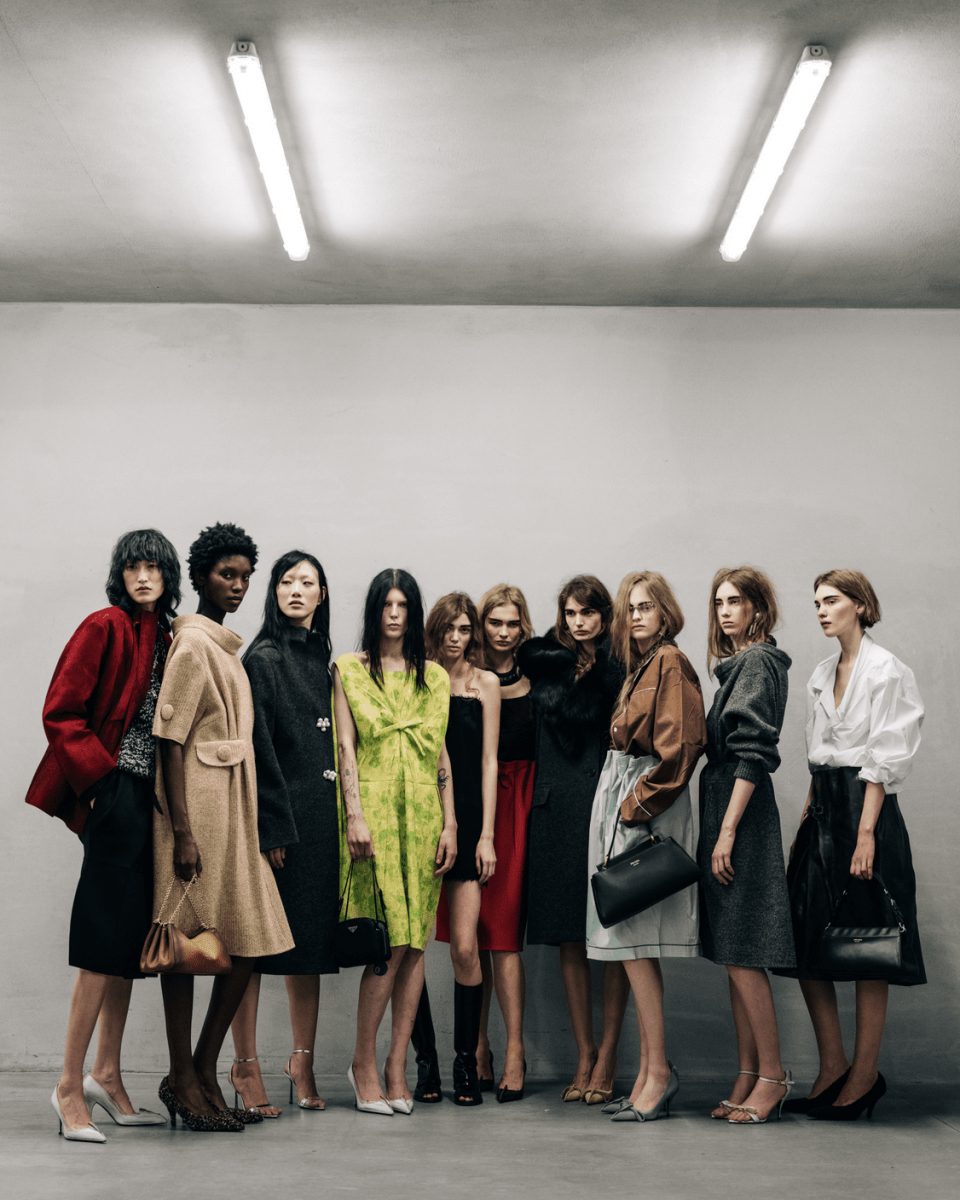
At a media briefing, Lorenzo Bertelli—Chief Marketing Officer, Head of Corporate Social Responsibility, and the son of Miuccia Prada and Patrizio Bertelli—addressed the skepticism. He acknowledged the stylistic contrast between Versace and Prada’s existing brands but saw this as an asset rather than a liability. The brands target different audiences, meaning Versace opens up new market opportunities. In return, the brand will benefit from Prada’s expertise in creative direction, supply chain, and global distribution.
CEO Andrea Guerra echoed this view, calling the acquisition “a new and complementary perspective” for the group. Still, he was candid: brand revival takes time, discipline, and patience—and luxury is a business that rarely offers quick wins.
Would Prada micromanage Versace? Lorenzo Bertelli said no. The group plans to take a light-touch approach, drawing on the successful playbook used to reinvigorate Miu Miu.
Notably, Dario Vitale—Versace’s new creative director, who replaced Donatella Versace—is a former designer at Miu Miu and played a crucial role in its explosive growth in recent years.
When Vitale’s appointment at Versace was announced, some analysts speculated that he was strategically placed by Prada to facilitate the acquisition. However, Prada denied this at the media briefing, stating that Vitale’s move was a personal career choice and unrelated to the group.
After the deal closes, Prada Group plans to allocate part of the financing to pay for the acquisition and the rest to rebuilding Versace.
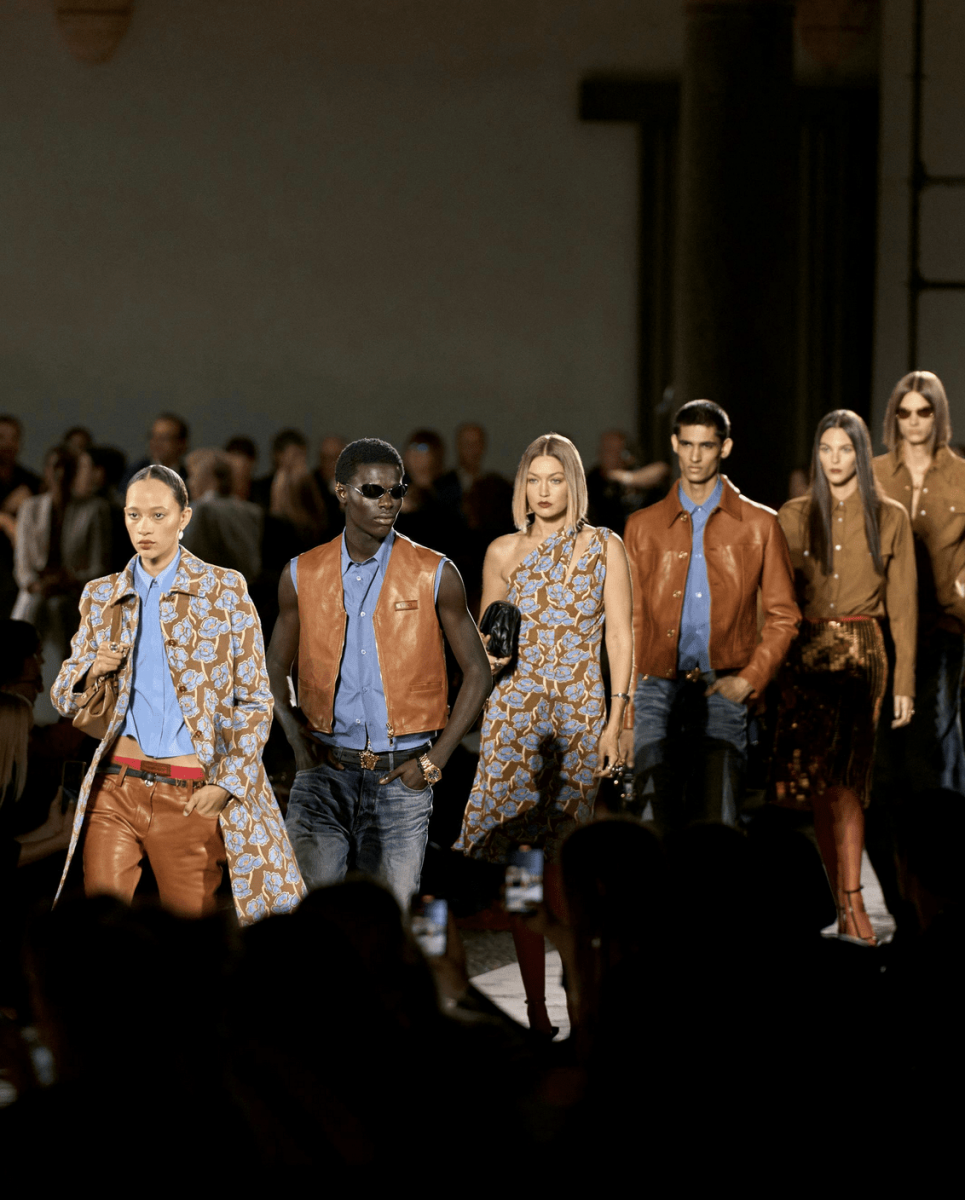
The announcement helped answer many of the market’s concerns, making the acquisition seem more logical. Pauline Brown, former Chairwoman of LVMH North America, told Yahoo Finance that Miuccia Prada and Patrizio Bertelli have long dreamed of building the Italian version of LVMH. “In my view, this is a smart move. It gives Prada Group greater depth and breadth in Italian fashion and strengthens its position in global luxury.”
But the concerns haven’t disappeared.
The first thing is, Prada lacks a successful acquisition track record. In the late 1990s and early 2000s, it aggressively pursued acquisitions: Helmut Lang, Jil Sander, Church’s, Azzedine Alaïa, Car Shoe, and owning 25.5% of Fendi. Yet, the group later exited most of these brands—parting ways with Lang and Sander after conflicts with their founders, selling its Fendi stake to LVMH, and eventually seeing Alaïa bought by Richemont. Though Prada still owns Car Shoe and Church’s, both remain marginal players within its portfolio. Church’s has only gained attention recently due to collaborations.
From this, it’s clear Prada has limited success operating external brands. Even minimalist brands like Lang and Sander failed to stay aligned with the group, prompting questions over whether Versace—with its bold, maximalist aesthetic—can truly integrate with Prada’s restrained DNA. Otherwise, this may again prove to be a one-sided alliance.
While the ambition to build an “Italian LVMH” may be good for Italy’s fashion scene, the challenge is immense for Prada itself. Its namesake brand has shown relatively modest growth in recent years, especially when compared to the meteoric rise of Miu Miu.
As ConCall noted in a previous article, “Prada’s Win Comes Thanks to Miu Miu,” the group’s standout performance was largely driven by Miu Miu, which has shocked analysts with its rapid ascent. While it’s still smaller than Prada, investors in the luxury sector favor strength and momentum, and Miu Miu has both.
Therefore, rather than expanding outward, Prada Group might be better off focusing on boosting Prada’s growth and stabilizing Miu Miu’s momentum. But since it’s committed to buying Versace, the challenge now lies in balancing the growth of all three brands. Versace’s revival will be a long journey, and whether Prada can create new hits and Miu Miu can sustain its success are the pressing questions ahead.
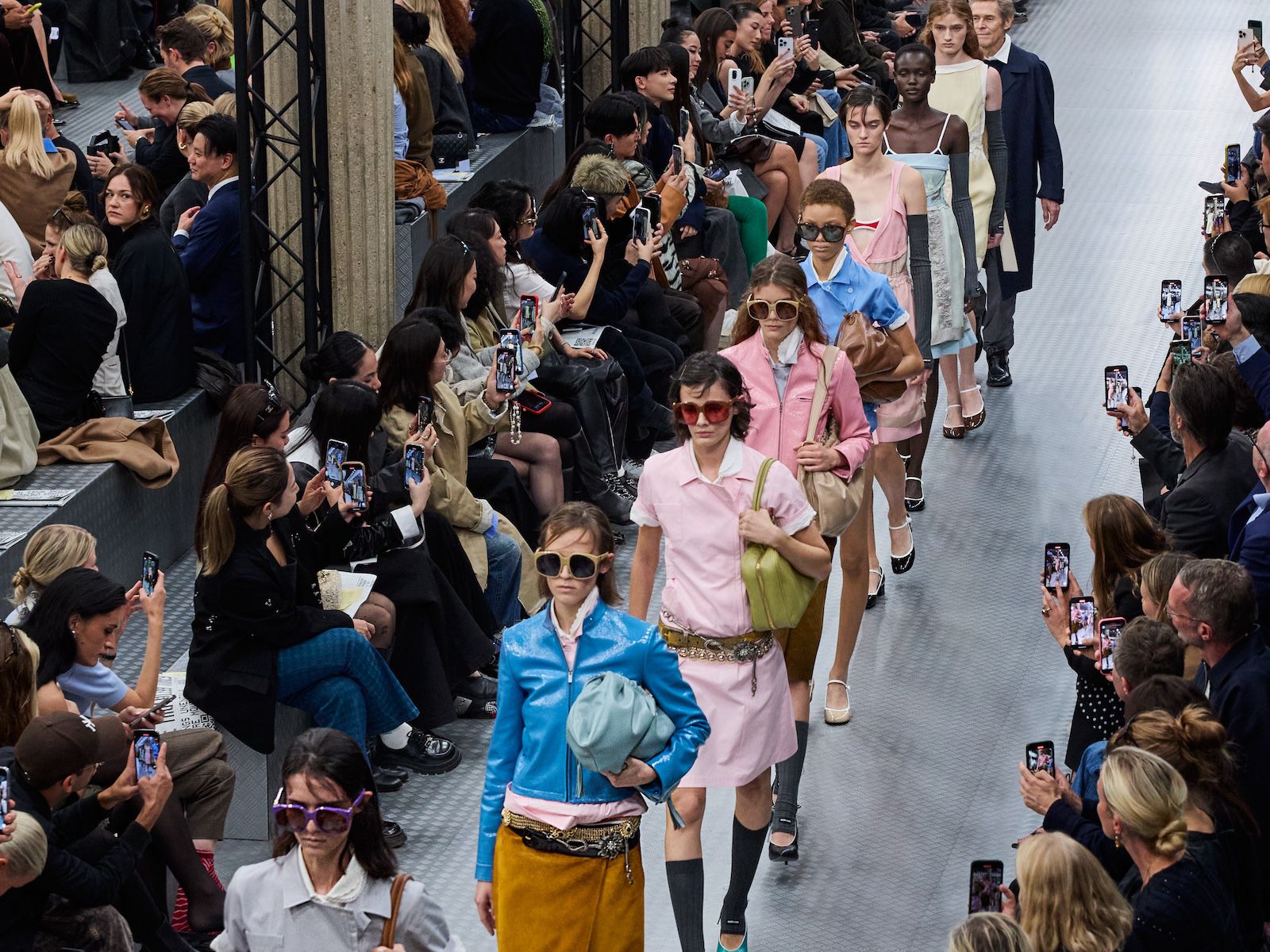
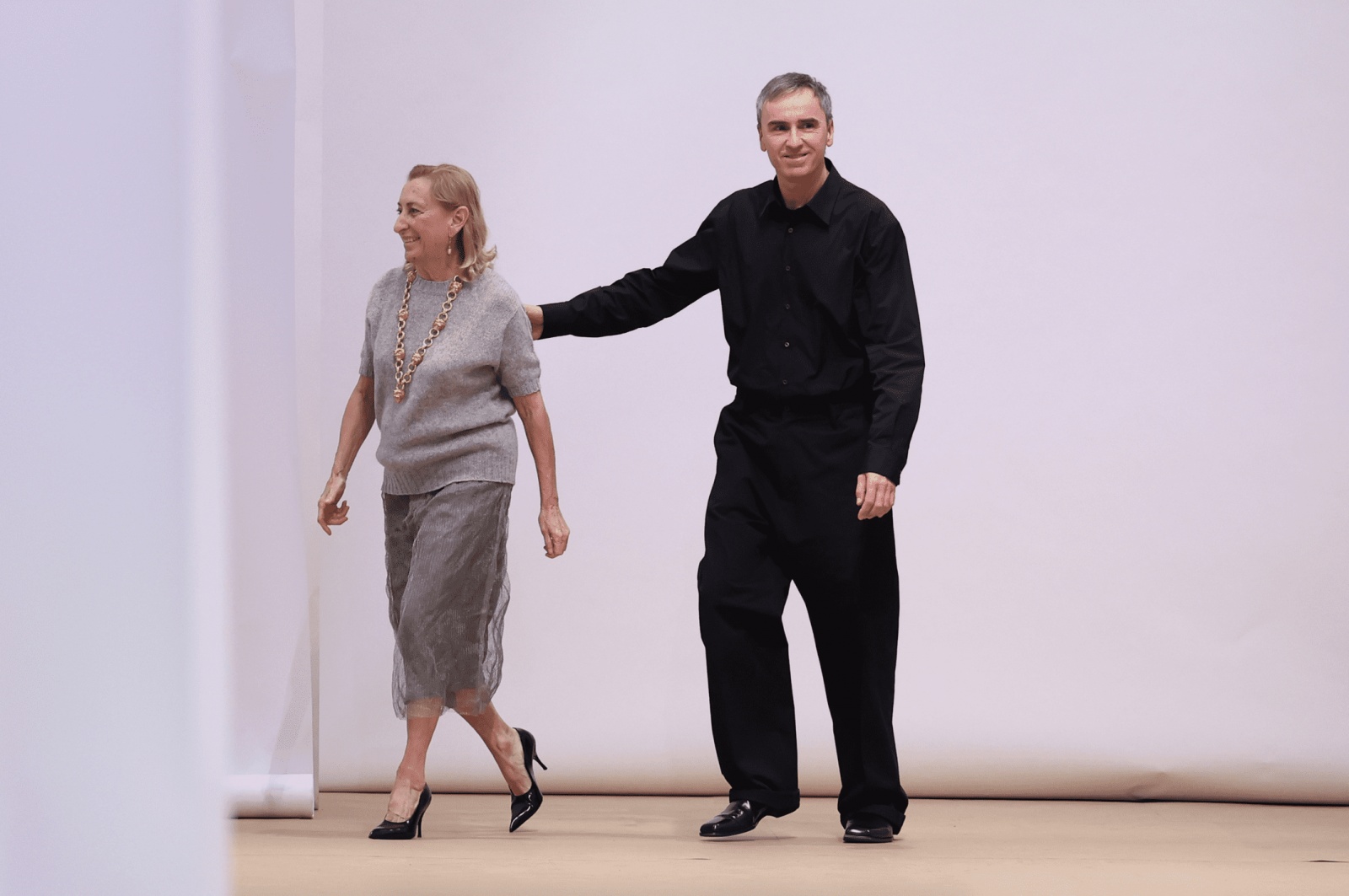
Miuccia Prada, now 75, is expected to retire soon. Whether external talents like Raf Simons, Paul Surridge, and Clémande Burgevin Blachman can inherit her future-forward creative spirit is another major uncertainty—especially as creativity remains Prada and Miu Miu’s biggest asset.
From Capri Group’s perspective, selling Versace for approximately $1.38 billion represents a loss of around $700 million from its 2018 acquisition price. Still, the move allows it to cut losses and refocus on its core brand, Michael Kors. Bernstein analyst Aneesha Sherman even suggested that Capri should consider selling Jimmy Choo as well.
Versace’s underperformance is the main reason Capri was eager to offload the brand. In its Q3 FY25 report, Versace’s revenue dropped 15% year-on-year to $193 million, with total revenue for the first three quarters at just $613 million and a net loss of over $40 million. This dragged down Capri’s overall Q3 results: revenue fell 11.6% year-on-year to $1.26 billion, with a net loss of $547 million.
Initially, Capri envisioned Versace as a $2 billion brand. But a series of strategic missteps—such as relying too heavily on print-heavy marketing and pivoting abruptly to “quiet luxury” with steep price hikes—backfired. The brand alienated middle-tier consumers and failed to win over wealthy shoppers.
To address this, Versace has begun cutting prices and reintroducing classic prints. Bloomberg reported that some silk shirts will drop from $1,500 to $990, and the Galaxia sneakers will retail from $550.
Over-licensing and a bloated wholesale network have further diluted Versace’s image, and the brand’s over-reliance on reissues rather than fresh hits hasn’t helped either.
Now, Prada’s most urgent task post-acquisition will be recalibrating Versace’s product, marketing, and brand strategy. Acquiring Versace may represent an effort at “Italian brand solidarity,” but successfully managing a brand so culturally and stylistically different from Prada and Miu Miu will be the group’s biggest test yet.















 Scan this QR Code with WeChat
 WeChat
 Email
Email Share
Share
 Favorites