简体中文
简体中文

- FEATURE
- |
- MERGERS & ACQUISITIONS
- |
- FINANCIAL
- |
- MARKETING
- |
- RETAIL
- |
- ESG-SUSTAINABILITY
- |
- LIFESTYLE
- |
-
MORE




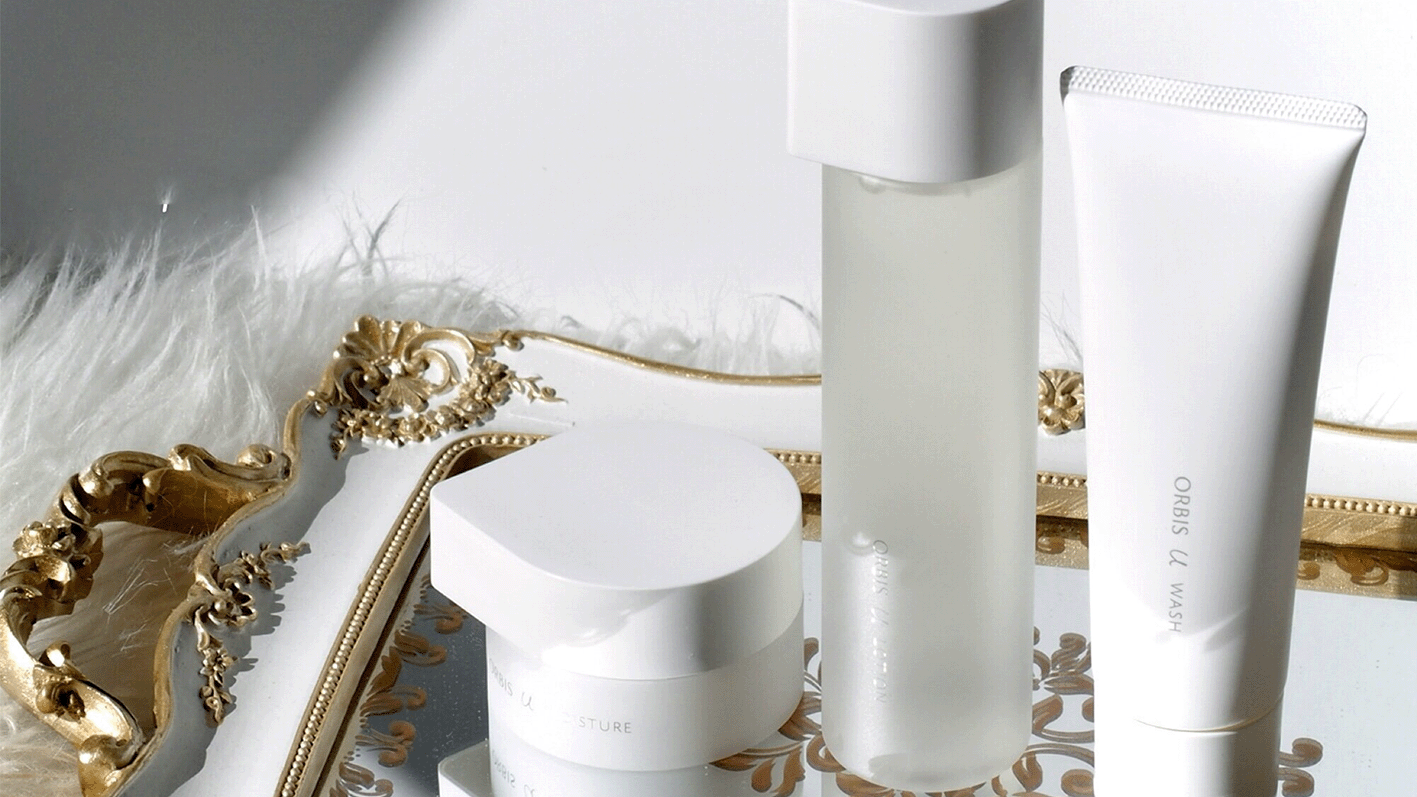
POLA ORBIS HOLDINGS INC.(Pola Orbis) has announced it will dissolve its Beijing-based subsidiary, Orbis Beijing Inc. (Orbis Beijing), in a long-overdue move that reflects deeper structural troubles in the group’s China strategy. The announcement, made during a May 26 board meeting, brings the legacy beauty group back into the spotlight after years of near silence on China’s beauty scene.
Launched in 2008, Orbis Beijing was tasked with overseeing the mainland China business of Orbis, part of Pola Orbis. The timing couldn’t have been more strategic: the brand entered the market during the height of the Weibo era, when Pola, Orbis, and Three dominated online chatter—and shoppers were willing to jump through hoops to access their cult-favorite products.
Back then, Pola helped pioneer the now-booming “ingestible beauty” category in China, introducing consumers to whitening and anti-glycation supplements—long before “anti-glycation” became a buzzy skincare term. At the same time, Orbis carved out a distinct niche in the J-beauty landscape, championing minimalist, oil-free formulas with clean aesthetics. Together, the two brands were not just popular—they were defining the trends.
But as newer, more innovative brands emerged and consumer preferences evolved, Orbis—with its dated product formats and declining marketing relevance—fell behind. Meanwhile, Japan’s beauty sector has struggled to regain consumer trust following the country’s high-profile environmental controversies. For Pola Orbis, mounting losses and lackluster local execution made the Beijing unit increasingly difficult to justify.
The company reported that Orbis Beijing has been in the red for three consecutive years, with deepening deficits. As of FY2024, the unit held net liabilities of ¥3.33 billion and posted a ¥605 million net loss on ¥783 million in revenue.
Yet the closure isn’t a withdrawal from the China market. It’s more of a structural reshuffle—one that follows the establishment of Pola Orbis (Shanghai) in late 2023, now overseen by Chairman Seiichi Takaya. The group framed the move as a pivot to “resource consolidation” amid economic headwinds and a tougher e-commerce landscape.
Still, the timing feels urgent. With its centennial “Vision 2029” plan now in motion, Pola Orbis is under pressure to rebuild global momentum. The plan includes upgrading brand portfolios, investing in R&D, and capturing new growth markets—ambitious goals for a company whose overseas business historically lags behind peers like Shiseido and Koss.
In a market dominated by fast-rising local challengers and shifting consumer expectations, even global giants are being forced to adapt. Estée Lauder, L’Oréal, and Shiseido have all seen tentative rebounds in China after quarters of strategic recalibration. But Pola Orbis—once a pioneer in beauty innovation—is now racing to catch up.
Whether Vision 2029 will be the transformation the group needs—or simply too little, too late—remains to be seen.



















 Scan this QR Code with WeChat
 WeChat
 Email
Email Share
Share
 Favorites